Figuring out how to enroll in a Medicare Advantage plan for 2027 can feel overwhelming. Our step-by-step guide is here to help. Whether you’re exploring Medicare for the first time or switching plans, understanding the process is key. We’ll cover important deadlines, required documents, and tips to make enrolling easier. Know what to expect and gain confidence in your decisions. By following these steps, you’ll be ready to explore your Medicare Advantage options with clarity. Enter your ZIP code on our site to start comparing plans. Call us for personalized help when our number is available.


Compare Medicare Plans
Compare plans and costs in your area






Steps to Enroll in Medicare Advantage 2027
Key Highlights
- Medicare Advantage Plans offer all-in-one coverage, including hospital, medical, and often prescription drug services.
- The plans include additional benefits like dental, vision, and hearing, enhancing comprehensive health coverage.
- Enrollment requires having Medicare Part A and B, living in the plan’s service area, and meeting specific timing.
- Eligible periods include Initial Enrollment, Annual Enrollment, and Special Enrollment for life events.
- Personalized assistance is available to help navigate and compare Medicare Advantage options for informed decision-making.
Compare plans and enroll online
Understanding Medicare Advantage Plans
Medicare Advantage Plans, also known as Medicare Part C, combine the benefits of Original Medicare with additional features. These plans are offered by private insurance companies approved by Medicare and include coverage for hospital and medical insurance. Many plans also offer additional benefits like prescription drug coverage, dental, vision, and hearing care. Understanding what a Medicare Advantage Plan entails can help you decide if this type of coverage suits your health needs and budget. Let’s explore what these plans are and the potential benefits they offer to seniors and their caregivers.
| Plan Features | Coverage Options | Cost Considerations | Provider Network |
|---|---|---|---|
| Comprehensive Care Coordination | Hospital & Medical Services | Varied Premiums & Copayments | HMO, PPO Options |
| Additional Benefits | Prescription Drugs | Out-of-Pocket Maximum | Network Flexibility |
| Preventive Services | Dental, Vision, Hearing | Combined Plans Incentives | Primary Care Provider Selection |
| Customized Plan Selection | Wellness Programs | Financial Assistance Programs | Local and Nationwide Coverage |
This table illustrates the structure and components of Medicare Advantage Plans, focusing on the essential aspects of plan features, diverse coverage options, associated costs, and the flexibility within provider networks, which cater to the unique healthcare and financial needs of individuals.

What is a Medicare Advantage Plan?
A Medicare Advantage Plan is an all-in-one alternative to Original Medicare. It includes Medicare Part A (hospital insurance) and Part B (medical insurance). These plans are offered by private insurance companies and must follow Medicare’s rules. They often cover additional benefits like drug plans, dental, vision, and hearing, which are not typically included in Original Medicare. When considering a Medicare Advantage Plan, it’s important to understand the different types available. The most common types are Health Maintenance Organizations (HMOs), Preferred Provider Organizations (PPOs), and Private Fee-for-Service (PFFS) plans. Each has unique network rules and coverage details, which can impact your healthcare choices and out-of-pocket costs.
Unlike Original Medicare, many Medicare Advantage Plans include drug coverage, saving you the step of enrolling in a separate Part D plan. This consolidation can simplify managing your health benefits. Another distinction is that Medicare Advantage members may need referrals to see specialists, depending on their plan type. This structure helps coordinate care, but it’s essential to check plan specifics. Cost is another factor to consider. While premiums can be as low as $0, Medicare Advantage members typically still pay their Part B premiums. Costs like copayments and deductibles vary across plans and locations. Choosing a plan involves considering what coverage matches your health needs and budget.
Benefits of Choosing a Medicare Advantage Plan
There are several compelling reasons to consider opting for a Medicare Advantage Plan. One of the primary benefits is the comprehensive coverage these plans provide. They often include additional benefits such as fitness memberships, transportation to medical appointments, and meals after a hospital stay. These extras can support your health and well-being beyond basic medical needs. Medicare Advantage Plans also cap out-of-pocket expenses annually, offering financial predictability. Once you reach this limit, the plan covers all Medicare-covered services for the rest of the year, which can be reassuring if you anticipate needing frequent medical care.
Another advantage is access to coordinated care, which some plans specialize in. Coordinated care involves various healthcare providers working together to give you holistic and personalized care, potentially leading to better health outcomes. Moreover, choosing one of these plans means you have a single card for medical, hospital, and often drug coverage, simplifying your healthcare interactions. Key to maximizing these advantages is reviewing each plan’s network and formularies, a list of covered drugs. Networks determine which doctors and hospitals are available under your plan, while formularies can affect how your drug costs are handled. Exploring these aspects ensures the plan supports your specific health needs effectively.
Eligibility for Medicare Advantage
Medicare Advantage Plans offer seniors a flexible way to receive their Medicare benefits through private insurance companies while potentially gaining extras not available through Original Medicare. To ensure you’re eligible to enroll, it’s crucial to understand the specific requirements and timing. Eligibility is primarily based on residing in your plan’s service area, having Medicare Part A and Part B, and not having end-stage renal disease (certain exceptions apply). Knowing you’ve met all conditions to be eligible allows a seamless transition, paving the way for you to enjoy broader service coverage and coordinated care.
Who Can Enroll in a Medicare Advantage Plan?
To enroll in a Medicare Advantage Plan, you need to meet a few key eligibility criteria. Firstly, you must already be enrolled in Medicare Part A and Part B. This indicates that you’re receiving both hospital and medical insurance, which serve as the backbone of your healthcare coverage. Medicare Advantage, or Part C, builds on these benefits by offering additional features through private insurance companies. It’s essential to understand that your ability to join depends on your location, as these plans are regional. Therefore, you must reside within the service area of the Medicare Advantage plan you’re considering. Another condition affecting eligibility is maintaining membership with Medicare and not having end-stage renal disease (ESRD), although some special plans have catered to those with ESRD since 2021. Considering these factors ensures that you meet the Medicare Advantage plan requirements and helps prevent misunderstandings or delays in gaining necessary health benefits.
Once you confirm your eligibility for Medicare Advantage, exploring the available plans becomes the next step. Plans differ in terms of benefits, networks, and costs, so matching your health needs and budget to a specific plan is crucial. Additionally, understanding that you’ll pay your Part B premium while in Medicare Advantage is important, though some plans might offer rebates. With each plan following Medicare’s rules, the peace of mind from expanded coverage translates to a more tailored healthcare experience, leaving you free to focus on maintaining your health. As members of Medicare Advantage, comprehending these eligibility nuances and details ensures an informed and confident decision-making process, facilitating access to a broad range of medical and non-medical services.
Based on your understanding of Medicare Advantage Plan eligibility and enrollment, let’s consider some beneficial tips for prospective members to explore:
- Research and compare different plan networks to ensure your preferred doctors and facilities are included.
- Investigate additional benefits like vision, dental, and wellness programs, which can vary by plan.
- Review the costs associated with each plan, including premiums, deductibles, and out-of-pocket maximums.
- Understand the prescription drug coverage offered, verifying if it meets your medication needs.
- Check the plan’s rules for receiving care, like referrals and prior authorizations, to avoid surprises.
- Explore the plan’s customer service reputation by reading reviews and considering how responsive they are.
- Confirm the plan’s compatibility with any existing healthcare services you’re using or considering.
By focusing on these aspects, you’re more equipped to choose a Medicare Advantage Plan that meets your personal requirements.
Find & Compare Plans Online
Checking Your Enrollment Period
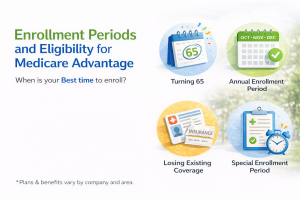
One of the most important steps to join a Medicare Advantage Plan is identifying the right enrollment period. Missing these specific windows can delay access to the coverage you need. There are primarily three times when you can enroll or make changes to your Medicare Advantage Plan. The Initial Enrollment Period (IEP) is your first chance to sign up, starting three months before you qualify for Medicare and ending three months afterward. It’s a crucial time to consider your options and enroll directly in a plan that suits your health and financial needs.
Another key enrollment phase is the Annual Enrollment Period (AEP), occurring from October 15 to December 7 each year. During AEP, you have the flexibility to switch plans, whether it’s due to changes in your health requirements or the introduction of new plans introduced. It’s a good time to reassess your current plan and explore others that might offer better coverage or services. Furthermore, understanding your ability to join or modify plans during the Medicare Advantage Open Enrollment Period, from January 1 to March 31, adds another layer of opportunity, allowing you to change if you’re already a Medicare Advantage member. Staying informed about these enrollment periods helps you navigate timing and ensures continuous coverage without interruption.
In addition to your personal timeline, Special Enrollment Periods (SEPs) may apply if you experience specific life events, such as moving out of your plan’s service area or losing other health coverage. Keeping these enrollment windows in mind not only aids in securing coverage but also empowers you to manage your Medicare Advantage choices with ease and confidence. This understanding protects against unexpected interruptions in medical services, ensuring seamless health management throughout the year.
When considering joining a Medicare Advantage Plan, it’s equally important to prepare for enrollment by gathering necessary information, such as your Medicare number and details of any current healthcare providers or prescriptions. This preparation ensures the enrollment process is smooth and efficient, allowing you to access your chosen plan’s benefits promptly. Understanding each period’s distinct rules and deadlines affirms your readiness to make informed decisions about your health insurance needs.
Steps to Enroll in a Medicare Advantage Plan
Enrolling in a Medicare Advantage Plan involves a few straightforward steps to ensure you receive the coverage that fits your needs. Armed with the right information and understanding of the process, you can transition from Original Medicare to a Medicare Advantage Plan with ease. Start by gathering the necessary personal info and eligibility details. Then, familiarize yourself with the enrollment process, including navigating online resources like socialsecurity.gov and medicare.gov/plan-compare. By taking these crucial steps, you’ll be prepared to join a Medicare Advantage Plan that aligns with your healthcare goals and service requirements.
Prepare Necessary Information for Enrollment
Getting ready to enroll in a Medicare Advantage Plan starts with gathering the right information. First, make sure you have your Medicare number handy. This number is vital for almost any interaction with Medicare services. You’ll also need personal info such as your current address and contact details. To ensure a seamless process, gather information about any current drug coverage or health plans you might be involved in. This could include details on a Prescription Drug Plan if you’re currently enrolled in one.
Next, prepare a list of healthcare providers you regularly use. This includes doctors, specialists, and preferred hospitals, which helps ensure that the advantage plan you’re considering includes them within its network. You’ll also want to compile a list of any prescription drugs you currently take. This information is crucial when reviewing potential plans, as it influences coverage for drug benefits.
It’s important to have a written account of your medical history and any ongoing treatments or health conditions. This information helps you assess if the Medicare Advantage Plan will meet your ongoing medical needs. Remember, some plans may require referrals for specialists, so knowing how often you typically see specialists may guide your choice. By preparing this comprehensive set of information beforehand, you make the enrollment process smoother and more targeted, ensuring the plan you choose offers all necessary benefits tailored to your health requirements.

Understanding the Enrollment Process
Understanding the Medicare Advantage enrollment process is essential to avoid any missteps. Start by studying the available plans in your area through medicare.gov/plan-compare. This user-friendly tool lets you compare plans by benefits, drug coverage, and costs. Once you identify the plan you want, check if your preferred services and providers are part of its network. Applying online at socialsecurity.gov is an efficient option, offering a streamlined sign-up process.
When enrolling, you’re not just joining any plan; you’re signing up for a comprehensive package covering original Medicare benefits alongside additional services. Information on plan-specific premiums and how they align with your Part B costs is crucial. While many plans offer drug coverage, others might not, so understanding this aspect is key to making an informed choice.
Another part of the enrollment process involves understanding if you qualify for any extra help or financial assistance. Programs are available to assist with Medicare Advantage costs, so it’s wise to explore these options. Also, be aware of the timing of your enrollment to avoid unnecessary delays or lapses in coverage. Special and annual enrollment periods offer flexibility to make changes based on life events or annual reassessments of your health needs. Thoroughly understanding each step helps ensure a successful transition to a Medicare Advantage Plan that complements your medical care and lifestyle choices.
Need more guidance? Remember, you can enter your ZIP code on our site to compare Medicare options. When our phone number is available, you’re welcome to call for more personalized help.
Contact Us for Personalized Assistance
As you explore your Medicare Advantage options, sometimes having a little extra help can make all the difference. That’s why we’re here to offer personalized assistance tailored to your needs. Whether you’re just beginning to understand the benefits and coverage of a Medicare Advantage plan or you’re ready to enroll, our goal is to make the process as clear and supportive as possible. Reaching out for help can be a big step, especially when trying to navigate the maze of health insurance and services.
Contacting us means you’ll connect with knowledgeable experts ready to answer your questions about Medicare enrollment. We’re dedicated to helping you understand the small details of insurance and coverage. Whether it’s explaining the ins and outs of Medicare Advantage plans or comparing plan benefits, our assistance aims to make your journey smoother. Understanding Medicare terms related to health services or medical coverage can be complex, but you’re not alone; our team is here to help break it down.
We believe that informed decision-making paves the way for better health outcomes. By discussing your unique health and insurance needs, we can provide guidance that aligns with your circumstances. While Medicare government resources offer a wealth of information, personalized support can turn confusion into clarity. Feel confident in your current members’ network or new options as you learn about the types of plans available to you.
If you ever feel overwhelmed, don’t hesitate to reach out. Contacting us gives you the benefit of personalized support, ensuring your health coverage is one less thing to worry about. Ready to take the next step? Enter your ZIP code on our site to compare available Medicare Advantage plans in your area. Once our phone number is accessible, we invite you to call for further personalized assistance from our dedicated team.
We hope this guide makes choosing a Medicare Advantage plan easier. Enter your ZIP code on our site to compare plan options in your area. If you need more personalized help, our team is ready to assist you over the phone once our number is available. We’re here to help make your Medicare decision-making process simple and supportive.
Compare plans and enroll online
Frequently Asked Questions
What is a Medicare Advantage Plan?
A Medicare Advantage Plan, also known as Medicare Part C, is an all-in-one alternative to Original Medicare. It offers the same hospital and medical coverage as Part A and Part B but often includes additional benefits like prescription drug coverage, dental, vision, and hearing services.
How can I enroll in a Medicare Advantage Plan?
To enroll, you need to be enrolled in Medicare Part A and Part B, and live in the plan’s service area. You can join during the Initial Enrollment Period, Annual Enrollment Period, or a Special Enrollment Period for certain life events.
What additional benefits do Medicare Advantage Plans offer?
Many Medicare Advantage Plans offer benefits beyond Original Medicare, including dental, vision, hearing, fitness memberships, and even transportation to medical appointments. These extras aim to support overall health and wellness.
Are there any costs associated with Medicare Advantage Plans?
While some plans have low or $0 premiums, you will continue to pay your Part B premium. Additional costs such as copayments, deductibles, and coinsurance can vary by plan.
How do I compare Medicare Advantage Plans?
You can use tools like Medicare’s Plan Compare on medicare.gov to explore and compare different plans based on benefits, costs, prescription drug coverage, and networks. Enter your ZIP code to see available options in your area.
Can I get personalized help with choosing a Medicare Advantage Plan?
Yes, for more personalized help, reach out when our team is available. We’ll provide guidance tailored to your healthcare needs and preferences, helping you make informed decisions about your coverage.
Have Questions?
Speak with a licensed insurance agent
1-855-398-0716
TTY users 711
Mon-Fri: 8am-9pm ET
Find & Compare Plans Online
ZRN Health & Financial Services, LLC, a Texas limited liability company

Russell Noga is the CEO of ZRN Health & Financial Services, and head content editor of several Medicare insurance online publications. He has over 18 years of experience as a licensed Medicare insurance broker helping Medicare beneficiaries learn about Medicare, Medicare Advantage Plans, Medigap insurance, and Medicare Part D prescription drug plans.