Feeling confused about Medicare versus Medicare Advantage? You’re not alone! Many seniors wonder which option fits their health needs and budget. Medicare, often called Original Medicare, includes Part A and Part B, covering hospital stays and doctor visits. On the other hand, Medicare Advantage, or Part C, offers an all-in-one alternative with extra benefits like vision or dental. Understanding these differences helps you make informed choices with confidence. Let’s break down what each offers so you can find what suits your needs best. Ready to dive in? Let’s go!


Compare Medicare Plans
Compare plans and costs in your area






What is the Difference between Medicare and Medicare Advantage
Key Highlights
- Original Medicare includes Part A (hospital) and Part B (medical), but lacks vision, dental, and hearing coverage.
- Medicare Advantage (Part C) bundles Medicare coverage with extras and lowers out-of-pocket costs.
- Medigap policies help cover costs not paid by Original Medicare, like copayments.
- Medicare Advantage plans may have network restrictions but offer additional benefits like gym memberships.
- Enter your ZIP code on our site to compare Medicare plans available in your area.
Compare plans and enroll online
Understanding Original Medicare
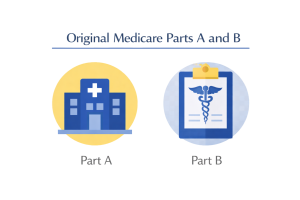
Original Medicare, sometimes called traditional Medicare, is a crucial program for those aged 65 and older in the United States. It’s managed by the federal government and offers essential Medicare coverage composed of Part A and Part B. Part A covers hospital services, while Part B covers medical services like doctor visits. This plan is fundamental for seniors looking to access healthcare without the burden of high out-of-pocket costs. It serves as the core Medicare plan for most beneficiaries. Let’s explore what Original Medicare includes and weigh its pros and cons to help you make an informed decision.
What Does Original Medicare Include?
Original Medicare stands as a cornerstone of senior health coverage, providing essential care through its two primary parts: Part A and Part B. Part A is often described as hospital insurance. It covers care received in hospitals, skilled nursing facilities, hospice, and, sometimes, limited home health care services. Usually, most people don’t pay a monthly premium for Part A if they or their spouse paid Medicare taxes while working.
Part B, often called medical insurance, helps cover services like doctor visits, outpatient care, and preventive services to keep you healthy or detect illness early. Unlike Part A, Part B does charge a monthly premium, which varies based on your income level. To understand Medicare coverage under this setup, it’s essential to consider these financial components and how they play into your overall budget.
Additionally, while Original Medicare covers a broad range of health services, it doesn’t cover everything. For instance, it doesn’t include dental, vision, or hearing services, which are important for many seniors. Coverage gaps like these often lead beneficiaries to consider Medigap policies. Medigap helps pay for some out-of-pocket costs not covered by Original Medicare, such as copayments and deductibles. Each state may have slightly different rules and offerings for these supplemental plans.
Original Medicare does not include prescription drug coverage, which could be another important consideration. To fill this gap, beneficiaries can enroll in a separate Medicare Part D plan for drug coverage. Understanding how these different plans and policies work together is central to maximizing the benefits of Original Medicare and ensuring comprehensive health coverage.
Pros and Cons of Original Medicare
Choosing Original Medicare provides several advantages and challenges that are important to consider. One of the primary benefits is the flexibility it offers in selecting healthcare providers. With Original Medicare, beneficiaries can visit any doctor, hospital, or healthcare provider that accepts Medicare, without the need for network restrictions. This open choice is a significant plus for those who travel frequently or wish to see specialists without gatekeepers.
Another benefit lies in its broad coverage for hospital and medical services. Parts A and B together lay a solid foundation for health services, making it easier for seniors to maintain their health. For beneficiaries needing frequent visits to specialists, this lack of network constraints can be particularly beneficial.
However, while Original Medicare provides substantial health coverage, it does have its drawbacks. One notable con is the absence of out-of-pocket maximums. Unlike some newer Medicare Advantage plans, there’s no set cap on what you might spend each year. This can be concerning for beneficiaries with chronic illnesses or those expecting extensive healthcare needs, potentially leading to high costs without the safety net of maximums.
The lack of vision, dental, and hearing coverage is another disadvantage. These services are significant for aging adults and can lead to substantial out-of-pocket expenses. To mitigate these gaps, many beneficiaries turn to Medigap plans to cover additional costs like copayments and deductibles that Original Medicare doesn’t.
Finally, managing separate Part D plans for prescription drugs can be cumbersome. Staying organized in this way requires effort and insight, especially when looking to find plans that suit particular needs cost-effectively. Weighing these pros and cons can help you decide whether Original Medicare, supplemented by Medigap and possibly a Part D plan, meets your individual healthcare needs and budget.
Introduction to Medicare Advantage
Medicare Advantage, known as Part C, offers an alternative to Original Medicare. These plans are provided by private insurance companies approved by Medicare, combining the coverage of Part A and Part B, often with additional benefits. Medicare Advantage plans aim to offer a more personalized approach to health coverage, often including services like vision, dental, and hearing that are absent in Original Medicare. Understanding the nuances and options within Medicare Advantage can help seniors choose a plan that fits their lifestyle and healthcare needs more closely.
How Medicare Advantage Differs from Original Medicare
Medicare Advantage (MA), or Part C, diverges significantly from Original Medicare in structure and coverage. Unlike the government-run Original Medicare, Medicare Advantage plans are offered by private companies under federal oversight. One key difference is that Medicare Advantage plans consolidate the benefits of Part A and Part B into a single plan, often with the inclusion of prescription drug coverage, similar to Medicare Part D.
While Original Medicare allows users to see any healthcare provider that accepts Medicare, Medicare Advantage plans usually have network restrictions. MA plans may operate like HMOs or PPOs, where policyholders need to use specific providers within their network or obtain referrals before seeing specialists. This network model helps keep costs predictable and sometimes lowers out-of-pocket expenses, though it might limit provider choice.
Another significant difference between Medicare Advantage and Original Medicare is the array of additional benefits offered. Many Medicare Advantage plans provide added services like gym memberships, vision, dental, and hearing coverage, which are not included in Original Medicare. These extras can be valuable for seniors looking to maintain their overall health, but they vary from plan to plan.
Importantly, the cost structures differ; while Original Medicare requires separate premiums, deductibles, and possibly a Medigap plan for comprehensive coverage, Medicare Advantage plans typically include all these costs in one monthly premium that might be lower than paying separately under Original Medicare. However, it’s crucial to review each plan’s formulary and schedule of copayments to understand potential costs.
Medicare Advantage also imposes limits on annual out-of-pocket spending, offering beneficiaries financial protection. This is arguably one of its most attractive features, distinguishing it from Original Medicare, which lacks such caps. Nonetheless, individuals considering Medicare Advantage should evaluate whether the plan’s network and benefits align with their healthcare needs. Each plan has its own set of rules, costs, and providers, making it essential to compare plans carefully. Whether you’re looking for additional services, managed costs, or a comprehensive care approach, understanding these differences will aid in making an informed decision.
| Plan Type | Key Features | Network Requirements | Additional Benefits |
|---|---|---|---|
| Health Maintenance Organization (HMO) | Lower premiums, typically require primary care physician referrals | Must use in-network providers, except in emergencies | Often includes additional services such as vision, dental, and wellness programs |
| Preferred Provider Organization (PPO) | More flexibility in choosing healthcare providers, no referrals needed for specialists | Higher cost for out-of-network services | Coverage might include perks such as gym memberships and routine eye exams |
| Private Fee-for-Service (PFFS) | Flexibility to use any provider that accepts the plan’s terms | No network, but providers must agree to the plan’s payment terms | May cover additional healthcare needs not usually included in Original Medicare |
| Special Needs Plan (SNP) | Tailored benefits for specific groups such as dual-eligibles, individuals with chronic conditions | Covers both in-network and out-of-network care, depending on the plan | Specific to the needs of the population served, may include specialized support services |
This table illustrates the variations in Medicare Advantage plans, helping users to identify which features may align with their healthcare preferences.
Find & Compare Plans Online
Types of Medicare Advantage Plans
There are several types of Medicare Advantage plans, each catering to different health needs and preferences. Health Maintenance Organizations (HMOs) are common Medicare Advantage plans that require members to use a network of doctors and hospitals, except in emergencies. Patients often need referrals to see specialists, making HMOs ideal for those who prefer coordinated care.
On the other hand, Preferred Provider Organizations (PPOs) offer more flexibility by allowing beneficiaries to see providers outside the network, albeit at a higher cost. This option suits those who want the freedom to choose their doctors without referrals, especially if they frequently require specialist services.
Another type of Medicare Advantage plan is the Private Fee-for-Service (PFFS) plan, which allows members to see any Medicare-approved doctor or hospital that accepts the plan’s payment terms. These plans can vary greatly in terms of costs and availability, and they might require beneficiaries to pay more for using out-of-network services.
Special Needs Plans (SNPs) are designed specifically for individuals with certain chronic conditions or particular needs. SNPs coordinate care with tailored benefits, ideal for those who want personalized care. They cater to groups such as those with diabetes or heart disease, nursing home residents, or dual eligibles on both Medicare and Medicaid.
Lastly, Medicare Medical Savings Account (MSA) plans combine a high-deductible health plan with a bank account. Medicare deposits money into the account, which can be used for healthcare expenses before reaching the deductible. MSAs suit beneficiaries who prefer managing their healthcare spending, although these plans typically don’t include prescription drugs.
Each type of Medicare Advantage plan carries its own set of benefits and limitations. When choosing the right plan, it’s vital to consider factors like flexibility, cost, and the specific health needs you expect in the coming years. This approach ensures a Medicare plan that suits both your budget and health goals, making seniors feel more confident in their healthcare decisions.
When considering which Medicare Advantage plan to choose, keep in mind these practical considerations:
- Evaluate if your preferred doctors and hospitals are in-network for cost efficiency.
- Determine if you need flexible options for out-of-network providers.
- Assess your regular healthcare needs, focusing on expected services and specialist visits.
- Review the availability and terms of prescription drug coverage within the plan.
- Consider whether personalized care management features are necessary for chronic conditions.
- Check for additional benefits like vision, dental, or wellness programs.
- Understand the plan’s cost structure, including premiums, deductibles, and out-of-pocket limits.
These factors will guide you toward a Medicare Advantage plan that aligns with your specific health and financial needs.
Comparing Costs: Original Medicare vs. Medicare Advantage
This section highlights the cost differences between Original Medicare and Medicare Advantage plans. Understanding these differences is vital for seniors in picking Medicare coverage that fits both their needs and budget. Costs can vary greatly depending on the type of Medicare plan selected, ranging from monthly premiums to out-of-pocket expenses.
We’ll explore how each option structures its costs, ensuring you have a clear picture of what to expect. Knowing these costs and how they impact your budget can aid in making an informed choice in your healthcare journey.
Out-of-Pocket Costs for Beneficiaries
When discussing Medicare coverage, one of the most crucial aspects to examine is the out-of-pocket costs that come with each option. Out-of-pocket costs refer to expenses you pay yourself that aren’t covered by your Medicare plan. Original Medicare, composed of Part A and Part B, typically involves a range of costs including monthly premiums, deductibles, and coinsurance.
For most seniors, Part A Hospital Insurance usually doesn’t require a monthly premium if they or their spouse have paid Medicare taxes for a sufficient period while working. However, Part B, which focuses on medical services, always carries a monthly premium that is income-based, thus potentially varying widely among beneficiaries.
With Original Medicare, beneficiaries are responsible for paying 20% of the cost for most doctor services, outpatient therapy, and durable medical equipment after the Part B deductible is met. Unlike some other health plans, Original Medicare lacks a cap on annual out-of-pocket spending, meaning there’s no maximum limit to how much you might need to pay yourself each year. This feature often pushes many seniors to invest in Medigap (Medicare supplement) policies, which help cover these remaining costs, such as copayments and deductibles.
Medicare Advantage (Part C), compared to Medigap, consolidates coverage into a single plan with private insurers incorporating both Part A and Part B benefits, often alongside Part D for prescription drugs. One of the benefits of Medicare Advantage plans is having a maximum out-of-pocket limit. Additionally, these plans frequently include extra services like vision, dental, and hearing coverage, not found in Original Medicare.
While they typically have lower out-of-pocket costs than Original Medicare, these savings need to be balanced with potential network restrictions and plan-specific costs such as copayments and deductibles. Unlike Original Medicare, the monthly premium for Part C can vary significantly by plan and location, but it’s important to examine these costs carefully as they can fluctuate based on the plan structure and the level of benefits provided.
When considering resources for further understanding these costs, consult state and gov resources, along with comprehensive tools and guides available on Medicare’s official website. This understanding ensures beneficiaries can factor in both current healthcare needs and their financial circumstances when choosing between Original Medicare and Medicare Advantage. Comprehensive insights into these plans help seniors make better decisions, leveraging the benefits to suit their health requirements and financial outlook, no matter the coverage path they select.
As you ponder these options to address out-of-pocket costs with either plan, remember that what suits one person might not suit another. Make sure to analyze the specific services and benefits each type offers while considering the matter of costs, thus fostering a Medicare experience that addresses both your medical and financial necessities.
Exploring Coverage Options with Medicare Advantage
Medicare Advantage, also known as Part C, offers a unique approach by blending traditional Medicare coverage with additional benefits. These plans are provided by private insurance companies and are a popular choice for those wanting to enhance their health services. With Medicare Advantage, you not only get Part A and Part B but often extras like vision, dental, and hearing coverage. This section will delve into how Medicare Advantage expands your healthcare options beyond Original Medicare and consider how these plans can meet individual needs and preferences.
Expanding Your Coverage Beyond Original Medicare
For those looking to go beyond the basics of Original Medicare, Medicare Advantage plans present a compelling option. These plans combine Part A and Part B services into one comprehensive policy managed by private insurance providers. Unlike Original Medicare, which sometimes leaves gaps in coverage, Medicare Advantage often includes additional services like dental, vision, and hearing benefits.
Such additions are crucial for aging individuals as they address critical health components not covered by traditional Medicare. This broader spectrum of services can significantly enhance one’s healthcare experience, making Medicare Advantage a popular choice for many.
Another reason people choose Medicare Advantage is the incorporation of prescription drug coverage, which is not automatically included in Original Medicare. This advantage means fewer separate plans to manage, making it a more streamlined option for many. In addition to this convenience, some Medicare Advantage plans offer wellness programs, including gym memberships or health-related incentives, further contributing to overall well-being. This holistic approach to health services aligns well with the growing need for comprehensive care as we advance in age.
Moreover, Medicare Advantage plans offer a financial cap on out-of-pocket expenses, offering beneficiaries some peace of mind. Original Medicare doesn’t provide this limit, which can result in unpredictable spending for seniors. This cap is a safeguard that many find reassuring, particularly those concerned about the potential for steep medical bills due to intensive care needs. The cap varies from plan to plan, so it is essential to compare options to ensure balance between coverage benefits and associated costs.
One might wonder about the trade-offs, such as network limitations in some Medicare Advantage plans. While it’s true that many operate within provider networks, like HMOs or PPOs, this doesn’t always equate to a significant downside. Often, these networks are extensive enough to accommodate a wide range of healthcare needs while potentially lowering overall costs through negotiated rates with providers. For those who travel or have a preference for particular specialists, it’s important to verify that these preferences align with your chosen plan’s network provisions.
Ultimately, Medicare Advantage plans are engineered to offer a more individualized health coverage strategy. Whether you’re focused on additional services, preventive health measures, or controlling healthcare costs, exploring the options available in Medicare Advantage plans is worthwhile. By understanding these facets and evaluating what best suits your needs, you can confidently choose a plan that offers the desired health and financial protection, enhancing your Medicare journey.
If you’re exploring options, don’t forget to enter your ZIP code on our site to compare various Medicare Advantage plans available near you. This tool can help you find a plan tailored to your needs. Additionally, once available, you can also call us for personalized assistance in navigating your choices. Remember, understanding your healthcare options elevates your capacity to make informed decisions.
Making an Informed Choice Between Medicare Plans
Choosing the right Medicare plan involves weighing various factors to ensure it meets your healthcare and budget needs. Both Original Medicare and Medicare Advantage offer valuable services, but they serve different purposes that can significantly impact your decision. Understanding the details can empower you to select a plan that aligns with your unique health requirements and lifestyle.
Original Medicare, often referred to as traditional Medicare, consists of Part A and Part B, covering hospital and medical services, respectively. It’s a reliable baseline for healthcare, providing unrestricted access to any doctor or hospital that accepts Medicare. However, keep in mind that it doesn’t cover everything.
Key benefits like dental, vision, and hearing services are excluded, which can lead some to consider Medicare Supplement policies, known as Medigap, to help fill these gaps. Medigap plans are standardized and regulated at the state level, providing peace of mind by covering out-of-pocket costs such as copayments and deductibles.
On the other hand, Medicare Advantage, also known as Part C, consolidates benefits under one plan provided by private insurers. These plans often include additional perks like fitness programs, and sometimes dental, vision, and hearing coverage, offering a more comprehensive package than Original Medicare. However, they typically require staying within a network of providers, which might be a consideration if flexibility in choosing doctors is important to you.
When evaluating your options, consider how each plan aligns with your health needs. Medicare Supplement plans can offer more freedom in healthcare provider choices without network restrictions, but Medicare Advantage plans are increasingly favored for their expanded benefits and capped out-of-pocket expenses. This financial protection can be especially appealing if you anticipate significant healthcare expenses.
Resources like MedicarePlansGuide.org provide valuable insights and tools to compare different Medicare plans, including gov and state resources that can help clarify your options. It’s crucial to review these thoroughly to make a well-informed decision. Whether you prioritize broader coverage, lower costs, or additional health services, understanding the intricacies of Medicare plans will help you choose one that enhances your health and financial security.
To explore your options and find a Medicare plan tailored to your needs, enter your ZIP code on our site. This will allow you to compare plans in your area. Once our phone service is available, you can also call for personalized assistance. Remember, being informed is your best tool for making the right healthcare choice.
We hope this guide helps you understand how Medicare and Medicare Advantage differ. Be sure to enter your ZIP code on our site to view and compare the options available in your area. You can see what suits your needs and budget. As soon as our phone number is available, you’ll also have the option to call and get personalized help with your Medicare choices. We’re here to support you every step of the way on your Medicare journey!
Compare plans and enroll online
Frequently Asked Questions
What is the difference between Original Medicare and Medicare Advantage?
Original Medicare includes Part A (hospital insurance) and Part B (medical insurance), covering hospital stays and doctor visits. However, it does not cover vision, dental, or hearing care. Medicare Advantage, also known as Part C, is offered by private companies and bundles Medicare benefits, often including additional services like vision or dental.
What are the main components of Original Medicare?
Original Medicare consists of Part A and Part B. Part A generally doesn’t require premiums for eligible individuals with prior Medicare taxes paid, while Part B includes a monthly premium. Part A covers hospital-related services and Part B covers outpatient services, medical supplies, and preventive services.
Why might someone choose a Medicare Advantage plan?
Medicare Advantage plans may include additional benefits such as vision, dental, and hearing services and often come with a financial cap on out-of-pocket expenses, making it a more comprehensive package with less unpredictability in spending.
How do network restrictions differ between Original Medicare and Medicare Advantage?
Original Medicare allows you to visit any doctor or healthcare facility that accepts Medicare. Medicare Advantage plans often have network restrictions, requiring you to use specific providers within their network or obtain referrals for specialists, similar to an HMO or PPO model.
How can I find which Medicare plans are available in my area?
You can compare Medicare plans available in your area by entering your ZIP code on our site, MedicarePlansGuide.org. This will help you view available options and decide which plan aligns with your needs and preferences.
Have Questions?
Speak with a licensed insurance agent
1-855-398-0716
TTY users 711
Mon-Fri: 8am-9pm ET
Find & Compare Plans Online
ZRN Health & Financial Services, LLC, a Texas limited liability company

Russell Noga is the CEO of ZRN Health & Financial Services, and head content editor of several Medicare insurance online publications. He has over 18 years of experience as a licensed Medicare insurance broker helping Medicare beneficiaries learn about Medicare, Medicare Advantage Plans, Medigap insurance, and Medicare Part D prescription drug plans.