Understanding Medicare Part D’s late enrollment penalty is important for anyone considering prescription drug coverage. This penalty can increase what you pay in premiums and affect your budget. It happens if you don’t sign up for Part D on time and have no other creditable drug coverage. Knowing how this penalty works can help you plan better and avoid extra costs. In this article, we’ll break down the late enrollment penalty and share simple tips to steer clear of it, ensuring you have the coverage you need without unexpected charges.


Compare Medicare Plans
Compare plans and costs in your area






Medicare Part D Late Enrollment Penalty Explained
Key Highlights
- Medicare Part D is essential for managing prescription drug costs effectively.
- Late enrollment in Medicare Part D results in a lifelong monthly penalty.
- Penalty is 1% of the national base premium per month without coverage.
- Creditable coverage can prevent late enrollment penalties for Medicare Part D.
- Timely enrollment and keeping informed are key to avoiding unnecessary costs.
Compare plans and enroll online
Understanding Medicare Part D
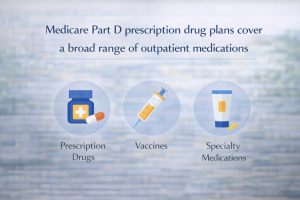
Medicare Part D provides essential prescription drug coverage for older adults, filling gaps in original Medicare coverage. As a key part of Medicare, it helps pay for both generic and brand-name drugs, significantly reducing medication costs for many members. Understanding how Medicare drug coverage works can save you from unexpected expenses. This section will explore what Medicare Part D is and why prescription drug coverage is vital for those who rely on regular medications. With the right plan, the benefits can make managing healthcare much more straightforward.

What is Medicare Part D?
Medicare Part D is a program designed to help Medicare members cover the costs of prescription drugs. It was initiated to provide more comprehensive healthcare options by adding drug coverage to the Original Medicare plan. As part of the Medicare program, this coverage is optional but vital for those who require ongoing medications. Paying for prescriptions out-of-pocket can become quite costly, making Part D an attractive option for many older adults. Joining a Medicare drug plan during your initial enrollment period can offer peace of mind knowing your drug costs will be managed effectively.
Medicare drug coverage is arranged through private insurance companies approved by Medicare, providing various plans to suit different needs and budgets. By having prescription drug coverage as part of your Medicare, you ensure that your healthcare programs are more complete. Social Security helps certain members cover these costs through additional programs, ensuring financial relief for those who qualify. With yearly changes to drug plans, it’s essential to review your benefits regularly and adjust your coverage to align with your current medication needs and financial situation.
| Feature | Coverage | Eligibility | Cost |
|---|---|---|---|
| Prescription Drugs | Includes a range of medically necessary drugs | Adults aged 65 and older or under 65 with certain disabilities | Monthly premium and yearly deductible |
| Plan Options | Variety of private plans available | Enrollees must be enrolled in Medicare Part A or B | Varying copayments depending on the plan |
| Enrollment Period | Annual and special enrollment periods | Open during initial enrollment or specific times | Penalties may apply for late enrollment |
| Extra Help | Assistance for eligible beneficiaries | Based on income and resource limits | Reduced premiums and deductibles |
This table highlights how Medicare Part D enhances prescription drug accessibility and management for older adults.
Importance of Prescription Drug Coverage
Prescription drug coverage under Medicare Part D plays a crucial role in the healthcare of older adults, minimizing the risk of high out-of-pocket expenses. Without Medicare drug coverage, paying for prescriptions can become financially burdensome, especially for those on a fixed income. By enrolling in a drug plan, members can significantly reduce the costs while maintaining access to necessary medications.
Part D not only provides financial relief but also aids in better health management. Access to prescribed drugs ensures members can follow through on their treatment plans, leading to improved health outcomes. With a range of plans available, it’s crucial to consider your prescription needs and choose a coverage option that supports your health goals while fitting your budget.
Medicare Part D drug plans often include a formulary, or a list of covered drugs, which gives members foresight into what benefits they can expect, ensuring no surprises at the pharmacy. Having coverage also encourages proactive health management, allowing older adults to seek medical assistance promptly without worrying about medication costs. Understanding your prescription drug plan is vital for leveraging resources effectively, and with the right information, choosing the right Medicare Part D coverage can be less daunting.
Late Enrollment and Its Consequences
Enrolling in Medicare Part D is crucial, but missing the initial enrollment can lead to penalties. A late enrollment in Medicare Part D results in a monthly penalty, which is added to your drug plan premium. This penalty is tied to how long you went without creditable coverage. Understanding these Medicare drug penalties can help in making more informed decisions. You’ll want to be aware of the consequences of late enrollment to avoid unnecessary costs. Knowing your initial enrollment period and maintaining creditable coverage can significantly reduce the risk of a penalty.
What Causes a Late Enrollment?
Late enrollment for Medicare Part D often happens when individuals don’t join a prescription drug plan during their initial enrollment period. The initial enrollment period is the first opportunity to enroll in Medicare Part D, and it generally spans seven months, three months before, the month of, and three months after your 65th birthday. Failing to enroll during this window can lead to a late penalty unless you have creditable coverage. Creditable coverage means having insurance that’s as good as or better than Medicare drug coverage. This could include certain employer health plans or union coverage that you may already have. If this coverage lapses or if one assumes incorrectly that they don’t need additional coverage, they might face a late penalty.
Keeping note of your Medicare Part enrollment period and ensuring that your existing coverage is indeed creditable can prevent future surprises. It’s important to confirm with your plan administrator if your current insurance counts as creditable coverage. Without this assurance, the absence of timely enrollment or proper coverage can accumulate financial strain well beyond the monthly premium for a Medicare drug plan. Staying informed about when to enroll and understanding your coverage options is key to managing costs effectively.
Understanding the Enrollment Penalty
The Medicare Part D enrollment penalty is a lifelong monthly penalty that is added to your Medicare drug plan premium. This late penalty occurs if you don’t sign up during the initial enrollment period and go 63 consecutive days without creditable prescription drug coverage. It’s calculated by multiplying 1% of the ‘national base beneficiary premium’ by the number of full months you went without Part D or other creditable coverage. The penalty is then added to your monthly premium, increasing the overall costs you pay for your drug plan.
This monthly penalty can have a significant impact on your budget over time, underscoring the importance of enrolling promptly or maintaining credible coverage. It’s essential to understand the rules to avoid these additional expenses and ensure your prescription drug coverage meets your healthcare needs without unnecessary strain. Many find it helpful to consult their Social Security Administration to verify their enrollment timelines and any related qualifications for exemptions from penalties due to extenuating circumstances. This proactive step helps ensure you navigate the Medicare landscape with confidence, keeping your health and finances in a stable position.
Find & Compare Plans Online
Calculating the Enrollment Penalty
Understanding how the Medicare Part D late enrollment penalty is calculated is crucial for anyone navigating their health coverage options. The penalty is straightforward but varies based on how long you delay enrolling in Medicare drug coverage after your initial enrollment period. Knowing the mechanics of this penalty can empower you to make informed decisions and avoid unnecessary costs. In this section, we’ll dive into how the monthly penalty is determined and examine its impact on what you pay each month.
How is the Penalty Determined?
The enrollment penalty for Medicare Part D is calculated based on the length of time you go without prescription drug coverage after your initial enrollment period. Specifically, the penalty is 1% of the ‘national base beneficiary premium’ for each month you delay enrolling in a Part D plan when you don’t have other creditable coverage. This monthly penalty is then added to your drug plan’s premium, making it imperative to understand how your decisions affect your costs. For example, if you go without Medicare drug coverage for 12 months, you would face a late penalty of 12% of the base beneficiary premium each month. Knowing these details can help you avoid unwelcome surprises and manage your overall healthcare costs better.
Additionally, creditable prescription drug coverage is a key factor in determining your penalty. Creditable coverage includes health insurance from an employer or union that is at least as good as Medicare’s. If your current insurance doesn’t qualify as creditable and you miss the initial enrollment window, you’ll incur a late penalty if you eventually sign up for Medicare Part D. Therefore, checking with your plan administrator to verify if your current coverage is creditable can prevent future complications.
Impact on What You Pay
The late enrollment penalty has a substantial impact on your monthly costs, increasing what you pay for your Medicare Part D plan. This ongoing expense can affect your budget significantly, making timely enrollment crucial. Once determined, the penalty is permanently added to your monthly premium, meaning any delay increases your total out-of-pocket expenses over time. The financial pressure this penalty adds can make managing healthcare costs more challenging, especially for those on fixed incomes. Planning ahead and understanding enrollment requirements can help you avoid unnecessary financial burdens and keep your coverage costs manageable.
Furthermore, it’s worthwhile to utilize available resources like the Social Security Administration or Medicare counselors who can provide guidance tailored to your situation. These resources are invaluable as they help you understand all potential exemptions, especially if specific circumstances affected your ability to enroll on time. The insights you gain from these sources can be crucial in keeping your healthcare coverage effective and affordable without the extra costs of a late penalty. Leveraging such information ensures that you’re well-prepared and confident in your Medicare decisions.
Medicare Rights and Avoiding Penalties
Navigating Medicare can be challenging, especially when it comes to avoiding late enrollment penalties. Medicare Part D provides vital prescription drug coverage, but missing the initial enrollment can lead to extra costs. Understanding your Medicare rights is key to making informed decisions and avoiding penalties. If you don’t enroll on time without creditable coverage, you might face additional charges. By knowing the enrollment periods and creditable coverage options, you can confidently manage your health plans and expenses. Let’s explore the steps you can take to sidestep these penalties effectively.

Steps to Avoid Late Enrollment Penalties
Avoiding late enrollment penalties for Medicare Part D involves understanding several key factors, including initial enrollment, creditable coverage, and available resources. The first step is knowing your initial enrollment period, which lasts seven months starting three months before your 65th birthday. Enrolling during this time is crucial to sidestep the late penalty. If you’re already covered by a policy that meets or exceeds Medicare’s standards, you have what’s called creditable coverage. Ensuring your current insurance counts as creditable will help you avoid penalties if you delay enrolling in Part D.
Maintaining records of your creditable prescription drug coverage is important. Plan administrators can provide proof if needed. If your plan isn’t creditable, you should consider switching to a Part D drug plan before the initial enrollment period expires. Utilizing resources such as the Social Security Administration or Medicare helplines can provide clarity about your coverage’s status. They can also assist if you’re unsure about any exempt circumstances that might apply.
Finally, staying informed about Medicare changes is key. Regularly reviewing your prescription needs and drug plan options ensures you’re covered adequately without overspending. Making informed decisions not only helps avoid late enrollment penalties but also keeps your healthcare costs manageable. By following these steps, you can confidently manage your Medicare Part D enrollment without the worry of extra costs.
To further enhance your understanding and avoid potential pitfalls, consider these additional strategies for smoothly managing your Medicare Part D enrollment:
- Reassess your healthcare priorities annually to ensure your plan aligns with your evolving needs.
- Explore local resources for assistance programs that may help reduce prescription costs.
- Regularly review the Medicare Plan Finder for any updates or changes relevant to your coverage.
- Attend webinars hosted by Medicare experts to stay informed about new policies and benefits.
- Create a schedule for periodic check-ins with your healthcare provider about your prescription requirements.
- Keep a detailed record of your prescriptions and any associated costs to aid in future plan evaluations.
By integrating these strategies, you can streamline your Medicare Part D management and stay well-prepared.
Understanding the Medicare Part D late enrollment penalty can help you make informed decisions about prescription drug coverage. Enter your ZIP code on MedicarePlansGuide.org to compare your options for Medicare Part D and other plans. If you need further assistance, you may call our friendly experts once our phone number becomes available. We’re here to support your journey towards reliable and affordable Medicare coverage.
Compare plans and enroll online
Frequently Asked Questions
What is the Medicare Part D late enrollment penalty?
The Medicare Part D late enrollment penalty is an additional cost added to your monthly premium if you go without creditable prescription drug coverage for a certain period after becoming eligible for Medicare. The penalty is intended to encourage timely enrollment.
How is the Part D late enrollment penalty calculated?
The penalty is generally calculated based on the number of full months you were without creditable prescription drug coverage. The amount is added to your Part D premium and may change annually as national base premium amounts are updated.
Is the Part D late enrollment penalty permanent?
In most cases, the late enrollment penalty applies for as long as you have Medicare Part D coverage. This means the additional cost continues even if you change plans in future years.
What counts as creditable prescription drug coverage?
Creditable coverage is prescription drug coverage that is expected to pay, on average, at least as much as Medicare’s standard Part D coverage. Examples may include certain employer or union plans. It is important to receive and keep documentation confirming creditable status.
Can the late enrollment penalty ever be removed?
In limited situations, the penalty may be reconsidered if it was applied incorrectly or if proof of creditable coverage is provided. Requests typically require documentation and follow specific review processes.
Have Questions?
Speak with a licensed insurance agent
1-855-398-0716
TTY users 711
Mon-Fri: 8am-9pm ET
Find & Compare Plans Online
ZRN Health & Financial Services, LLC, a Texas limited liability company

Russell Noga is the CEO of ZRN Health & Financial Services, and head content editor of several Medicare insurance online publications. He has over 18 years of experience as a licensed Medicare insurance broker helping Medicare beneficiaries learn about Medicare, Medicare Advantage Plans, Medigap insurance, and Medicare Part D prescription drug plans.