The Medicare Part D coverage gap, also known as the “donut hole,” can be a confusing part of your prescription drug plan. This gap occurs after you and your plan have spent a certain amount on covered drugs, leading to higher out-of-pocket costs. Understanding how this gap affects your medication expenses and how recent changes might impact you is crucial for planning your healthcare budget. Our guide aims to simplify this topic, offering clear insights to help you navigate this stage and manage your prescription costs effectively.

Compare Medicare Plans
Compare plans and costs in your area





Closing the Medicare Part D Coverage Gap
Key Highlights
- The Medicare Part D “donut hole” increases out-of-pocket drug costs after a specific spending threshold is reached.
- Manufacturer discounts help reduce expenses during the donut hole for brand-name drugs, yet high out-of-pocket costs remain.
- Selecting a Medicare Part D plan requires considering covered medications, total costs, and network pharmacies.
- Catastrophic coverage begins after the donut hole, substantially lowering drug expenses to around 5% per medication.
- Staying informed and comparing plans ensures effective management of drug costs and Medicare options.
Compare plans and enroll online

Understanding the Medicare Donut Hole
The Medicare Part D donut hole, or coverage gap, can be perplexing for many seniors. It’s a phase in your Medicare Part D plan where you’re likely to pay more for prescription drugs after spending a certain amount. This gap in drug coverage exists between your plan’s initial coverage limit and the point where catastrophic coverage kicks in. To navigate this phase, it’s critical to understand how drug costs, both for brand-name and generic drugs, are impacted. Let’s explore what the donut hole entails and how it affects the costs you might face.
What is the Donut Hole?
The donut hole is a particular phase within Medicare Part D that affects enrollees’ out-of-pocket costs for prescription drugs. When you first enroll in a Part D plan, you’ll have coverage until your total drug spending hits the initial limit. After reaching this limit, you enter the donut hole. At this point, you bear a significant portion of your drug costs, making it crucial to keep track of your prescription expenses. Brand-name drug costs are partially covered by manufacturer discounts, usually about 75%, but you’ll still pay more than during the initial coverage period. Although the Affordable Care Act has lessened the gap over the years, it’s not fully closed, impacting many enrollees who need clarification.
During this gap, while the discounts help lessen the immediate burden on brand-name drugs, it’s important to watch your overall spending threshold. Once this spending threshold is surpassed, you’ll exit the donut hole and transition into catastrophic coverage. Generic drugs have different discount percentages, typically around 37%. Understanding these distinctions is key to managing your expenses effectively. Since the donut hole can seem invisible when you first join, staying informed about where your current spending stands within your plan year is wise. This understanding will allow you to prepare for potential increases in drug costs as you encounter the coverage gap.
How It Affects Drug Costs
Drug costs during the donut hole can be a burden if you’re not prepared. Entering this gap means you’re likely to see an increase in out-of-pocket expenses, impacting both generic and brand-name drugs. Let’s break it down: if your plan’s spending threshold is reached, you’ll find yourself covering 25% of the cost for brand-name drugs, thanks to a manufacturer discount that reduces your contribution from the retail cost. While relief’s provided through these discounts, you should still budget for this substantial portion of costs.
For generic drugs, the situation is slightly different as discounts aren’t as extensive: you might pay close to 37%. So, if you’re relying on these medications, consider your plan’s specifics. Planning and discussing potential cost changes with your healthcare provider can help you prepare for the transition from your initial coverage phase into the coverage gap. Knowing these percentages helps you foresee your financial responsibilities and make decisions that better fit your budget and healthcare needs.
Keeping track of your total drug costs throughout the year, including those covered by the plan and paid by you, is essential. This helps in understanding when you might leave the gap and catch the transition to catastrophic coverage, where costs become substantially lower. This thorough insight into drug costs within the donut hole prepares you to manage your medications without unexpected stress. Once you’re armed with this information, deciding on drug alternatives or considering Part D plan changes becomes less daunting.
The Purpose of the Coverage Gap
The Medicare Part D coverage gap, commonly known as the donut hole, is designed to encourage responsible spending while managing the overall expenses of the Medicare Part D program. This gap emerges after you surpass your plan’s initial coverage limit and before you reach catastrophic coverage. The gap’s structure helps to balance the cost-sharing responsibilities between Medicare and enrollees. By understanding this purpose, you can better navigate your prescription drug coverage and make more informed decisions. Let’s delve deeper into why this gap exists and what impact it has on Medicare Part D enrollees.
Why the Gap Exists
The coverage gap, or donut hole, primarily exists to manage Medicare Part D’s sustainability while encouraging cost-effective spending among enrollees. Originally, the gap was wider, with enrollees shouldering a more substantial portion of their drug expenses. The introduction of the Affordable Care Act and various initiatives like the Inflation Reduction Act have helped close the gap over time, aiming to reduce the financial strain on enrollees. However, the gap still plays a critical role in controlling overall Medicare spending and ensuring that resources are available for future health needs.
During the gap, enrollees pay more out of pocket for prescription drugs after reaching their initial coverage threshold. This structure instills a need for careful spending, urging beneficiaries to consider generic drugs or lower-cost alternatives where possible. The presence of a manufacturer discount for brand-name drugs, which can lessen immediate expenses, further encourages prudent selection of medications.
While the coverage gap no longer represents a total cessation of support, its presence is rooted in an effort to balance Medicare’s costs with individual contributions. By understanding this, enrollees can better prepare for the gap’s financial implications, potentially exploring supplemental resources to help manage their health expenses. Fully grasping why the donut hole remains is crucial for those looking to optimize their Part D benefits and navigate healthcare spending wisely.
Impact on Medicare Part D Enrollees
The coverage gap can significantly affect Medicare Part D enrollees by increasing their out-of-pocket drug costs once they exceed their initial coverage. During the gap, enrollees need to cover a greater percentage of prescription drug costs, both for generic and brand-name drugs. This shift may prompt many seniors to alter their medication strategies or even struggle to afford necessary prescriptions, impacting their overall health management.
Understanding the impact also means recognizing the financial burden and exploring strategies to mitigate it. Enrollees might weigh the benefits of switching to generic drugs, which typically offer more substantial discounts than their brand-name counterparts. Additionally, careful planning can help manage expenses, preventing unexpected spikes in drug costs that can accompany the transition from initial coverage to the donut hole.
The impact is not just financial. It influences health decisions, prompting enrollees to consider how they use their benefits throughout the year. By staying informed about current spending thresholds and manufacturer discounts, seniors can make educated choices about their prescription drug needs. The gap, while daunting, also serves as a reminder of how crucial it is to track drug costs and anticipate transitions in coverage. By understanding these dynamics, you’re better equipped to navigate your Part D plan effectively, enhancing both financial and overall well-being.
Find & Compare Plans Online
Navigating Part D Prescription Drug Plans
Understanding and navigating Part D prescription drug plans can empower seniors to make informed choices about their healthcare. To effectively choose a plan, it’s essential to consider factors beyond just premiums, such as covered medications and associated costs. Exploring how these factors interact can ease the burden of out-of-pocket expenses, particularly when approaching the Medicare donut hole. Knowing what to look for can help balance drug costs and maintain health resources. Let’s delve into selecting the right Part D plan and the considerations that matter most when examining overall costs.
Selecting the Right Plan for Your Needs
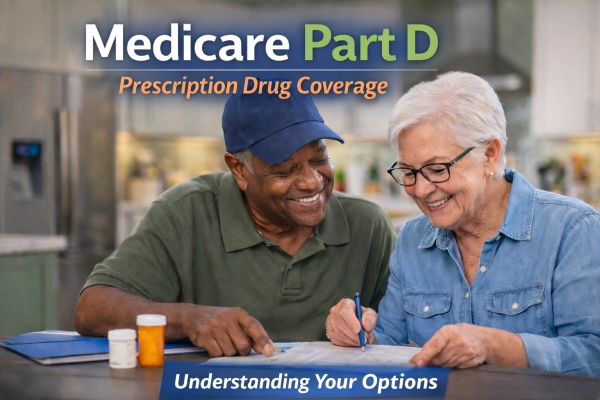
Selecting the right Part D prescription drug plan requires a personalized approach that considers your specific health needs. Since enrollees’ requirements can differ significantly, it’s crucial to evaluate several factors. First, review the list of covered prescription drugs, often called the formulary. Ensure your current medications, whether generic or brand-name, are included to prevent unexpected expenses. Check if your preferred pharmacy is part of the plan’s network, as this can affect your out-of-pocket costs significantly.
Another crucial factor is the plan’s total drug spending coverage. Some plans might offer additional resources or coverage options that could shield you from higher expenses within the donut hole. Pay attention to the entry-level drug costs, which could predict how your spending might increase throughout the year. Enrollees who anticipate significant medication needs might prioritize plans with broader coverage even if they come with higher monthly premiums. These factors play a pivotal role in avoiding the burden of unanticipated drug costs, especially as you approach the next phase of your plan.
Additionally, compare plans not only on their costs but also on supplementary benefits. Considerations such as mail-order options for medications could result in lower costs. Factor in customer service resources, which might assist in managing your Medicare Part D enrollment effectively. An easy step is to consult available educational resources or speak with your healthcare provider to evaluate which plan aligns with your health requirements. Taking these practical steps helps ensure you’re not caught off guard financially and that your plan supports your ongoing healthcare needs.
Factors to Consider When Looking at Costs
When evaluating Medicare Part D plan costs, it’s important to look beyond the monthly premiums. Consider the total drug coverage, which includes both what the plan pays and what you’re responsible for. Ensure you understand the costs associated with generic versus brand-name drugs and whether there are any additional savings opportunities during the coverage gap or donut hole phase.
Look at the plan’s cost structure when it comes to prescription drug levels. Different tiers mean varying costs for medications, so identifying where your regular medications fall is crucial. Pay attention to any deductibles as well. These can affect your initial out-of-pocket spending before the plan begins to pay its share. Keep track of how these costs may shift if you enter the coverage gap, and plan for potential increases. This foresight allows you to maintain your budget while still managing your health needs effectively.
Furthermore, assess the network of pharmacies included in the plan. Opting for a preferred pharmacy network can make a significant difference in your pocket expenses throughout the year. The convenience of having a close, affordable pharmacy can’t be overstated. Also, consider how plan changes, like new laws affecting Medicare, might impact drug costs overall. Keeping abreast of changes ensures your chosen plan remains aligned with your healthcare and financial goals. Understanding these various factors helps manage your plan’s costs and optimizes your resources.
In addition to these considerations, remember these helpful tips while navigating the complexities of Medicare Part D plans:
- Regularly review your medication list to ensure all are covered under potential plans.
- Compare pharmacy networks to maintain convenience and potentially lower costs.
- Check for any annual deductible, as it affects your total out-of-pocket expenses.
- Look into any coverage for travel or out-of-state medication needs.
- Beware of any restrictions or prior authorization requirements for medications.
- Analyze total annual costs, not just premiums, for a complete financial picture.
- Evaluate mail-order options for potential savings and convenience.
Staying informed and attentive to these details ensures you choose a plan that suits your needs effectively.
Reaching Catastrophic Coverage
Entering catastrophic coverage in Medicare Part D is a relief for many. Once you surpass the coverage gap, or donut hole, this phase dramatically reduces your out-of-pocket drug costs. Understanding what follows the gap and how catastrophic coverage works is key. Here, we’ll explore the transition after the gap and the mechanics of catastrophic coverage to empower you in managing your Medicare expenses effectively.
| Phase | Costs Paid by Beneficiary | Coverage Gap (Donut Hole) | Catastrophic Coverage Threshold | Out-of-Pocket Cost After Threshold |
|---|---|---|---|---|
| Initial Deductible | 100% of drug costs until the deductible is met | N/A | $0 | N/A |
| Initial Coverage | 25% of drug costs | Applies | $4,660 | N/A |
| Coverage Gap | 25% of generic drug costs, 25% of brand-name drug costs | Yes | $7,400 | N/A |
| Catastrophic Coverage | 5% of drug costs or a small copayment | No | $7,400+ | Minimal |
This table highlights the progression through Medicare Part D’s cost phases, emphasizing the substantial financial support provided during catastrophic coverage.
What Happens After the Gap?
Once you exit the coverage gap, you’ll find that you’re moving into the catastrophic coverage phase of your Medicare Part D plan. This transition occurs when your out-of-pocket expenses reach a designated threshold for the plan year. It’s an important milestone because your drug costs become much more manageable. Catastrophic coverage significantly lowers the amount you pay for your prescription drugs, typically to about 5% of the cost. This reduction helps ease the financial strain for most enrollees who have faced the burdens of the coverage gap.
During this phase, Medicare Part D picks up the majority of your drug costs. This shift allows you to focus more on your health rather than worrying about exorbitant drug expenses. Your plan will cover a substantial portion of both brand-name and generic drug costs, alleviating a significant part of your spending concerns. Also, there’s no maximum out-of-pocket limit, so even if you need extensive medication, you’ll find that catastrophic coverage remains constant and reliable throughout the rest of the year.
Being knowledgeable about the timing and mechanics of these transitions is crucial. Keep track of your total drug spending, which includes costs covered by the plan and by you, to understand when you’ll enter catastrophic coverage. This awareness helps mitigate unexpected costs and ensures you’re prepared for each phase of your Medicare plan. It’s a comforting prospect to know that catastrophic coverage can provide substantial financial relief, allowing you to direct your attention back to maintaining your health and wellness.
How Catastrophic Coverage Works
Catastrophic coverage in Medicare Part D marks the phase where your drug costs drop significantly. When your out-of-pocket expenses, including deductibles and discounts for brand-name drugs in the gap, surpass the predetermined annual threshold, you enter this beneficial phase. Here’s how it works: the federal program’s structure ensures you pay a minimal portion of your prescription drug costs, which generally comes down to around 5% of the medication’s cost. This small fraction is a critical help for enrollees who have faced high costs earlier in the year.
Understanding catastrophic coverage means acknowledging that this phase is designed to protect you against unsustainable spending. For the remainder of the year, regardless of the quantity or cost of drugs you need, your expenses are significantly minimized. Both brand-name and generic drugs receive this favorable treatment under catastrophic coverage, providing you with the peace of mind to continue necessary treatments without worrying about cost escalation.
Catastrophic coverage is an integral part of Medicare’s commitment to ongoing care support for seniors. It’s vital to remember that once you’re in this phase, detailed tracking of your prescriptions continues to be beneficial. Knowing your standing with drug costs and remaining coverage ensures there are no surprises. This proactive approach leverages your knowledge about each Medicare Part D phase to your advantage, promoting better health outcomes and financial stability. Embrace this part of your Medicare journey confidently, knowing that it’s specially structured to support your health needs

Closing Thoughts on Medicare Options
As we wrap up our discussion about Medicare, it’s crucial to remember how important choosing the right plan can be. Understanding the coverage gap, often called the donut hole, is key to managing your drug costs wisely. By being aware of this gap and how different plans impact your prescription drug spending, you can make smarter choices. The Inflation Reduction Act and manufacturer discounts for brand-name drugs offer some relief, yet staying informed and comparing options remains vital. Let’s explore the steps you can take to effectively compare Medicare plans and prepare for your healthcare needs.
Your Next Steps to Compare Plans
After understanding the Medicare Part D donut hole and how it affects drug costs, your next big task is to compare plans effectively. Start by gathering all the resources you need, including plan details, drug formularies, and costs associated with each Medicare option. When looking at Medicare coverage, it’s essential to compare all aspects, not just the premiums. Consider drug costs during the coverage gap and how manufacturer discounts might play a role in your total drug spending. Each plan handles these factors differently, so be thorough in your comparisons.
The Inflation Reduction Act has worked to reduce the burden on seniors, making it crucial to take these changes into account. Look into each plan’s specific details concerning the donut hole. Are brand-name drugs part of it, and how much of a manufacturer discount is applied? These can significantly impact your drug costs when you’re in the coverage gap. Remember, the goal is not just to defer costs but to manage them effectively.
When you compare plans, consider reaching out to resources like MedicarePlansGuide.org for insights on your options. Ensure that your current prescriptions are covered, both generic and brand-name. Check the list of pharmacies included, as part of an effective Medicare coverage strategy is minimizing additional costs by using preferred pharmacies.
Finding the right plan can take time, but it’s worth it to weed through the available choices. Consider looking into how each plan type, like Medicare Advantage, Medigap, or Part D, covers the aspects of care you need the most. Once our phone lines are open, reaching out for personalized help can also offer clarity. By comparing thoroughly and understanding how each feature protects you, you’re set to make confident and informed decisions for your healthcare. Remember, informed choices today alleviate future financial stresses caused by healthcare spending.
Understanding the Medicare Part D donut hole can help you manage your prescription drug costs. Always stay informed on how your plan manages this coverage gap. To explore Medicare options that fit your needs, enter your ZIP code on our site today. Our easy-to-use tool can help you compare plans based on benefits and budget. We’re here to support you every step of the way. Once available, you can also call us for personalized assistance. Empower yourself with the knowledge to make informed Medicare choices.
Compare plans and enroll online
Frequently Asked Questions
What is the Medicare Part D coverage gap or donut hole?
The Medicare Part D coverage gap, often called the “donut hole,” is a phase in your prescription drug plan where you’re likely to pay more for drugs after reaching a certain spending limit. It occurs between the initial coverage limit and the start of catastrophic coverage.
How does the donut hole affect my out-of-pocket costs for medications?
During the donut hole, you typically pay a higher percentage of drug costs. For brand-name drugs, this might include manufacturer discounts, reducing your costs to about 25%. For generic drugs, you may pay around 37% of the cost.
How can I prepare financially for the donut hole?
Tracking your prescription expenses is key. Consider using generic drugs or finding equivalent lower-cost options. Keep an eye on your total drug costs to know when you’ll transition to catastrophic coverage, where costs significantly drop.
What is catastrophic coverage in Medicare Part D?
Catastrophic coverage starts after your out-of-pocket expenses reach a certain threshold. This phase greatly reduces the portion you pay for medications, generally down to about 5%, helping you manage your healthcare budget more effectively.
Where can I compare Medicare Plan options?
MedicarePlansGuide.org offers tools to compare plans based on benefits and budget. By entering your ZIP code, you can explore different Medicare options that align with your healthcare needs.
Have Questions?
Speak with a licensed insurance agent
1-855-398-0716
TTY users 711
Mon-Fri: 8am-9pm ET
Find & Compare Plans Online
ZRN Health & Financial Services, LLC, a Texas limited liability company

Russell Noga is the CEO of ZRN Health & Financial Services, and head content editor of several Medicare insurance online publications. He has over 18 years of experience as a licensed Medicare insurance broker helping Medicare beneficiaries learn about Medicare, Medicare Advantage Plans, Medigap insurance, and Medicare Part D prescription drug plans.