Navigating Medicare Part D can be tricky, especially if you have limited income. Fortunately, there are programs designed to help. These resources aim to reduce costs associated with prescription drug plans, ensuring seniors can access necessary medications. By understanding what assistance is available, you can make informed decisions about your healthcare coverage. We’ll provide a clear overview of the help available for low-income beneficiaries, such as the Extra Help program, so you or your loved ones can lower prescription costs and maximize Medicare benefits. Let’s explore these options together to support your healthcare journey.


Compare Medicare Plans
Compare plans and costs in your area






Help for Low Income Medicare Part D Beneficiaries Program
Key Highlights
- Medicare Part D helps reduce medication costs, covering generic and brand-name drugs for various health conditions.
- The Extra Help Program offers financial relief, reducing premiums, copayments, and deductibles for those on low income.
- Eligibility for Extra Help depends on income and resources, with home and car generally exempt from limits.
- National Council on Aging (NCOA) supports seniors with tools like BenefitsCheckUp® for financial assistance exploration.
- Applying for Extra Help involves gathering documents and submitting an application via the Social Security Administration.
Compare plans and enroll online
Understanding Medicare Part D Prescription Drug Coverage
Medicare Part D, sometimes called Medicare prescription drug coverage, plays a crucial role in helping seniors manage their medication costs. It’s designed to cover a wide range of prescription drugs, making it easier for Medicare beneficiaries to access the medication they need without a heavy financial burden. With various Medicare drug plans available, it’s important to understand what each drug plan offers. Knowing how to cut Part D costs can make a real difference for those on a limited budget. Let’s explore what Part D covers and the importance of programs like the Low-Income Subsidy (LIS) that help people with low incomes.
| Coverage Aspect | Details | Financial Assistance | Plan Variability | Beneficiary Benefits |
|---|---|---|---|---|
| Prescription Drug Coverage | Includes brand-name and generic drugs | Low-Income Subsidy (LIS) available for eligible individuals | Plan selection varies by region | Access to necessary medications |
| Enrollment Periods | Annual enrollment and special periods offered | Financial assistance programs may influence timing | Changes allowed during designated periods | Flexibility in choosing and switching plans |
| Premium and Cost-sharing | Monthly premiums and co-pays differ by plan | LIS can cover all or part of premiums | Variable costs based on selected plan | Potential for reduced out-of-pocket costs |
| Formulary | List of covered drugs, updated annually | Assistance for more affordable drug options | Plans may cover different drugs | Transparency in drug options available |
This table highlights the essential features of Medicare Part D, emphasizing the coverage variability and the importance of the Low-Income Subsidy in assisting beneficiaries with limited income.
What It Covers for Medicare Beneficiaries
Medicare Part D covers an array of prescription drugs necessary for different health conditions. This includes generic and brand-name medications, ensuring a diverse range of treatment options. Part D plans help people with chronic conditions and those who need ongoing prescriptions by reducing drug costs significantly. Each Medicare drug plan has a distinct formulary, or list of covered drugs, which determines what medications are included. The plans are diverse so that they can meet various health needs. Despite the variations, all Medicare drug plans aim to help people manage and reduce their prescription drug expenses. The coverage is crucial for beneficiaries who might otherwise struggle to pay for high-cost medications. Reviewing a plan’s formulary can help ensure that your necessary prescriptions are covered adequately.
Importance of the Low-Income Subsidy (LIS)
The Low-Income Subsidy (LIS), also known as Extra Help, is a vital program for those who qualify by providing substantial financial relief for Medicare drug costs. LIS helps with expenses like premiums, deductibles, and co-payments in Part D, making prescription drugs more affordable. For many seniors with limited income, this support means they can maintain their health without sacrificing other necessities.
The LIS program reduces the financial pressure on Medicare pay individuals by covering a big portion of their prescription drug costs. The process to qualify for Extra Help considers income and resources, and eligible individuals are often automatically enrolled in a drug plan, ensuring they receive this critical assistance promptly. This program is essential for enabling more personalized and extensive access to necessary medications without added stress on the wallet.

Extra Help Program Overview
The Extra Help Program is a lifeline for Medicare beneficiaries struggling with medication costs. This assistance offers significant financial relief, easing the burden of drug-related expenses. It specifically helps people with limited incomes afford the necessary prescriptions covered under Medicare Part D. By lowering premiums, deductibles, and copayments, this program can make a major difference. Seniors and caregivers can feel confident knowing there’s support available. The Extra Help Program isn’t just a financial aid; it’s a resource that empowers individuals by expanding their access to essential healthcare services and ensuring their monthly income meets their health needs.
How It Lowers Prescription Costs
The Extra Help Program reduces prescription costs for Medicare beneficiaries by providing substantial financial assistance. The program helps people by lowering their copayments, which means less out-of-pocket spending for medications. It can also eliminate or significantly reduce the monthly premium and deductible in your Medicare drug plan. This adjustment directly affects how much you spend each month, making it easier to manage your medications without financial stress. The program is designed with resource limits and income limits in mind, ensuring that those who need help most receive it. This can be a game-changer for seniors on a fixed budget as it allows them to afford prescriptions they might otherwise skip due to cost concerns. By participating, individuals are able to focus on their health without the constant worry of mounting medication expenses.
Additional Benefits of the Extra Help Program for Medicare Beneficiaries
- Comprehensive Prescription Coverage: The Extra Help Program significantly reduces out-of-pocket costs for prescription medications, providing better access to necessary treatments that beneficiaries might otherwise forego due to financial constraints.
- Automatic Eligibility for Other Programs: Many beneficiaries of Extra Help qualify automatically for other support programs, such as the Medicare Savings Programs, increasing their overall healthcare affordability.
- Lesser-Known Eligibility Criteria: Potential beneficiaries might be surprised to learn that not all assets are considered during the eligibility determination, allowing more individuals to qualify than might be initially assumed.
- Long-term Financial Relief: By reducing medication costs and related healthcare expenses, beneficiaries can allocate their savings towards other essential needs, fostering greater economic stability and peace of mind.
- Improved Community Health Outcomes: Enhanced access to medications can lead to better disease management and fewer hospitalizations, contributing to overall improved community health and reduced public health costs.
- Enhanced Quality of Life: With reduced financial stress and better access to medications, beneficiaries often experience improvements in their overall quality of life, including mental health and day-to-day functioning.
- Empowerment and Independence: Participants may experience an increased sense of autonomy over their healthcare choices, leading to greater personal empowerment and reduced dependency on family members or caregivers.
- Reduced Burden on Healthcare Systems: Lower medication costs and improved medication adherence lead to fewer emergency room visits and hospitalizations, alleviating pressure on healthcare systems and resources.
Eligibility Requirements to Qualify
Qualifying for the Extra Help Program depends on meeting specific income and resource limits. To qualify, an individual’s monthly income must be below a certain threshold that changes annually. This encompasses all income sources, including pensions, wages, and other financial assistance. The resource limits include money in your bank accounts, stocks, and bonds.
However, not everything counts towards these limits; for example, your home and car are typically exempt. These requirements ensure that the program reaches those most in need. Seniors may wonder if they qualify, but the process to determine eligibility is straightforward and supportive. Understanding these conditions helps individuals see if they can benefit from the financial relief offered, ensuring they make informed decisions about their Medicare coverage options.
Finding Financial Assistance for Medicare
Finding financial assistance for Medicare can be a key aspect of making healthcare more affordable for many seniors. Various programs are designed to provide aid to individuals, particularly those with limited income and resources. Understanding what options are available is crucial, as it empowers adults to make informed decisions about their healthcare needs. Resources like Medicaid can be invaluable for those who qualify, and knowing where to find support can ease the journey. Let’s explore some of the available resources and how they can help reduce the income limit stress for Part D beneficiaries.
Resources Available for Seniors
Seniors often need extra support to manage the costs associated with prescription medications. There are several resources available that focus on easing this financial burden. Programs like Medicaid offer significant aid, covering a range of healthcare costs, including prescription drugs, for those who meet specific income and resource criteria. Additionally, state pharmaceutical assistance programs (SPAPs) can provide added help by filling in the gaps not covered by Medicare Part D. These resources are vital in ensuring seniors have access to the medications they need without worrying about exceeding their income limit. Also, some nonprofit organizations offer additional support and can be instrumental in helping seniors find appropriate coverage. It’s important to explore these avenues, as they can provide much-needed relief and ensure that healthcare remains accessible.
Role of the National Council on Aging (NCOA)
The National Council on Aging (NCOA) plays a critical role in aiding seniors to navigate the complexities of Medicare and financial assistance programs. As an organization, the NCOA provides essential resources and tools that help adults find the support they need. Their BenefitsCheckUp tool is an excellent resource that can help older adults identify benefits they qualify for, including Medicaid and Medicare savings programs. This tool guides seniors through the process of finding financial help tailored to their unique circumstances, easing the challenge of accessing care. Additionally, the NCOA collaborates with other agencies to advocate for policies that increase support for low-income Medicare beneficiaries. By promoting awareness and access to existing resources, the NCOA makes sure that seniors can focus on their health without the stress of unmet financial needs.
Find & Compare Plans Online
How to Apply for LIS and Extra Help
Applying for the Low-Income Subsidy (LIS), also known as Extra Help, can greatly reduce your Medicare Part D expenses. This program is designed to assist seniors with limited income by lowering their prescription drug costs. Understanding how to apply can relieve financial stress and ensure that healthcare remains affordable. Whether you’re just starting or trying to simplify the process, a step-by-step approach makes enrolling easier. By following these guidelines, you can successfully apply and gain access to these valuable resources, offering peace of mind and security as you manage your healthcare needs.
Step-by-step Guide to Enrolling
Getting started with your LIS application involves a few key steps to ensure you’re on the right track. First, gather your financial documents, such as bank statements, income proofs, and details of any other financial resources. These documents are crucial when you apply, as they help determine your eligibility for Extra Help. Next, visit the official Social Security Administration (SSA) website or call their helpline to get the application form. Completing the form carefully is important, so double-check for accuracy. Once filled out, you can submit your application online, by mail, or at your local Social Security office.
After submission, the SSA reviews your application and informs you of their decision. This process can take several weeks, so patience is key. If approved, you’ll receive notification about how much assistance you get and how it’ll apply to your Medicare Part D plan. Throughout each step, staying organized and mindful of deadlines ensures a smooth application process, allowing you to focus on your health without worry. Remember, help is available, and you don’t have to navigate this alone.
Other Programs to Help People with Medicare Costs
Beyond the well-known Low-Income Subsidy (LIS), there are several other programs designed to assist with Medicare costs. Many seniors find themselves juggling expenses on a fixed budget, making these support programs invaluable. They offer various ways to help reduce costs, like premiums and copayments, ensuring that healthcare remains accessible. Each program is tailored to meet diverse financial needs and situations. Exploring these programs, whether offered at the state level or through federal initiatives, can be the key to uncovering affordable healthcare options that complement Medicare coverage.

Different Types of Support Programs
Seniors have access to an array of different types of support programs, each designed to aid with specific Medicare costs. State Pharmaceutical Assistance Programs (SPAPs) are one such option, which can provide additional coverage where Medicare Part D might fall short. These state-specific initiatives bridge the gap, ensuring low-income Medicare beneficiaries get the help they need. Furthermore, many states offer Medicaid, which covers extensive healthcare costs beyond what Medicare pays. Medicaid not only assists with prescription drugs but also covers hospital visits and long-term care services, making it a comprehensive support option for eligible seniors.
In addition, programs like the Medicare Savings Program (MSP) can be especially beneficial in reducing premiums and other out-of-pocket expenses. These state-administered programs help pay for Medicare Part A and Part B costs. By reducing financial strain, these programs ensure that seniors can prioritize their health without incurring heavy expenses. For those struggling with healthcare costs, understanding these varied support programs can pave the way to more secure and manageable Medicare coverage.
Exploring the available programs tailored for low-income individuals helps in not only discovering new ways to save but also gaining peace of mind in managing personal healthcare costs. These options empower seniors to make the right decisions for their unique needs, ensuring that financial constraints don’t become a barrier to necessary medical care.
Helping Loved Ones Understand LIS
Explaining the Low-Income Subsidy (LIS) to loved ones can often feel overwhelming. Yet, it’s crucial for eligible beneficiaries to grasp its benefits, ensuring they’re not missing out on valuable assistance. This program, designed to aid those with limited resources, automatically helps people reduce their Medicare Part D costs, easing financial pressure. By understanding LIS, family members can guide seniors or caregivers through the application process, highlighting how this subsidy impacts healthcare expenses year after year. Let’s explore how to support family members and caregivers in utilizing LIS effectively.
Ways to Assist Family Members and Caregivers
Supporting family members and caregivers in comprehending the Low-Income Subsidy (LIS) requires patience and careful communication. Start by simplifying the process into easy steps. Explain how LIS helps people, emphasizing that it automatically reduces the burden of premiums, deductibles, and copayments. This can greatly alleviate financial stress for those assisting Medicare beneficiaries. Encourage caregivers to become familiar with eligibility criteria, which include specific income and resource limits. By understanding these details, they can better guide their loved ones towards applying and ensuring the necessary documentation is organized and updated regularly.
Family members can also aid by using tools like Medicare’s online resources, which offer thorough guidance year-round. Caregivers should ensure they’re informed about annual changes, as these can impact eligibility and benefits. Raising awareness on how changes in income and resources might affect continued eligibility for LIS is also crucial. By equipping caregivers with this knowledge, they can help manage finances effectively, providing peace of mind for everyone involved. Ultimately, empowering loved ones with this understanding supports informed decision-making, ensuring LIS benefits are maximized throughout the year.
Comparing Options and Making Informed Decisions
Choosing the right Medicare coverage is pivotal, especially for those with limited income. With numerous options available, it’s crucial to explore different Medicare plans to find one that suits your specific needs. Our program offers valuable resources to help seniors and their caregivers make informed decisions. This ensures that costs are manageable while maximizing benefits. You’ll discover that exploring various options can empower you to choose coverage offering the best balance between affordability and comprehensive benefits, thanks to the support from programs like the Extra Help and Low-Income Subsidy (LIS).
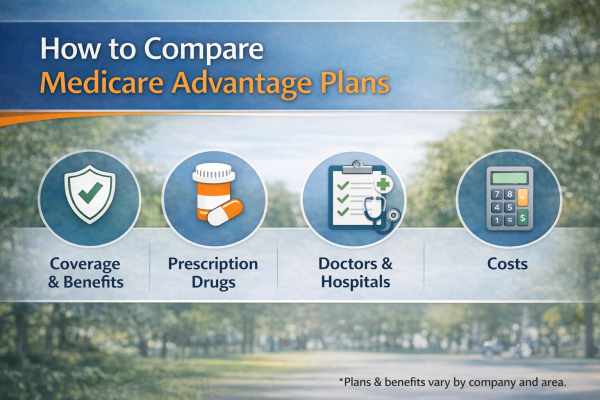
How to Use Our Program to Explore Medicare Choices
Our program is designed to assist you in exploring Medicare choices with ease. By focusing on your unique needs and budget, we guide you through understanding different plans. This is crucial for those with limited income, as it ensures access to the best benefits and options available. Initially, familiarize yourself with the basic elements of Medicare, including Part D and the array of support programs accessible. Our tool simplifies comparison, helping you weigh the benefits and limitations of each choice. As you progress, we provide insights on tailoring Medicare options to align with your healthcare needs. It’s paramount to consider how programs like Extra Help can enhance your coverage, providing financial relief through reduced premiums and co-payments. By using our program, you become empowered to explore and make decisions with confidence, ensuring you take full advantage of all potential benefits. Remember, understanding your Medicare choices is a journey, and our program is here to support you every step of the way.
Understanding Medicare Part D and accessing the help you need is important for managing your healthcare costs. Remember, you can always enter your ZIP code on our site to explore Medicare options that fit your needs. If you have questions, we’re here to help. You may give us a call for personalized assistance as soon as our phone number becomes available. We are dedicated to supporting you in making informed healthcare decisions. By knowing your options, you empower yourself to gain the care and resources you deserve.
Compare plans and enroll online
Frequently Asked Questions
What is Medicare Part D?
Medicare Part D is a program designed to help cover the costs of prescription drugs for Medicare beneficiaries. It offers various plans that include a list of medications covered, which can include both generic and brand-name drugs for a range of health conditions.
What is the Extra Help Program?
The Extra Help Program, also known as the Low-Income Subsidy (LIS), provides financial assistance to Medicare beneficiaries with limited income. It reduces premiums, deductibles, and copayments associated with Medicare Part D, making prescription medications more affordable.
How do I qualify for the Extra Help Program?
Eligibility for the Extra Help Program is based on specific income and resource limits. Generally, your home and car are exempt from these limits. You need to provide documentation of your income and resources when applying through the Social Security Administration.
How can the National Council on Aging (NCOA) assist seniors with Medicare?
The NCOA offers resources like the BenefitsCheckUp® tool, which helps seniors explore financial assistance programs. This tool can guide individuals through identifying benefits they are eligible for, ensuring access to necessary healthcare services.
How do I apply for the Extra Help Program?
To apply for Extra Help, gather your financial documents and submit an application through the Social Security Administration. This can be done online, in-person, or by mail. The process ensures critical financial assistance reaches those who need aid in managing Medicare Part D costs.
Have Questions?
Speak with a licensed insurance agent
1-855-398-0716
TTY users 711
Mon-Fri: 8am-9pm ET
Find & Compare Plans Online
ZRN Health & Financial Services, LLC, a Texas limited liability company

Russell Noga is the CEO of ZRN Health & Financial Services, and head content editor of several Medicare insurance online publications. He has over 18 years of experience as a licensed Medicare insurance broker helping Medicare beneficiaries learn about Medicare, Medicare Advantage Plans, Medigap insurance, and Medicare Part D prescription drug plans.