Prescription drug costs can add up quickly for seniors on Medicare. Understanding how to save on these expenses is important for staying within your budget. This page offers simple tips to help you lower your Medicare Part D costs. Learn about ways to compare plans, explore generic drug options, and take advantage of savings programs. By following these suggestions, you can make informed choices and potentially reduce your out-of-pocket expenses. Read on to discover practical advice that could ease the burden of prescription costs and support your health needs.


Compare Medicare Plans
Compare plans and costs in your area





Tips for Lowering Medicare Part D Costs
Key Highlights
- Medicare Part D lowers prescription costs, offering plans through private insurers for flexible coverage.
- Generic medications are lower-cost, effective alternatives to brand-name drugs under Medicare Part D.
- GoodRX offers discounts and coupons to save further on prescription medication costs.
- Medicare Extra Help provides financial aid for Part D costs to those who qualify.
- Preferred pharmacies in Medicare networks often offer reduced rates for medications.
Compare plans and enroll online
Understanding Medicare Part D
Navigating Medicare Part D can be a bit overwhelming, but it’s an essential part of managing your healthcare costs. Medicare Part D specifically covers prescription drug costs, providing options that suit different medical needs and budgets. It helps bridge the gap left by Original Medicare’s limited prescription coverage. In the upcoming sections, we’ll delve into what Medicare Part D entails and how it plays a crucial role in helping seniors manage their prescription drug needs effectively and affordably.
What Is Medicare Part D?
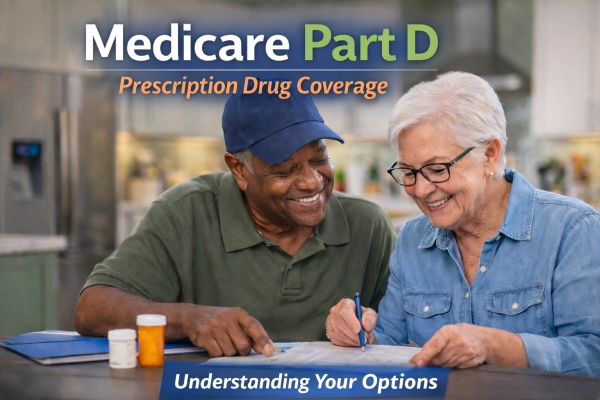
Medicare Part D is a federal program that helps cover the cost of prescription drugs. Established in 2006, it was designed to aid Medicare beneficiaries in managing their medication expenses. It’s offered through private insurance companies approved by Medicare, allowing for some flexibility as each company offers its own plan, varying in cost, coverage, and network restrictions.
The program offers a way to access necessary medications and manage drug costs efficiently. Enrollment in Medicare Part D is optional, but for those who need regular prescription medications, it can be a valuable addition to their healthcare coverage. You can usually enroll during your initial Medicare enrollment period, the annual open enrollment period, or a special enrollment period if you qualify.
Every Medicare Part D plan features a formulary, a list of medications the plan covers. Formularies categorize drugs into tiers that affect your copayment or coinsurance. Typically, generic drugs fall into lower tiers with lower costs, while brand-name and specialty drugs are placed in higher tiers with potentially higher costs.
It’s crucial to compare plans annually, as formularies and costs can change. By reviewing your options carefully, including drug plans, you can find one that aligns with your prescription drug needs and financial situation. Staying informed about your Medicare Part D plan choices is key to making the most of your benefits.
How Part D Helps With Drug Coverage
Medicare Part D plays an integral role in reducing the burden of prescription costs for seniors. By selecting a plan that includes the medications you need, you can significantly lower your out-of-pocket expenses. One of the standout features of Part D is its coverage of both generic and brand-name prescriptions, offering a range of options suitable for every budget.
Each plan has a set monthly premium, which varies based on the specific plan’s coverage. In addition to premiums, you’ll encounter other costs such as deductibles, copayments, or coinsurance. However, strategically selecting a Part D plan tailored to your needs can ease these costs. Some plans might offer low or zero deductibles or flat-rate copayments for specific medications.
Part D also provides a safety net through the coverage gap, commonly known as the “donut hole.” This gap starts after you and your plan have spent a certain amount of money. Until recently, this could significantly increase your costs temporarily, but due to the Affordable Care Act, discounts are now available within this phase, reducing financial strain until catastrophic coverage kicks in.
For many, the benefit of Medicare drug plans is not just in cost savings but also in the predictability it brings to managing drug costs year after year. Understanding and leveraging Medicare Part D effectively can empower you to make well-informed decisions about your drug coverage, allowing you to maintain your health and financial stability.
Ways to Lower Prescription Drug Costs
Controlling drug costs is a vital part of managing your healthcare budget, particularly when it comes to prescription medications under Medicare Part D. Here, we’ll explore practical strategies for reducing these costs, ensuring you receive the medications you need without unnecessary financial stress. Considering generic medications and utilizing discount opportunities like GoodRX are just a couple of ways you can achieve better medicare savings. These options are designed to help lower your medication costs while fitting into your Medicare plan, empowering you to save effectively.

Consider Generic Prescription Medications
Opting for generic prescription medications can be a wise strategy to lower your out-of-pocket costs under Medicare Part D. Generics are essentially the twin siblings of brand-name drugs; they use the same active ingredients and are required by the FDA to meet strict standards for safety, strength, quality, and performance. Despite their efficacy, generics come at a fraction of the cost of brand-name drugs. This is largely because generic manufacturers don’t have the investment of time and money the original developer incurred for research, development, and marketing. By including more generic drugs in your medication regimen, you can potentially save significantly on drug costs.
Keep in mind that each Medicare Part D plan features a formulary that lists the medications it covers, often organized in tiers. Typically, generics are placed in lower tiers, which means they come with lower copayments or coinsurance compared to brand-name drugs found in higher tiers. Check your plan’s formulary to see if your medications have a generic option and consult with your healthcare provider about switching where applicable. By harnessing the power of generics, you can effectively lower medication costs and stretch your budget further.
Another advantage of using generics is their widespread availability. Pharmacies commonly stock generic alternatives, making it easier for you to fill your prescriptions without searching high and low. Many Medicare Part D plans also encourage the use of generics by offering reduced copayments, making it a win-win for both your health and finance. While the decision to switch should always involve a conversation with your healthcare provider, exploring generic options is a practical step towards more manageable drug costs under your Medicare plan.
Explore Available GoodRX Discount Opportunities
GoodRX is an invaluable tool that can help save on your Medicare Part D prescription medications. It’s a free service that provides coupons and discounts for various drugs by partnering with different pharmacies across the country. Often, you can find substantial discounts on your prescription drugs, augmenting your savings beyond what your Medicare plan covers. These savings can be particularly beneficial if you have medications not fully covered by your drug plan or if you’re within the coverage gap period, often referred to as the “donut hole.”
Using GoodRx couldn’t be easier. Simply search for your prescription drugs on the GoodRx website or mobile app, where you’ll find a list of prices and discounts available at nearby pharmacies. Present the GoodRX coupon to your pharmacist to avail the reduced price. Even when you’re enrolled in a Medicare Part D plan, GoodRX can complement your coverage by offering lower prices, allowing you to save more. This is especially helpful if a drug you need isn’t on your plan’s formulary or if you’re paying a high deductible.
GoodRX also stands out for its educational resources, guiding you on how to discuss with your healthcare provider about cost-effective alternatives or potential generics. Combined with its discount features, it aids in ensuring your medication costs remain as low as possible while maintaining your health. By exploring GoodRX discount opportunities, you can further lower your costs with minimal effort. Remember, understanding and utilizing all available resources, including Medicare coverage and GoodRx, can provide comprehensive financial relief for your prescription expenses.
To keep discovering ways to save on your Medicare options, compare plans by entering your ZIP code on our site. Personalized help is also available when you call us, ensuring you make informed decisions effortlessly.
Unlock Your Savings Potential with GoodRX
- Price Comparisons on the Go: Use the GoodRX app to instantly compare prescription prices anytime, anywhere, ensuring you never miss a deal.
- Investigate Formulation Options: Search for various formulations or dosages of your medication. Sometimes, a different version might come at a better price!
- Stay Updated with New Deals: Make it a habit to check GoodRX regularly for the latest coupons and offers. Prices and promotions can change frequently.
- Double Up on Discounts: Maximize your savings by combining GoodRX discounts with other pharmacy loyalty programs you might be enrolled in.
- Consult Your Pharmacist: Open a dialogue with your pharmacist about possible savings through GoodRx. They might offer additional insights or options.
- Consider Generic Options: Look for generic versions of your prescriptions using GoodRx. These alternatives often come at significant savings.
Implement these strategies to fully leverage GoodRX and ease your medication expenses.
Find & Compare Plans Online
Reviewing Your Prescription Medications Needs
Understanding your prescription medications needs is crucial when managing your Medicare Part D plan. By evaluating what medications you use, you can tailor your drug coverage to fit your lifestyle and healthcare requirements. Reviewing your evidence of ongoing prescriptions helps you pinpoint the appropriate plan to match your medical and budgetary expectations. Properly aligning your needs with the right plan not only helps manage costs but ensures access to necessary medications throughout the year.

How To Choose the Right Coverage for Your Needs
Choosing the right drug coverage to lower prescription medication costs starts with a thorough review of your prescription medications list. Each year, your health needs might change, which means the prescriptions you’re taking might also vary. It’s essential to keep an updated list and compare it against what is available in your plan. Look into your current plan to understand which prescriptions are covered and identify any that might not be on the formulary. This evaluation ensures you won’t face unexpected costs or gaps in medication coverage during the year.
When deciding on a plan, it’s essential to consider the medication costs associated with each option. Plans categorize prescriptions into different tiers, with generic medications usually occupying the lower-cost tiers. If a brand-name drug you use is placed in a higher tier, the cost could be significantly higher. Thus, considering generics can be a cost-saving move. Review your evidence of existing prescriptions to explore whether switching to generics could lower costs without compromising your treatment effectiveness.
It’s also vital to reflect on your medical history and upcoming healthcare needs. If you anticipate changes in your prescriptions, consider if your plan gives flexibility for adjustments, like adding new medications. Compare plans that cover a broader range of potential medications or offer more comprehensive drug coverage to avoid switching plans mid-year due to insufficient coverage.
Moreover, leverage tools and resources to lower your costs further. Services like GoodRX offer pricing and discount information that can augment your plan’s benefits, especially for medications not fully covered by your plan. Balance your plan’s premiums, deductibles, and out-of-pocket costs against these external savings opportunities to develop a holistic cost-management strategy.
Ultimately, the aim is to ensure that your drug plan provides comprehensive coverage for your prescriptions and supports your healthcare goals affordably. Align your plan selection with your personal medical needs and financial capabilities by reviewing your prescription medication needs thoroughly. By doing this, you empower yourself to manage your Medicare Part D plan effectively now and in the future.
State and Federal Assistance Programs
When it comes to managing Medicare Part D prescription costs, exploring available state and federal assistance programs can be a game-changer. These programs are designed to help low-income seniors and individuals with limited resources to afford their necessary medications. Whether through state-specific initiatives or broader federal assistance, such resources help alleviate the financial burden of healthcare. Delving into these options can reveal valuable support for those struggling to cover their prescription costs, making it essential to understand what’s available and how to qualify.
| Program Name | Eligibility Criteria | Benefits Provided | Application Process |
|---|---|---|---|
| Medicaid | Low-income individuals and families | Comprehensive healthcare coverage | Apply through state Medicaid office |
| Extra Help (LIS) | Medicare beneficiaries with limited income | Reduced out-of-pocket costs for Medicare Part D | Apply online via SSA or submit paper application |
| Medicare Savings Program | Individuals with incomes below a specified threshold | Helps pay for Medicare premiums and more | Contact state Medicaid office for application |
This table highlights the crucial aspects of state and federal assistance programs, offering an accessible overview for those seeking to manage their Medicare Part D costs.
Qualification for Medicare Extra Help
Medicare’s Extra Help program is an invaluable resource for those needing financial assistance with Part D prescription drug costs. This federal assistance program aids individuals in managing out-of-pocket expenses like premiums, deductibles, and copayments associated with Medicare drug coverage. Qualifying for Extra Help can significantly reduce what you pay for prescriptions, which means exploring your eligibility is a smart move if you’re on a limited budget.
To qualify for Medicare Extra Help, your income and resources need to fall below certain thresholds. Specifically, it’s designed for individuals whose income does not exceed $20,385 as a single person or $27,465 for married couples living together. Additionally, the resources you own, which include bank accounts, stocks, and bonds, but not your home or car, must be under specific limits. These thresholds are updated annually, so it’s wise to check the latest figures to see if you fit the criteria.
Finding qualification information is straightforward. Medicare’s website provides detailed guidance on qualifying, or you can contact the Social Security Administration for personalized assistance. Applying for Extra Help can be done through the Social Security website, in person at your local office, or via telephone. The process typically involves providing documentation of income and resources, but the effort could lead to substantial savings on your prescription costs.
Beyond federal options, check whether your state offers additional assistance programs. Some states have Medicare Savings Programs (MSPs) that may help pay for Medicare Part B premiums, crucial for those who need comprehensive healthcare support. Coupled with Extra Help, state programs ensure even broader coverage, addressing various areas of financial need. Each program has its own set of qualifications, often requiring slightly different income and resource limits, so it’s crucial to research both federal and state-specific criteria.
Utilizing assistance programs like Medicare Extra Help fosters a significant reduction in prescription expenses for those who qualify. The financial relief provided by these programs allows individuals to focus on maintaining their health rather than worrying about costs, providing a comprehensive safety net for eligible seniors. As you weigh your Medicare choices, it’s worth considering these assistance options to manage your healthcare budget effectively.
To keep discovering ways to save on your Medicare options, compare plans by entering your ZIP code on our site. Personalized help is also available when you call us, ensuring you make informed decisions effortlessly.
Choosing the Best In-Network Pharmacies for Medicare
Finding the right in-network pharmacies can make a world of difference when managing your Medicare Part D costs. Preferred pharmacies often offer lower prices for prescription medications, allowing you to save more and make your healthcare budget stretch further. This section explores how selecting preferred pharmacies contributes to savings and helps you maximize your benefits. We’ll delve into the advantages of working with these preferred establishments and how they’d assist in making your Part D plan more effective in managing your prescription expenses.
Benefits of Selecting Preferred Pharmacies
Selecting a preferred pharmacy can yield significant benefits for those enrolled in a Medicare Part D plan. Preferred pharmacies are part of a plan’s network, offering discounted rates compared to non-preferred, or “standard,” network pharmacies. These discounts can lower your out-of-pocket costs considerably over time. When searching for savings, it’s crucial to find out if your pharmacy is on the preferred list, as this can make a substantial difference in your prescription spending.
Preferred pharmacies often provide medications at reduced copayments or coinsurance. This arrangement allows pharmacies to offer medications at better rates, meaning seniors can access their required drugs at more affordable prices. These savings can add up, especially if your medication regimen involves multiple prescriptions. By utilizing the resources available within your plan, such as preferred pharmacies, you’re taking proactive steps to manage and potentially decrease medication costs.
Being strategic about which pharmacies you use goes beyond just cost savings. Preferred pharmacies might also offer additional customer service benefits like extended hours, delivery services, or medication management programs that help reduce medication errors and improve adherence. Picture it as a supportive hand, guiding you through your medication plan while ensuring you’re receiving your prescriptions promptly and accurately.
Another benefit is that preferred pharmacies often feature tier-based pricing, benefitting from reduced costs especially for generic medications. When your prescriptions fall into lower tiers, you pay less in copayments. Preferred arrangements usually align with these tiers, providing even greater benefits. It’s about getting the most out of your Part D plan while ensuring you maintain the best possible access to your medications.
By consistently leveraging preferred pharmacies, you not only keep your prescription drug expenses in check but also increase the likelihood of staying healthy and fully compliant with your medical needs. This alignment fosters better overall health management while reducing unnecessary concerns over costs. As you explore your Medicare options, remember that choosing the right pharmacy is integral to maximizing Part D plan savings.
To keep discovering ways to save on your Medicare options, compare plans by entering your ZIP code on our site. Personalized help is also available when you call us, ensuring you make informed decisions effortlessly.
Lowering your Medicare Part D costs doesn’t have to be difficult. With these tips, you can find ways to save on your prescription drugs and manage expenses. For more options, enter your ZIP code on our site and explore different Medicare plans. You can also talk to one of our knowledgeable representatives when our phone line is open. We’re here to help you make informed decisions about your Medicare coverage so you can feel confident in your choices.
Compare plans and enroll online
Frequently Asked Questions
How can I lower my Medicare Part D costs?
You can compare available plans annually to find one that best meets your medication needs. Consider exploring generic drug options, utilizing resources like GoodRx for discounts, and checking if you qualify for financial aid programs such as Medicare Extra Help.
What is Medicare Extra Help and who qualifies?
Medicare Extra Help is a federal program that assists with Part D prescription drug costs for those with lower income. To qualify, a single person’s income should not exceed $20,385 annually, with similar threshold limits for resources, such as bank accounts, stocks, and bonds.
What role do generic medications play in controlling costs under Medicare Part D?
Generic medications are usually more affordable than brand-name drugs. They are placed in lower-cost tiers in a plan’s formulary, which can lead to lower copayments and coinsurance, helping you manage your medication expenses more efficiently.
How do preferred pharmacies impact Medicare Part D costs?
Preferred pharmacies often provide medications at lower prices because they are part of a plan’s approved network. Choosing these pharmacies can lead to reduced copayments and overall cost savings on prescriptions under your Medicare Part D plan.
How can GoodRX help save money on prescription medications?
GoodRX offers coupons and discounts for various medications, often providing prices lower than the standard plan rates. This can be beneficial for prescriptions not fully covered by your Medicare Part D plan, especially within the coverage gap period.
Have Questions?
Speak with a licensed insurance agent
1-855-398-0716
TTY users 711
Mon-Fri: 8am-9pm ET
Find & Compare Plans Online
ZRN Health & Financial Services, LLC, a Texas limited liability company

Russell Noga is the CEO of ZRN Health & Financial Services, and head content editor of several Medicare insurance online publications. He has over 18 years of experience as a licensed Medicare insurance broker helping Medicare beneficiaries learn about Medicare, Medicare Advantage Plans, Medigap insurance, and Medicare Part D prescription drug plans.