Understanding how Medicare Part D formularies work is key to managing your prescription drug needs. Part D plans use formularies, which are lists of covered medications. Knowing what’s included helps you make informed choices and saves time. Our guide breaks down formulary tiers, explanations of the terms, and steps to check your drug’s coverage. Whether you’re a senior or caregiver, we’ll help you navigate these lists so you ensure access to the medicine you need. Dive in to learn more about maximizing your Medicare Part D benefits.

Compare Medicare Plans
Compare plans and costs in your area






Understanding Medicare Part D Formularies
Key Highlights
- Medicare Part D formularies list medications each plan covers, affecting drug costs for seniors.
- Prescription drugs are categorized into tiers, influencing out-of-pocket expenses under Part D plans.
- Generic drugs typically cost less and fall into lower tiers compared to brand-name drugs.
- Regularly checking plan formularies helps manage drug costs and avoid coverage surprises.
- If a drug isn’t covered, explore alternatives or request plan exceptions for needed medications.
Compare plans and enroll online

What is a Medicare Part D Formulary?
A Medicare Part D formulary is a crucial part of your prescription drug plan that helps you understand medicare better by detailing which medications are covered. Each plan has its own formulary, which is a list of drugs that a Medicare drug plan covers. These formularies form a reference for figuring out which prescription drugs are available and at what costs. By identifying whether generic or brand-name medications are on your plan’s formulary, you can make informed decisions about your drug coverage. Making sense of these formularies empowers you to navigate drug plans effectively.
Understanding Medications and Coverage
Understanding medications and coverage is essential in choosing the right Medicare Part D plan. Each plan has a different formulary, making it vital to comprehend how prescription drug coverage works. Prescription drug formularies categorize drugs into tiers, impacting the costs you’ll pay for your medications. Typically, lower tiers include generic drugs, which cost less, while higher tiers cover brand-name drugs, which can be more expensive. Knowing which tier your medications fall into helps manage costs effectively. Resources are available to help find which drugs a plan covers and at what tier level. A formulary reference can aid in ensuring your prescription medications are covered.
Moreover, it’s crucial to check a drug plan’s formulary regularly, as coverage can change annually. Understanding changes aids in budgeting for drug plans and maintaining effective drug coverage. If a needed prescription drug isn’t on the formulary, explore alternatives or generic options with your healthcare provider. This proactive approach ensures your medication needs are met and enhances your understanding of each drug plan’s coverage. With these insights, navigating the Medicare landscape becomes empowering and less stressful, allowing informed decisions about your prescription drug needs.
Medicare Part D Prescription Drug Tiers
Understanding Medicare Part D prescription drug tiers can help you navigate your drug coverage options with confidence. These tiers categorize drugs based on cost and type, affecting how much you’ll pay for prescriptions. Typically, Medicare Part D drug plans organize medications into multiple tiers, each with varying copayments or coinsurance. Generic drugs often fall into lower tiers, making them more affordable. Higher tiers usually include brand-name drugs, which can cost more. By knowing how these tiers work and their impact on your drug plans, you’ll find it easier to manage costs and ensure the medications you need are covered.
Different Levels of Coverage Explained
When enrolling in a Medicare Part D plan, understanding the different levels of coverage is key. Drug plans use a formulary, a list of covered drugs, to organize medications into tiers. These tiers determine the out-of-pocket costs you’ll pay for each prescription. Typically, there are several tiers: Tier 1 covers preferred generic drugs, which tend to be the most affordable. Tier 2 includes non-preferred generic drugs, usually at a higher cost. Tier 3 and above might include brand-name drugs, with much higher copayments or coinsurance. The cost difference between tiers can be significant, so it’s essential to know where your prescriptions fall.
Your coverage can also vary year by year, as plans update their formulary and tier list during enrollment periods. It’s advisable to check each year how your drugs are categorized. Resources like the government’s Medicare website and plan-specific guides can help you find out if your medications are included and what your costs will be. This way, you’re prepared for any changes in your drug coverage during the year. Exploring the breakdown of these tiers can arm you with the knowledge needed to make informed decisions about your plan’s coverage.
Brand-Name Drugs vs. Generic Drugs
Choosing between brand-name drugs and generic drugs can significantly impact your prescription costs under Medicare Part D. Understanding the differences helps navigate drug coverage effectively. Brand-name prescription drugs, typically located in higher tiers of your plan’s formulary, often come with higher costs due to extensive research and development investments. Alternatively, generic drugs offer more affordable options without compromising effectiveness, as they contain the same active ingredients as their brand-name counterparts. By learning about these distinctions and where your medications fall in the formulary, you can make informed choices about your healthcare needs.
How Costs Differ for Prescriptions
When evaluating Medicare Part D plans, it’s essential to understand how the costs of brand-name drugs and generic drugs differ. Each plan’s formulary lists drugs organized into tiers that influence the cost you’ll pay. Typically, generic drugs are placed in the lower tiers, leading to reduced copayments and coinsurance. This makes managing your budget easier, while still accessing necessary medications. On the other hand, brand-name drugs, often placed in higher tiers, result in higher out-of-pocket expenses due to increased copayments and coinsurance. This cost variation arises from the original brand’s investment in research, development, and marketing, compared to generic drugs, which skip these initial expenses.
Medicare Advantage and Part D plans offer a range of options, making it crucial to continuously review updates to the formulary, especially as these lists evolve each year. By checking which tier your prescriptions fall into annually, you’ll stay informed about potential changes to your drug coverage. This proactive approach empowers you to select plans that align with your budget and coverage needs, avoiding unexpected costs. Resources are available to help, whether you’re exploring a drug plan for the first time or adjusting due to formulary changes. Embracing this knowledge helps you navigate Medicare with confidence, ensuring your medications remain both accessible and affordable.

What Medications Are Covered Under Medicare Formulary?
Medicare Part D plan formularies detail what prescription drugs are covered, helping beneficiaries understand their prescription drug coverage under Medicare. Each plan formulary is a carefully designed drug list that includes the medications available through your prescription plan. Understanding which prescription medications are on your plan’s formulary is crucial for avoiding surprises at the pharmacy. By learning how these lists are organized and updated, you can better manage your prescription needs and align your medications with a plan that supports your health and budget necessities.
Inclusion of Common Prescription Drugs
Medicare Part D plans typically include many common prescription drugs in their formularies. These plans create a comprehensive drug list, featuring both brand-name and generic prescription medications necessary for various health conditions. The inclusion of drugs depends on several factors, like effectiveness, cost, and alternative options available. Plans try to cover drugs extensively used for chronic conditions such as high blood pressure, cholesterol, diabetes, and more. This allows most beneficiaries to find the bulk of their needed medications within their plan.
It’s important to check if your specific medications are included in the formulary of the plan you’re considering during enrollment. Formularies serve as a formulary reference, guiding you to the drugs covered under different plans. Accessing such resources helps you find and verify the specific prescription drugs you rely on. Regularly updating your knowledge on formulary changes ensures you’re always prepared for any shifts in drug coverage. With a detailed plan, guided by the Medicare website or a plan’s resources, finding the right coverage fit becomes much simpler.
Every year, drug plans might adjust their formulary, adding new drugs or removing others. This highlights the need to stay informed about your specific plan’s medications. If new options become available, you may find more cost-effective generic alternatives for your prescribed brand-name drugs. Proactively exploring changes helps maintain your drug coverage smoothly, ensuring your health needs continue to be met effectively without unexpected costs. Having a detailed understanding of these formulary inclusions aids in making cost-effective and health-conscious decisions when managing your prescription drug needs.
Find & Compare Plans Online
What Medications Are Not Covered Under Medicare Formulary?
While Medicare drug plans provide extensive coverage, understanding what isn’t covered is equally essential. Formularies list covered drugs, but exclusions exist. Some drugs, such as those for cosmetic reasons, fertility treatments, or certain vitamins, are typically not included. Knowing these exclusions helps in planning your prescription needs. Restrictions also affect coverage, impacting how certain medications are accessed. Understanding these exclusions and restrictions helps you work with your healthcare provider to find covered alternatives. This knowledge also prepares you if your needed medication isn’t included. Let’s delve into the specifics of these exclusions and restrictions.
Understanding Exclusions and Restrictions
Medicare’s prescription drug coverage offers a list of medications through its formulary to cater to diverse healthcare needs. However, it’s equally important to recognize what is excluded. Common exclusions include drugs for cosmetic purposes or weight loss as they fall outside medical necessity under typical standards. Fertility medications and some over-the-counter treatments also aren’t covered since they’re not integral to broad health needs. These exclusions help manage costs while allowing Medicare to fund essential treatments broadly. Recognizing these limitations ensures better management of your prescription requirements.
Restrictions within the Medicare formulary can also alter drug accessibility. Certain drugs might require prior authorization, which involves getting approval before the plan covers the drug. Another restriction might be quantity limits, controlling how much of a drug you can receive at a time. This ensures safe use but may necessitate extra steps if your dosage needs differ. Step therapy is another common restriction, requiring you to try a lower-cost drug before accessing a higher-tier option.
Understanding how these restrictions and exclusions interact empowers seniors to collaborate effectively with healthcare providers, ensuring their medication regimen remains uninterrupted and consistent with their Medicare plan’s terms. Keeping informed aids in navigating these aspects, ensuring comprehensive drug coverage without unexpected hurdles.
What If My Prescription Drug Is Not On The Formulary?
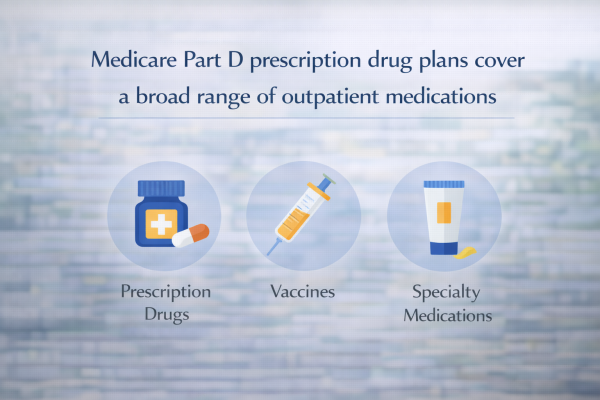
Sometimes, you might find that a prescription drug you need isn’t on your Medicare Part D formulary. This can be frustrating, but it’s important to know there are steps to address this. A formulary is a list of covered drugs that each Medicare drug plan provides. If your prescription isn’t listed, it could mean higher costs or the need to explore alternatives. Understanding Medicare and how these lists work helps you navigate these challenges while staying informed about your drug coverage options. Let’s discuss what steps to take next for your medication needs.
Steps to Take for Your Medication Needs
If you discover that your medication isn’t on your plan’s formulary, don’t worry. Start by contacting your plan provider directly. They can confirm whether the drug is excluded or suggest covered alternatives that fit within the formulary. Sometimes your provider may offer a list of similar drugs that are covered under your specific drug plan. If these alternatives aren’t suitable, you might consider working with your healthcare provider to find other options. Your doctor can check the tiers of covered drugs to find a fit for your needs and budget.
In cases where a medication is essential, you can request an exception from your Medicare plan. This involves submitting a request form, often with your doctor’s help, explaining why no alternative will work for your situation. Keep in mind that the decision can take some time, so it’s advisable to start early. Meanwhile, resources such as Medicare’s official website and related gov resources can be valuable for understanding the specifics of your drug coverage and learning more about how formularies function. Staying proactive ensures you can manage costs effectively and keep your medication needs aligned with your coverage.
Utilizing available support, like contacting Medicare directly, can also offer guidance and possible resolutions if you encounter enrollment issues or specific drug list queries. Remember, being informed about your options can turn an unexpected formulary exclusion into an opportunity to learn and adjust, ensuring your health care needs are continuously met. To aid in your comparisons, be sure to enter your ZIP code on our website and look for plans that suit your needs, with phone support available when our number is ready.
How to Check If A Medicare Part D Plan Covers Prescription Drugs
Making sure a Medicare Part D plan covers your prescription drugs is key in managing your healthcare needs. Each plan has its own unique formulary, a drug list that outlines which medications are covered. Checking these formularies is vital to ensure that meds you rely on are covered. This involves using resources like the government’s official Medicare site, plan brochures, and customer service lines to verify drug coverage. With a thorough understanding of these resources, you can find out which drugs are included and avoid any surprises when you visit the pharmacy.
Using Drug Lists for Verification
Drug lists, or formularies, are central to figuring out what’s covered under your Medicare Part D plan. These lists categorize prescription drugs into different tiers based on cost and type. To verify if your meds are covered, you’ll want to start by locating the plan’s formulary through available resources. The government’s Medicare website is a reliable place to access this information, along with paper resources given during enrollment. From here, you can compare the drugs you need to the plan’s drug list, checking for their presence and tier placement.
Each tier in a formulary typically indicates how much you’ll pay out-of-pocket. Generic drugs usually sit in lower tiers, meaning they’re often more affordable. Higher tiers might contain brand-name drugs, with possibly higher costs. By understanding which tier your medications belong to, you can better manage your expenses throughout the year. If your drug isn’t covered, you might need to discuss alternative meds with your healthcare provider or ask your plan for exceptions, especially if a drug is medically necessary.
Some drug plans may also require special steps like prior authorization or offering step therapy (trying less costly options first), which you’ll learn about through the drug list. Learning how to navigate these requirements can assure you’re prepared to handle restrictions and coverage gaps. All in all, using these drug lists as a reference creates transparency, enabling you to make informed decisions about your coverage, so start by using the resources available to your advantage in your Medicare Part D journey.
| Resource | Purpose | Type of Information | Action Needed |
|---|---|---|---|
| Medicare Website | Access formulary | Formulary details | Visit website |
| Plan Brochures | Provide detailed drug plan info | Enrollment guidelines | Review materials |
| Customer Service | Clarify coverage details | Coverage assistance | Call support line |
| Local Medicare Office | Offer in-person support | Plan comparisons | Schedule appointment |
This table encapsulates essential resources and steps for verifying drug coverage under Medicare Part D plans.
Managing Out-of-Pocket Prescription Costs
Navigating out-of-pocket prescription costs under Medicare Part D requires a strategic approach. By understanding your plan’s formulary, you can effectively manage expenses tied to your prescription drugs. Each drug plan under Medicare has a unique list of covered medications, categorizing them into different tiers, which affects how much you’ll pay. Exploring your options for generic alternatives or formulary exceptions can help keep these costs in check. Medicare Advantage plans also offer integrated drug coverage, providing a comprehensive approach to managing expenses. With access to the right resources, you can find effective strategies to alleviate the financial burden of prescriptions.
Tips for Reducing Expenses
Reducing your prescription costs starts by examining your current drug plan’s formulary. The formulary organizes drugs into tiers, influencing the amount you’ll spend out-of-pocket. Investigate if your necessary medications have generic equivalents, as these are usually found in lower tiers, resulting in lower costs. When choosing your plan, aim to find one that aligns well with your prescriptions and offers reasonable deductibles and tier structures. For brand-name drugs, check if any lower-cost alternatives are covered that can meet your health needs efficiently.
If your medication isn’t on the formulary, consider requesting an exception through your provider. Your doctor can help by submitting necessary documentation to your Medicare plan, explaining the necessity of a specific prescription drug. This process can take time, so start early. Regularly check formulary updates provided by your plan as drug lists can change annually, impacting coverage and costs. Resources like the Medicare official site and other gov services offer guidance on navigating these aspects, helping you understand current rules and practices.
Medicare Advantage plans with drug coverage might also present a broader range of covered drugs and different cost structures, providing an alternative worth exploring. Balancing your medication needs with your financial plan can be empowering when managed proactively. By staying informed about various resources and exploring different drug plans, you can manage your healthcare costs while keeping your prescriptions accessible and affordable. To ease your decision-making, enter your ZIP code on our site to compare available Medicare drug plans and for personalized assistance once our phone line is active.
Continue your journey to efficiently manage medication expenses with the following strategic steps:
- Compare several drug plans to find a match that fits your prescription and budget requirements.
- Use online tools to evaluate the effectiveness of potential Medicare Advantage plans.
- Reach out directly to insurance providers for precise information on coverage details.
- Consider medication management apps for reminders and local pharmacy deals.
- Participate in community programs offering medication workshops and cost-saving tips.
- Review your medication regimen with your doctor for possible changes or updates.
- Stay updated with newsletters from trusted health organizations on industry changes.
These suggestions will assist you in further reducing costs and maintaining control over your medication expenses.

Conclusion
As we wrap up our journey through Medicare Part D formularies, it’s important to remember how crucial these resources are in shaping your drug coverage. Understanding the formulary list helps in finding the right plan to fit your prescription needs. Regularly reviewing your Medicare plan’s formulary is essential, as changes occur each year, affecting drug coverage and cost. By taking the time to find and understand these details, you can make informed choices about your healthcare and maximize your Medicare benefits. Keep this guide handy as a reference as you continue to navigate your Medicare options confidently.
Next Steps for Understanding Your Options
Now that you have a solid grasp of Medicare Part D formularies, it’s time to put that knowledge to use. Begin by reviewing your current drug plan’s formulary list to ensure your essential prescriptions are covered. This is a critical step in understanding Medicare drug coverage and managing costs. Utilize official resources like the government’s Medicare site or plan-specific guides to find the most up-to-date formulary information. Remember, each Medicare Advantage or Part D plan can differ significantly, so compare options carefully during the enrollment period.
For those exploring new plans, familiarize yourself with key details such as tiers and drug lists. Determine if your medications are listed, and at what cost level. Look for generic options whenever possible, as these are generally more affordable and often placed in lower formulary tiers. If your medication isn’t covered, don’t hesitate to reach out to healthcare providers or your plan’s customer service for guidance on formulary exceptions or alternatives. Such measures can ensure you receive necessary treatments without unexpected expenses.
Stay proactive and informed about changes in your Medicare plan’s formulary. Doing so not only saves money but ensures your healthcare needs are consistently met. If you need further clarity or assistance, remember that helpful resources are just a call away. By entering your ZIP code on our site, you can find and compare Medicare drug plans, or call us for personal guidance when our line is available. This support can make all the difference in maintaining effective, manageable drug coverage tailored to your health and budget needs.
Medicare Part D plans offer essential prescription drug coverage but understanding formularies is crucial. Take time to explore your options to fit your medical and financial needs. Our easy-to-use online tool lets you enter your ZIP code to compare plans tailored to your area. For personalized assistance, you can also call us once our phone number becomes available. Empower yourself with confidence by knowing your Medicare Part D options.
Compare plans and enroll online
Frequently Asked Questions
What is a Medicare Part D formulary?
A Medicare Part D formulary is a list of prescription drugs covered by a Medicare drug plan. Each plan has a different formulary, organizing drugs into tiers that determine cost. Knowing what’s on your plan’s formulary helps manage drug expenses and ensure needed medications are covered.
How are drugs categorized in a Medicare Part D formulary?
Drugs in a Medicare Part D formulary are categorized into tiers. Lower tiers typically include generic drugs, which often have lower costs, while higher tiers comprise brand-name drugs, which may be more expensive. These categories affect how much you pay for the medications.
Why is it important to review your plan's formulary annually?
Each year, Medicare Part D plans may update their formulary, meaning changes in drug coverage and costs. Reviewing the formulary ensures you’re aware of any changes, helping you manage your healthcare and budget effectively.
What should you do if your needed medication isn't on the formulary?
If a required prescription isn’t on your plan’s formulary, consider asking your healthcare provider about alternatives or requesting a formulary exception from your plan. This involves documentation explaining why the specific drug is necessary for your treatment.
How can you check if a specific drug is covered by a Medicare Part D plan?
You can verify drug coverage by reviewing the plan’s formulary, which is available on the plan’s website or the official Medicare website. Comparing formularies can help find a plan that covers your prescribed medications.
Have Questions?
Speak with a licensed insurance agent
1-855-398-0716
TTY users 711
Mon-Fri: 8am-9pm ET
Find & Compare Plans Online
ZRN Health & Financial Services, LLC, a Texas limited liability company

Russell Noga is the CEO of ZRN Health & Financial Services, and head content editor of several Medicare insurance online publications. He has over 18 years of experience as a licensed Medicare insurance broker helping Medicare beneficiaries learn about Medicare, Medicare Advantage Plans, Medigap insurance, and Medicare Part D prescription drug plans.