Dealing with dry mouth, or xerostomia, can be uncomfortable and affect your oral health. This condition occurs when your mouth doesn’t produce enough saliva, which is crucial for keeping your teeth and gums healthy. In this guide, we provide simple and effective dental care tips tailored for managing dry mouth. By understanding ways to boost saliva production and maintain oral hygiene, you can reduce discomfort and protect your teeth, and learn how dental insurance for seniors can help pay for some of the costs. Explore practical solutions and start taking small steps towards improving your dental health today.


Compare Medicare Plans
Compare plans and costs in your area






Dental Care Tips for Dry Mouth
Key Highlights
- Xerostomia or dry mouth results from inadequate saliva, affecting oral health and comfort.
- Common causes include medications, aging, lifestyle habits, and medical treatments.
- Effective oral hygiene and hydration play crucial roles in managing dry mouth.
- Sugar-free gum and saliva substitutes can alleviate symptoms and improve oral health.
- Visit our site and enter your ZIP code for personalized Medicare plan comparisons.
Compare plans and enroll online

Understanding Xerostomia: What is Dry Mouth?
Dry mouth, clinically known as xerostomia, is a condition where the salivary glands don’t produce enough saliva, leading to a dry, parched feeling in the mouth. This can impact oral health, making everyday tasks like speaking and swallowing uncomfortable. Understanding the causes and symptoms of xerostomia can empower seniors and caregivers to manage this condition more effectively. In this section, we’ll explore common causes and signs to watch for, helping you to recognize and address dry mouth before it disrupts your quality of life.
Common Causes of Dry Mouth
Xerostomia can stem from a variety of underlying factors. One of the primary causes is gland hypofunction, where the salivary glands don’t operate at full capacity. This can be due to aging, as the natural process can sometimes slow down glandular activity. Dry mouth is also commonly associated with sjögren syndrome, an autoimmune disease that attacks salivary glands, leading to significantly reduced saliva production. Medications are another prevalent culprit; many prescribed drugs for chronic conditions list dry mouth as a side effect. It’s important to review medication lists with healthcare providers to determine if they might be contributing to xerostomia.
Certain lifestyle habits can exacerbate dry mouth conditions. Smoking or using tobacco products can significantly reduce saliva flow, while high alcohol consumption can dehydrate the body, intensifying symptoms. Additionally, recreational drug use, particularly methamphetamine, is known to cause severe dry mouth, or “meth mouth.” Environmental factors, such as living in a dry climate or being exposed to high temperatures, can also increase the likelihood of experiencing dry mouth symptoms.
Some medical treatments can inadvertently cause or worsen xerostomia. Radiation therapy for cancers in the head and neck region can damage salivary glands, reducing their function. Similarly, chemotherapy might alter the nature of saliva, leading to dryness. Recognizing these causes is vital for tailoring effective management strategies, allowing seniors and caregivers to better manage oral health influenced by xerostomia.
Signs and Symptoms You Might Notice
Detecting xerostomia early can prevent complications and maintain a balanced oral environment. Common signs include a persistent dry or sticky feeling in the mouth, necessitating frequent sips of water. A burning sensation or soreness, coupled with a cracked tongue, might also indicate reduced salivary output. Trouble speaking or hoarseness is another red flag, signaling the need for more saliva for proper vocal cord function.
You’ll often notice difficulty while swallowing dry foods, as saliva’s role in breaking down food is compromised. This might cause seniors to avoid certain textures, impacting their diet. Increased dental problems like cavities or gum disease can also point to insufficient saliva since saliva aids in neutralizing acids produced by bacteria in the mouth.
In more severe cases, individuals might experience altered taste, where flavors become less distinct or unpleasant. Dry nasal passages or sore throat might occur, worsening dry mouth symptoms. Importantly, seniors and caregivers should be aware of bad breath, an indication that the mouth isn’t cleansing itself properly. Recognizing these symptoms allows for prompt discussions with healthcare providers to seek solutions that improve moisture levels and enhance oral health.
Why Oral Hygiene is Important for Dry Mouth
Maintaining good oral hygiene is crucial for anyone, but it’s especially important for those experiencing dry mouth, or xerostomia. A dry mouth can increase the risk of dental issues since saliva helps protect teeth by neutralizing acid and washing away food particles. Poor oral hygiene in those with dry mouth can lead to cavities, gum disease, and other dental problems. Using tools like fluoride toothpaste and mouth rinse, along with effective brushing and flossing routines, can help. Managing oral health not only improves your mouth’s condition but also enhances your overall well-being.
| Oral Hygiene Tip | Purpose | Recommendation/Best Practice |
|---|---|---|
| Regular Brushing | Remove Plaque and Bacteria | Brush twice daily with fluoride toothpaste |
| Flossing | Remove Debris between Teeth | Floss once daily using gentle motions |
| Mouthwash Use | Moisturize and Refresh Oral Cavity | Choose an alcohol-free mouthwash designed for dry mouth |
| Hydration | Maintain Saliva Flow | Drink water regularly throughout the day |
| Chewing Sugar-free Gum | Stimulate Saliva Production | Opt for xylitol-containing gum for added benefits |
This table underscores the significance of adapting oral care practices to support individuals coping with dry mouth and its implications on overall health.
Effective Brushing and Flossing Techniques
Oral hygiene becomes even more essential when managing dry mouth as the absence of sufficient saliva increases the risk of dental issues. Brushing your teeth at least twice a day with fluoride toothpaste can aid in strengthening enamel and fighting cavities. Consider using a fluoride gel or a fluoride rinse as additional aids to provide protective layers over your teeth. These can be especially helpful in preventing dental decay when saliva is insufficient to perform its natural protective roles. Make sure to brush gently using a soft-bristled brush to avoid irritating sensitive gums, a common issue in dry mouth scenarios. Techniques such as holding the brush at a 45-degree angle to your gums and using short, gentle strokes should be employed to clean each tooth thoroughly.
Besides brushing, flossing daily plays a significant role in maintaining oral health despite xerostomia. Flossing helps remove food particles and plaque from between your teeth, places where a toothbrush might not reach. Consider using waxed floss or a floss pick if you find it difficult for your dry fingers to handle regular floss. Hydration is also a key factor in oral care for dry mouth. Drinking water throughout the day helps to wash away food particles and bacteria, providing a rinse that saliva naturally performs. Swishing with a fluoride mouth rinse can also create an extra barrier against tooth decay.
If flossing proves challenging, interdental brushes can be an alternative to clean between teeth. Furthermore, integrating this routine is simpler around bedtime when saliva production naturally decreases, ensuring protection while you sleep. Be mindful of choosing oral hygiene products that are alcohol-free, as alcohol can dry out your mouth further. Emphasizing consistent and gentle oral care practices with the use of dental tools suited for dry mouth conditions positively impacts not only your dental health but also your overall quality of life. Oral hygiene isn’t just about aesthetics; it’s about maintaining comfort and preventing complications in your mouth.
Chew Sugar-Free Gum: A Simple Solution for Stimulating Saliva
Managing xerostomia, commonly known as dry mouth, can be challenging, but chewing sugar-free gum offers a simple and effective solution. When you chew sugar-free gum, you stimulate saliva production, which assists in maintaining oral health. Saliva is essential because it helps wash away food particles and neutralize acids in your mouth. This protective role is crucial, especially when you’re experiencing reduced salivary flow.
Sugar-free gum, unlike its sugary counterparts, contains xylitol or other sugar substitutes. These ingredients help protect your teeth by reducing cavity-causing bacteria. Chewing sugarless gum can be a soothing activity, providing relief from the discomfort of a dry, sticky mouth. It’s easy to integrate this practice into your daily routine, helping to stimulate saliva flow and improve overall oral hygiene.
Chewing sugar-free gum can also be beneficial for those dealing with xerostomia due to medications or other health issues. When saliva glands aren’t working efficiently, this simple act offers extra moisture, making it easier to speak and swallow. Think of it as a handy trick for encouraging your mouth to naturally produce more saliva, vital for breaking down food and maintaining taste perceptions.
In addition to gum, consider sugarless candy as an option to stimulate saliva without risking dental harm. Both are enjoyable, practical methods to combat dry mouth symptoms. Remember, incorporating these small changes can significantly impact your oral and dental health. By consistently using sugar-free products, you promote a healthier mouth environment, lessening xerostomia’s impact.
Finally, maintain regular dental check-ups and discuss xerostomia symptoms with your healthcare provider to receive personalized advice. These steps, together with chewing sugar-free gum, help manage dry mouth effectively. For more tips on managing xerostomia and comparing Medicare options, visit our website. Enter your ZIP code for personalized Medicare plan comparisons or call us for support to find solutions that best fit your needs.
Find & Compare Plans Online
Exploring Saliva Substitutes: Do They Help?
Saliva substitutes can be a helpful component in managing xerostomia, or dry mouth. These products are designed to mimic the natural moisture of saliva, offering relief and comfort. For those experiencing gland hypofunction, where salivary glands don’t produce enough saliva, these substitutes can make a noticeable difference. They often contain ingredients like carboxymethylcellulose or hydroxyethylcellulose, which provide lubrication and moisture to the oral cavity.
Patients experiencing reduced salivary flow, possibly due to medications or medical treatments like radiation or chemotherapy, may find saliva substitutes beneficial. They can help in alleviating discomfort by providing the necessary moisture to ease speech and swallowing. These substitutes can be found in various forms such as sprays, gels, or lozenges, catering to personal preferences and needs.
For patients, understanding the different types of saliva substitutes can lead to better oral health management. It’s about finding what works best for your unique situation, especially when your oral medicine routine needs a boost. Keep in mind that while saliva substitutes offer temporary relief, they don’t stimulate saliva production like sugar-free gum or candies can. However, they’re a viable option when other treatments might not suffice.
In dentistry, addressing dry mouth is crucial to preventing further complications, such as cavities or gum disease. By understanding and exploring saliva substitutes, you’re equipping yourself with valuable information. This knowledge helps in making informed decisions about your health. Remember, consistent use and speaking with your healthcare provider about these treatments can significantly impact your oral well-being in a positive way.
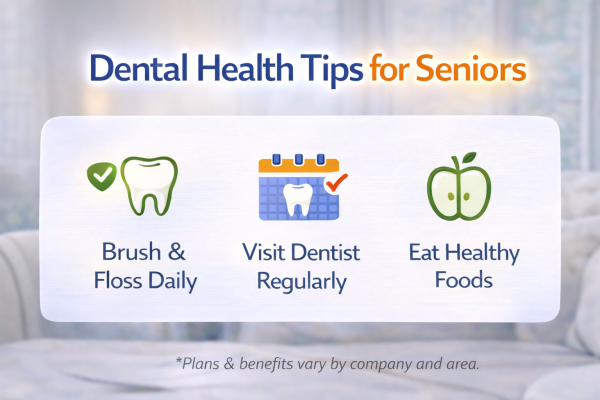
Practical Dental Care Tips for Managing Dry Mouth
Managing xerostomia effectively involves incorporating practical dental care tips into your daily routine. Staying hydrated and carefully choosing the right foods play a significant role in alleviating dry mouth symptoms. By maintaining good oral hygiene and making informed lifestyle choices, you can reduce the discomfort associated with dry mouth and protect your overall dental health. Let’s delve into how staying hydrated and selecting appropriate foods benefit those with dry mouth, empowering you to manage xerostomia while ensuring oral health remains a top priority.
Staying Hydrated and its Benefits
Keeping hydrated is essential for managing dry mouth, or xerostomia, effectively. When we don’t drink enough water, the body struggles to produce sufficient saliva, intensifying the symptoms of dry mouth. Ensuring adequate fluid intake throughout the day not only prevents this but also stimulates saliva production naturally. Water keeps tissues in the mouth moist and comfortable, reducing irritation and the risk of oral infections. A good habit is to carry a bottle of water and sip regularly, especially before meals or when the mouth feels parched.
Staying hydrated also helps maintain a healthy balance of oral bacteria, vital for preventing dental issues often linked with dry mouth. As saliva acts as a natural defense in the mouth, neutralizing acids and washing away food debris, promoting steady saliva flow through hydration is crucial. It’s worth noting that water should be the primary choice for hydration, as sugary or acidic drinks can exacerbate dry mouth and contribute to dental decay.
Incorporating a routine that includes hydrating foods, like water-rich fruits and vegetables, can also promote oral health. Consider including cucumbers, watermelon, or leafy greens in your diet, as they provide additional moisture while supplying essential nutrients. For those struggling with severe xerostomia, increasing water intake can be a simple yet impactful approach, offering both immediate and long-term benefits to overall oral health.
Lastly, using a humidifier at night can aid in maintaining oral moisture, particularly important as saliva production decreases during sleep. Staying hydrated isn’t just about drinking water but involves a concerted effort to keep the entire environment supportive for oral health. With these practices, you can more effectively manage dry mouth, enhancing your comfort and reducing the risk of dental complications.
Choosing the Right Foods for Your Mouth
Dietary choices are invaluable in managing xerostomia, helping to stimulate saliva and protect oral health. Choosing foods that naturally promote saliva production can ease the discomfort associated with dry mouth. Foods with high water content, like soups and stews, not only help with hydration but also provide a smoother texture, making them easier to swallow.
Opt for sugarless candy and sugar-free gum as healthier alternatives to sugary snacks, which can contribute to dental decay. Sugar substitutes such as xylitol in these products are effective in reducing harmful bacteria that cause cavities. Chewing sugar-free gum can trigger salivary glands to produce more saliva, aiding in digestion and maintaining a cleaner mouth.
Avoiding spicy or salty foods is equally crucial, as these can irritate a dry mouth, leading to further discomfort. Instead, focus on foods that are soothing and easy to chew, selecting soft or cooked vegetables, mashed potatoes, or porridge as good choices. High-fiber foods, like whole grains and vegetables, stimulate chewing, encouraging saliva production naturally.
It’s also beneficial to be mindful of the temperature of foods and beverages; lukewarm options tend to be kinder on dry mouths than piping hot or very cold ones. Continuous sipping of water while eating can assist in softening dry textures, making meals more enjoyable and less of a chore.
By thoughtfully selecting foods and integrating products like fluoride toothpaste and oral hygiene practices, you can provide comprehensive care for dry mouth conditions. Remember to limit caffeine and alcohol as these can dehydrate, further exacerbating xerostomia. With these practical dietary choices, managing dry mouth becomes a more balanced and approachable task, helping to preserve oral health while enhancing comfort.
For more information on managing dry mouth and exploring Medicare coverage options perfect for senior needs, visit our website. Enter your ZIP code to compare Medicare plans tailored to your circumstances, or call us once our phone line opens for personalized assistance. Our aims are to simplify your healthcare decisions and support your journey toward better oral health and wellness.
Effective Tips for Managing Dry Mouth
- Select hydrating foods like watermelon and cucumber to aid saliva production.
- Incorporate xylitol-rich products to help reduce cavity-causing bacteria.
- Choose boiled vegetables for easy swallowing and less irritation.
- Snack on sugar-free candies to help cleanse the mouth.
- Opt for whole grain bread instead of refined options.
- Drink fluids at room temperature for maximum comfort.
- Have broth-based soups to maintain hydration and ease swallowing.
These suggestions aim to make managing dry mouth convenient and improve oral health naturally.

Final Thoughts
As we’ve explored, xerostomia, or dry mouth, is more than just an inconvenience, it’s a condition that can significantly impact your oral and dental health. By understanding the causes, symptoms, and treatments, you’re well-equipped to tackle this condition head-on. Remember, effective management hinges on comprehensive oral hygiene, the use of saliva substitutes, and incorporating practices that stimulate saliva production.
Stay hydrated by drinking plenty of water, which is essential in maintaining the delicate balance needed for optimal health. Consider sugar-free gum as a handy tool in encouraging salivary flow. These simple adjustments can make daily activities, like eating and speaking, more comfortable and less strenuous. Discussing treatment options with your dentist or a healthcare provider can further enhance your strategy for dealing with xerostomia.
Education on how to choose the right products, like fluoride-based dental aides, and understanding what foods are beneficial for your mouth, empowers you to make informed health decisions. Information from trusted sources, similar to the Mayo Clinic, can provide additional guidance and assurance. Don’t forget to review any medication with your healthcare provider that might contribute to xerostomia, as modifications in your treatment could significantly improve your quality of life.
By leveraging these dental care tips, you’re making a proactive choice towards better oral health, proof that small changes can yield significant benefits. Enter your ZIP code on our site to explore Medicare plans that fit your needs, and when our phone number becomes available, feel free to call us for more personalized assistance. We’re here to support you on your journey to optimal health and comfort without pressuring you in any direction.
Managing dry mouth can be simple with the right tips and habits. Remember to stay hydrated, maintain oral hygiene, and consult your dentist for personalized advice. Visit our site to explore dental coverage options that suit your needs. Enter your ZIP code to compare different Medicare plans today. You can also call us for personalized assistance when our number becomes available. Let MedicarePlansGuide.org help you find plans that can support your dental health needs.
Compare plans and enroll online
Frequently Asked Questions
What are common causes of dry mouth, or xerostomia?
Dry mouth can be caused by medications, aging, lifestyle habits, and certain medical treatments. It occurs when the salivary glands don’t produce enough saliva, leading to discomfort and oral health issues.
Why is it important to manage dry mouth?
Managing dry mouth is crucial because saliva plays a key role in oral health by neutralizing acids and washing away food particles. Insufficient saliva increases the risk of cavities, gum disease, and discomfort in daily activities like speaking and swallowing.
How can sugar-free gum help with dry mouth?
Chewing sugar-free gum stimulates saliva production, which helps maintain oral health by neutralizing acids and aiding in food digestion. It’s a simple way to ease the symptoms of dry mouth without risk to dental health.
What are some practical tips for managing dry mouth?
To manage dry mouth, stay hydrated, use fluoride dental products, and opt for sugar-free gums or saliva substitutes. Avoid alcohol-based oral hygiene products as they can further dry out the mouth.
What should I consider when choosing foods to manage dry mouth?
Select foods that promote saliva production, like those with high water content. Avoid spicy, salty, or sugary foods that can irritate or dry out the mouth further. Incorporating soft and easy-to-chew foods can also help.
Have Questions?
Speak with a licensed insurance agent
1-855-398-0716
TTY users 711
Mon-Fri: 8am-9pm ET
Find & Compare Plans Online
ZRN Health & Financial Services, LLC, a Texas limited liability company

Russell Noga is the CEO of ZRN Health & Financial Services, and head content editor of several Medicare insurance online publications. He has over 18 years of experience as a licensed Medicare insurance broker helping Medicare beneficiaries learn about Medicare, Medicare Advantage Plans, Medigap insurance, and Medicare Part D prescription drug plans.