Maintaining dental health is crucial for older adults as it impacts overall well-being and quality of life. As we age, access to dental care can become challenging, yet it remains vital in managing age-related health issues. Understanding how dental health connects with physical health empowers seniors to make informed choices. Whether addressing gum disease, tooth decay, or the need for dentures, it’s essential for older adults to recognize their unique dental care requirements. By prioritizing dental health, seniors can enhance their quality of life and enjoy a healthier future.


Compare Medicare Plans
Compare plans and costs in your area






Why Dental Health is Important for Older Adults
Key Highlights
- Dental health is critical for seniors’ quality of life, impacting overall well-being and managing age-related health issues.
- Aging can cause oral health problems like dry mouth and gum disease, highlighting the need for attentive oral care.
- Regular dental care helps seniors manage dental challenges, preventing more serious health issues and ensuring a better quality of life.
- Access to dental care is crucial for seniors, with potential solutions including expanded coverage and community services.
- Gum disease in seniors is linked to systemic health issues, making dental health a priority for overall health improvement.
Compare plans and enroll online
The Importance of Oral Health for Older Adults
Oral health is a vital component of overall well-being for older adults. As individuals age, maintaining good dental health becomes crucial in ensuring quality of life. With aging comes an increased risk of dental and oral health issues such as gum disease, which can impact both physical health and daily comfort. Understanding the connection between oral health and aging helps older patients and their caregivers make informed decisions about their care options. Focusing on dental health can prevent pathologies that cause discomfort and promote a healthier aging process, helping seniors enjoy their golden years with confidence.
Understanding Oral Health and Aging
Aging naturally impacts various aspects of health, including oral health. For older adults, understanding how aging affects dental health is essential to maintaining a good quality of life. As the body ages, changes occur that can lead to issues like dry mouth, a common problem among seniors caused by reduced saliva production. Saliva is crucial as it helps keep the mouth moist and protects teeth from decay. Without adequate saliva, older adults may experience an increased risk of cavities and gum disease, highlighting the need for attentive oral care.
Moreover, years of wear and tear may lead to enamel loss, making teeth more susceptible to damage. Poor oral hygiene in earlier years could result in longstanding issues that manifest significantly with age. For elderly individuals, daily oral hygiene practices like brushing and flossing become even more critical to prevent dental ailments. Dentures and other dental appliances also need proper care to prevent irritation and infections.
It’s essential for seniors to have regular dental check-ups. Dentists can address emerging issues before they worsen, providing guidance tailored to the unique needs of older patients. By cultivating good oral health practices, seniors can reduce the risk of complex dental problems and improve their overall health, leading to a comfortable and vibrant life. Education and regular professional dental care are key components in maintaining optimal oral health throughout the aging process.
Impact of Gum Disease on Seniors
Gum disease is a significant concern for seniors, posing a threat to both oral and general health. Known as periodontal disease, it starts as gingivitis, characterized by red, swollen gums that might bleed during brushing. If left untreated, gingivitis can progress to a more severe form, leading to tooth loss, a common dental health challenge for the elderly.
The risk of gum disease increases with age due to factors like decreased immunity and medical conditions such as diabetes, which can make older patients more susceptible. Medications that cause dry mouth can also contribute to the development of gum disease. It’s important for elderly people and their caregivers to be vigilant about the symptoms and seek timely dental intervention to manage the condition effectively.
Gum disease doesn’t just affect oral health; it has been linked to systemic issues, impacting heart health and increasing the risk of complications in diabetics. For seniors, maintaining healthy gums is a crucial step in ensuring overall health. Practical measures like regular flossing, using mouthwash, and professional cleanings can prevent the progression of gum disease.
Education on the importance of gum health and regular dental care is essential to preventing gum disease in older adults. Dental professionals not only treat but also educate seniors and their caregivers on effective oral hygiene habits and the importance of consistent dental visits. By focusing on preventive care, older adults can minimize the impact of gum disease, enhancing their quality of life significantly.
Common Dental Health Challenges in Older Adults
Older adults often face common dental health challenges that require special attention. As people age, the natural changes in the body can lead to specific dental and gum issues. These include gum disease, tooth loss, and oral pathologies that affect overall health. Addressing these challenges starts with understanding the factors involved and the importance of regular dental care. Seniors can improve their oral health with proper care and prevent many issues associated with aging, leading to enhanced quality of life and improved health outcomes.
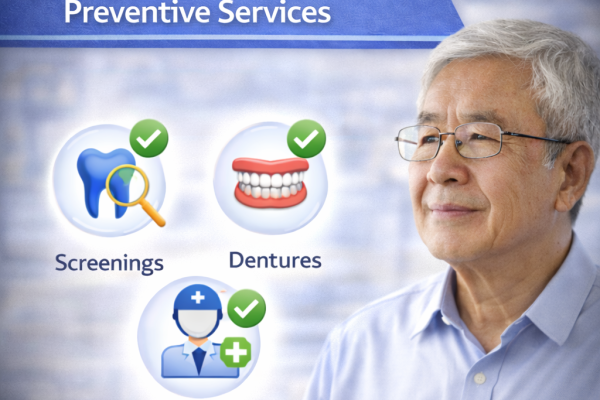
Preventing Tooth Loss with Proper Care
Tooth loss is a prevalent dental health challenge among older adults, but it can be prevented with diligent care and regular dental visits. Maintaining healthy teeth is integral to enjoying a wholesome diet and communicating effectively, both vital aspects of well-being. For instance, poor oral hygiene can lead to dental caries and gum disease, which are significant contributors to tooth loss among seniors. Gum disease, in particular, deteriorates the supportive tissues that hold the teeth in place, eventually leading to tooth loss if untreated. Fortunately, adopting preventive measures can curb these issues.
Daily oral hygiene practices, such as brushing and flossing, are foundational to preventing tooth loss. These simple routines help reduce plaque build-up, minimizing the risk of caries and gum disease. Regular dental care also plays a crucial role; it ensures early detection of potential problems, allowing for timely interventions that preserve tooth health. Seniors should aim to visit their dentist routinely and follow personalized advice suited to their unique oral health needs.
A balanced diet is another key factor. Ensuring an adequate intake of calcium and vitamin D supports strong teeth and bones, reducing the risk of tooth avulsion. Older patients should strive to include these nutrients in their diets regularly. Additionally, avoiding tobacco and minimizing sugar intake can greatly reduce the risks associated with dental pathologies.
By focusing on comprehensive dental care strategies, seniors can effectively prevent tooth loss. This not only contributes to better oral health but also enhances overall health, helping seniors maintain their independence and enjoy their daily lives more fully. Addressing tooth loss with proper care ensures lasting benefits for senior oral health, reinforcing the importance of preventative measures in aging.
To further explore strategies that help prevent tooth loss, consider integrating the following practices into your daily oral care routine:
- Brush twice daily with fluoride toothpaste to strengthen enamel and prevent cavities.
- Floss regularly to remove plaque and food particles from between teeth.
- Limit sugary and acidic foods that contribute to tooth decay and enamel erosion.
- Visit your dentist for regular check-ups and professional cleanings every six months.
- Use an antibacterial mouthwash to reduce plaque buildup and combat bad breath.
- Avoid tobacco products, which significantly increase the risk of gum disease.
- Wear a mouthguard during sports to protect teeth from injury.
- Stay hydrated to maintain optimal saliva flow, which helps wash away food particles.
By adopting these habits, you can enjoy the holistic benefits of a healthy smile and robust oral health, ultimately reducing the risk of tooth loss.
The Role of Regular Dental Care
Regular dental care is pivotal for maintaining good dental health in older adults, offering a proactive approach to addressing the challenges that come with aging. Consistent dental visits allow professionals to detect and treat dental issues early, ensuring that conditions like dental caries and gum disease are managed before they worsen. For older adults, attending regular check-ups is crucial, as many dental problems can go unnoticed without professional assessment. Remember, untreated dental issues can lead to more serious health problems, extending beyond oral health to affect overall well-being.
Older patients often experience unique challenges, such as dry mouth and decreased bone density, which can exacerbate dental issues. Regular dental care helps in assessing these conditions, allowing for tailored treatments that address the specific needs of seniors. This is especially important as the aging process may compromise the body’s ability to combat infections, making regular dental care a key component in preventive health strategies.
Establishing a routine that includes professional cleanings and examinations encourages a proactive approach to dental health. Dentists can offer valuable advice on effective brushing and flossing techniques, ensuring that older patients are equipped with the knowledge to maintain their oral health at home. Additionally, professional fluoride treatments can be recommended during visits to strengthen the enamel, reducing the risk of cavity formation.
Ultimately, integrating regular dental care into the health routines of older adults contributes to better management of oral health challenges. This frequent dental attention serves as a safeguard against potential complications, ensuring a higher quality of life. By valuing regular dental care and understanding its significant role, seniors can maintain healthier teeth and gums, leading to positive health outcomes and a more fulfilling life.
To compare Medicare options that might include dental coverage, enter your ZIP code on our site or call for personalized assistance once our phone number is available. Our goal is to support you in finding the best fit for your needs confidently.
| Challenge | Preventive Measures | Importance of Regular Care | Dietary Considerations |
|---|---|---|---|
| Tooth Decay | Fluoride toothpaste, regular brushing | Early detection prevents major issues | Limit sugary snacks and drinks |
| Gum Disease | Daily flossing, dental cleanings | Maintains gum health and prevents tooth loss | Include foods rich in Vitamin C |
| Dry Mouth | Hydration, saliva substitutes | Prevents discomfort and further complications | Chew sugar-free gum to stimulate saliva |
| Tooth Loss | Use of dentures or implants | Supports proper nutrition and speech | Soft foods to ease chewing |
This table highlights the multifaceted approach required to address dental health in older adults, emphasizing prevention, routine care, and dietary considerations to maintain overall health.
Find & Compare Plans Online
Improving Access to Dental Care for Older Adults
Access to dental care is crucial for maintaining the health and well-being of older adults. As people age, oral health needs become more pronounced, and so does the need for accessible, affordable dental care services. Many older adults face obstacles in accessing proper dental care, from financial barriers to limited mobility. Improving access involves considering various solutions, from expanding dental coverage through programs like Medicare and Medicaid to enhancing community services. Exploring these opportunities ensures seniors receive the dental care they need for healthier living and a better quality of life.
Solutions to Improve Access for Patients
Finding effective solutions to improve access to dental care for older adults is an important step in promoting overall health. Financial barriers often prevent seniors from getting the care they need. That’s why expanding dental coverage through programs like Medicare and Medicaid can be impactful. While traditional Medicare doesn’t typically cover dental care, exploring Medicare Advantage plans and other supplemental options could help. These plans sometimes provide additional benefits, including affordable dental care. For those eligible for Medicaid, ensuring dental benefits are included can also improve access. It’s vital to understand each program’s offerings to make informed decisions.
Community-oriented solutions can further enhance dental care access. Mobile dental units and local clinics, where services can be provided directly in community centers or senior homes, are beneficial. These services reduce the need for transportation, a barrier for many seniors. Additionally, partnering with dental schools allows access to affordable dental services, as students often provide treatments under supervision at a reduced cost.
Developing assistance programs that educate older adults on the importance of dental health and the resources available is also crucial. Informational workshops can empower seniors and their caregivers with knowledge about maintaining oral health, understanding coverage options, and recognizing dental issues early.
By considering all these solutions, we can significantly improve the overall access to dental care services for older adults. Ensuring they receive the dental care needed not only enhances oral health but also contributes to improving general health, making a positive impact on their quality of life. For personalized assistance in understanding Medicare dental coverage options, enter your ZIP code on our site or call for more guidance once our phone number is available.
How Oral Health Affects Overall Well-being
Oral health plays a crucial role in the overall well-being of older adults, impacting not just their physical health but also their emotional and social aspects. As individuals age, maintaining good dental health becomes increasingly important due to the risk of oral issues like gum disease and tooth loss. These conditions can lead to significant health problems, affecting one’s ability to eat well, communicate effectively, and maintain confidence. Addressing oral health is essential for promoting a holistic approach to well-being, encouraging seniors to enjoy their lives with vigor and vitality while minimizing potential complications as they age.
Why Dental Health Matters for Overall Health
Dental health significantly influences overall health, especially as aging takes its toll on the body. Poor oral health can lead to various systemic health issues, making it imperative for older adults to prioritize dental care. Gum disease, or periodontal disease, is not just an issue for the mouth; it has been linked to heart health, making its management crucial for older adults. Ignoring gum conditions can exacerbate problems, leading to more complex health issues. Regular dental visits and good brushing and flossing habits are vital in preventing these concerns.
Moreover, tooth loss, a common issue among seniors, affects diet and nutrition. Missing teeth can make it difficult to enjoy a variety of foods, which may result in nutritional deficiencies. This can further weaken the immune system, making older patients more susceptible to illnesses. By maintaining good dental health, older adults can ensure better nutrition intake, supporting overall body health and well-being.
Aging also affects the body’s capability to repair itself, including the mouth. Older adults often produce less saliva, a condition known as xerostomia, which can lead to more cavities and gum disease. Saliva is necessary for cleaning teeth and preventing decay, so a reduction necessitates vigilant oral hygiene practices to compensate.
Educating seniors about the importance of oral health and providing them with the tools for maintaining it can significantly improve their quality of life. This includes undergoing regular dental check-ups, being mindful of oral hygiene, and understanding the implications of oral health on general well-being. By addressing dental health as a critical component of overall health, seniors can enhance their life quality, maintain their independence, and enjoy daily activities without hindrance.
For seniors exploring Medicare options that include dental health coverage, comparing different plans is helpful. Enter your ZIP code on our site to see what’s available, or call once our phone number is up for personalized support on this vital aspect of health care.
Understanding dental health is key to maintaining wellbeing as we age. Good oral care can impact overall health, preventing issues and ensuring comfort. Explore your Medicare and dental coverage options by entering your ZIP code on our site. Once available, you can also call for personalized help. Navigate your dental needs with confidence and make informed decisions for your health.
Compare plans and enroll online
Frequently Asked Questions
Why is dental health important for seniors?
Dental health is crucial for older adults as it impacts overall well-being and helps manage age-related health issues. Good oral care can prevent conditions like gum disease and tooth loss, which affect physical health and quality of life.
What are common dental issues that seniors face?
Seniors often deal with dental problems such as gum disease, tooth loss, and dry mouth. Changes due to aging, like reduced saliva production, can increase the risk of cavities and gum issues, making attentive oral care important.
How can seniors prevent dental health problems?
Regular dental check-ups, daily practices like brushing and flossing, and maintaining a balanced diet rich in calcium and vitamin D can help prevent dental problems. Additionally, avoiding tobacco and limiting sugar intake supports dental health.
How does gum disease affect overall health in seniors?
Gum disease is linked to systemic health issues, including heart health and diabetes complications. Maintaining healthy gums is vital for seniors’ overall well-being, emphasizing the importance of regular oral care and dental visits.
What options are available for dental care coverage through Medicare?
Traditional Medicare usually doesn’t cover dental care, but exploring Medicare Advantage plans or supplemental options can offer some coverage. Seniors should compare plans to find the best fit for their dental care needs. Enter your ZIP code on our site to explore available options.
Have Questions?
Speak with a licensed insurance agent
1-855-398-0716
TTY users 711
Mon-Fri: 8am-9pm ET
Find & Compare Plans Online
ZRN Health & Financial Services, LLC, a Texas limited liability company

Russell Noga is the CEO of ZRN Health & Financial Services, and head content editor of several Medicare insurance online publications. He has over 18 years of experience as a licensed Medicare insurance broker helping Medicare beneficiaries learn about Medicare, Medicare Advantage Plans, Medigap insurance, and Medicare Part D prescription drug plans.