UPMC offers a range of prescription drug benefits designed to help you access the medications you need. Whether you’re managing a chronic condition or just want to keep your medicine cabinet stocked, understanding your options is key. This overview will clarify how UPMC’s prescription drug plans work, covering important details like what medications are covered and how costs are managed. Our aim is to make it easier for you to navigate your prescription benefits while ensuring you stay informed and confident in your healthcare choices.


Compare Medicare Plans
Compare plans and costs in your area






UPMC Prescription Drug Benefits Overview
Key Highlights
- UPMC’s benefit plan covers generic and brand-name drugs to meet diverse health needs.
- Drug tiers affect prescription costs; generics are cost-effective, brand-names might be pricier.
- Prior authorization ensures prescriptions are necessary and cost-effective within the formulary.
- Step therapy promotes cost-effective medication use before pricier options are approved.
- Resources available for managing costs include exploring formularies and prior authorization.
Compare plans and enroll online
Understanding Your UPMC Prescription Drug Coverage
Gaining a grasp on your UPMC Health Plan’s prescription drug coverage can make managing your health much simpler. Whether you’re a new member or considering a plan, it’s crucial to know what your pharmacy benefit plan includes coverage for. This coverage typically encompasses various prescription drugs, including both generic medications and brand-name medications. As a member of the UPMC Health Plan, your options include a pharmacy formulary that provides guidance on which medications are covered. With UPMC, the focus is on complete care to maintain and improve your health, ensuring you have access to essential drugs and medical care.

What Your Pharmacy Benefit Plan Includes Coverage For
Your pharmacy benefit plan with UPMC Health covers an array of prescription drugs designed to meet diverse health needs. This includes coverage for both generic medications and brand-name medication, ensuring members have options. Understanding your pharmacy formulary can help you navigate which medications are available and how they’re categorized within your plan. Keep in mind that generic medications are often more affordable, providing a cost-effective option for many health conditions. Meanwhile, access to brand-name medication ensures that if a specific drug is necessary for your health, it’s available. The pharmacy benefit plan is comprehensive, focused on delivering complete care and improving health outcomes.
Exploring Drug Tiers in UPMC Plans
Understanding drug tiers in UPMC Health Plans is vital for making informed decisions about your prescription medication options. Drug tiers refer to the categories or levels within a health plan’s pharmacy formulary that define the prescription cost for medications. Lower tiers typically include more cost-effective generic medications, while higher tiers may cover brand-name medication that might be more expensive. Knowing the tier your drug is in helps you balance medication needs with budget considerations. The goal is to ensure you have access to essential medications without compromising on care quality.
How Drug Tiers Affect Prescription Costs
Drug tiers significantly impact how much you pay for your prescriptions with the UPMC Health Plan. The pharmacy formulary assigns tiers based on a variety of factors, including the medication’s effectiveness and cost. Generally, generics, which are found in lower tiers, offer the most affordable options. Generic medications are just as effective as their brand-name counterparts but cost less, making them budget-friendly. Brand-name medications, often in higher tiers, might require you to pay more. It’s important to know which tier your prescribed drugs fall into to manage expenses better and ensure that your chosen plan provides the care you need. A comprehensive understanding of the formulary can empower you to make mindful choices about your health and wallet.
Key Features of UPMC Prescription Drug Plans
UPMC’s prescription drug plans come with features designed to provide comprehensive and supportive care for every member. These plans include an extensive pharmacy formulary, ensuring that you have access to a broad range of medications tailored to your health needs. UPMC Health Plan emphasizes complete care, supporting both generic and brand-name prescription drugs. Understanding quantity limits and the necessity for prior authorization can help you manage your medications effectively. By familiarizing yourself with these key aspects, you can navigate your UPMC Health Plan with confidence, ensuring your prescription drug coverage meets your health insurance needs.
Why Prior Authorization Is Necessary
Prior authorization is an essential process in UPMC Health Plans that ensures your prescriptions are both safe and necessary for your care. This feature helps manage medication use by requiring approval from your health plan before a certain prescription drug is dispensed. It serves to verify that the prescribed medication aligns with the UPMC pharmacy formulary guidelines and is the most cost-effective option available. By requiring prior authorization, UPMC Health Plan aims to enhance the quality of care while controlling healthcare costs. It guides members towards medications that meet their health needs without unnecessary financial burden. Understanding this process can simplify managing your prescriptions and ensure that your drugs are covered while promoting effective treatment outcomes.
Find & Compare Plans Online
Understanding Step Therapy in UPMC Plans
Step therapy is a common feature in many health plans, including UPMC, and is designed to promote the use of cost-effective medications. By requiring members to try certain drugs first, step therapy ensures you receive drugs that are both effective and affordable. This approach prioritizes starting with medications that have a proven track record, before moving on to more expensive alternatives. UPMC Health Plan integrates step therapy into its pharmacy formulary, aligning with its goals of complete care and cost management. Understanding how step therapy works can help you navigate your prescriptions and ensure your medications fit within your health plan’s guidelines.
How Step Therapy Can Affect Your Prescriptions
Step therapy can significantly influence how you access prescription drugs within your UPMC Health Plan. Essentially, it requires you to try preferred medications that are usually more cost-effective before trying pricier alternatives. This means your doctor might prescribe a different drug first, ensuring it’s safe and effective for your condition. If it doesn’t work or causes side effects, your plan may then approve a different, often more expensive medication. Understanding your health plan’s step therapy rules can help you and your doctor make informed decisions about your care.
Step therapy helps UPMC manage pharmacy formularies while supporting its commitment to member care. This process, combined with the necessity of prior authorization and quantity limits, exemplifies the thoughtful approach UPMC takes to manage healthcare costs while focusing on providing complete care. Being informed about these policies enables you to better collaborate with your healthcare provider and ensures your prescription needs are met effectively.
Discussing step therapy requires understanding options and being prepared:
- Consult your doctor about alternative medications covered by your step therapy.
- Keep records of all medications tried and any side effects experienced.
- Stay informed about the appeal process if a medication isn’t effective.
- Schedule regular check-ins with your healthcare provider during step therapy.
- Be proactive in understanding your specific plan guidelines and limits.
- Utilize available resources to gain clarity on step therapy procedures.
- Engage with support groups for shared experiences and advice.
These points offer practical steps to enhance your understanding and management of step therapy.
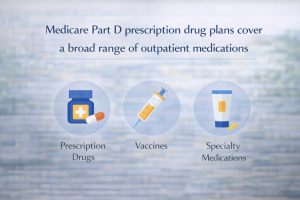
The Importance of Personal Review for Your Medications
Taking a personal review of your medications is essential to make sure you’re benefiting from your UPMC Health Plan’s offerings. This helps you navigate prescription drugs, ensuring that your specific health needs are met. Engaging in this proactive step means understanding your pharmacy formulary and identifying which prescription drugs and generic medications are right for you. As a UPMC member, staying informed about available prescription and health care aids you in optimizing your complete care. The review process isn’t just about drugs but also about ensuring your overall health plan is aligned with your medical requirements.
Ensuring You Have the Prescriptions You Need
To guarantee you have the prescriptions you need, it’s crucial to communicate with your healthcare provider regularly. They can guide you on whether your prescriptions align with the UPMC Health formulary. Contact your care provider to discuss any changes in your medication needs. This ensures your health plan supports all necessary prescriptions. Reviewing your medications can identify whether a switch to a generic prescription might be beneficial. This can be more cost-effective while maintaining quality care. Being familiar with your formulary helps you make informed decisions, ensuring that accessing and affording needed medications fits within your health plan. Regular contact with your UPMC provider confirms you’re on the best path to maintaining your health. A thorough understanding of your prescription drug options strengthens your ability to manage any health challenges with confidence, knowing you have the complete care support you need.
Frequently Asked Questions about Your UPMC Benefit Plan
Understanding the details of your UPMC Health Plan’s prescription drug coverage can help you make informed decisions about your medication needs. Whether you’re contemplating enrolling or have been a long-term member, knowing how your benefit plan works with prescription drugs is crucial. This includes understanding the pharmacy formulary, drug tiers, and processes like prior authorization. As a UPMC member, having complete clarity on these aspects ensures you can make the best health choices. Let’s explore some common concerns members often have about navigating their prescription drug coverage.
Common Concerns About Prescription Drugs
Many UPMC Health Plan members have questions about their prescription drugs and how they’re covered. One frequent concern involves understanding the pharmacy formulary. The formulary is a list of covered medications, including both generic and brand-name options. Knowing which drugs are on this list can help you determine what’s covered and how to plan for any out-of-pocket expenses. It’s also essential to understand drug tiers, which categorize medications based on cost and necessity.
Lower tiers generally include cost-effective generic options, while higher tiers might feature more expensive brand-name drugs. Another area of concern is the prior authorization process. This is a step designed to ensure the medication prescribed fits within UPMC’s guidelines and is necessary for your care. Members often worry about how this might delay access to medications, but discussing these issues with your healthcare provider can offer clarity and reassurance. Regular contact with your care provider and understanding your plan’s details can ease these concerns, ensuring you’re fully informed and empowered in managing your health.
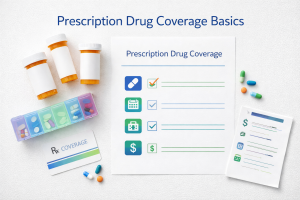
Get Help with Your Medications
Staying on top of your medications is crucial for maintaining good health and managing conditions effectively. UPMC Health offers comprehensive resources to assist members in managing prescription costs and ensuring access to essential medication. Whether you’re dealing with prior authorization, understanding your pharmacy formulary, or exploring complete care options, support is available every step of the way. As a member, you can tap into a wealth of knowledge about prescription drugs and health plans, empowering you to make informed decisions. These resources are designed to streamline your medication management within the UPMC framework.
| Resource | Purpose | Benefits |
|---|---|---|
| UPMC Member Services | Help with understanding and managing insurance coverage for medications | Ensures clarity on coverage aspects, reduces unexpected costs |
| Prescription Discounts | Provide cost savings on medications | Lowers the cost of prescriptions, making them more accessible |
| Medication Therapy Management | Optimize the use of medications through professional guidance | Improves medication efficacy and safety, personalized support |
| Online Tools and Resources | Enhance knowledge and self-management of prescriptions | Convenient access to information, empowers patient decision-making |
This table highlights the essential resources UPMC Health provides for managing prescription costs and optimizing medication management.
Resources for Managing Prescription Costs
Navigating prescription costs can be challenging, but UPMC Health offers various strategies to help manage these expenses. A key resource is the pharmacy formulary, which outlines covered prescription drugs and helps you understand which medications are included in your health plan. This allows you to identify cost-effective options like generic medications that fit within your budget. If you need more expensive brand-name drugs, knowing the formulary can help anticipate costs and explore alternatives. Prior authorization plays an essential role in this process, ensuring that prescribed drugs are appropriate and necessary, thereby optimizing care and minimizing costs. Moreover, members have access to personalized care solutions, facilitating informed decisions about their prescriptions. For any assistance, you can always contact your health plan provider to discuss managing prescription costs, ensuring you receive the complete care you need without unnecessary financial burden.
Understanding your UPMC prescription drug benefits is key to managing healthcare costs. Evaluate how these benefits fit into your overall Medicare plan. You can learn more about what each plan offers by entering your ZIP code on our site. This helps you compare different Medicare options suited to your needs and budget. Our knowledgeable team is ready to assist you with personalized support when our phone number becomes available. We are here to help guide you towards informed Medicare decisions. Come back often for the latest information and updates.
Compare plans and enroll online
Frequently Asked Questions
What types of prescription medications are covered by UPMC Health Plans?
UPMC Health Plans cover a wide range of prescription medications, including both generic and brand-name drugs. Understanding the pharmacy formulary can help you determine which medications are available under your plan.
How do drug tiers affect my prescription costs with UPMC Health Plans?
Drug tiers categorize medications by cost and necessity. Lower tiers generally include cost-effective generic medications, while higher tiers may cover brand-name drugs, which might be more expensive. Knowing the tier of your medication helps you manage costs effectively.
What is prior authorization, and why is it important in UPMC prescription coverage?
Prior authorization is a process to ensure that prescribed medications fit within UPMC’s pharmacy formulary guidelines and are the most cost-effective option. It helps manage medication use and enhance care quality while controlling costs.
How does step therapy work in UPMC Health Plans?
Step therapy involves trying approved, cost-effective medications first before moving to more expensive alternatives. This approach ensures that you have access to effective treatments at a lower cost and aligns with UPMC’s goal of managing healthcare expenses efficiently.
How can I manage my prescription costs under UPMC Health Plans?
UPMC Health Plans offer resources like the pharmacy formulary to help manage prescription expenses. By choosing cost-effective generic options and understanding prior authorization and step therapy processes, you can optimize your medication management within budget constraints.
Have Questions?
Speak with a licensed insurance agent
1-855-398-0716
TTY users 711
Mon-Fri: 8am-9pm ET
Find & Compare Plans Online
ZRN Health & Financial Services, LLC, a Texas limited liability company

Russell Noga is the CEO of ZRN Health & Financial Services, and head content editor of several Medicare insurance online publications. He has over 18 years of experience as a licensed Medicare insurance broker helping Medicare beneficiaries learn about Medicare, Medicare Advantage Plans, Medigap insurance, and Medicare Part D prescription drug plans.