Speak with a licensed insurance agent

1-855-398-0716

TTY user 711 Mon-Fri : 8am-9pm EST

Medicare Supplement Plans 2027

Planning for Medicare coverage in 2027 requires careful review of available health plan types, enrollment rules, and potential changes that may affect costs and access to care.

Medicare plans continue to evolve based on federal policy updates, insurer participation, and broader healthcare trends.

Seniors approaching Medicare eligibility, as well as those already enrolled, benefit from understanding how Medicare Supplement plans may function in 2027 and how they fit into long-term healthcare planning.

Medicare plans generally fall into two primary paths. One path combines coverage through Medicare Advantage plans.

The other pairs Original Medicare with Medicare Supplement insurance and, when needed, standalone prescription drug coverage.

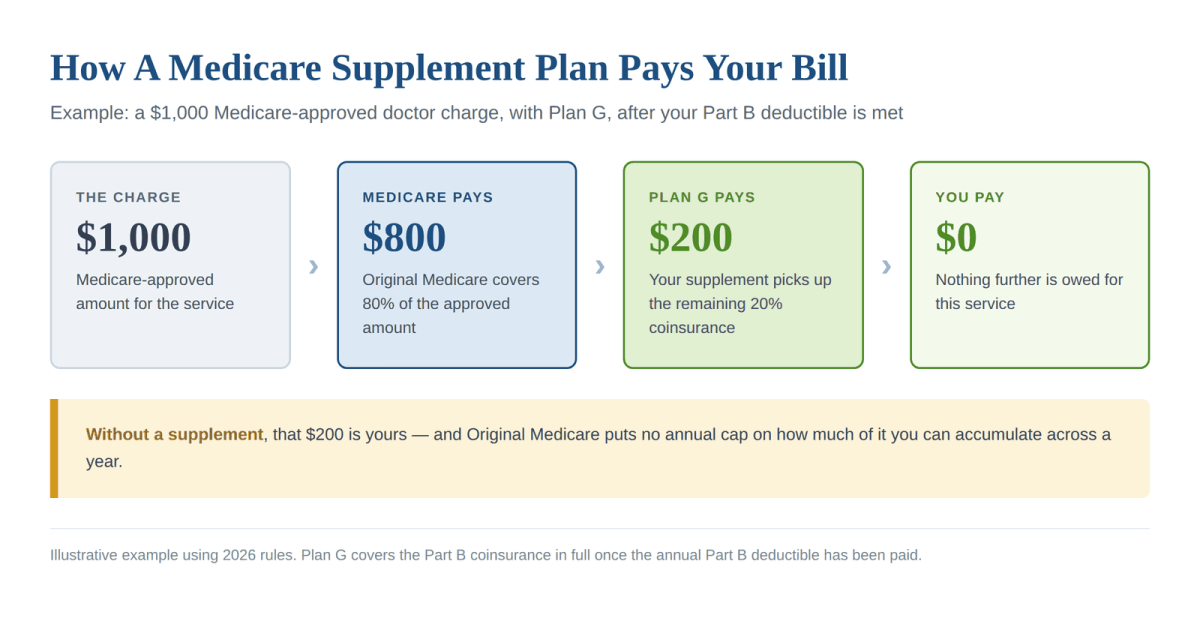
Medicare Supplement plans are designed to help reduce certain out-of-pocket costs associated with Original Medicare, such as deductibles, copayments, and coinsurance.

Medicare Supplement plans 2027 are expected to continue offering standardized benefits identified by lettered plans, with coverage consistency across insurers offering the same plan type.

While pricing and availability vary by state and carrier, benefits for each plan letter remain the same. This structure can make plan comparisons more straightforward for seniors who prioritize predictable medical expenses and nationwide provider access.

Medicare Supplement plans do not include prescription drug coverage, dental care, vision services, or hearing benefits. Beneficiaries typically add a Medicare Part D plan to address medication needs.

This coverage approach may appeal to seniors who travel frequently, manage ongoing medical conditions, or prefer flexibility when choosing doctors and hospitals.

Reviewing options early helps align coverage choices with healthcare needs and financial planning goals for 2027.

Medicare supplement plans and their benefits

Overview of Medicare Plans Available in 2027

Medicare in 2027 will continue to offer coverage through federally administered benefits and private insurance plans approved by Medicare.

All Medicare beneficiaries must first be enrolled in Medicare Part A and Part B to access most coverage options. These two parts form the foundation of Medicare and determine eligibility for additional plan choices.

Available plan types include:

  • Original Medicare Part A and Part B
  • Medicare Advantage plans, also known as Part C
  • Medicare Supplement plans, often called Medigap
  • Medicare Part D prescription drug plans

Original Medicare covers hospital services under Part A and outpatient medical services under Part B.

This structure allows beneficiaries to visit any provider nationwide that accepts Medicare, which can be appealing for individuals who travel frequently or want broad provider access.

However, Original Medicare does not include an annual out-of-pocket limit and does not cover most dental, vision, or hearing services.

Prescription drug coverage must also be added separately through a Part D plan. Private insurers participate in Medicare through Medicare Advantage plans and Medicare Supplement plans.

Medicare Advantage plans combine hospital and medical coverage and often include prescription drug benefits along with additional services such as wellness programs or preventive care.

Medicare Supplement plans work alongside Original Medicare to help cover certain out-of-pocket costs, which may support more predictable medical spending.

Because coverage options, costs, provider networks, and added benefits vary by location, reviewing available plans carefully is an important step when planning for Medicare coverage in 2027.

Taking time to compare options helps beneficiaries select coverage that aligns with healthcare needs, provider preferences, and budget expectations.

Compare plans and enroll online

Medicare Supplement Insurance Plans 2027

Medicare Advantage plans, also referred to as Medicare Part C, provide an alternative way to receive Medicare coverage.

These health plans include the same hospital and medical coverage as Original Medicare Part A and Part B and are offered by private insurance companies approved by Medicare.

Enrollees continue to receive Medicare benefits while coverage is administered through a private plan.

In 2027, Medicare Advantage plans are expected to continue offering bundled coverage that may include:

  • Hospital and medical services
  • Prescription drug coverage
  • Dental, vision, and hearing benefits
  • Preventive services and wellness programs
  • Telehealth access

This bundled structure allows many seniors to manage multiple healthcare needs under one plan, which can simplify how coverage is used and tracked.

Preventive services and wellness programs may support regular screenings and routine care, while telehealth options can provide convenient access for follow-up visits or minor concerns.

Most Medicare Advantage plans operate through managed care models such as Health Maintenance Organizations and Preferred Provider Organizations.

Members typically receive care through a defined provider network within a specific service area. HMO plans often require referrals for specialist care, while PPO plans may allow out-of-network services at a higher cost.

Many plans include predictable copays and an annual limit on out-of-pocket spending for covered services. These features help seniors plan healthcare expenses throughout the year.

However, premiums, provider networks, formularies, and supplemental benefits may change annually. Reviewing plan details each year remains an important step when planning Medicare coverage for 2027.

Medicare supplement plans 2027

Best Medicare Supplement Plans 2027

Medicare Supplement plans work alongside Original Medicare and help cover certain out-of-pocket costs such as deductibles, copayments, and coinsurance.

These plans are standardized at the federal level and identified by letters, although availability and pricing may vary by state and insurance carrier.

In 2027, Medicare Supplement plans will continue to offer predictable cost-sharing for beneficiaries who prefer broad provider access.

Members may visit any provider nationwide that accepts Medicare without network restrictions, which can be appealing for seniors who live in multiple states or travel frequently throughout the year.

Claims are generally straightforward, since Medicare pays its portion first and the supplement plan covers eligible remaining costs.

Medicare Supplement plans do not include prescription drug coverage, dental care, vision services, or hearing benefits. Beneficiaries who choose this path typically add a separate Medicare Part D plan to cover prescription medications.

Some individuals may also purchase standalone dental or vision coverage if those services are a priority, allowing for more tailored coverage choices.

Enrollment timing is an important consideration. Seniors who enroll during their Medicare Supplement open enrollment period may qualify without medical underwriting, depending on state rules.

Outside of this window, acceptance and pricing may depend on health history and carrier guidelines.

This coverage structure may appeal to seniors who manage ongoing medical conditions, prefer flexibility in provider choice, or want fewer variable medical expenses.

Monthly premiums are often higher than Medicare Advantage plans, but out-of-pocket medical costs may be more predictable throughout the year, which can support long-term budgeting and financial planning.

Prescription Drug Coverage and Medicare Plans 2027

Prescription drug coverage remains a central part of Medicare program planning in 2027.

Beneficiaries receive drug coverage either through Medicare Advantage plans that include prescription benefits or through standalone Medicare Part D plans paired with Original Medicare.

Choosing the right option depends on how medical coverage is structured and how often prescriptions are used.

Each prescription drug plan uses a formulary, which is a list of covered medications organized into tiers. Generic drugs usually fall into lower tiers with lower copays, while brand-name medications may involve higher cost-sharing.

Some medications may not be covered at all or may require specific approval steps before coverage applies.

Plans may apply additional rules such as prior authorization, quantity limits, or step therapy. Prior authorization means the plan must approve the medication before it is filled.

Step therapy may require trying a lower-cost medication first. Quantity limits restrict how much medication can be filled at one time.

Understanding these rules in advance can help avoid delays or unexpected pharmacy costs. Pharmacy networks often include national chains, regional providers, and local pharmacies.

Many plans also offer mail-order services that provide 90-day supplies for maintenance medications, which can support consistent refills and long-term budgeting. Some plans designate preferred pharmacies that offer lower copays.

Because formularies, pharmacy networks, and cost-sharing amounts may change each year, reviewing prescription coverage before the 2027 plan year helps confirm that current medications remain covered and that expected costs align with budget planning.

What Medications Are Covered Under Medicare Formulary?

Provider Networks and Access to Care in 2027

Provider access remains one of the most important considerations when reviewing Medicare plans for 2027. The level of provider flexibility depends on the chosen coverage path and can influence both healthcare experience and out-of-pocket costs.

Original Medicare and Medicare Supplement plans allow beneficiaries to see any provider nationwide that accepts Medicare.

This option offers the broadest access to doctors and hospitals, which may appeal to seniors who travel frequently, live in multiple states, or want fewer restrictions when selecting providers.

However, this path does not include bundled benefits such as dental or vision coverage.

Medicare Advantage plans rely on provider networks to deliver care. Using in-network providers generally results in lower costs and smoother claims processing.

PPO plans may allow out-of-network care at a higher cost, offering flexibility for members who need services outside their local area.

HMO plans usually require members to stay within the network except in emergencies or urgent care situations and may require referrals for specialist visits.

Network availability varies by county and insurer. Provider participation can also change from year to year, which makes the annual review especially important.

Seniors who receive ongoing care from specific doctors or specialists should confirm network participation before enrolling.

Reviewing provider directories, hospital affiliations, and referral requirements helps ensure continued access to preferred providers and reduces the risk of unexpected costs or care disruptions in 2027.

Find & Compare Plans Online

Speak with a licensed insurance agent

1-855-398-0716TTY 711

Mon-Fri: 8am-9pm ET

Costs, Premiums, and Financial Planning for 2027

Understanding costs is essential when comparing Medicare plans for 2027. Medicare expenses may include monthly premiums, copays, coinsurance, deductibles, and prescription drug costs.

These expenses vary widely depending on plan type, location, and how often healthcare services are used.

Medicare Advantage plans may offer low or zero-dollar premiums, though beneficiaries must continue paying the Medicare Part B premium.

Plans with lower premiums may balance costs through higher copays for office visits, specialist care, hospital stays, or diagnostic services.

Reviewing how often these services are used helps determine whether a lower premium plan remains cost-effective over the year.

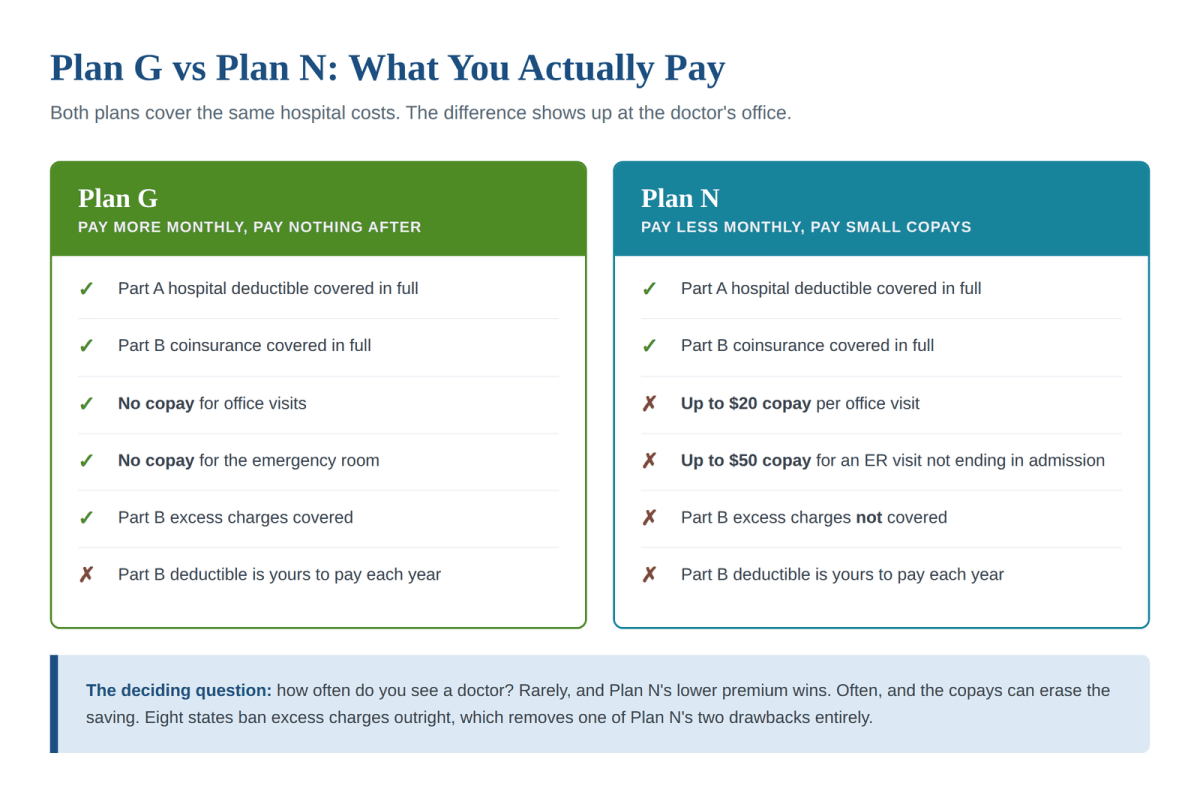
A supplemental Medicare plan typically involves higher monthly premiums but may reduce out-of-pocket medical expenses by covering certain deductibles and coinsurance.

This structure can provide more predictable healthcare costs, especially for seniors who anticipate frequent medical visits or ongoing treatment.

Prescription drug coverage must be added separately through a Part D plan, which has its own premiums and copay structure.

Each Medicare Advantage plan includes an annual out-of-pocket maximum, which limits how much members spend on covered services in a year.

Original Medicare does not include this cap, which can make costs less predictable.

Reviewing the full cost structure, including expected medical use and prescription needs, helps seniors choose coverage that aligns with both healthcare needs and budget expectations in 2027.

Steps to Enroll in a Medicare Part D Plan

Enrollment Period and Timing for Medicare Plans 2027

Enrollment timing plays a major role in Medicare planning.

For 2027 coverage, beneficiaries must follow established enrollment windows set by Medicare. Missing these windows can limit plan choices or delay coverage changes, which makes advance planning especially important.

Enrollment opportunities include:

  • Initial Enrollment Period when first eligible for Medicare
  • Annual Enrollment Period from October 15 to December 7
  • Special Enrollment Periods triggered by qualifying life events

The Initial Enrollment Period begins three months before an individual turns 65 and continues for seven months total. Enrolling during this window helps avoid late enrollment penalties and ensures coverage begins on time.

During the Annual Enrollment Period, beneficiaries may join, switch, or drop Medicare Advantage plans or Medicare Part D coverage. Changes made during this period generally take effect on January 1 of the following year.

This window is the primary opportunity to review updated premiums, benefits, and provider networks for 2027.

Special Enrollment Periods allow changes outside standard windows when certain life events occur.

These events may include relocation to a new service area, loss of employer coverage, changes in Medicaid eligibility, or plan termination.

Medicare Supplement enrollment follows different rules. Guaranteed issue rights may apply in specific situations, while enrollment outside these periods may involve medical underwriting depending on state regulations.

Planning ahead for enrollment deadlines helps seniors avoid coverage gaps and supports timely, informed decisions for Medicare coverage in 2027.

How to Compare Medicare Health Plans for 2027

Comparing your Medicare plan for 2027 involves reviewing several factors side by side to understand how each option fits personal healthcare needs and financial priorities.

Because plans differ by insurer, county, and coverage type, taking a structured approach helps make comparisons more manageable.

Important considerations include:

  • Monthly premiums and expected annual costs
  • Provider access and network participation
  • Prescription drug coverage and formularies
  • Additional benefits such as dental, vision, or hearing services
  • Out-of-pocket limits and cost sharing

Looking beyond the monthly premium is important. A lower premium plan may have higher copays or coinsurance for frequently used services, while a higher premium plan may offer lower costs when care is needed.

Reviewing estimated annual costs based on anticipated medical use can provide a clearer picture of overall value.

Provider access is another major factor. Beneficiaries should confirm whether preferred doctors, hospitals, and specialists participate in the plan’s network.

Prescription coverage should also be reviewed carefully, including whether current medications are covered and what cost-sharing rules apply.

Additional benefits can add value, but coverage limits and provider participation vary.

Understanding how often services can be used and whether referrals are required helps avoid surprises.

Because plan availability varies by location, there is no single option that fits every beneficiary. Reviewing plan documents carefully helps clarify differences and avoid unexpected changes after enrollment.

Licensed Medicare specialists can help explain plan features, confirm eligibility, and compare options based on individual healthcare needs, prescription use, and long-term budget goals for 2027.

Compare plans and enroll online

How Medicare Policy Updates May Affect Plans in 2027

Medicare plans are shaped each year by federal policy updates, regulatory guidance, and adjustments to how private insurers participate in the program.

While Medicare benefits remain grounded in long-standing rules, changes in payment models, quality standards, and coverage requirements can influence how plans are designed and priced for 2027.

Private insurers offering Medicare Advantage and Medicare Supplement plans must follow updated guidance from the Centers for Medicare and Medicaid Services.

These updates may affect areas such as plan availability, benefit design, provider network requirements, and quality reporting. As a result, seniors may notice changes in premiums, cost-sharing amounts, or supplemental benefits from one year to the next.

Medicare Advantage plans are especially influenced by quality ratings and performance benchmarks. Plans that meet certain standards may adjust benefits or pricing based on these evaluations.

This can lead to expanded benefits in some areas or changes to provider networks in others. Reviewing plan updates carefully helps beneficiaries understand how policy changes translate into real-world coverage.

Prescription drug coverage may also be affected by policy adjustments. Changes to cost-sharing limits, formulary requirements, or pharmacy access rules can influence how medications are covered and what members pay at the pharmacy.

Seniors who rely on ongoing prescriptions benefit from reviewing these details annually.

While policy updates are intended to improve care quality and access, they can introduce differences in plan design that are not always obvious at first glance.

Staying informed about how Medicare policy changes may affect plans in 2027 allows beneficiaries to approach enrollment with realistic expectations.

Reviewing updated plan materials, comparing options side by side, and seeking guidance when needed helps ensure coverage choices remain aligned with healthcare needs and financial planning goals.

Preparing for Medicare Coverage Decisions in 2027

Choosing Medicare coverage affects both healthcare access and long-term financial planning. Medicare plans in 2027 will continue to offer multiple paths, each with distinct benefits, cost structures, and provider access considerations.

Understanding these differences early allows beneficiaries to approach enrollment with greater confidence and fewer last-minute decisions.

Medicare beneficiaries who review options well ahead of enrollment deadlines are better positioned to adapt to changes in premiums, benefits, coverage rules, or personal healthcare needs.

Health conditions, prescription usage, and preferred providers can all change over time, making it important to reassess coverage even if a current plan has worked well in the past.

Annual plan reviews help identify whether benefits, provider networks, and costs still align with current priorities.

Planning ahead also allows time to gather necessary information, such as provider participation, prescription formularies, and estimated annual costs.

This preparation can reduce stress during enrollment periods and help avoid gaps in coverage or unexpected expenses.

Medicare star ratings provide a standardized way to compare plan quality based on factors such as member experience, care coordination, and preventive services, helping beneficiaries evaluate options when reviewing plans for 2027.

Seniors who want assistance comparing Medicare Advantage plans, Medicare Supplement plans, or prescription drug coverage may benefit from speaking with a licensed Medicare specialist.

Personalized guidance can help clarify plan differences, explain enrollment rules, and highlight factors that may be easy to overlook.

With informed support and early preparation, beneficiaries can make Medicare coverage decisions for 2027 that support both healthcare needs and financial stability.

Have Questions?

Speak with a licensed insurance agent

1-855-398-0716

TTY users 711

Mon-Fri: 8am-9pm ET

Find & Compare Plans Online

Speak with a licensed insurance agent

1-855-398-0716TTY 711

Mon-Fri: 8am-9pm ET

ZRN Health & Financial Services, LLC, a Texas limited liability company