






Speak with a licensed insurance agent

1-855-398-0716

TTY user 711 Mon-Fri : 8am-9pm EST

What Is Medigap?

Medigap, also known as Medicare Supplement Insurance, is private health insurance that works alongside Original Medicare to help pay for costs such as deductibles, copayments, and coinsurance.

Many seniors choose Medigap because it provides more predictable healthcare expenses and keeps the flexibility of Original Medicare.

Instead of facing unpredictable bills throughout the year, a Medigap plan helps control costs and reduce financial stress for Medicare-approved services.

What is Medigap? Understanding how Medigap works, what it covers, and how it differs from other Medicare options gives you a clear foundation as you begin comparing plans.

Compare plans and enroll online

How Medigap Works with Original Medicare

Original Medicare includes Part A for hospital care and Part B for doctor visits and outpatient services. While it provides broad access to Medicare-approved providers nationwide, it still leaves high out-of-pocket costs.

There is no limit on what you might pay in a year for deductibles, copayments, and coinsurance.

Medigap plans help cover these gaps. When you receive medical care, Medicare pays its share first. Your Medigap plan then pays its portion, depending on the plan you select.

This creates a smoother experience, reduces surprise bills, and helps seniors plan their annual healthcare spending with confidence.

Most Medigap plans offer strong coverage for services you already use, such as hospital stays, doctor visits, lab work, durable medical equipment, and follow-up care. Medigap does not replace Original Medicare; instead, it strengthens the benefits you already have.

This approach gives seniors cost protection without sacrificing provider choice.

Medigap Policy

What Medigap Covers and Why It Matters

Medigap helps pay for certain Medicare-approved services that would otherwise fall to you. Depending on the plan type, Medigap can cover:

  • Part A hospital coinsurance
  • Part B coinsurance
  • Blood for medical procedures
  • Skilled nursing facility coinsurance
  • Part A deductible
  • Limited foreign travel emergency care

Different Medigap plans cover different amounts of these expenses. Plans are standardized in most states, meaning a Medigap Plan G from one company covers the same items as a Plan G from another company.

This standardization makes comparing Medigap plans easier.

Seniors often choose Medigap because it offers predictable coverage for Medicare-approved services. If you have ongoing health needs, the combination of Medicare and Medigap can prevent medical bills from adding up unexpectedly.

Why Medigap Doesn’t Cover Prescriptions

Medigap plans do not include prescription drug benefits. This is because Medicare created Medicare Part D as a dedicated prescription program for seniors.

If you want prescription coverage, you will need a standalone Medicare Part D plan that works alongside your Medigap policy.

Although prescription drug benefits are not included, Medigap helps make doctor visits, tests, and hospital care more affordable. Medicare Part D then fills the remaining gap by covering outpatient prescriptions.

This two-part structure provides strong protection without changing how Medigap works.

Ignoring prescription needs can be costly, so reviewing your medications and choosing a Part D plan that matches them is an important step when setting up your Medicare coverage.

How Medigap Fills Medicare Coverage Gaps

Original Medicare leaves seniors responsible for several out-of-pocket costs, including coinsurance for doctor visits, hospital stays, skilled nursing, and durable medical equipment. Medigap plans help cover these gaps and protect your budget.

For example, Medicare Part A hospital deductibles can occur multiple times in a year if you have separate benefit periods. Medigap can pay that deductible so you do not face repeated large hospital bills.

Similarly, Part B coinsurance of 20 percent for outpatient services can create substantial expenses without a Medigap plan.

Seniors who experience frequent medical visits often find that the cost protection Medigap offers helps stabilize their healthcare spending. This predictable structure is one of the reasons many people pair Medigap with Original Medicare.

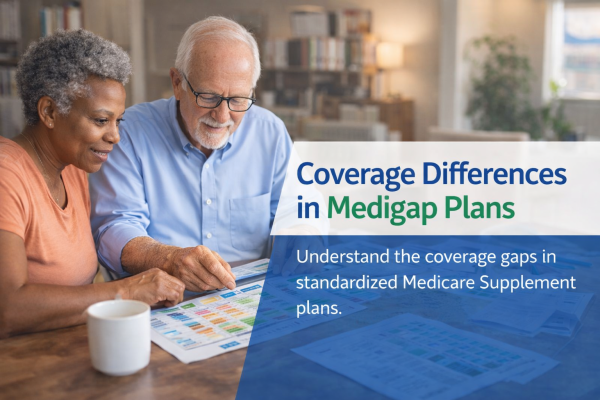
coverage differences in Medigap

Medigap Costs Broken Down

Medigap premiums vary based on where you live, the plan type you choose, your age, and how insurance companies price their policies. Even though Medigap plans are standardized, premiums can differ widely from one insurer to another.

Common factors that influence Medigap costs include:

  • Monthly premium charged by the insurer
  • Whether the plan uses community-rated, issue-age-rated, or attained-age pricing
  • Any state rules that limit pricing changes
  • Discounts for households or automatic payments

Understanding these pricing approaches helps you find a plan that fits your budget today and in future years. Some seniors prefer the broad coverage of Plan G, while others select Plan N for lower premiums and predictable copays.

Reviewing quotes from multiple companies helps you identify the best value.

Medigap premiums may increase over time, but comparing rate histories and company reputation can help you choose a plan that remains stable.

Find & Compare Plans Online

Speak with a licensed insurance agent

1-855-398-0716TTY 711

Mon-Fri: 8am-9pm ET

Steps to Take Before Choosing a Medigap Plan

Before selecting a Medigap plan, seniors should take time to understand their healthcare needs. Start by listing the doctors you see, the services you use most often, and any expected health changes. This makes comparing Medigap options easier.

Next, gather quotes from several insurance companies. Since Medigap plans are standardized, the difference is often in pricing and service ratings rather than coverage. Look at monthly premiums, rate stability, and how companies handle customer service.

Review how Medicare Part D will work alongside your Medigap policy. Since Medigap does not include prescription coverage, pairing it with the right Part D plan is important for controlling medication costs.

If you need help, a licensed Medicare specialist can walk you through the comparison process and explain which Medigap plans offer the strongest value for your health profile.

Seniors benefit from having personalized guidance to avoid overpaying or choosing a plan that does not match their needs.

Reasons Medigap Appeals to Frequent Travelers

Medigap plans are popular among seniors who travel, especially those who spend time in more than one state or who visit family across the country. Unlike Medicare Advantage plans, Medigap does not rely on provider networks.

If a doctor or hospital accepts Medicare, your Medigap plan works there as well.

This national flexibility is a major reason many retirees keep Original Medicare paired with Medigap.

Seniors who travel in RVs, stay with relatives in different states, or move seasonally appreciate the comfort of knowing that Medigap follows them wherever Medicare is accepted.

Certain Medigap plans also include limited foreign travel emergency coverage, which adds peace of mind for seniors who occasionally travel abroad. For active retirees, this extra protection supports the lifestyle they enjoy.

Addressing Claims with Medicare Supplements

Comparing Medigap, Medicare Advantage, and Prescription Drug Plans

Medigap is often compared to Medicare Advantage, but the two work very differently. Medicare Advantage plans combine Parts A and B benefits into one plan and may include extra services like dental or vision.

They use provider networks and set yearly out-of-pocket limits.

Medigap pairs with Original Medicare instead. It offers nationwide access to Medicare-approved providers and focuses on reducing out-of-pocket expenses. Medigap does not include drug coverage, so seniors must add a standalone Part D plan.

Choosing between Medigap and Medicare Advantage depends on your preferences. If you want provider flexibility and predictable cost-sharing, Medigap may be the better fit.

If you want extra benefits bundled together, Medicare Advantage may appeal to you. A licensed Medicare specialist can help compare both options based on your health needs and budget.

Compare plans and enroll online

Find a Medigap Plan That Fits Your Needs

Medigap plans give seniors stronger financial protection, broad provider access, and cost stability throughout the year. By helping cover Medicare’s out-of-pocket responsibilities, a Medigap plan creates a more predictable and secure healthcare experience.

Seniors who value freedom of choice, flexible travel, and steady medical costs often find Medigap to be a smart option.

If you want support comparing Medigap plans, we can review options in your area and help you understand how different plans match your medical and financial goals.

A licensed Medicare specialist can explain pricing, coverage, and enrollment timing so you can make a confident decision for your retirement.

Frequently Asked Questions

What is Medigap insurance?

Medigap, also known as Medicare Supplement Insurance, is private insurance designed to help cover certain
out-of-pocket costs that Original Medicare does not pay. These costs can include deductibles, copayments,
and coinsurance. Medigap works alongside Original Medicare, not as a replacement.


How does Medigap work with Original Medicare?

When you receive healthcare services, Original Medicare pays its share of approved costs first. A Medigap
policy may then pay some or all of the remaining eligible costs, depending on the specific plan you have.
You generally keep the same Medigap policy regardless of which doctor or hospital you use, as long as they
accept Medicare.


Does Medigap cover prescription drugs?

Medigap plans sold today do not include prescription drug coverage. Prescription drugs are typically covered
through a separate Medicare Part D plan. Some older Medigap policies issued years ago may include limited
drug coverage, but these are no longer offered to new enrollees.


Can I have Medigap and Medicare Advantage at the same time?

No. Medigap policies only work with Original Medicare. If you enroll in a Medicare Advantage plan, you cannot
use a Medigap policy to help pay costs under that plan. If you later return to Original Medicare, you may be
able to apply for Medigap again, depending on timing and eligibility rules.


When is the best time to enroll in a Medigap plan?

The best time to enroll in Medigap is during your Medigap Open Enrollment Period. This six-month window begins
when you are both age 65 or older and enrolled in Medicare Part B. During this time, you generally have the
most options available and cannot be denied coverage or charged more due to health conditions.

Have Questions?

Speak with a licensed insurance agent

1-855-398-0716

TTY users 711

Mon-Fri: 8am-9pm ET

Find & Compare Plans Online

Speak with a licensed insurance agent

1-855-398-0716TTY 711

Mon-Fri: 8am-9pm ET

ZRN Health & Financial Services, LLC, a Texas limited liability company