Speak with a licensed insurance agent

1-855-398-0716

TTY user 711 Mon-Fri : 8am-9pm EST

Do I really need Supplemental Insurance with Medicare?

As you approach the time to decide on your Medicare options, you might wonder if supplemental insurance is necessary alongside your Medicare and Medigap coverage.

While Medicare provides essential health coverage, gaps remain that could lead to unexpected expenses.

Understanding what supplemental policies can offer, how they integrate with your current plans, and whether they fit your healthcare needs and budget is critical.

This guide explains the role of supplemental insurance in your Medicare strategy to help you confidently navigate your choices without feeling overwhelmed.

Key Highlights

  • Medicare Parts A and B form the base, but don’t cover all medical costs like copayments and deductibles.
  • Original Medicare excludes routine dental, vision, hearing care, and most prescription drugs, leading many to consider additional insurance.
  • Medicare Supplement Insurance, or Medigap, helps reduce out-of-pocket costs by covering expenses not fully paid by Original Medicare.
  • Medigap plans offer standardized coverage, aiding seniors in managing unexpected healthcare expenses and ensuring financial stability.
  • For a tailored Medicare plan comparison, enter your ZIP code on our site or call for personalized assistance once available.

Compare plans and enroll online

Understanding the Basics of Medicare

Medicare can feel like a maze with its array of choices and lots of details to consider. It’s crucial to grasp the Medicare basics to make informed decisions about your healthcare needs.

Original Medicare, consisting of Part A and Part B, serves as the foundation. While it covers a range of services, understanding what it includes and where it falls short can clarify why supplemental insurance might be worth considering.

By learning about the coverage and its limitations, you can navigate Medicare with confidence and ensure you’re prepared to address any gaps.

What Does Medicare Cover?

What Does Medicare Cover?

Medicare’s foundation lies in Original Medicare, which comprises Part A and Part B. Part A, often considered hospital insurance, primarily covers inpatient care in hospitals, skilled nursing facilities, hospice care, and, in some cases, home health care.

Many folks don’t pay a premium for Part A if they or their spouse paid Medicare taxes for a certain period.

On the other hand, Part B, known as medical insurance, helps cover outpatient care such as doctor visits, preventive services, outpatient surgeries, and medical supplies.

Medicare does a good job by covering a substantial portion of your basic health care needs, but it’s important to understand the specifics. Part B comes with a monthly premium that you need to pay, along with a yearly deductible.

After meeting this deductible, you’ll typically pay 20% of the Medicare-approved amount for services. Understanding these costs up front helps prevent surprises later.

Prescription drug coverage isn’t automatically included under Original Medicare. You’d need to consider enrolling in a separate Medicare drug plan, known as Part D, to obtain coverage for medications.

This addition is essential since prescription drug costs can add up significantly without insurance. Recognizing what Original Medicare covers, and what it doesn’t, enables seniors to fill in the gaps with appropriate plans like Medicare drug plans when necessary.

Limitations of Original Medicare

While Original Medicare offers substantial support, it also has several limitations that might affect your out-of-pocket costs.

The most significant is that Original Medicare doesn’t cover everything, including routine dental, vision, and hearing care, long-term care, and most prescription drugs.

These uncovered areas highlight the need for additional coverage, such as dental/vision/hearing plans or Medicare drug plans.

Another limitation is the exposure to potentially high expenses due to the lack of a cap on out-of-pocket costs. In Original Medicare, you have to cover 20% of service costs, leading to significant bills without supplemental insurance.

For instance, extended hospital stays or ongoing outpatient treatments could increase expenses quickly. Thus, many choose to incorporate Medigap policies to limit these out-of-pocket costs.

Lastly, it’s crucial to remember the geographical limitations of Original Medicare. Coverage is generally U.S.-based, which can impact frequent travelers. This is why it’s often beneficial to review supplemental options that offer international coverage.

By understanding these limitations, seniors and their caregivers are better equipped to address potential financial risks associated with medical care.

These strategies can help manage costs and enhance coverage under Original Medicare.

  • Explore Medicare Advantage for additional benefits like dental, vision, and prescription drug coverage.
  • Investigate Medigap plans for help with co-pays and deductibles to reduce costs.
  • Look into stand-alone dental, vision, and hearing insurance plans for more comprehensive coverage.
  • Review travel insurance options for medical coverage while abroad if you travel frequently.
  • Evaluate combining a Medicare Advantage plan with a Part D plan for broader drug coverage.
  • Consult with a Medicare specialist to better understand individual healthcare needs and plan customization.
  • Analyze potential healthcare needs annually to adjust plans accordingly.

The Role of Supplemental Insurance

Supplemental insurance plays a crucial role in filling in the gaps left by Medicare. As we’ve explored, Original Medicare, with Parts A and B, provides a strong foundation for your healthcare.

However, it’s not without its limits. Supplemental insurance helps you manage out-of-pocket costs that can accumulate quickly, such as copayments and deductibles.

By considering supplemental coverage options, like Medigap, you can ensure greater financial stability and peace of mind as you navigate your healthcare journey. Let’s dive deeper into what this extra insurance involves and how it can support you.

What is Medicare Supplement Insurance?

What is Medicare Supplement Insurance?

Medicare Supplement Insurance, often referred to as “Medigap,” is designed to help people cover the costs that Original Medicare doesn’t fully pay for. This includes things like copayments, coinsurance, and deductibles.

People sometimes view Medigap as extra insurance you can buy from a private health insurance company to ensure you’re not caught off-guard by unexpected medical bills.

This insurance doesn’t replace your Medicare Part A and Part B; it supplements the coverage they provide, hence the name. When you enroll in a Medicare Supplement policy, you join a supportive system that aids in stabilizing healthcare expenses.

It’s important to remember that Medicare Supplement Insurance is regulated differently from other types of health insurance.

Each supplement plan has to follow federal and state laws designed to protect you, and all plans must clearly identify themselves as “Medicare Supplement Insurance”.

The plans are sold by private companies, and each plan offers different benefits, which can help cover costs not included in Original Medicare. Having a Medigap policy pays you back by lowering financial strain when dealing with healthcare expenses.

Remember, supplemental coverage isn’t mandatory, but it often feels essential for many to avoid high out-of-pocket costs.

This form of supplement insurance does not include benefits like dental, vision, or hearing, so it’s smart to look at other specific plans for these needs. Selecting the right supplement plan depends on your specific healthcare needs and financial situation.

Each person has unique health and budgetary requirements, and supplement plans can fit these varying needs by offering tailored solutions. Carefully reviewing what’s available and comparing them helps create a complete healthcare package.

Thus, understanding what Medicare supplement insurance is will guide you to make an informed decision about joining a Medicare supplement plan.

How Does Supplemental Coverage Assist?

Supplemental coverage, through Medicare Supplement plans, plays an invaluable role in cushioning the financial impact of health care costs not covered by Original Medicare.

These plans help by addressing the costs of copayments, coinsurance, and deductibles that Medicare, on its own, doesn’t cover. Essentially, having supplemental coverage helps manage these high out-of-pocket costs.

Without it, Medicare beneficiaries could be faced with significant expenses, which underscores the importance of contemplating this extra layer of insurance.

In practical terms, suppose you need frequent visits to healthcare providers or require extensive medical services. In those cases, your expenses could add up quickly due to Medicare’s 20% coinsurance responsibility.

By having a supplemental plan, these extra charges aren’t an immediate out-of-pocket burden.

Such policies take financial worries off your shoulders, allowing you to focus more on your health and well-being rather than uncertainty about how to pay for the care you need.

Furthermore, supplement plans often provide a sense of stability by offering predictable costs, which helps many seniors on fixed incomes budget their healthcare expenditures more effectively.

Since Original Medicare doesn’t include certain types of care, like overseas coverage, some supplement policies offer this benefit, making them ideal for those who travel.

This additional support fosters a comprehensive healthcare experience, ensuring that you remain protected in a variety of scenarios.

Choosing the right supplemental coverage requires an understanding of your healthcare patterns and financial ability. Engaging in this process carefully can lead to selecting a plan that maximizes your coverage without unnecessary financial strain.

With this approach, supplemental coverage takes on a proactive role by not just managing expenses but also enhancing your overall Medicare experience.

Find & Compare Plans Online

Speak with a licensed insurance agent

1-855-398-0716TTY 711

Mon-Fri: 8am-9pm ET

Exploring Medicare Supplement Plans

When you’re considering your healthcare options with Medicare, understanding Medicare Supplement Plans, also known as Medigap, can be crucial.

These insurance plans are designed to help fill the gaps left by Original Medicare, addressing costs like copayments and coinsurance. By carefully evaluating Medigap coverage, you can enhance your healthcare plan with added benefits and peace of mind.

This section delves into the common features of these supplement plans and the advantages they offer, assisting you in making informed decisions about your healthcare needs.

Common Features of Medicare Supplement Plans

Medicare Supplement Plans, often termed as Medigap, are standardized plans available through private insurance companies, designed to work alongside Original Medicare.

These plans are vital because they cover additional costs that Medicare Parts A and B leave behind, such as copayments, coinsurance, and deductibles.

While all Medigap policies must adhere to federal and state laws, they vary based on the specific benefits they provide to the insured, ensuring you receive comprehensive support tailored to your needs.

Each Medigap policy is designated by a letter, ranging from Plan A to Plan N, with each offering different levels of coverage. However, all plans with the same letter provide the same standard benefits, regardless of the insurer.

This standardization makes it simpler to compare supplement plans across different providers, ensuring transparency and ease of purchase.

It’s crucial to note that Medigap policies are designed to supplement Original Medicare, not replace it, ensuring you’re covered both domestically and, with some plans, internationally.

Enrollment in supplement plans can be particularly beneficial during your Medigap Open Enrollment Period, a six-month period that begins the first month you have Medicare Part B and are 65 or older.

During this period, you have a guaranteed right to buy any Medigap policy sold in your state, regardless of health status. This opportunity is a key time to secure a plan that fits your financial and health needs, at a predictable cost.

The common features of these plans offer a comprehensive safety net, providing the peace of mind that healthcare expenses won’t break the bank.

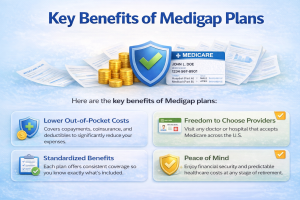
Benefits of Medigap Policies

The benefits of opting for Medigap policies extend beyond filling the financial gaps left by Original Medicare.

Primarily, these policies ensure that your out-of-pocket costs are minimized, offering a significant degree of financial predictability in managing healthcare expenses.

This is especially vital for seniors on a fixed income, who might find unexpected medical bills challenging to manage. With Medigap coverage, costs like coinsurance and copayments are substantially reduced or even eliminated, offering financial relief.

Moreover, Medigap policies can offer additional benefits such as foreign travel emergency coverage, which is not provided by Original Medicare.

This aspect is particularly beneficial for seniors who enjoy traveling abroad, offering peace of mind knowing they are protected, no matter their location.

Such benefits make Medigap a supportive choice for those seeking comprehensive healthcare protection without borders.

In terms of choosing a plan, the flexibility and range of Medigap policies allow you to select one that fits seamlessly with your current healthcare needs and lifestyle.

Whether you require frequent healthcare services or anticipate minimal interaction, there’s a Medigap policy designed to align with your expectations.

By analyzing the advantages and comparing them with your personal needs, Medigap plays an instrumental role in building a reliable healthcare foundation that complements Original Medicare.

It’s a thoughtful choice that empowers seniors to navigate their healthcare options confidently and securely.

Remember, understanding and selecting a Medicare Supplement Plan is an investment in your future healthcare. To compare these plans based on your location, enter your ZIP code on our site.

Doing so will provide tailored options suitable for your needs. For personalized support, you’re welcome to call us once our phone number is available.

We are committed to helping you make informed, confidence-boosting decisions regarding your Medicare coverage.


Plan Features Coverage Options Enrollment Period Additional Benefits
Covers Out-of-Pocket Costs Plan A, B, C, D, F, G, K, L, M, N Open Enrollment for six months starting when you turn 65 and enroll in Part B Foreign Travel Emergency Coverage
No Network Restrictions Standardized Across Providers Special Enrollment Possible for Certain Situations Skilled Nursing Facility Coinsurance
Guaranteed Renewable Variety of Cost-Sharing Options Possible Late Enrollment Penalties Limited Part B Excess Charges
Standardized Benefit Structure High Deductible Options Available Pre-Existing Condition Waiting Periods May Apply Preventive Health Services


This table offers a concise overview of how Medicare Supplement Plans add valuable support to Original Medicare by filling crucial coverage gaps and offering additional benefits.

Choosing the Right Insurance for You

Navigating the complexities of Medicare insurance can be challenging, especially as you strive to select the right insurance coverage that complements Original Medicare.

With various options available, from Medigap to other types of supplemental insurance, it’s important to consider several factors that will influence your decision.

By assessing these factors carefully, such as financial implications and lifestyle needs, you can ensure that your insurance choice aligns well with your healthcare preferences.

This guidance will give you confidence in selecting the right plan that meets your specific healthcare needs and financial situation.

Factors to Consider When Selecting a Plan

Factors to Consider When Selecting a Plan

When selecting a Medicare supplemental plan, several key factors should shape your decision. Understanding these considerations can help you choose a plan that fits your individual needs and secures your long-term financial health.

First, evaluate your current healthcare expenses and coverage needs. Do you frequently visit healthcare providers, or are you mostly healthy with minimal medical interventions?

Knowing this helps in forecasting potential costs not covered by Original Medicare, allowing you to choose the right insurance to fill those gaps efficiently.

Next, consider the financial aspects of the insurance options you’re reviewing. Look at the premiums, deductibles, and out-of-pocket limits.

Remember that while some plans may have lower premiums, they might also come with higher out-of-pocket costs, which could impact your budget.

It’s crucial to balance these costs with your monthly financial resources to avoid unnecessary financial strain in the long run.

Another important factor is understanding the type of supplemental coverage you need beyond what Medigap provides. For example, if dental, vision, or hearing benefits are important to you, explore plans that specifically cover these areas.

Also, think about other realities, such as travel. If you plan to travel frequently, consider a plan that includes international medical coverage. This ensures you’re protected both locally and abroad, providing peace of mind wherever you go.

Additionally, assessing the reputation of the private health insurance company you might choose is vital. Research their customer service quality, ease of claims processing, and overall satisfaction ratings.

Often, word of mouth from other seniors or reviews can provide valuable insights that influence your choice.

Lastly, retirement marks a shift in income, making it more important than ever to have a solid financial plan. An insurance plan that foresightfully complements your retirement income can aid in sustaining your healthcare expenses comfortably.

By understanding and applying these factors to your decision-making process, you empower yourself to select a plan that aligns well with your present and future healthcare needs, ensuring you’re prepared without excess strain on your wallet.

As you explore these options, compare them thoughtfully to find a holistic plan that matches your lifestyle and financial needs. Don’t hesitate to consult resources or seek personalized help to ensure you’re making an informed and wise choice.

Understanding these factors helps build a robust healthcare plan tailored to your needs. To begin exploring these plans, simply enter your ZIP code on our site to see available options, and call us for personalized support once our number is accessible.


Next Steps for Comparing Medicare Options

Once you’ve grasped the essentials of Medicare and supplemental insurance, what are the next steps in comparing Medicare options?

It’s crucial to approach this decision with clarity and confidence to ensure the best fit for your healthcare and financial needs. Let’s explore how to evaluate different insurance options efficiently.

First, gather detailed information about your current healthcare needs. Reflect on how often you visit healthcare providers and the types of services you typically use.

This self-evaluation helps identify which Medicare options, like Medicare Advantage or traditional Medigap policies, will best complement your needs.

Consider the prescription and out-of-pocket costs you currently face and how a new policy might help manage these expenses more effectively.

Next, utilize available resources to conduct a comprehensive comparison of the plans you’re considering. Start by comparing the benefits, premiums, and out-of-pocket costs of each policy.

Look into how each plan handles costs for essential services like prescriptions and hospital visits, as these can vary. This detailed approach will highlight the differences and help guide your decision.

Don’t forget to account for additional services like dental, vision, or hearing coverage, if they’re important to you.

These are often crucial aspects not covered by Original Medicare, and selecting plans that include or supplement these services can provide a more rounded healthcare experience.

Finally, use online tools and enter your ZIP code on our site to get a list of plans available in your area. This localized list will offer a clear view of your accessible policy options.

Once ready, you’re invited to call us for personalized help when our phone number is available. By following these steps, you’re in the right position to make an informed choice about your Medicare coverage.

Remember, comprehensive research and comparison are key to finding a policy that aligns with your lifestyle and budget needs.

Understanding your Medicare options, including Medigap and additional insurance, can feel complex. Remember, you have choices tailored to fit your needs and budget.

You’re not alone. Use our site with confidence to explore plans by entering your ZIP code. A friendly voice is also on hand when our phone number becomes available for personalized guidance.

We’re here to support you in making informed decisions about your healthcare coverage.

Compare plans and enroll online

Frequently Asked Questions

What is the purpose of Medicare Supplement Insurance?

Medicare Supplement Insurance, or Medigap, helps cover costs that Original Medicare doesn’t fully pay for, such as copayments, coinsurance, and deductibles. It’s a way to reduce out-of-pocket expenses associated with healthcare.

Do I need supplemental insurance if I have Original Medicare?

While it’s not mandatory, many find supplemental insurance beneficial for handling expenses like copayments and deductibles not covered by Original Medicare. Deciding depends on your healthcare needs and financial situation.

How does Medigap differ from Medicare Advantage?

Medigap supplements Original Medicare by covering out-of-pocket costs. Medicare Advantage offers an alternative way to get Medicare benefits through private plans that often include additional services like vision or dental, which aren’t covered by Medigap.

What areas of healthcare does Original Medicare not cover?

Original Medicare doesn’t cover routine dental, vision, hearing care, long-term care, and most prescription drugs. You might need additional plans to address these gaps.

When is the best time to enroll in a Medigap plan?

The ideal time is during your Medigap Open Enrollment Period, a six-month window starting the first month you have Medicare Part B and are 65 or older. During this period, coverage is available regardless of health status.

Have Questions?

Speak with a licensed insurance agent

1-855-398-0716

TTY users 711

Mon-Fri: 8am-9pm ET

Find & Compare Plans Online

Speak with a licensed insurance agent

1-855-398-0716TTY 711

Mon-Fri: 8am-9pm ET

ZRN Health & Financial Services, LLC, a Texas limited liability company