Speak with a licensed insurance agent

1-855-398-0716

TTY user 711 Mon-Fri : 8am-9pm EST

How do I get Dental and Vision Coverage with Medicare?

Understanding how to get dental and vision coverage with Medicare can be confusing. Original Medicare does not cover these needs, but you have options. You can explore coverage through Medicare Advantage (Part C) plans.

Some plans, including those from Anthem, might offer dental and vision benefits. It’s important to compare these options to find a plan that fits your needs and budget.

This guide will explain how dental, vision, and Anthem coverage work together to help you make informed Medicare choices. Let’s uncover the paths to securing these essential health benefits.

Key Highlights

  • Original Medicare covers hospital (Part A) and medical (Part B) insurance, but not routine dental or vision care.
  • To add dental and vision coverage, explore Medicare Advantage plans, which often include these benefits.
  • Medicare Advantage plans offer additional services, like dental and vision, beyond Original Medicare.
  • Anthem provides comprehensive dental and vision coverage, integrating these into its health plans.
  • To choose the right plan, evaluate your routine dental and vision needs and compare coverage options.

Compare plans and enroll online

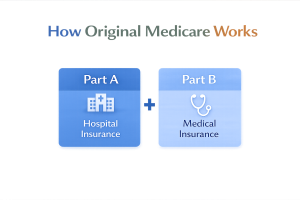
How Original Medicare Works

Understanding Medicare and Its Basic Benefits

Medicare is a federal health insurance program primarily available to those aged 65 and older. It’s designed to cover essential healthcare needs, making it crucial to understand what Medicare covers and what it doesn’t.

Original Medicare has two parts: Part A, which focuses on hospital insurance, and Part B, which deals with medical insurance. Recognizing these basic benefits can help you navigate additional coverage if needed.

Keep in mind that while Original Medicare provides a solid foundation, there might be gaps in dental and vision care that many seek to fill with additional plans.

What Does Original Medicare Cover?

Original Medicare, which includes Part A and Part B, lays the groundwork for essential health coverage. Part A, often coined as hospital insurance, primarily covers inpatient care in hospitals, skilled nursing facilities, hospice, and some home health care.

Beneficiaries generally don’t pay a premium for Part A if they’ve paid Medicare taxes for at least 10 years, often referred to as their work year.

On the other hand, Part B, which many consider medical insurance, covers outpatient care, doctor visits, preventive services, and some home health care.

It’s important to note that while Part B covers medically necessary services and preventive measures, it does require a monthly premium.

What Medicare covers here ensures that general healthcare needs, like routine check-ups or preventative screenings, are met.

However, Original Medicare doesn’t typically cover routine dental, vision, or hearing care. As you consider your year-to-year health needs, you might find it necessary to explore other options or supplemental plans to fill these gaps.

Learning what Original Medicare covers is the first step in evaluating whether additional coverage is necessary for comprehensive care, especially for specific needs like dental and vision.

Adding Dental and Vision Coverage to Medicare

Understanding how to enhance your Medicare with dental and vision benefits can be essential for ensuring comprehensive care.

While Original Medicare provides a foundation, it doesn’t cover routine dental or vision care, leaving many searching for supplemental options. You can look into different insurance options to fill these gaps, such as Medicare Advantage plans or specific standalone plans.

This section will guide you on how to add these important benefits, so you’re prepared to make informed decisions about your dental vision insurance options.

How Can You Get Vision Benefits?

To obtain vision coverage with Medicare, many find that exploring Medicare Advantage plans is a useful step. These plans, also known as Part C, often bundle vision benefits with other healthcare services, providing a convenient option for complete coverage.

They can cover routine eye exams, glasses, and even some more extensive vision health items. However, if you’re keen on comprehensive vision insurance without switching all your coverage, standalone vision plans are an avenue to explore.

These standalone plans allow for targeted coverage of eye health, from routine check-ups to corrective lenses, independent of broader health insurance changes.

Medigap, which is another supplemental plan option, does not typically include vision benefits. Still, it plays a critical role in covering healthcare costs not paid by Original Medicare, offering financial support in other ways.

As you evaluate your own vision health needs, consider the importance of having these details covered. Costs for vision care can add up without insurance, especially if you need frequent updates to your prescription or specialized vision care.

Using resources such as MedicarePlansGuide.org can offer insights and help you compare these insurance options effectively.

Adding vision benefits doesn’t have to complicate your Medicare plan. By assessing your unique vision needs, like how often you pay for eye exams or new glasses, you can choose a plan that aligns with your budget.

It’s about enhancing your coverage with the right mix that’s best for you.

Keep in mind that seeking additional advice from a knowledgeable source like MedicarePlansGuide.org allows you to pay attention to all available options and make sound decisions regarding your vision coverage.

How Medicare Advantage Goes Beyond Original Medicare

Exploring Medicare Advantage and Its Added Benefits

Medicare Advantage plans, also known as Part C, offer a robust set of benefits beyond what Original Medicare covers.

These plans combine hospital insurance (Part A) and medical insurance (Part B), often including additional perks like dental and vision.

For many seniors, switching to a Medicare Advantage plan can provide access to these extra services conveniently bundled together. By offering dental services and vision benefits, Advantage plans cater to those seeking comprehensive health coverage.

It’s crucial to understand how these plans work, especially if you’re looking to fill the gaps left by Original Medicare.

Do Advantage Plans Include Dental and Vision?

Medicare Advantage plans are popular among seniors seeking more comprehensive coverage than Original Medicare provides. Most plans offer extra benefits that Original Medicare doesn’t cover, such as dental services and vision benefits.

These plans often include routine dental care, like cleanings and exams, as well as more extensive vision health items like glasses and eye exams.

By bundling these services, Advantage plans provide convenience for those wanting to consolidate their healthcare needs into one plan.

While every Medicare Advantage plan is different, many include these added benefits as part of their offerings. It’s essential to review each plan’s specifics to see what dental and vision coverage is included.

Some programs may only cover basic dental services, while others might offer comprehensive care, covering procedures like fillings and crowns. Similarly, vision benefits can range from covering basic exams to including allowances for glasses or contact lenses.

Choosing an Advantage plan with dental and vision benefits can ease the financial burden of these crucial services.

By understanding the range of benefits that Medicare Advantage (Part C) plans can offer, seniors can make informed decisions about their health coverage.

Taking the time to compare health insurance plans can ensure that you select one that aligns with your health needs and budget.

For detailed guidance on Medicare Advantage plans, using resources like MedicarePlansGuide.org can empower you to effectively assess your options.

Find & Compare Plans Online

Speak with a licensed insurance agent

1-855-398-0716TTY 711

Mon-Fri: 8am-9pm ET

Comparing Medicare Advantage and Medigap Options

When it comes to enhancing your healthcare coverage, understanding the nuances of Medicare Advantage and Medigap is key. Both avenues offer ways to expand on what Original Medicare provides, but they do so differently.

This section will explore how you can choose between Advantage plans and Medigap or supplement insurance to fill those crucial gaps like dental and vision care.

By comparing these options with your specific needs, you’ll feel more empowered to make decisions that align with both your health priorities and budget constraints.

Comparing Medicare Advantage and Medicare Supplement Options

Choosing Between Advantage Plans and Supplement Insurance

The decision to go with Medicare Advantage or supplement insurance like a Medigap policy depends on individual health needs and preferences.

Medicare Advantage plans, also known as Part C, combine hospital and medical insurance into a single package, frequently including benefits like dental and vision. They offer an all-in-one solution, making healthcare management simpler by consolidating services.

These plans often come with networks of doctors and healthcare providers, which means you’ll need to receive most forms of care within the network, unless it’s an emergency.

On the flip side, Medigap policies, or supplement insurance, offer another layer of coverage for costs not covered by Original Medicare.

Unlike Medicare Advantage, Medigap doesn’t typically include dental or vision benefits but is designed to help cover deductibles, copays, and other out-of-pocket expenses.

One advantage of Medigap is that it allows more freedom in choosing healthcare providers; you’re not limited to a network, which might appeal to those who travel frequently or have specific healthcare providers they prefer to continue seeing.

When choosing between these options, consider what additional benefits are most important to you. If dental and vision coverage is a priority, an Advantage plan might be a better fit.

However, if access to any provider who accepts Medicare is crucial, Medigap could be the answer. The cost structure is another thing to weigh. While Advantage plans might have lower premiums, Medigap can offer more predictable out-of-pocket expenses.

Resources like MedicarePlansGuide.org can provide valuable insights and comparisons to help you navigate these decisions and ensure your choice meets both your healthcare needs and budgetary considerations.

Here are some key considerations to keep in mind when evaluating your Medicare options:

  • Assess your preferred healthcare providers and check if they are included in the plan networks.
  • Consider potential out-of-pocket costs, including deductibles, copayments, and co-insurance.
  • Evaluate the coverage for prescription medications you regularly use.
  • Review additional benefits like vision, dental, and wellness programs offered by some plans.
  • Understand annual plan changes and how they might affect your coverage or costs.
  • Consider your travel habits and ensure your coverage works nationally or even internationally if needed.
  • Reflect on your current and foreseeable healthcare needs to predict future expenses.

These points can help you align your Medicare choice with both your health needs and personal preferences.

The Role of Anthem in Providing Coverage

When you’re exploring options for dental and vision coverage alongside your Medicare plan, the role of Anthem in providing coverage can’t be overlooked. Anthem is one of the well-known names in the health insurance industry, recognized for its diverse array of plans.

It blends the benefits of dental and vision with the broader needs of health insurance. Understanding how Anthem integrates these advantages into their plans will empower you to make knowledgeable healthcare decisions.

Let’s delve into how Anthem uniquely positions its offerings to enhance your Medicare coverage efficiently and reliably.

Understanding Anthem's Approach to Dental and Vision

Anthem’s approach to providing dental and vision coverage alongside Medicare illustrates a comprehensive method to meet the diverse needs of its clients.

Anthem’s insurance plans often bundle various types of coverage, giving beneficiaries the ability to streamline their healthcare under one provider.

This means you can potentially get dental, vision, and broader health coverage all through Anthem, simplifying your insurance dealings.

For dental, Anthem offers plans that can cover everything from routine check-ups and cleanings to more complex procedures like fillings and crowns.

On the vision front, their coverage can assist with regular eye exams, corrective lenses, and even offer allowances for glasses or contact lenses. By doing so, they aim to cover a wide spectrum of your healthcare needs.

While many Medicare plans focus on either medical or hospital insurance, Anthem’s plans look to provide additional value by wrapping these essential coverages into a single plan for convenience and comprehensive care.

This approach helps fill the gaps left by standard Medicare. Therefore, understanding Anthem’s offerings not only clarifies what’s in your plan but also ensures you’re getting the most well-rounded coverage available.

By using intuitive resources like MedicarePlansGuide.org, seniors and caregivers can gain valuable insights into how these plans work and if they suit individual health needs and financial situations.

Practical Tips for Choosing the Right Coverage

Choosing the right dental and vision coverage to complement your Medicare plan can significantly impact your overall healthcare experience.

By evaluating your specific needs and understanding the options available, you’ll be better equipped to make an informed decision. This includes assessing whether standalone or bundled plans are more suitable for your situation.

Moreover, knowing how to identify crucial plan features can ease your decision-making process.

Here, we’ll guide you through identifying and evaluating your dental and vision needs, ensuring that your Medicare coverage is both comprehensive and tailored to your unique situation.

How to Evaluate Your Dental and Vision Needs

When it’s time to choose plans for enhanced dental and vision care, start by evaluating your personal needs. Consider the types of services you regularly use. Do you go for routine dental checkups often?

Or perhaps your vision requires frequent updates to your prescription glasses? Think about these factors because they help pinpoint the areas that need coverage.

For dental, this might mean extracting insights about whether your past dental visits indicated a need for regular cleanings or occasional complex procedures like crowns and fillings.

Vision plans often cover eye exams, but if you need glasses or contact lenses, ensure these are part of your consideration. Some plans might offer allowances for these costs.

Look for plans that align well with your frequency of visits. An annual exam might be sufficient for some, while others perhaps need more frequent checkups or adjustments to corrective lenses.

With all these details in mind, it’s easier to choose policies that fill the gaps left by Original Medicare. By factoring in your routine and potential future needs, you can select plans wisely, ensuring costs align sympathetically with your financial situation.

Using resources like MedicarePlansGuide.org provides clarity, helping you navigate your options effectively. Remember, balancing cost with coverage is key in your journey to secure health peace of mind.

Final Steps to Compare and Choose Your Plan

Now that we’ve explored the types of coverage available, it’s time to confidently compare plans and select what’s best for your healthcare journey. Start by reviewing the specific details of each option, whether it’s a Medicare Advantage plan or a standalone policy.

Understand how each plan addresses your essential needs, like dental care and vision services, which can often be overlooked.

Accessing dental care can include basic cleanings and more complex services, so it’s important to see if these are included in the plans you’re considering.

As you compare plans, keep an eye on how they integrate drug coverage. Some plans conveniently bundle medicare drug coverage with other health benefits, making it simpler to manage your healthcare needs in one place.

Look into the resources available for each plan, such as networks of doctors and specialists, to ensure they align with your current health providers.

Remember, the goal is to find a plan that suits both your health requirements and financial budget. Use tools and guides that offer clear insights into plan specifics, so you can make an informed choice.

Always verify every detail, from dental coverage to drug coverage, as each plan varies widely. Comparing plans thoroughly can help you secure coverage that supports your well-being comprehensively.

For more help, entering your ZIP code on our site lets you compare Medicare options with ease. Once our phone number is available, you can call for personalized support.

Coverage Features Plan Comparison Tips Resources & Tools
Include dental and vision services Examine differences in plan networks Utilize plan comparison websites
Check integration of drug coverage Evaluate monthly premiums and out-of-pocket costs Access customer reviews
Ensure availability in your area Assess plan flexibility and coverage across different needs Use insurance company tools for calculations
Account for specialist care requirements Prioritize plans with preferred providers Contact customer support for personalized assistance

This table provides a streamlined view of the essential considerations when evaluating healthcare plans, helping you make an informed decision.

We hope this guide helped you understand your Medicare options for dental and vision coverage. Remember, it’s important to compare your choices and see what fits your needs and budget.

Enter your ZIP code on MedicarePlansGuide.org to explore plans available in your area. If you need personalized help, feel free to call us when our phone number becomes available. We’re here to support your journey towards informed Medicare decisions.


Compare plans and enroll online

Frequently Asked Questions

Does Original Medicare cover dental and vision care?

No, Original Medicare (Parts A and B) typically covers hospital visits and medical insurance but does not include routine dental or vision care.

How can I get dental and vision coverage with Medicare?

To add dental and vision coverage, consider exploring Medicare Advantage (Part C) plans, which often include these additional benefits beyond what Original Medicare offers.

What are Medicare Advantage plans?

Medicare Advantage plans, also known as Part C, combine hospital and medical insurance and often include extra services such as dental and vision care.

How does Anthem incorporate dental and vision benefits into their Medicare plans?

Anthem offers plans that bundle dental and vision benefits with broader health coverage. This integration aims to simplify managing these essential health benefits under one comprehensive plan.

What factors should I consider when choosing a Medicare Advantage plan for dental and vision coverage?

When selecting a plan, evaluate your routine dental and vision needs and compare various coverage options. Consider how frequently you need dental checkups and eye exams, and check if the plan aligns with your budget and healthcare requirements.

Have Questions?

Speak with a licensed insurance agent

1-855-398-0716

TTY users 711

Mon-Fri: 8am-9pm ET

Find & Compare Plans Online

Speak with a licensed insurance agent

1-855-398-0716TTY 711

Mon-Fri: 8am-9pm ET

ZRN Health & Financial Services, LLC, a Texas limited liability company