Speak with a licensed insurance agent

1-855-398-0716

TTY user 711 Mon-Fri : 8am-9pm EST

Difference Between Medicare Part A and B

Welcome to an easy guide for understanding the basics of Medicare, specifically focusing on Parts A and B. Medicare Part A helps cover hospital stays and skilled nursing care.

It’s important to know how Part A works with Part B, which handles doctor visits and outpatient needs. We’ll explain details about Part B to make it easy for you to compare and decide what fits your healthcare needs.

Stay informed and confident as you navigate your Medicare options with clear insights and practical information.

Key Highlights

  • Medicare Part A covers hospital stays, skilled nursing care, and hospice services.
  • Medicare Part B focuses on outpatient care, doctor visits, and preventive healthcare services.
  • Original Medicare includes Parts A and B, providing foundational health coverage for seniors.
  • Enrollment in Medicare Part A can be automatic if you’ve paid enough Medicare taxes.
  • Part B requires a monthly premium and covers essential outpatient and preventive services.

Compare plans and enroll online

What is Medicare?

Medicare is a vital program that many might have heard of but not fully understand. Established by the government, it aims to provide health coverage primarily for those who are 65 or older, although younger individuals with disabilities can qualify, too.

The program is comprised of different parts, each serving unique benefits to fit various healthcare needs. Here, we’ll break down the basics of Medicare coverage and offer a clearer picture of what Original Medicare entails.

Whether you’re just starting to explore your eligibility or seeking clarity on your current coverage, this guide will help you grasp how Medicare works.

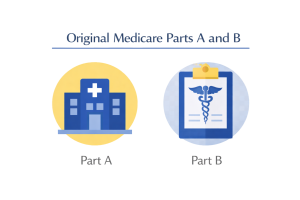
Original Medicare Parts A and B

Basics of Medicare Coverage

The Medicare program, a cornerstone of health benefits provided by the government, is designed to assist older adults and certain younger individuals with disabilities by managing healthcare costs.

It comprises several parts, each tailored to cover specific services. Original Medicare, which is one of the primary components, includes Part A and Part B. Part A generally helps pay for hospital stays, nursing facilities, and some home health care services.

On the other hand, Part B focuses on covering doctor visits, outpatient care, and preventive services, which are essential for maintaining good health and detecting health issues early on.

This foundational framework of Medicare is integral as it forms the core upon which other plans and supplements, like Medicare supplements and Medicare Advantage, are built.

For instance, Part C, also known as Medicare Advantage, is an alternative including all the benefits of Parts A and B, usually with additional coverage options like dental and vision.

These plans are offered by private insurers approved by the Medicare program, aiming to provide even broader coverage within the same structure.

Additionally, Part D prescription drug plans are available to help with prescription medication costs, something that Original Medicare does not fully cover on its own.

Understanding the costs associated with Medicare is crucial. While many enrollees won’t have to pay a premium for Part A if they have sufficient working credits, Part B does have a monthly premium that beneficiaries are responsible for.

There’s also a deductible and coinsurance for specific services, which vary depending on the coverage chosen. Knowing these basics can empower you to select the most suitable benefits that align with your health needs and financial situation.

Original Medicare Explained

Original Medicare is the traditional Medicare framework that includes Part A and Part B. This form of Medicare coverage has been the government-standard since the program’s inception.

Part A, often termed hospital insurance, generally covers inpatient hospital stays, short-term care in skilled nursing facilities, hospice care, and some home healthcare. The main focus of Part A is on services that are related to hospital care.

Many beneficiaries are eligible without having to pay a premium if they’ve paid Medicare taxes for a sufficient period during their work life, but some will pay a premium if they haven’t met those thresholds.

Part B of Original Medicare, known as medical insurance, offers coverage for outpatient care, physician services, preventive services, and other services not covered by Part A.

This includes doctor visits and certain home healthcare services. Part B is vital because it encompasses preventive services like flu shots and screenings for cancer, diabetes, and cardiovascular diseases.

These benefits help in maintaining overall wellness and prevent more serious health issues down the line, which underscores the significance of opting into Part B’s coverage.

Eligibility for Original Medicare usually requires being 65 or older, but individuals under 65 with certain disabilities or conditions, such as End-Stage Renal Disease, may also qualify.

It’s important to note that while Original Medicare covers many aspects of healthcare, it typically doesn’t cover everything, including some prescription drugs, dental, hearing aids, or vision care.

This is where additional plans, like Medicare supplements, also known as Medigap, prove valuable by covering these gaps.

Understanding the different parts and how they function in tandem with each other is crucial in maximizing your Medicare benefits and ensuring comprehensive coverage.

Understanding Medicare Part A

Medicare Part A is a crucial component of the Medicare program, often referred to as hospital insurance. It plays a key role in covering inpatient services and forms part of the foundation of Original Medicare.

This section focuses on the types of healthcare services Part A covers and how to navigate eligibility and enrollment.

By understanding these elements, you can better assess how Part A fits into your healthcare needs and ensure you’re making informed decisions about your Medicare coverage.

Aspect Details Considerations
Coverage Inpatient Hospital, Skilled Nursing, Hospice, Home Health Care Understand the specific services included and any limitations
Eligibility Age 65+ or under 65 with a qualifying disability Verify eligibility criteria based on age or disability status
Costs Premium-free for most beneficiaries; deductible and coinsurance apply Review cost-sharing structures and any applicable premiums
Enrollment Initial, Special, and General Enrollment Periods Identify the correct enrollment period based on personal circumstances

This table highlights how Part A services, eligibility, and enrollment details integrate into the broader scope of Medicare planning.

What Medicare Part A Covers

Medicare Part A is primarily designed to cover hospital-related services. When you’re admitted to an inpatient hospital setting, Part A steps in to provide coverage. This includes the cost of semi-private rooms, meals, and necessary tests while you’re in the hospital.

It also covers care in skilled nursing facilities for a limited time, hospice care for the terminally ill, and some home health care services under specific conditions.

If you’ve paid Medicare taxes through work for at least 10 years, you typically don’t pay a premium for Part A, often referred to as being “premium-free.” However, if you haven’t met this requirement, you’ll need to pay a monthly premium.

The coverage Part A offers is essential for managing significant healthcare costs during hospital stays and can greatly alleviate financial burdens in such situations.

Understanding these aspects helps you maximize your benefits and plan accordingly.

It’s important to note that while Part A covers many vital services, it doesn’t encompass everything; certain services, like long-term care or most outpatient procedures, fall under different parts of Medicare.

Recognizing what Medicare Part A truly includes will aid you in aligning your healthcare plans and anticipating coverage needs effectively.

Who is eligible for Medicare Part A

Eligibility and Enrollment Details for Part A

To be eligible for Medicare Part A, you generally need to be 65 or older, though there are exceptions for those under 65 with certain disabilities or conditions like End-Stage Renal Disease.

If you’ve paid Medicare taxes through employment, eligibility for premium-free Part A is straightforward and automatic when you turn 65. However, if you haven’t earned enough work credits, you may need to pay premiums based on your work history.

Enrollment in Part A can happen automatically, especially if you’re receiving Social Security or Railroad Retirement Board benefits.

Yet, if you’re not automatically enrolled, you can sign up during your initial enrollment period, which starts three months before the month you turn 65 and ends three months after.

Deciding when to enroll is important since delaying enrollment could lead to late penalties, increasing your costs over time.

Understanding the nuances of eligibility and enrollment helps ensure that you capitalize on all available Medicare benefits.

Remember, while Part A covers invaluable hospital services, it doesn’t include many outpatient needs; that’s where Parts B and D, or even Medicare Supplement plans, come into play.

By combining coverage options, you can build a comprehensive plan that addresses both inpatient and outpatient health services effectively and economically.

Find & Compare Plans Online

Speak with a licensed insurance agent

1-855-398-0716TTY 711

Mon-Fri: 8am-9pm ET

Exploring Medicare Part B

Medicare Part B is a key component of Original Medicare, focusing on covering essential outpatient services and preventive care. It’s often seen as a companion to Part A, together forming a broad healthcare foundation for those who are eligible.

Understanding what Part B covers and how to enroll can empower you to make informed decisions about your healthcare.

Let’s walk through the benefits and coverage of Part B, as well as the steps for signing up, so you can maximize your Medicare benefits while staying within your financial means.

What Medicare Part B Covers

Medicare Part B is often called “medical insurance” because it deals with medical services mostly outside hospital walls.

This part of Medicare covers a wide range of services that are essential for maintaining one’s health, including visits to doctors, outpatient care, and preventive services like flu shots and screenings for cancer, diabetes, and heart disease.

Part B is crucial because it helps detect and address health issues early and supports continuous health management.

The services provided under Part B extend to durable medical equipment (DME) like wheelchairs and walkers, necessary for mobility and home healthcare.

It also includes limited prescription drugs primarily administered in clinical settings, such as chemotherapy drugs. Home health services are also part of the package, ensuring that those who need intermittent skilled nursing care or therapy can receive it at home.

When it comes to costs, beneficiaries are required to pay a monthly premium, which might be adjusted depending on their income.

There’s also an annual deductible, followed by the need to pay roughly 20% of the Medicare-approved amount for most doctor services, DME, and outpatient therapy.

Understanding these components of Part B is crucial for planning your healthcare expenses, as the combination of covered services and associated costs defines the coverage Part B provides.

This information helps you to navigate your Medicare Part choices effectively, keeping in mind that certain services not covered by Parts A and B might require additional coverage like Medigap or Medicare Advantage plans.

Understanding how to make the most out of your Medicare Part B coverage can greatly enhance your healthcare experience.

Here are some important tips to keep in mind:

  • Review your coverage annually to stay informed about any changes to benefits or costs.
  • Schedule preventive services that are fully covered to maintain your health and avoid additional expenses.
  • Explore supplemental insurance options to help cover out-of-pocket costs not included in Part B.
  • Keep track of Medicare-approved providers to ensure your services are covered.
  • Utilize Medicare’s online resources and helplines for guidance on coverage questions or concerns.

By considering your specific healthcare needs and utilizing available resources, you can ensure that your Medicare Part B coverage supports your overall wellness journey.

Medicare Part B enrollment

How to Sign Up for Part B

Signing up for Medicare Part B is an important step in securing healthcare coverage that addresses a wide range of outpatient needs. There are specific times when you can enroll in Part B, starting with the initial enrollment period.

This period begins three months before you turn 65, includes your birthday month, and extends three months after your birthday. This seven-month window is critical because it allows you to join Medicare without penalties.

Missing this window can lead to delays in coverage start dates and possible penalties that could raise your Part B premium for the rest of your life.

If you’re already receiving Social Security or Railroad Retirement Board benefits when you turn 65, enrollment in Part B is typically automatic unless you decide to opt out.

Those not automatically enrolled need to take action to sign up, especially if they want to avoid gaps in coverage.

If you miss your initial enrollment period, you have coverage options available during the General Enrollment Period, which runs from January 1 to March 31 each year, though it often includes late enrollment penalties.

Special Enrollment Periods (SPP) provide flexibility for those who may have deferred Part B because they’re still working and covered under a group health plan.

Once this employment or coverage ends, the SPP offers an eight-month period to sign up without penalties. No matter your situation, understanding enrollment timing and the related requirements can help keep costs predictable and coverage continuous.

Being proactive about your Medicare enrollment ensures that you can access all the benefits Medicare Part B offers, aligning them with your health and financial planning needs.

Difference Between Medicare Part A and B

Understanding the difference between Medicare Part A and Part B is essential for effectively managing your healthcare coverage. Both parts fall under the umbrella of Original Medicare, but they cover distinct services that cater to different needs.

Medicare Part A, sometimes called hospital insurance, primarily focuses on coverage for inpatient hospital stays, care in a skilled nursing facility, hospice care, and some home health services.

Eligibility for Part A often means you won’t pay a premium if you’ve paid Medicare taxes during your work life, making it a cost-effective option for most.

On the other hand, Medicare Part B, commonly referred to as medical insurance, covers outpatient care, preventive services, and visits to healthcare providers.

Part B also includes coverage for durable medical equipment like wheelchairs and walkers, essential for everyday activities.

However, Part B comes with a monthly premium and usually involves some out-of-pocket costs, such as deductibles and coinsurance, which are necessary for many of the services provided under this plan.

Eligibility for these two core parts of Medicare often overlaps, typically beginning at age 65. However, individuals who haven’t worked enough to pay Medicare taxes might face different cost structures or need to consider other plans.

Part B services, such as colon cancer screenings or annual wellness visits, aim to catch potential health issues early, which is a crucial aspect for maintaining long-term well-being.

Whether you’re new to Medicare or reviewing your options, understanding how Medicare’s parts A and B work together and differ helps in creating a comprehensive coverage plan.

While Part A shoulders major hospital-related costs, Part B takes up the mantle for outpatient needs. So, knowing these can guide you to effectively utilize benefits, compare costs, and optimize the overall services provided by your Medicare plan.

Remember, navigating Medicare doesn’t have to be daunting. By gaining insights into each part’s coverage and eligibility, you can build a confident approach to tackling complex healthcare choices.

For a wider breadth of comparison and further assistance, enter your ZIP code on our site to explore Medicare options and call us for personalized support once our number is available.

Medicare Part A and Part B cover important health services for seniors. Part A helps with hospital care, while Part B focuses on outpatient needs like doctor visits.

Understanding these differences can make it easier to choose the right options. Remember, MedicarePlansGuide.org is here to help you navigate your choices. Enter your ZIP code on our site to compare Medicare options that fit your needs.

Once available, you can also call for personalized assistance. We aim to support and guide you through your Medicare journey with confidence.


Compare plans and enroll online

Frequently Asked Questions

What does Medicare Part A cover?

Medicare Part A, often termed hospital insurance, primarily covers inpatient hospital stays, care in skilled nursing facilities, hospice care, and some home healthcare services.

What services does Medicare Part B include?

Medicare Part B is known for covering outpatient care, doctor visits, preventive services such as screenings and shots, as well as durable medical equipment like wheelchairs and walkers.

Who is eligible for Original Medicare?

Eligibility typically starts at age 65, but younger individuals with certain disabilities may qualify. Paying Medicare taxes during one’s working life can lead to premium-free Part A eligibility.

How does enrollment work for Medicare Part B?

Initial enrollment for Medicare Part B begins three months before turning 65 and lasts until three months after. This period allows for enrollment without penalties. Automatic enrollment occurs if you receive Social Security or Railroad Retirement Board benefits, unless you opt out.

What's the difference between Medicare Part A and Part B?

Medicare Part A focuses on inpatient hospital and hospice care, while Part B covers outpatient services, doctor visits, and preventive measures. Together, they form the core of Original Medicare.

Have Questions?

Speak with a licensed insurance agent

1-855-398-0716

TTY users 711

Mon-Fri: 8am-9pm ET

Find & Compare Plans Online

Speak with a licensed insurance agent

1-855-398-0716TTY 711

Mon-Fri: 8am-9pm ET

ZRN Health & Financial Services, LLC, a Texas limited liability company