Speak with a licensed insurance agent

1-855-398-0716

TTY user 711 Mon-Fri : 8am-9pm EST

Medicare Plan G vs Plan N

Choosing between Medicare Plan G and Medicare Plan N can feel confusing. Both offer valuable benefits but have key differences that affect coverage and costs. Plan G typically covers more, including Medicare Part B excess charges, while Plan N may be more budget-friendly with lower premiums. Understanding how each plan works helps in making informed Medicare decisions.

In this guide, we’ll break down the specifics of each plan clearly and simply, so you can compare Plan G and Plan N with confidence. Remember, your health needs and budget will guide you to the right choice.

Key Highlights

  • Plan G covers most costs except the Part B deductible, ideal for frequent healthcare visits.
  • Plan N offers lower premiums with some copayments but doesn’t cover Medicare excess charges.
  • Decide based on healthcare usage, budget, and personal comfort with cost-sharing.
  • Plan G provides comprehensive coverage; Plan N balances cost with fewer covered services.
  • Enter your ZIP code on our site to explore and compare Medicare options available to you.

Compare plans and enroll online

Introduction to Medicare Supplement Plans

Understanding Medicare can feel like piecing together a complex puzzle, especially when you’re evaluating Medicare Supplement Plans. These plans, also known as Medigap, help cover some of the healthcare costs not fully paid by Original Medicare, like copayments, coinsurance, and deductibles. As you assess your options, it’s vital to consider how each supplement plan fits into your personal health needs and budget.

Medicare Supplement Plans aim to bridge the gaps left by Medicare, ensuring you aren’t burdened with unexpected medical bills. Knowing what each plan covers and its benefits helps in making an informed choice.

Plan Type Part A Coinsurance & Hospital Costs Part B Coinsurance or Copayment Foreign Travel Emergency Out-of-Pocket Limits
Plan A Yes Yes No No
Plan B Yes Yes No No
Plan C Yes Yes Yes No
Plan F Yes Yes Yes No
Plan G Yes Yes Yes No
Plan N Yes Yes (copayment may apply) Yes No

This table provides a concise overview of how different Medicare Supplement plans complement Original Medicare, aiding in the selection process by illustrating the coverage strengths of each plan.

Understanding Medicare and Medigap

Medicare consists of several parts, each designed to address different needs, and it’s important to grasp how these work before exploring how a Medigap policy can help. Original Medicare, made up of Part A and Part B, covers hospital stays and outpatient care but leaves some costs out-of-pocket. That’s where supplement insurance, or Medigap, steps in.

Medigap plans are additional policies you can purchase to cover costs like copayments and coinsurance that Medicare doesn’t fully pay. This supplemental insurance is available through private insurance companies, like UnitedHealthcare, and it’s standardized into ten plans labeled A through N, making it easier to compare their plan benefits and options.

When looking at Medicare plans, you’ll find that each Medigap policy offers a different level of coverage. Plan G and Plan N are popular medigap plans offering robust coverage with varied benefits. Plan G tends to cover almost everything Original Medicare doesn’t, while Plan N might include cost-sharing features to keep premiums lower. Licensed insurance experts often advise that details of each supplement plan should be examined thoroughly.

Medicare Advantage isn’t included in Medigap but is another way to receive your Medicare benefits. Understanding these distinctions helps you choose the right plan that fits your healthcare needs, ensuring you’re neither over-insured nor left without enough coverage.

What is Plan G?

Medicare Supplement Plan G is one of the most comprehensive coverage options available for beneficiaries looking to supplement their Original Medicare. If you’re exploring ways to handle those pesky out-of-pocket costs like copayments, coinsurance, and deductibles, Plan G might be beneficial. It’s quite popular for filling in nearly all gaps left by Original Medicare, making it easier for you to predict healthcare expenses.

As a beneficiary, Plan G offers a dependable safety net by covering most of the costs after Medicare Part B deductible is met, giving you peace of mind in managing your healthcare budget.

Plan G: Comprehensive Coverage Explained

Plan G stands out because it offers comprehensive coverage that many beneficiaries find valuable. Once you have paid the Part B deductible, Plan G will typically handle remaining copayments and coinsurance, providing a significant layer of financial security. If your health requires frequent doctor visits or hospital stays, this supplement plan can minimize your out-of-pocket expenses.

Unlike some other plans, Plan G doesn’t require you to pay additional copayments after meeting the Part B deductible, which isn’t always the case with Plan N, for instance.

Handling medical expenses shouldn’t feel like a guessing game, and with Plan G, it doesn’t have to. Once the deductible is secured, Plan G covers costs for outpatient services and specialist appointments that Medicare doesn’t pay in full. This comprehensive plan ensures you won’t be burdened with unexpected bills, covering services like skilled nursing facility care and emergency medical needs during foreign travel, which can be costly if uninsured.

Moreover, Plan G’s broad coverage means you don’t have to worry about excess charges – those are costs above what Medicare determines as a reasonable charge for certain services. In states where excess charges are permitted, this can be a financial relief. Plan G might suit you if consistency in what you pay for healthcare is a priority. This supplement might be ideal if you wish to avoid unpredictable expenses and focus on your well-being instead.

Your health shouldn’t be a source of financial stress, and having a trustful supplement plan like Plan G can make all the difference in your retirement years.

What is Plan G?

What is Plan N?

Medicare Supplement Plan N is a compelling choice for many seniors seeking a balance between coverage and savings. It’s tailored for those who prefer lower premiums while still maintaining a good level of healthcare protection. Plan N covers several out-of-pocket expenses left by Original Medicare, such as copayments and coinsurance, but introduces cost-sharing features that make it distinct.

As with other Medigap plans, Plan N is designed to provide extra security against unexpected medical costs. Exploring its benefits, trade-offs, and policy details can help you decide if this plan fits your healthcare needs and budget preferences.

Plan N: Moderate Coverage with Cost Savings

Choosing Medicare Supplement Plan N can be a strategic decision for those looking to balance moderate coverage with cost savings. While Plan N offers substantial protection against many healthcare expenses, it also involves some trade-offs compared to other plans like Plan G. One key advantage of Plan N is that it has lower premiums, making it an attractive option for those looking to manage their monthly expenses.

However, this comes with some variations in how costs are covered. For instance, Plan N involves copayments for certain doctor visits and emergency room visits, which means you’ll pay more upfront but have the benefit of reduced premiums overall.

Plan N trades some predictability in expenses for potential savings, which may appeal to beneficiaries who don’t anticipate frequent medical visits. You might face a small copayment, usually around $20, for physician visits and up to $50 for emergency room visits if you’re not admitted to the hospital. These copayments are a part of the policy design to keep premiums more manageable, making Plan N a suitable choice for healthier individuals or those on a tighter budget who still want broad coverage.

Additionally, Plan N doesn’t cover Part B excess charges, which are costs that exceed what Medicare will pay for particular services. Thus, it’s essential to consider if you live in a state that allows these charges.

Plan policies vary by insurer, but they remain standardized, meaning the benefits of Plan N you receive are identical regardless of the insurance company. Assessing the policy terms can help you fully understand how Plan N aligns with your personal healthcare needs and budget considerations. Knowing these aspects can empower you to make an informed decision that balances both your health care necessities and financial goals.

By carefully weighing the cost-saving aspects of Plan N against its moderate coverage, you can gain peace of mind and ensure your choice aligns with your lifestyle and expectations for medical care in your senior years.

Comparing Plan G and Plan N

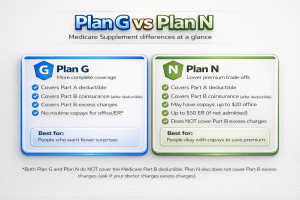
Deciding between Medicare Plan G and Plan N involves understanding their unique coverage benefits. Both plans are popular choices for those looking to add extra coverage to Original Medicare. Plan G is known for its comprehensive coverage, eliminating most out-of-pocket costs apart from the Part B deductible.

In contrast, Plan N offers lower premiums but includes some copayments and doesn’t cover Medicare excess charges. Comparing these plans helps you decide based on factors like healthcare needs, budget, and preferences. Understanding coverage differences can make your decision more informed and aligned with your specific circumstances.

Coverage Differences Between Plan G and Plan N

When comparing the coverage of Medicare Supplement Plan G and Plan N, it’s crucial to focus on what makes each plan unique. Plan G is often praised for its comprehensive approach, providing robust coverage that minimizes your out-of-pocket costs. After meeting the Part B deductible, Plan G covers the rest of your copayments and coinsurance, allowing you to predict healthcare costs more easily.

It’s especially beneficial if you frequent doctors or specialists and want consistent coverage without worrying about extra costs, including those pesky Medicare excess charges that can sometimes surprise beneficiaries in states that allow them.

On the other hand, Plan N offers a slightly different experience. While it still provides significant coverage, it incorporates cost-sharing features designed to keep premiums lower. For instance, with Plan N, you might incur small copayments for doctor visits and emergency room visits unless you’re admitted to the hospital.

These copayments are generally manageable but represent a departure from the zero-out-of-pocket approach of Plan G once the deductible is paid. Unlike Plan G, Plan N doesn’t cover Medicare Part B excess charges, which are fees above what Medicare agrees to pay for services. This aspect can be important if you live in a state that allows these charges.

Ultimately, the choice between these two plans comes down to assessing your healthcare needs and financial comfort. If keeping monthly premiums low is a priority and you don’t mind some predictable copayments, Plan N could be an attractive option. However, if you prefer the reassurance of nearly comprehensive coverage and frequently utilize healthcare services, Plan G might offer the peace of mind you seek.

It’s essential to evaluate not only the premiums but also these coverage differences and potential trade-offs to find a plan that best meets your unique needs.

Find & Compare Plans Online

Speak with a licensed insurance agent

1-855-398-0716TTY 711

Mon-Fri: 8am-9pm ET

Considering Plan G for Predictable Costs

Medicare Supplement Plan G is known for offering predictable costs by covering nearly all out-of-pocket expenses that Original Medicare doesn’t. This includes copayments, coinsurance, and the Medicare Part B deductible, providing peace of mind with its comprehensive coverage. Plan G is particularly beneficial if you want to avoid unexpected healthcare bills, making it easier to manage your budget.

It serves as a reliable supplement insurance policy that ensures financial predictability by covering costs that could otherwise surprise you. Let’s explore why Plan G suits those with frequent healthcare needs.

Plan G: Ideal for Frequent Healthcare Needs

For many seniors, frequent healthcare visits are a regular part of maintaining good health. If this sounds like you, Plan G might be the right choice due to its extensive coverage features. This Medigap policy shines because it handles those lingering expenses after Original Medicare has paid its share.

What’s particularly attractive is how Plan G covers copayments and coinsurance entirely, once you’ve paid the Part B deductible. This means that after meeting that initial deductible, you won’t have to worry about unforeseen bills when you visit the doctor or a specialist. This predictability is a key aspect of Plan G, allowing you to focus on your wellness without financial distress.

Beyond covering regular expenses like doctor visits and hospital stays, Plan G also includes coverage for Medicare excess charges. In states where healthcare providers can charge more than what Medicare approves, these excess charges can add up. However, Plan G takes care of these additional costs, ensuring you aren’t left with burdensome bills.

Furthermore, for those who travel, Plan G extends its benefits to cover emergency healthcare during foreign trips, offering peace of mind wherever you go.

With comprehensive benefits, Plan G is suited for those who visit healthcare providers frequently or wish for a straightforward, consistent plan setup. Unlike Plan N, Plan G doesn’t involve additional copayments after the deductible is covered. This aspect, coupled with the absence of excess charges, makes it an appealing option for individuals who prioritize comprehensive healthcare coverage without unexpected financial hiccups.

For anyone looking to balance their healthcare needs with their budget effectively, Plan G presents a stable, predictable solution. By understanding how this supplement plan effectively manages healthcare costs, seniors can make informed decisions that align with their healthcare and financial goals.

Transitioning smoothly into the advantages, Plan G offers several compelling benefits that make it a noteworthy choice:

– Comprehensive coverage includes a wide range of medical and hospital expenses.
– Predictable costs minimize surprises and help with annual budgeting.
– No network restrictions, allowing visits to any doctor who accepts Medicare.
– Covers excess charges, avoiding unexpected medical bills.
– Ideal for frequent travelers, with coverage within the United States.
– High consumer ratings and satisfaction scores indicate reliability.
– Does not require referrals for specialist visits, simplifying healthcare access.
– Offers peace of mind with broad protection against out-of-pocket costs.

Plan G’s combination of extensive coverage and flexibility positions it as a highly beneficial option for many individuals aiming for thorough healthcare support.


Considering Plan G for Predictable Costs

Considering Plan N for Fewer Healthcare Visits

Plan N can be a smart choice if you generally make fewer healthcare visits and are looking to save on monthly premiums. This Medicare Supplement plan offers substantial coverage while keeping expenses low, making it appealing to those who don’t visit doctors regularly. The trade-off comes with some copayments and not covering Medicare excess charges, which are charges above the set Medicare payment limit for certain services.

Understanding these nuances helps in deciding if Plan N aligns with your lifestyle and budget needs, especially if you want lower premiums without frequent insurance claims.

Plan N: When Medicare Excess Charges Matter

When choosing Medigap Plan N, it’s crucial to understand its stance on Medicare excess charges. These excess charges occur when healthcare providers bill more than what Medicare deems acceptable for a service. While states differ on allowing these charges, Plan N doesn’t cover them.

If you live in a state where excess charges are permitted, understanding this aspect is pivotal to avoid unexpected healthcare costs. Consider your provider choices carefully, maybe preferring those who accept Medicare assignment to sidestep any surprises. It’s a noteworthy point if you opt for Plan N, especially if those charges could impact your budget.

Plan N’s appeal stems from its cost-sharing approach designed to maintain lower premiums. Although you might face some copayments, like $20 for doctor visits and up to $50 for emergency room visits if not admitted, these fees are part of its strategy to keep premiums affordable. This makes Plan N attractive for those who don’t mind small out-of-pocket contributions in exchange for overall cost savings.

The idea is that Plan N trades some predictability in your expenses for potentially lower monthly costs, suiting those visiting doctors less frequently or maintaining moderate healthcare needs.

While Plan N doesn’t cover Part B excess charges, it still complements Original Medicare by covering costs like copayments, coinsurance, and Part A deductible. It’s beneficial to weigh these benefits against its limitations, ensuring you’re comfortable with the coverage and copayments involved. If your focus is on budget-friendly premiums and you don’t anticipate frequent visits to the doctor, Plan N may very well fit into your healthcare strategy.

Weighing the pros and cons, including your likelihood of encountering excess charges, plays a critical role in making sure your choice aligns with your healthcare and financial priorities.

Cost Comparison of Plan G and Plan N

When evaluating Medicare Supplement plans, it’s crucial to understand the costs and coverage differences between Plan G and Plan N. Each plan caters to different needs, offering unique benefits and potential savings. In this cost comparison, we’ll explore how balancing lower premiums with coverage needs plays a vital role in selecting the right policy.

Your decision should ensure comfort with both the financial and healthcare aspects of the plan you choose. Understanding these costs can help you make an informed decision that aligns with your health requirements and budget.

Balancing Costs with Coverage Needs

Finding the right balance between costs and coverage needs can guide you toward the most suitable Medigap plan. Plan G is favored for its nearly all-encompassing coverage, meaning fewer out-of-pocket costs for you. It covers costs such as copayments, coinsurance, and excess charges after you’ve met the Part B deductible.

This consistency can provide peace of mind, especially if you frequently access healthcare services. While the premiums for Plan G might be higher than Plan N, the comprehensive nature of the coverage often justifies the difference for those who anticipate regular medical visits.

On the other hand, Plan N often appeals to those looking to keep their premiums lower. Although Plan N generally means you’ll pay less each month, it introduces some cost-sharing elements. Everyday expenses such as a $20 copayment for doctor visits or a $50 copayment for emergency room visits (if not admitted) might arise.

These manageable expenses allow for savings on premiums, making Plan N a strategic choice for those who expect fewer healthcare visits or prefer cutting monthly costs.

Additionally, Plan N doesn’t cover Medicare Part B excess charges. These are fees that can occur when healthcare providers charge more than the predetermined Medicare amount. If you live in an area where such charges apply, this might impact your choice.

Balancing these factors, lower premiums of Plan N versus broader coverage and limited out-of-pocket costs with Plan G, establishes a clear picture of what might best suit your circumstances. Both options offer clear advantages, and understanding these can empower you to make a decision that meets your personal coverage needs and financial situation. Comparing the policies side-by-side ensures that your chosen plan aligns with your health goals and cost expectations.

Remember to enter your ZIP code on our site to explore and compare Medicare options. You can discover which plan fits your needs, and once our phone number is available, you’re welcome to call for personalized assistance.

Cost Comparison of Plan G and Plan N

Choosing Between Plan G and Plan N

Deciding on the right Medicare Supplement Plan can be challenging with options like Plan G and Plan N on the table. Each plan has unique benefits, affecting costs and coverage differently. When choosing between these options, it’s essential to consider your personal needs and financial situation. Both plans provide great support but with distinct features.

Plan G offers comprehensive coverage, while Plan N balances cost with slightly fewer covered services. Understanding factors like copayments, coinsurance, and deductible amounts will guide you in selecting the ideal plan for your healthcare and budget.

Factors to Consider for Personal Needs

Choosing the right Medicare Supplement Plan involves assessing various factors that align with your personal needs and lifestyle. Key considerations include understanding your healthcare usage, budgeting for premiums, and evaluating how each plan covers copayments, coinsurance, and any potential deductible. Plan G suits those who prefer predictable healthcare costs, covering nearly all out-of-pocket expenses left by Original Medicare.

It’s ideal if you frequent healthcare providers and want a plan that includes excess charges coverage, ensuring you’re not surprised by unexpected bills, especially if you live in states where these charges apply.

On the flip side, Plan N trades some predictability for potential savings. It typically features lower premiums but includes copayments for doctor visits and doesn’t cover Medicare excess charges. This plan might be appealing if you make fewer healthcare visits and are comfortable with occasional out-of-pocket costs to help reduce monthly expenses.

It’s all about balancing these factors to find a harmony between your healthcare demands and financial preferences. Deciding between Plan G and Plan N isn’t just about choosing a policy; it’s about matching a plan to how often you’ll access care and your comfort level with potential charges.

Ultimately, your choice should emphasize which factors are most important to your peace of mind, budget, and overall health strategy. The key is to assess what aspects of a plan align best with how you aim to manage both routine and unexpected healthcare needs. Remember, your particular circumstances, such as residing in a state where providers can bill beyond what Medicare covers, can also influence this decision.

By thoroughly evaluating these considerations, you’re equipped to make an informed choice that aligns seamlessly with both your current health demands and future care expectations.

Conclusion and Next Steps

Deciding on the right Medicare supplement plan, like Plan G or Plan N, is about understanding your unique healthcare needs and financial situation. These plans offer coverage that fills gaps left by Original Medicare, providing peace of mind for beneficiaries. Plan G is known for its comprehensive coverage, while Plan N offers lower premiums with some cost-sharing aspects.

As you explore these options, consider how each plan aligns with your healthcare usage and budget. With this knowledge, you can confidently move forward in choosing the right medigap policy to meet your needs.

Explore Your Medicare Options Today

It’s time to explore your Medicare options to find the right supplement plan that suits your needs. Start by assessing what each Medicare plan offers and how it complements your medical and financial situation. Medicare Plan G provides thorough coverage, minimizing out-of-pocket costs but often at a higher premium.

If you value predictability in your expenses, Plan G might be your choice. On the other hand, Plan N could be more appealing if you’re comfortable with some cost-sharing, enjoying lower premiums but potentially dealing with copayments and not covering Medicare excess charges.

Beneficiaries often find that comparing supplement insurance options clear up where their priorities lie. Whether it’s financial savings or comprehensive coverage, each medigap policy has distinct advantages. Make sure you’re also considering how frequent your doctor visits are and if your preferred providers accept Medicare assignment, minimizing surprise costs from excess charges. This thoughtful exploration of plan options ensures that you’re aligning your Medicare plans with what matters most to you.

Healthcare decisions are vital, especially as we age, so utilize resources like MedicarePlansGuide.org to guide your comparisons. With comprehensive support and education, navigating medigap, insurance choices becomes a straightforward endeavor. Keep your healthcare priorities and budget in mind as you explore these Medicare options today.

Always remember, you can compare plan options by entering your ZIP code on our site, or call for personalized assistance when our phone number becomes available. This approach ensures you’re making informed decisions about your Medicare supplement plan.

Understanding Medicare Plans G and N can help you make the right decision for your health needs. Both plans cover essential benefits, but have different costs and out-of-pocket features. Take time to review each option carefully. Enter your ZIP code on our site to compare all Medicare choices available in your area.

We provide a supportive, educational resource to assist you. If you prefer, call us once our phone number is available for personalized help. We’re here to ensure you have the information needed to make informed Medicare decisions with confidence.

Compare plans and enroll online

Frequently Asked Questions

What are the main differences between Medicare Plan G and Plan N?

Medicare Plan G covers most costs except the Part B deductible, providing comprehensive coverage for those frequenting healthcare services. Plan N has lower premiums but includes copayments for some doctor visits and doesn’t cover Medicare Part B excess charges.

Which situations might make Medicare Plan G a better choice?

If you require frequent doctor visits and prefer less unpredictable medical expenses, Plan G could be beneficial due to its comprehensive coverage. After the Part B deductible, it covers most out-of-pocket costs including Medicare excess charges.

Why might someone choose Medicare Plan N over Plan G?

Plan N may be more appealing if you prefer lower premiums and don’t mind occasional copayments. It’s suitable for those having fewer healthcare visits and willing to share some costs to save on monthly premiums.

Does Medicare Plan N cover Medicare Part B excess charges?

No, Plan N does not cover Medicare Part B excess charges. If you reside in a state that allows excess charges, Plan N might lead to additional out-of-pocket expenses for services exceeding Medicare-approved amounts.

How do I decide between Plan G and Plan N?

Consider your healthcare usage, budget, and tolerance for out-of-pocket costs. If you prefer comprehensive coverage with predictable expenses, Plan G might suit you. If you seek lower premiums and have fewer medical visits, Plan N could align better with your needs.

Have Questions?

Speak with a licensed insurance agent

1-855-398-0716

TTY users 711

Mon-Fri: 8am-9pm ET

Find & Compare Plans Online

Speak with a licensed insurance agent

1-855-398-0716TTY 711

Mon-Fri: 8am-9pm ET

ZRN Health & Financial Services, LLC, a Texas limited liability company