Speak with a licensed insurance agent

1-855-398-0716

TTY user 711 Mon-Fri : 8am-9pm EST

Average Insurance Coverage For Dental Implants

Dental implants offer a long-lasting solution for missing teeth, but many people wonder about the average insurance coverage available for this procedure. Understanding the costs involved and the coverage options is important to make informed decisions. Dental insurance plans often cover only a portion of the implant costs, varying by specific policy details.

Seniors and caregivers can benefit from knowing how insurance plans apply to dental work, helping them budget effectively. This guide provides an overview of what to expect with dental implant coverage, highlighting key factors affecting overall expenses.

Key Highlights

  • Dental implants provide lasting solutions for missing teeth, improving aesthetics and oral health.
  • Insurance coverage for implants varies, often covering only partial costs depending on policy details.
  • Implant costs range from $1,500 to $6,000, with additional fees for necessary procedures.
  • Dental plans categorize implants as major procedures, affecting their coverage extent.
  • Comparing dental insurance options helps seniors reduce out-of-pocket implant costs.

Compare plans and enroll online

Understanding Dental Implants and Their Importance

Dental implants offer a crucial solution for individuals seeking to replace missing teeth. They provide both functional and aesthetic benefits, making them a vital option for anyone wanting to restore their smile. Dental implants are a popular choice among seniors because they can improve dental health and quality of life.

In the sections below, we’ll discuss what dental implants are and why one might consider them. For Medicare recipients and their caregivers, understanding the advantages and options related to dental implants can empower decision-making and help in assessing health care services.

What Are Dental Implants?

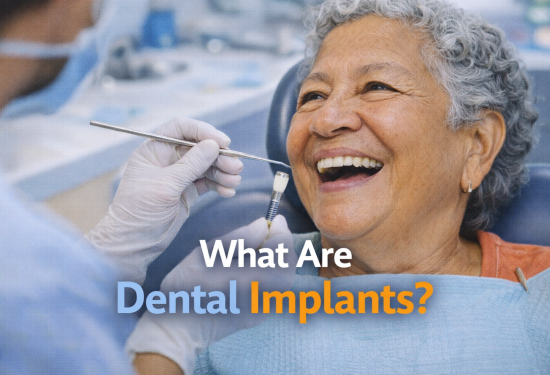
Dental implants are advanced dental devices that act as replacements for tooth roots. They provide a robust foundation for fixed or removable replacement teeth. These implants are usually made of titanium, which integrates with the jawbone over time, effectively becoming part of the mouth’s structure.

This integration, known as osseointegration, ensures that the dental implant is stable and resembles the function and feel of natural teeth. The process of getting dental implants involves several steps. First, a dental professional assesses the bone structure to ensure it’s adequate for supporting an implant.

If the bone density is insufficient, additional procedures like bone grafting might be required. Once ready, the implant is surgically placed into the jawbone. As healing occurs, the bone gradually bonds with the implant.

After sufficient healing, a custom-made crown is attached, perfectly matching the adjacent teeth in color and size. Dental implants are not just about aesthetics. They enhance oral functionality by allowing people to chew and speak effectively, which can be a significant relief for those affected by dental issues.

Furthermore, because implants withstand typical wear and tear, they contribute to the long-term preservation of dental health. Investing in dental implants can be pivotal for many insured seniors depending on their comprehensive care plans. With a focus on care and functionality, implants benefit anyone looking to improve their dental wellbeing.

Why Opt for Dental Implants?

Choosing dental implants comes with several notable advantages. Firstly, since dental implants mimic the role of natural teeth, they eliminate the inconvenience that can come from traditional dentures, such as slipping or causing discomfort. This stable integration into the jawbone means dental implants do not move around when speaking or eating, and they feel natural compared to other options like bridges or dentures.

From a health perspective, dental implants support the maintenance of jawbone health. When a tooth is lost, the lack of stimulation can cause the jawbone to deteriorate. Implants stimulate the bone, helping maintain its density and shape, which prevents the sunken look that can come from tooth and bone loss.

This makes them a valuable investment in preventive care. The benefits of maintaining bone structure also contribute to better oral health overall, as they help preserve the integrity of neighboring teeth. Moreover, implants can enhance confidence and quality of life.

Many people report a boost in self-esteem once their teeth are restored, which can lead to more social interaction and a more vibrant lifestyle. Dental implants require the same oral care practices as natural teeth, simplifying daily dental maintenance. They are a durable, long-term solution that can last many years with proper care, notably reducing the need for frequent dental services or additional dental work.

For seniors relying on dental insurance coverage, understanding the long-term benefits of dental implants is vital. Evaluating dental plans that include implant benefits can alleviate concerns about costs while ensuring that the quality of life and dental health is prioritized.

As Medicare doesn’t traditionally cover dental implants, understanding any available supplemental insurance options is crucial for those considering dental implants. Through careful planning and an informed choice, the path to optimal dental care becomes clearer. Stay informed about your options to ensure you maximize the benefits of choosing dental implants to meet your health and wellness needs.

Understanding dental implants

Exploring the Cost of Dental Implants

Dental implants serve as a meaningful investment in dental health, particularly for seniors. However, understanding the costs associated with dental implants can be crucial for making informed healthcare choices. Due to various factors like location, dental professional fees, and additional procedures required, costs can vary widely.

Recognizing these elements helps when evaluating your dental insurance options. By dissecting implant costs and insurance roles in covering them, seniors can better navigate the landscape of dental procedures and financial considerations.

Factors Influencing Implant Costs

The cost of dental implants is influenced by various factors, each contributing to the final price. Understanding these factors can help you budget and plan effectively. The location of the dental office plays a significant role, implants may cost more in urban areas compared to rural ones due to higher operating costs.

Moreover, the experience and expertise of the dental professional can affect costs; a seasoned specialist might charge more, ensuring you receive quality service. Additionally, some individuals may need preliminary procedures such as bone grafts or extractions before implants, which increases the overall expenditure.

The type of implant selected can also sway the cost. Higher-quality materials or advanced technology, while offering better outcomes, can be more expensive. For example, titanium implants are highly valued for their compatibility and durability but usually come at a premium.

Moreover, the number of implants needed impacts the cost, full-mouth implants will inherently cost more than a single tooth replacement. Insurance plans often consider these factors when determining coverage or exclusion policies, making it crucial to review your plan’s benefits.

Insurance companies differ in their coverage for dental implants. While some dental policies might cover implants, many treat them as a major procedure, affecting the extent of coverage. Therefore, consulting your insurance company to understand terms is vital.

Services covered under one insurance plan might not be under another, impacting your out-of-pocket expenses. Another point to consider is the annual maximum payout by the insurance plan, which limits how much the company will cover in a year. Recognizing these influencers lets you plan better, prepare for consultative conversations, and minimize unexpected costs when considering dental implants.

Average Implant Costs Explained

While costs for dental implants vary, having a ballpark figure helps in setting realistic expectations and budgeting. On average, the cost of a single dental implant can range from $1,500 to $6,000. This range takes into account the entire process, from the implant placement to the crown attachment.

These costs typically cover the implant procedure itself, but additional services may incur extra fees. Factors like follow-up visits, X-rays, or CT scans needed for planning might elevate the total outlay. Understanding these costs in a clear context enables better interaction with dental professionals and insurance planners.

The reason for the wide range in implant costs often lies in the varying requirements of each patient. Some might need only the implant, while others require multiple supplementary procedures, raising costs. Similar variances occur if bone grafts or sinus lifts are needed to support the implant, as these are complex and add to the financial burden.

Insurance coverage for these additional procedures is essential to check before proceeding, as coverage for major procedure costs like these varies. Some insurance dental plans provide limited coverage for implants, treating them as elective rather than essential procedures.

Considering insurance plan options is crucial for managing implant costs effectively. Some policies might provide partial coverage, while others might only cover specific parts of the procedure. Evaluating the specifics of each coverage dental policies offer can guide expectations and financial planning.

While Medicare traditionally doesn’t cover dental implants, supplementary plans might. Therefore, investigating whether your insurance company covers dental implants can heavily influence your out-of-pocket expenses. This exploration into average implant costs equips seniors with the knowledge to make informed choices about their dental health and financial planning.

For more information on insurance options and how these can assist with covering dental procedure costs, readers are encouraged to explore further information regarding dental insurance plans and coverage benefits on MedicarePlansGuide.org. Enter your ZIP code on our site to compare Medicare options or call for personalized help when available.

Insurance Options for Dental Implants

Exploring the insurance options for dental implants can be a crucial step for anyone wanting to manage the costs associated with these procedures. Dental insurance varies significantly among providers, impacting how much coverage you can receive for implants. By understanding different types of implant insurance, insured individuals can find suitable plans that align with their healthcare needs.

Properly navigating these options ensures you optimize your insurance plan’s dental benefits effectively. Whether you’re new to dental plans or re-evaluating existing coverage, gaining a clear picture of insurance offerings for dental implants opens avenues for reducing out-of-pocket expenses.

How Dental Insurance Can Help

Dental insurance plays a significant role in managing the cost of dental implants, making advanced dental care more accessible. While not all dental insurance plans cover implants, many do offer partial coverage for the various aspects of implant procedures.

Typically, a dental insurance company may cover initial consultations, certain diagnostic services such as X-rays, and sometimes even part of the implant surgery itself. However, coverage often depends on whether the insurance plan identifies implants as a major procedure, which can affect the extent of insurance coverage available.

Understanding the specifics of your dental insurance plan is critical. Some plans might only cover specific steps in the implant process, focusing on preliminary or supportive procedures like tooth extractions or periodontal treatments rather than the implant itself.

Furthermore, insurance coverage policies may impose waiting periods before the benefits kick in, impacting the timing of your dental treatment. Familiarize yourself with your plan’s insurance coverage terms to leverage your dental benefits fully. Knowing these details helps navigate insurance coverage and may assist in minimizing unexpected costs.

One important aspect to consider is the network of dentists associated with your dental insurance. Choosing a dentist within your plan’s network can often mean better rates and less hassle with direct billing. Insured individuals might also find that out-of-network services are only partially covered or not at all.

Therefore, ensuring your preferred dental services are covered under your insurance plan’s network is crucial. This understanding helps manage major procedure costs more effectively and aligns the financial aspects of receiving dental implants with your insurance plan’s stipulations.

Understanding Implant Insurance Coverage

Implant insurance coverage can be intricate due to the variety of services required to complete the procedure. Many dental plans treat implants as an elective procedure, providing limited or no coverage. However, there are insurance coverages that recognize the valuable role of implants in long-term oral health and offer partial benefits.

These coverage plans might include portions of the implant’s major procedure costs, such as the implant itself, the abutment, and the crown. Understanding the breadth of implant coverage is vital in planning for insured seniors.

The coverage extent often differs from one insurance company to another, necessitating a detailed review of the insurance policies. Scrutinize your policy to identify which elements of the dental implant procedure are covered and which are excluded.

Consider the maximum payout limits that your insurance company sets per year, as these affect the degree of implant services the coverage plans can support. This proactive approach helps you understand your financial responsibility and prevents surprises when receiving dental implant services.

It’s also important to note that some insurance dental coverages require you to choose plans that specifically mention implant coverage. These specialized plans might cover a more comprehensive portion of the implant process. If your current policy doesn’t support implants, consult your insurance company about available plan upgrades or supplemental policies that include them.

Being informed about your dental insurance coverage helps streamline the implant process, ensuring the procedure is both affordable and effective. With clear knowledge of your dental plan’s implant benefits, you can confidently proceed with improving your dental health.

For further insights into how insurance can aid in managing the costs of dental implants, explore the range of options provided at MedicarePlansGuide.org. Whether seeking new plans or adjusting existing ones, you’re empowered to make informed choices. Enter your ZIP code on our site to compare Medicare options or call for personalized help once our phone number is available.

Find & Compare Plans Online

Speak with a licensed insurance agent

1-855-398-0716TTY 711

Mon-Fri: 8am-9pm ET

Evaluating Dental Plans for Implant Benefits

Dental implants can significantly enhance both oral health and general well-being, but their costs can be a concern for many seniors. Evaluating dental plans that offer implant benefits is an essential step towards managing these expenses effectively.

While dental insurance coverage for implants varies among policies and providers, understanding what different plans cover could make a huge difference in your financial planning. By exploring insurance plan options carefully, seniors can ensure they choose a policy that aligns with their dental care needs and budgetary constraints, providing peace of mind and comprehensive coverage.


Aspect Details
Insurance Plan Type Typically offered as standard or supplemental, with supplemental plans often providing additional coverage for implants.
Implant Coverage Details Coverage usually includes a percentage of implant costs; however, certain plans may have exclusions or require pre-authorization.
Annual Maximum Impact The annual maximum limits the total benefit payout, impacting how much you pay out-of-pocket if implant costs exceed this limit.
In-Network vs. Out-of-Network In-network providers generally offer better rates, resulting in lower out-of-pocket costs compared to out-of-network services.
Considerations for Selecting a Plan Important factors include waiting periods for eligibility, network affiliations, and comparison of in-network and out-of-network coverage details.

This table offers a streamlined view of key considerations when evaluating dental plans for implant benefits, assisting seniors in navigating their options effectively.

What Dental Plans Cover Dental Implants

When it comes to dental implants, not all dental plans provide the same level of coverage. Understanding what your insurance plan covers is crucial for optimizing your benefits. Many dental plans categorize implants as a major procedure, which may influence the extent of coverage you’ll receive.

Some plans might offer partial coverage for initial consultations, X-rays, or the implant placement itself, while others might exclude implants entirely. It’s key to consult your insurance company to get detailed information on what your specific plan covers regarding dental implants.

Insurance companies each have their own policies concerning dental implant coverage. Some might cover certain parts of the procedure under their standard dental plans, especially if deemed medically necessary. For instance, some policies might only cover the crown that goes atop the implant, leaving the surgical procedure as the insured individual’s responsibility.

Coverage can also vary based on whether your dentist is within the insurance company’s network. Choosing an in-network dental care provider could mean better rates and more treatment options covered under your plan. Ensuring comprehensive care services are insured under your plan is important for managing these expenses.

Many insurance plans have a limited annual maximum for dental services, which impacts what portion of the implant cost you’ll need to pay out of pocket. For insured seniors, understanding these limits and how they relate to your dental implant needs is essential for effective budgeting.

Plans that categorize implants as a cosmetic or elective service may offer less coverage, so reviewing plan details is critical. To make the most of your benefits, look for dental policies that specifically mention implant coverage. Discussing your options with your insurance provider can help clarify coverage options, empowering you to make informed decisions about your dental health care.

Maximizing Implant Benefits with the Right Plan

Selecting the right dental plan can significantly affect how much you pay out of pocket for dental implants. To maximize your implant benefits, it’s important to choose a plan that aligns well with your dental needs.

Familiarity with your dental insurance options, especially regarding major dental procedures like implants, allows you to navigate the financial aspects more effectively. Many plans offer an annual review period where you can alter your coverage; consider evaluating and adjusting your plan during this time if coverage for implants becomes a priority for you.

If your current plan provides limited or no implant coverage, you might want to consider supplemental insurance options. These are designed to fill gaps in your standard dental coverage and may offer more inclusive benefits for major procedures. Evaluating a supplemental insurance plan could help reduce your total implant costs.

Dental insurance varies, so it’s advantageous to assess different plans and understand how each fits within your overall budget and coverage needs. Consider the network of dental services and whether out-of-network dentists have different coverage implications.

Before selecting a new insurance plan, it’s also a good idea to consider any waiting periods. Insurance companies often implement waiting periods for new high-cost coverages, which can delay when you can start using your benefits for dental implants.

Being informed of these terms helps in scheduling your procedures without unexpected financial surprises. Whoever your current provider is, calling and consulting them about upgrading or altering your plans to better encompass implant care may provide additional options. Inquire deeply about any alternative plans they offer, focusing on implant benefits.

Utilizing reliable resources can help in choosing the most suitable coverage. Websites like MedicarePlansGuide.org offer independent advice on various insurance plans, which can aid your research into affordable dental solutions.

Enter your ZIP code on our site to compare Medicare options and explore available support. Whether considering new or existing plans, access to clear, educational resources helps ensure you’re well-prepared when it comes to making decisions about your dental health.

Evaluating Dental Plans

Steps to Compare Medicare Options

Exploring your Medicare options can often feel daunting, but understanding the steps to compare them makes it manageable. By focusing on key factors like coverage details, additional insurance options, and tailored advice, seniors can find suitable plans that meet their healthcare needs.

We’ll delve into how to use educational resources, such as MedicarePlansGuide.org, to simplify this process, understand the role of services like MetLife, and explore the significance of different insurance coverages and dental plans. With informed guidance, comparing Medicare choices becomes a confident step forward in your healthcare journey.

Using Our Resources to Find Suitable Coverage

When it comes to navigating the world of Medicare, using the right resources can make a big difference. MedicarePlansGuide.org serves as a valuable tool, simplifying complicated topics into clear, manageable information.

Our platform allows you to compare various insurance plans, focusing on services like MetLife, dental insurance coverage, and more. By thoroughly understanding each aspect, you can find a plan that suits your healthcare needs and financial situation.

Seniors looking at Medicare options often find dental costs, such as those for a dental implant, particularly concerning. Exploring dental plans that cover implants can reduce financial strain while preserving your oral health.

Using our site, you can evaluate different insurance coverages, examining how dental plans integrate into your overall insurance strategy. Our resources shed light on crucial points like what dental insurance covers and how it influences major procedures like implants.

MetLife and other insurance companies offer a variety of plan services that might include dental insurance. It’s essential to understand how these services work, especially if you anticipate needing significant dental work.

Differences between what Medicare covers and what additional insurance policies might offer can significantly affect your options. By diving into your insurance plan details, you uncover which services are covered, minimizing surprises. Reviewing these elements ensures you optimize your healthcare based on what your insurance company offers.

Using MedicarePlansGuide.org encourages proactive involvement in your healthcare decisions, empowering you to review insurance plans comprehensively. The straightforward explanations of insurance company policies help you align your dental and healthcare needs with the best available plans.

Being insured with the appropriate coverage helps in budgeting effectively and choosing the right insurance policy. Enter your ZIP code on our site for personalized Medicare comparisons and let’s take charge of your healthcare planning confidently, together.

Specific strategies that can aid in choosing the most suitable insurance coverage:

  • Start by assessing your typical healthcare needs and financial constraints.
  • Compare the coverage details of plans offered by major providers like MetLife.
  • Evaluate if your current healthcare provider is within the plan’s network.
  • Look into dental plans that specifically cover procedures like implants.
  • Consider plans that bundle dental and vision insurance for comprehensive coverage.
  • Review each plan’s out-of-pocket costs alongside premium rates.
  • Seek plans that offer flexibility as your healthcare needs evolve.
  • Utilize expert articles on MedicarePlansGuide.org to deepen your understanding.

These points will help you navigate complex insurance choices, ensuring clarity and confidence in your healthcare decisions.

Understanding dental implant coverage can feel complex, but we’re here to help. Remember to enter your ZIP code on our site to explore Medicare options that include dental coverage.

This can help you compare plans and find what suits your needs. Whenever our phone number becomes available, you can call us for personalized assistance. Our goal is to support you every step of the way in making informed decisions about your Medicare and dental care options.


Compare plans and enroll online

Frequently Asked Questions

What are dental implants, and why might someone need them?

Dental implants are advanced devices that replace tooth roots, providing a foundation for replacement teeth. They improve aesthetics, oral health, and functionality, making them ideal for those looking to restore their smile.

How much does a dental implant typically cost?

The cost of a single dental implant can range from $1,500 to $6,000 depending on factors like location and additional procedures required, such as bone grafts.

Does dental insurance cover dental implants?

Many dental insurance plans cover only a portion of the cost for implants, as they are often categorized as major procedures. Coverage varies by policy, so it’s important to review specific plan details.

Why is it important to compare dental insurance options?

Comparing dental insurance options can help reduce out-of-pocket costs for implants by understanding what different plans cover, ensuring you choose one that fits your budget and dental care needs.

Can Medicare help with the cost of dental implants?

Generally, Medicare does not cover dental implants. However, exploring supplemental insurance options or specific dental plans might provide some assistance with these costs. For more options, visit MedicarePlansGuide.org.

Have Questions?

Speak with a licensed insurance agent

1-855-398-0716

TTY users 711

Mon-Fri: 8am-9pm ET

Find & Compare Plans Online

Speak with a licensed insurance agent

1-855-398-0716TTY 711

Mon-Fri: 8am-9pm ET

ZRN Health & Financial Services, LLC, a Texas limited liability company