Exploring your Medicare Supplement options for 2027 can help you find coverage that fits your healthcare needs and budget. Medicare Supplement plans, also known as Medigap, work alongside Original Medicare to cover out-of-pocket expenses like deductibles and copayments. Understanding the top companies offering these plans gives you insight into their benefits. This guide provides a comprehensive look at notable options and their features, empowering you to make informed choices. Dive into each plan’s highlights and consider how they align with your needs. Remember, this information is here to help you make confident, educated decisions.


Compare Medicare Plans
Compare plans and costs in your area






Best Medicare Supplement Companies and Plans 2027
Key Highlights
- Medicare Supplement (Medigap) plans cover gaps like deductibles and copayments in Original Medicare, offering better financial protection.
- Medigap plans F and G are comprehensive, popular choices, especially for covering extensive out-of-pocket costs.
- Top providers include Aetna, Humana, and Mutual of Omaha, known for reliability and flexible coverage options.
- The Open Enrollment Period is essential for securing Medigap plans without health-related premium penalties.
- Insurance companies differ in pricing models, additional benefits, and service quality; compare options to find the right fit.
Compare plans and enroll online

Understanding Medicare Supplement Insurance
Medicare Supplement Insurance, also known as Medigap, can be an essential part of your health care journey. If you’re someone who wants to bridge the gaps in your original Medicare coverage, this insurance could be very beneficial. Medigap policies are offered by private insurance companies and help pay some of the health care costs that Original Medicare doesn’t cover, like copayments, coinsurance, and deductibles. Delving into the benefits and features of Medigap plans will empower you to make informed choices about your coverage options and help you explore a range of plan types tailored to fit your health care needs.
What is Medicare Supplement (Medigap)?
Medicare Supplement Insurance, commonly known as Medigap, is designed to fill in the coverage gaps left by Original Medicare Parts A and B. These gaps can include out-of-pocket expenses such as copayments, coinsurance, and deductibles, which can sometimes be a burden for seniors on a fixed income. By opting for a Medigap plan, you’re provided the means to manage these costs and gain peace of mind. Medigap plans are sold by private insurance companies, and these policies are standardized, meaning the basic benefits for each plan type are the same across insurers.
Standardized plans, designated by letters such as A through N, offer different levels of coverage to meet various needs. For instance, Medigap Plan F and Plan G are among the most comprehensive, covering a wide range of costs that advance your financial protection. These plans, however, don’t include services like prescription drugs, which you would need a Part D plan for. It’s also important to note that you must be enrolled in Medicare Parts A and B to purchase a Medigap policy.
Medigap insurance doesn’t involve networks; you have the freedom to choose any doctor or hospital that accepts Medicare. When exploring your Medigap options, it’s crucial to compare rates and coverage benefits across different insurance companies, as costs can vary. Engaging with a Medicare advisor or using available resources can greatly assist in making these comparisons. You’ll want to ensure that the Medigap plan you choose aligns with your health care needs and budget. By doing so, you can effectively explore the program’s advantages and enjoy the peace of knowing your health care needs are covered more comprehensively.

Benefits of Medicare Supplement Plans
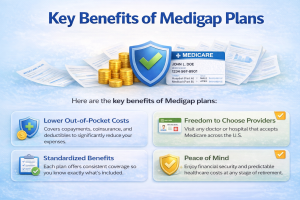
Medicare Supplement Plans offer numerous advantages, which can significantly enhance your health care coverage. These plans cover many of the out-of-pocket costs not paid by Original Medicare, such as Medicare Part A and Part B coinsurance. One standout benefit is that Medigap policies can provide predictable costs, which is comforting for those on a fixed income. The ability to budget more effectively due to fewer unexpected health care expenses is a major advantage.
Another key benefit of Medigap is the flexibility and choice. Since these plans are not network-based, you can seek treatment from any doctor or specialist that accepts Medicare, without worrying about whether they are in-network. This aspect is particularly beneficial when traveling within the United States; your coverage travels with you. Medigap plans can also be combined with Medicare Part D for prescription drug coverage, offering a complete package for your health care needs.
Moreover, many Medigap insurance companies offer discounts for factors such as being a non-smoker or enrolling in automatic payments. Exploring these discounts can lead to a more affordable policy that remains beneficial. Always remember, the specific advantages of any given plan will depend on the plan type you choose. For example, Plan G covers almost everything except the Part B deductible, making it a popular choice. Meanwhile, Plan N includes cost-sharing elements that can reduce monthly premiums.
As you consider which Medigap plan suits your needs, take advantage of available resources to help guide your decision. Use online comparison tools or speak with knowledgeable advisors who can provide you with detailed program information. These resources are invaluable in ensuring you’re not only adequately covered but also that your premiums are reasonable given the coverage you receive. The right Medicare Supplement Plan can give you the confidence and security to enjoy your retirement years with more certainty and fewer worries about unforeseen medical expenses. Whether it’s part of your strategy for comprehensive coverage or mainly as a supplemental insurance choice, the benefits of Medigap policies offer peace of mind that resonates with many seniors.
Exploring Top Medicare Supplement Plans for 2027
Navigating the array of Medicare Supplement plans available for 2027 can seem daunting, but understanding your options is key to finding the right fit for you. Among these, Medigap Plan F and Plan G have gained attention for their comprehensive benefits. Each plan offers unique features that address different aspects of out-of-pocket costs, making them popular choices for many seniors. By exploring these supplements, you’ll uncover how they help manage healthcare expenses not covered by Original Medicare, providing greater financial security and peace of mind.
| Plan Name | Coverage Highlights | Eligible Enrollees | Notable Features | Considerations |
|---|---|---|---|---|
| Plan F | Covers Part A and B deductibles, coinsurance, and excess charges | Individuals enrolled in Medicare prior to January 1, 2020 | Comprehensive coverage for most out-of-pocket costs | Higher premiums compared to other plans; not available to new Medicare enrollees |
| Plan G | Covers all that Plan F does, except for the Part B deductible | All Medicare enrollees | Lower premiums compared to Plan F; covers excess charges | Part B deductible not covered; requires separate payment |
This table highlights the differences and advantages of Medigap Plans F and G, helping prospective enrollees make informed decisions.
Medigap Plan F: Comprehensive Coverage
Medigap Plan F stands out as one of the most comprehensive Medicare Supplement plans available. It’s tailored for those seeking to minimize their out-of-pocket expenses and is often the go-to choice for those who want simplicity and peace of mind. Plan F covers a wide array of costs, including Medicare Part A and Part B deductibles, co-payments, and coinsurance, effectively bridging many of the gaps left by Original Medicare. This coverage can greatly reduce the financial surprises that healthcare can sometimes bring, offering a sense of security for retirees on a fixed income.
One of the key benefits of Plan F is that it offers predictable healthcare costs. This is especially comforting for seniors who prefer financial stability, as unexpected medical bills can be burdensome. By covering most out-of-pocket expenses, Plan F allows you to plan and manage your annual healthcare spending with greater ease. However, it is important to note that as of 2020, Plan F is only available to those who were already eligible for Medicare before January 1, 2020. This means that while it’s a package of comprehensive protection, its availability has been somewhat limited for new enrollees.
Plan F’s comprehensive nature also includes coverage for foreign travel emergency care, which is a beneficial feature for those who travel often. This aspect can offer peace of mind knowing that you have support even when you’re outside the United States. It’s critical to weigh the benefits of such extensive coverage against the plan’s cost, as premiums can be higher than other Medigap plans. It’s also wise to compare Plan F across different insurance companies because premium rates can vary. This comprehensive approach can make a significant difference in not only handling your healthcare expenses but also enjoying your retirement with confidence.
Medigap Plan G: A Popular Choice
If you’re exploring a reliable and cost-effective option, Medigap Plan G is frequently highlighted as a popular choice. This plan often appeals to new Medicare enrollees because it closely mirrors the benefits of Plan F while offering slightly less coverage. Plan G does not cover the Medicare Part B deductible, but once this is paid, it offers full coverage of all Part B costs, including copayments and coinsurance. The allure of this plan lies in its balance of coverage and costs, often resulting in lower premiums compared to Plan F without sacrificing essential benefits.
Plan G provides predictable healthcare expenses and valuable coverage across a range of medical needs, offering peace of mind to those wary of unexpected healthcare bills. Like other Medigap policy plans, Plan G doesn’t involve networks, meaning you’re free to seek care from any doctor or specialist who accepts Medicare. This is particularly advantageous for those who value flexibility in choosing healthcare providers, as you aren’t restricted to a network.
Moreover, Plan G’s popularity is bolstered by its inclusion of foreign travel emergency care, making it an excellent choice for retirees who travel internationally. This international coverage aspect is a significant plus, adding another layer of security for those who spend time abroad. Given the stability Plan G provides, it’s clear why this plan has become a favorite among those eligible after the 2020 changes. As always, when considering Plan G, compare rates and benefits among different insurance companies to find an option that suits your financial and healthcare needs.
As you ponder which Medicare Supplement plan aligns with your healthcare expectations and budget, remember that thorough research and understanding of each plan’s nuances can empower you to make well-informed decisions. Engaging with a Medicare advisor or using tools like online comparison resources can simplify this process. Medigap Plan G offers robust coverage and reassures retirees that their health care will be manageable, ensuring comfort and security during their golden years.
Please enter your ZIP code on our site to compare different Medicare options available in your area. You may also call for personalized help once our phone number is available. We’re here to ensure that you find the best fit for your healthcare needs.
Top Insurance Companies Offering Medigap in 2027
Choosing the right Medigap insurance company in 2027 is crucial for getting the best health coverage. These companies offer various Medicare Supplement plans that can meet your unique needs. Understanding which insurance companies are leading the way can help you make informed decisions. In this discussion, we’ll explore some of the most notable providers for Medicare Supplement and the specific offerings from well-known companies like Mutual of Omaha. Knowing these options can empower you to confidently select the Medigap plan that’s right for you.
Find & Compare Plans Online
Notable Providers for Medicare Supplement
When it comes to finding the best Medigap insurance companies, it’s important to look at those with a long-standing reputation for reliability and customer satisfaction. The landscape of Medicare Supplement insurance is filled with providers offering a range of plan types to cater to different healthcare needs and preferences. Among the medigap insurance companies, names like Aetna, Humana, and Cigna frequently come up as top choices in reviews by policyholders. These companies bring decades of experience in the healthcare industry, ensuring they provide solid Medigap coverage options. They are known for their extensive networks and flexible plan structures that allow seniors to choose their ideal coverage level.
Aetna offers a variety of plan options, including zero commission incentives for discounts, a practice embraced by other top insurance companies to aid policyholders with reduced efforts. Their plans are competitively priced and backed by excellent customer support services, making them a strong contender in the Medigap market. Meanwhile, Humana’s Medigap offerings are celebrated for their comprehensive approach to coverage, often including additional resources for policyholders such as health and wellness programs. This can be particularly appealing to those looking to maintain an active lifestyle in their retirement years.
Cigna also stands out with its notable discounts and expansive plan choices that focus on providing value for money. Their Medigap policies are designed to be straightforward, ensuring seniors understand their benefits and coverage without undue complexity. This ease of understanding is crucial for anyone trying to make an informed choice between different Medigap plans. Moreover, many of these companies offer supplemental resources to assist seniors, such as personalized online portals for managing their health benefits, which underscores their commitment to a user-friendly experience.
Another important factor to consider when choosing a Medigap provider is the availability of discounts and savings programs. Many top insurance companies, including notable providers like Aetna and Cigna, offer supplemental discounts for behaviors such as enrolling in automatic premium payments or maintaining a healthy lifestyle, like being a non-smoker. These savings can make a significant difference in your annual healthcare costs, providing more financial room for other essentials. When exploring Medigap insurance companies, potential policyholders should examine these savings options closely, as they can help make healthcare coverage more affordable without sacrificing quality.
Ultimately, choosing the ideal Medigap provider involves looking at their overall package of offerings, such as plan flexibility, network availability, and customer support. By leveraging comparisons among the plan offerings of these medigap insurance companies, you position yourself to make a choice that not only covers you adequately but also aligns with your budgetary constraints and healthcare priorities. Remember, when it comes to Medicare Supplement Plans, it’s not just about picking a policy but finding a complete care solution that resonates with your health needs and future objectives.
Mutual of Omaha and Its Offerings
Mutual of Omaha has long been recognized as a key player in the Medigap insurance companies field, offering a variety of plans and benefits that cater to seniors seeking reliable Medicare Supplement coverage. As one of the most esteemed insurance companies, it’s known for blending experience with innovation to deliver exceptional Medigap plans that are both comprehensive and user-friendly. Their offerings in 2027 continue this tradition by providing robust plan options that cater to a wide array of healthcare needs, ensuring retirees can find the suitable coverage that aligns with their personal circumstances.
The company’s Medigap plans are highly regarded for their balance of coverage and cost. They offer a variety of plan types, including the popular Plans F, G, and N, which have been well-received by enrollees for their straightforward approach to bridging Medicare coverage gaps. Mutual of Omaha’s Plan G, in particular, is often recommended for those eligible after the reforms of 2020, given its extensive benefits which only exclude the Part B deductible. After this initial deductible is covered by the policyholder, Plan G provides full coverage for medically necessary services under Part B, making it an attractive option for individuals focused on securing comprehensive financial protection.
A standout feature of Mutual of Omaha’s offerings is its customer-focused approach, which extends beyond just providing coverage. They offer additional resources aimed at improving the overall Medicare experience for their policyholders. This includes access to personalized customer portals that make managing one’s healthcare plan both simple and effective. Such innovations underline how Mutual of Omaha is adapting to the digital age, ensuring its members have easy access to important health information and resources whenever needed.
Moreover, Mutual of Omaha frequently reviews and updates its plan discounts to ensure retirees can enjoy financially sustainable coverage. These discounts can be influenced by factors such as age, location, and chosen payment methods, allowing seniors to further customize their Medicare Supplement Plan to fit their financial and healthcare needs. These flexible payment options, coupled with a reputation for reliable customer service, put Mutual of Omaha in a favorable position for seniors exploring Medigap insurance. Their wide network of healthcare providers also ensures policyholders can receive care from any doctor or specialist who accepts Medicare, offering peace of mind through broad accessibility.
In conclusion, Mutual of Omaha remains a prominent figure in the Medigap landscape due to its commitment to providing high-quality, adaptable insurance options for seniors. Their comprehensive portfolio of plans is designed to meet the diverse needs of today’s retirees, while additional resources and support systems enhance the customer experience. As seniors and their caregivers weigh their Medigap options, taking the time to understand the specific benefits and features of Mutual of Omaha’s plans could be a valuable step in choosing the right supplemental insurance. With a focus on empowerment and comprehensive coverage, these offerings continue to earn the trust and confidence of many seniors in their retirement journeys.
Navigating the Open Enrollment Period
The Open Enrollment Period is a crucial time when seniors can enroll or make changes to their Medicare Supplement, or Medigap, plans. This window offers an opportunity to reassess your current coverage and ensure it aligns with your health needs and financial goals. Understanding how open enrollment impacts Medigap plans can help you plan your healthcare effectively. We’ll explore why this period is essential, and guide you through the steps to enroll in a Medicare Supplement plan. With every decision, aim to feel confident in your choices and be prepared for the year ahead.
Why Open Enrollment Matters for Medigap Plans
The Open Enrollment Period for Medicare Supplement plans is pivotal because it’s the time when you can join a Medigap plan with guaranteed issue rights. This means insurance companies cannot deny you coverage or charge higher premiums due to health conditions. From the start of your Part B coverage, you have a six-month window where these rights are in effect. This period is your best opportunity to compare Medigap insurance companies and plan types without worrying about eligibility barriers related to your health history.
During open enrollment, the absence of medical underwriting is a significant advantage. Normally, insurance companies can use underwriting to assess health risks and set premiums accordingly. However, during this window, they cannot impose these assessments, giving you unparalleled access to a wide array of plan options, from comprehensive plans like Plan G to more budget-friendly choices. This makes selecting the right combination of benefits and costs easier.
It’s essential to understand what Medigap plans cover and decide which plan best suits your needs. For example, while Plan G covers almost all costs that Original Medicare doesn’t, excluding the Part B deductible, other plans may offer different balances of coverage and costs. Looking at what each plan covers and weighing it against your anticipated healthcare demands will empower you to make knowledgeable choices.
Choosing a Medigap plan during open enrollment also comes with potential discounts. Insurance companies, like Mutual of Omaha and AARP, sometimes offer incentives for attributes such as being a non-smoker or setting up automatic premium payments. These discounts can affect not just your initial choice but also your long-term healthcare strategy.
Remember, timing is everything. Waiting beyond the six-month window means you could face increased premiums or coverage denials based on medical issues. Planning ahead and acting within this period secures your ability to transition into new plans smoothly. As you navigate this critical time, consider talking to a Medicare advisor or using resources from trusted sites like MedicarePlansGuide.org to guide your decisions.
The Open Enrollment Period is a crucial time to evaluate your healthcare coverage options. Here’s a list of practical tips to help make informed decisions:
- Review changes in your health needs to ensure the plan matches your current requirements.
- Compare different plans’ premiums and coverage to find the most suitable option for your budget.
- Check each plan’s network of healthcare providers to confirm your preferred doctors are included.
- Look out for additional benefits that may suit your lifestyle and healthcare preferences.
- Contact various insurers for clarity on any specific terms or conditions you find unclear.
- Utilize online resources and reviews for insights into customer experiences with different plans.
Understanding these points can help you make a well-informed choice during the Open Enrollment Period.
Steps to Enroll in a Medicare Supplement Plan
Enrolling in a Medicare Supplement plan during the Open Enrollment Period involves a series of straightforward steps designed to ensure you select the best option for your healthcare needs. Firstly, understand your eligibility. To enroll, you must already be enrolled in Medicare Parts A and B. This foundational step ensures you’re covered by Original Medicare, which Medigap plans supplement.
Next, review the various Medigap plan types available. Each plan has different levels of coverage, designed to address specific needs. For instance, Plan F offers comprehensive benefits, covering nearly all out-of-pocket costs, but is only available to those eligible before 2020 reforms. Plan G, however, suits newer enrollees, with similar extensive coverage that excludes only the Part B deductible. Consider your healthcare needs, potential medical expenses, and traveling habits when evaluating these options. Plan benefits can include foreign travel emergency coverage, a crucial element for those who travel frequently.
Once you’ve determined which plan best suits your needs, research the top Medigap insurance companies. Companies like Mutual of Omaha and AARP provide various plans with different pricing structures and customer services. Comparing these can reveal beneficial discounts for attributes like age or no smoking, which could lower your overall premium costs.
After deciding on a plan and provider, the application process is next. This typically involves filling out a form provided by your chosen insurance company. Some companies offer the ability to apply online, adding convenience. During the Open Enrollment Period, you’ll bypass medical underwriting, making the process straightforward. Be prepared with necessary documentation, such as your Medicare card and personal identification, to ensure a smooth application.
Finally, confirm your enrollment and receive your Medigap policy. It’s important to review the policy details to ensure it matches your expectations and understanding from initial research. If anything is unclear, contact your provider immediately to resolve it. Being proactive ensures you have the intended coverage when you need it.
In conclusion, the steps to successfully enroll in a Medicare Supplement plan require careful attention to detail and timing. By taking the time to understand your options, researching plans, and precisely following the application process, you’ll secure coverage that supports your health needs and budget. Engaging with resources like our plan finder for Medicare Supplement insurance in 2027 right here onMedicarePlansGuide.org can further aid in making informed, confident decisions, ensuring your healthcare journey is well-supported.
Please enter your ZIP code on our site to compare different Medicare options available in your area. You may also call for personalized help once our phone number is available. We’re here to ensure that you find the best fit for your healthcare needs.
Key Considerations When Choosing a Supplement Plan
Choosing the right Medicare Supplement, or Medigap, plan can significantly impact your health care coverage and costs. As you explore 2027 options, understanding key factors like plan costs and the variation among insurance companies is essential. These considerations will help you make informed decisions tailored to your health needs and financial situation. In particular, assessing the costs versus benefits and recognizing how medigap insurance companies can vary will empower you to choose a suitable plan for a secure and stress-free healthcare experience.
Comparing Costs and Benefits
Understanding the balance between costs and benefits of Medicare Supplement plans is crucial to making a wise choice. When evaluating a Medigap plan, you’ll want to consider how the monthly premium fits into your budget while ensuring the coverage meets your health needs. Each Medigap plan is standardized, meaning the core benefits are the same across insurers. However, premiums can vary based on factors like your age, location, and the insurance company’s pricing model. It’s essential to compare these costs to ensure that you’re not overpaying for similar benefits available elsewhere for less.
An important aspect of comparing costs is looking at the levels of coverage for plans like Medigap Plan F and Plan G, known for their comprehensive coverage. Though Plan F offers maximum coverage, it’s only available to individuals eligible before 2020. Alternatively, Plan G is accessible to newer enrollees and covers nearly all costs except the Part B deductible. Both plans’ strengths lie in their predictability of costs, which can greatly aid financial planning for those on a fixed income.
When analyzing benefits, don’t overlook additional features some Medigap plans offer, such as foreign travel emergency coverage. This can be a significant advantage if you travel often, ensuring you’re covered globally. Also, consider whether the plans include unique perks like fitness programs or discounts for non-smokers. While these extras might influence your decision, they should align with your main goal of managing healthcare costs effectively.
The insurance company’s reputation is also a factor to consider. Providers like Mutual of Omaha have a longstanding history of offering reliable and competitive Medigap plans. Understanding a company’s customer service quality and claim processing efficiency might add peace of mind when selecting a plan. Don’t hesitate to use online tools and resources, including MedicarePlansGuide.org, to facilitate your comparisons of costs and benefits across several top 2027 offerings. This preparatory step is valuable in ensuring you select a Medigap plan strategy that strengthens your overall Medicare coverage and supports both your medical and financial well-being.
How Insurance Companies Can Vary
When it comes to Medigap insurance companies, variations in their offerings can be wide-ranging. Understanding these differences is vital to choosing a company that not only fits your financial preferences but also aligns with your healthcare needs. For starters, each insurer may have varied pricing models and additional services. These variations can affect how affordable a Medigap plan is and determine what extra resources you might benefit from as a policyholder.
Pricing models among top insurance companies can typically be categorized as community-rated, issue-age-rated, or attained-age-rated. These models dictate how premiums are set and if they will increase as you age. Community-rated plans charge the same premium to all regardless of age, potentially benefiting those who buy Medigap plans later in life. Issue-age-rated plans base the premium on your age at purchase, meaning early enrollment can lock in lower rates. Attained-age-rated plans, however, adjust premiums as you age, which can make them costlier over time.
Insurance companies not only vary in pricing but also in the customer service and benefits they offer. Some may provide value-added services, such as wellness programs or member discounts for health club memberships. Policyholder resources are another area of company differentiation. Insurers like Aetna or Cigna often provide digital tools for tracking your coverage and additional support to navigate Medicare supplement options efficiently.
The financial stability and reputation of an insurance company can also impact your choice. Established providers like Mutual of Omaha are known for their dependable service and strong financial standing, which assures you they’ll honor claims as needed. Companies that consistently receive high ratings for customer satisfaction reflect their commitment to policyholder happiness, further highlighting their reliability.
Choosing a Medigap provider involves more than selecting a policy; it’s about finding a company that offers comprehensive care and peace of mind. As you review your options, considering the variability in plan features, supplemental benefits, and customer service can ensure your choice supports a healthy and secure future. Be sure to enter your ZIP code on our site to compare plans available in your area or call for personalized assistance. Our goal is to equip you with the tools needed to confidently navigate the Medigap landscape and find the best fit for your healthcare journey.
As you explore Medicare Supplement options for 2027, remember that Medigap plans can help cover costs that Original Medicare might not. Enter your ZIP code on our site to compare available Medicare plans in your area. Once our phone number is available, you can also call for personalized guidance. Understanding your options can make a big difference in finding coverage that fits your needs. We’re here to help you navigate your choices with confidence and support.
Compare plans and enroll online
Frequently Asked Questions
What is a Medicare Supplement or Medigap Plan?
A Medicare Supplement, or Medigap plan, is insurance offered by private companies to cover costs not paid for by Original Medicare, such as deductibles, coinsurance, and copayments. These plans help reduce your out-of-pocket medical expenses.
When is the best time to enroll in a Medigap plan?
The ideal time to enroll in a Medigap plan is during your Medigap Open Enrollment Period. This six-month period starts when you are both 65 or older and enrolled in Medicare Part B. During this time, you can join any Medigap plan offered in your state without health-related premium increases.
How do Medigap Plans F and G differ?
Medigap Plan F covers all deductibles and copayments not paid by Original Medicare, providing broad coverage. However, it is no longer available to new Medicare enrollees post-2020. Plan G offers similar benefits, excluding the Medicare Part B deductible but remains available to all enrollees.
Can I see any doctor with a Medigap plan?
Yes, Medigap plans are not network-based, allowing you to visit any doctor or facility in the U.S. that accepts Medicare patients. This flexibility can be particularly beneficial for those who travel frequently or prefer choosing healthcare providers independently.
How do Medigap premiums vary among insurance companies?
Medigap premiums can differ based on factors like your age, location, and the insurer’s pricing model community-rated, issue-age-rated, or attained-age-rated. Comparing these models and company reputations can help you find a plan that fits your financial plans and coverage needs.
Have Questions?
Speak with a licensed insurance agent
1-855-398-0716
TTY users 711
Mon-Fri: 8am-9pm ET
Find & Compare Plans Online
ZRN Health & Financial Services, LLC, a Texas limited liability company

Russell Noga is the CEO of ZRN Health & Financial Services, and head content editor of several Medicare insurance online publications. He has over 18 years of experience as a licensed Medicare insurance broker helping Medicare beneficiaries learn about Medicare, Medicare Advantage Plans, Medigap insurance, and Medicare Part D prescription drug plans.