Speak with a licensed insurance agent

1-855-398-0716

TTY user 711 Mon-Fri : 8am-9pm EST

Cigna Medicare Plan G 2027

Welcome to our guide on Cigna High Deductible Plan G 2027, a unique choice for Medicare Supplement coverage. This plan offers a lower monthly premium in exchange for a higher deductible, making it an attractive option for those seeking flexibility in their healthcare spending. We’ll explain how this plan works, its potential benefits, and who might find it suitable for their needs.

Understanding high deductible plans can be key to managing your healthcare costs effectively. Let’s delve into the details to see if this aligns with your Medicare Plan G coverage goals.

Key Highlights

  • Cigna High Deductible Plan G offers lower premiums but requires meeting a higher deductible upfront.
  • High-deductible plans appeal to those wanting less costly monthly premiums while managing initial out-of-pocket costs.
  • Medigap plans like Plan G supplement Medicare, covering copayments, coinsurance, and excess charges.
  • Comparing Medigap options involves balancing immediate costs with peace of mind for future healthcare expenses.
  • Enter your ZIP code on our site to compare local Medicare plans, or call for personalized assistance.

Compare plans and enroll online

Introduction to Cigna High Deductible Plan G

Cigna’s High Deductible Plan G can be a compelling choice for those looking to balance premium costs with comprehensive Medicare coverage. Understanding how this high-deductible plan works is crucial for making informed decisions about your healthcare. High-deductible plans, like Cigna’s, often come with lower monthly premiums but require meeting a deductible before full benefits kick in.

At MedicarePlansGuide.org, we’re committed to helping you grasp how Cigna High Deductible Plan G fits into your Medicare landscape, offering insights that can empower you to navigate healthcare coverage options with confidence.

Plan Characteristics Benefits Financial Strategy Considerations
High Deductible Comprehensive Coverage Lower Premiums Out-of-Pocket Costs
Medicare Supplement Hospital Expenses Builds Savings Deductible Requirement
Aetna Network Doctor Visits Cost Management Plan Limits
Eligibility Criteria Skilled Nursing Facility Care Long-Term Savings Potential Not for Frequent Users

This table provides a streamlined overview of Cigna High Deductible Plan G, offering a snapshot of its structural and financial aspects to guide informed decision-making.

Medicare Basics: What You Need to Know

Understanding High Deductible Plans

High-deductible plans, like Cigna’s High Deductible Plan G, play a distinctive role in the Medicare Supplement landscape. These plans are designed for individuals who prefer to manage lower monthly premiums while taking on a higher financial responsibility upfront, known as the deductible. A high-deductible plan only provides full coverage once you meet this initial deductible amount during the coverage year.

For many, this approach offers a strategic way to keep insurance costs manageable while ensuring comprehensive protection once the deductible is reached.

When considering Cigna and its high-deductible options, it’s important to weigh how comfortable you are with potentially higher out-of-pocket costs in the early stages of coverage. High-deductible plans appeal to those wanting to safeguard against significant medical expenses while initially maintaining lower premium payments. This strategy can benefit seniors who don’t often require extensive medical care but want peace of mind knowing that should a major health need arise, they’re covered.

For instance, by opting for a plan like Cigna’s High Deductible Plan G, you align your insurance strategy with a model that offers more control over healthcare spending. By understanding the nature of higher deductibles, you can better anticipate the financial flow of your healthcare expenses. It’s crucial to consider how these higher upfront costs affect your financial planning and align with your health needs.

In addition, knowing how these plans integrate with original Medicare allows for a comprehensive understanding of coverage levels. High-deductible plans complement the basic Medicare benefits, stepping in to offer additional coverage once the deductible is met. This partnership with Medicare extends your protection, making a high-deductible health plan an attractive option for managing your overall healthcare budget.

To make the most of high-deductible plans, consider your healthcare usage history and financial ability to handle higher deductibles when needed. By clearly understanding how high-deductible plans work within your Medicare options, you’ll be empowered to make decisions that support both your financial goals and health needs.

Medicare Basics: What You Need to Know

When you’re navigating the complexities of Medicare, understanding the fundamentals is essential. Medicare provides a foundational layer of healthcare for seniors, making it crucial to grasp how it works. This overview will help uncover the basics of Medicare, explain the pivotal role of Medigap plans, and educate you on managing out-of-pocket costs.

As an independent informational guide, MedicarePlansGuide.org aims to support you through the Medicare journey, ensuring that you’re equipped to make informed decisions about your healthcare coverage.

How Medicare Works

At its core, Medicare serves as the primary public health insurance program for individuals aged 65 and older. It’s also available to certain younger individuals with disabilities, as well as those with End-Stage Renal Disease. Medicare consists of multiple parts, each serving a unique purpose.

Medicare Part A, often referred to as hospital insurance, helps cover inpatient care in hospitals, skilled nursing facility care, hospice care, and some home health care. Meanwhile, Part B, or medical insurance, covers outpatient care like doctor visits and preventive services.

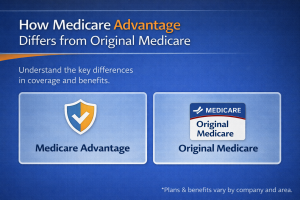
For many seniors, understanding the transition from Original Medicare (Parts A and B) to additional coverage options like Medicare Advantage (Part C) or Medigap plans can be transformative. Medicare Advantage plans (also known as Part C) are offered by private insurance companies, such as Mutual of Omaha, just like Medicare Supplement plans, providing all-in-one alternatives to Original Medicare. These plans typically cover hospital and medical services and often include prescription drug coverage, dental, vision, or hearing benefits.

It’s important to note the concept of out-of-pocket costs, which can include deductibles, copayments, and coinsurance. For instance, if you visit a doctor under Medicare Part B, you’ll likely have to meet a deductible and then pay coinsurance before Medicare picks up the remaining costs.

Therefore, understanding your healthcare usage patterns and potential expenses is key to selecting a plan that aligns with your financial comfort and health needs. Regularly reviewing available Medicare information and comparing your options can boost your confidence in choosing the right plan.

Practical Considerations for Navigating Medicare:

  • Compare the differences between Medicare Advantage and Medigap to determine which suits your healthcare needs better.
  • Evaluate any additional benefits like dental or vision that may be valuable to you when selecting a plan.
  • Consider your personal health needs and past healthcare usage to predict potential healthcare expenses.
  • Review any prescription drug requirements you have to ensure they’re covered under your preferred plan.
  • Regularly update yourself on any changes in Medicare policies or available plans.
  • Analyze the out-of-pocket costs associated with each plan option carefully before making a choice.
  • Seek out informational resources to clarify any complexities within the Medicare system.

By considering these factors, you can make informed decisions that align with both your health needs and financial situation.

Medigap Plans and Their Role

Medigap, also known as Medicare Supplement Insurance, plays a crucial role in covering the “gaps” left by Original Medicare. These gaps typically refer to out-of-pocket costs such as copayments, coinsurance, and deductibles that Medicare Parts A and B don’t fully cover. Medigap plans, including Plan G and its high-deductible counterpart, provide additional financial protection, enabling you to better manage your healthcare expenses.

Cigna, among other insurers, offers a variety of Medigap plans. With Cigna’s Medigap options, you gain access to plans tailored to offset specific Medicare costs. For those considering Cigna’s High Deductible Plan G, it’s vital to understand that such plans require meeting an upfront deductible before coverage kicks in fully.

This can be beneficial for those who prefer lower monthly premiums but are prepared to handle initial out-of-pocket expenses.

The purpose of Medigap plans is to supplement Original Medicare, offering coverage for expenses that would otherwise come directly out of your pocket. Unlike Medicare Advantage, Medigap insurance operates alongside Original Medicare, ensuring you maintain your Medicare benefits while gaining supplemental protection. It’s also worth noting that Medigap plans are standardized, meaning they must offer the same benefits regardless of the insurer, although costs can vary.

To decide if a Medigap plan, like Cigna’s High Deductible Plan G, suits you, consider your health needs and budget. These plans are especially valuable for those seeking predictable healthcare spending and peace of mind. As you explore options, keep in mind that Medigap does not include prescription drug coverage; hence, you may need a separate Part D plan for medications.

Understanding these aspects allows you to create a comprehensive healthcare strategy that aligns with your lifestyle and financial goals.

Remember, always assertively compare plans and review your current health status and potential future needs. This strategic approach helps in making informed, cost-effective healthcare decisions.

When you’re ready to find a Medigap plan that fits your needs or evaluate other Medicare options, just enter your ZIP code on our site to compare plans. For those seeking personalized assistance, giving us a call is an ideal way to get expert advice when our number is available.

Find & Compare Plans Online

Speak with a licensed insurance agent

1-855-398-0716TTY 711

Mon-Fri: 8am-9pm ET

Exploring Medigap Plan G

Medigap Plan G is a popular choice among Medicare supplement plans, offering robust benefits and comprehensive coverage for those looking to minimize out-of-pocket healthcare costs. This plan covers nearly all the gaps left by Original Medicare, except for the Part B deductible. Understanding its features and how it integrates with your overall Medicare coverage is key to making informed decisions about your healthcare strategy.

As an independent educational resource, MedicarePlansGuide.org aims to provide you with clear, unbiased insights into what makes Medigap Plan G a potentially strong supplement plan option.

Features of Plan G

Plan G provides comprehensive coverage for a wide range of out-of-pocket costs that Original Medicare doesn’t cover. This includes coinsurance for hospital stays, hospice care, and skilled nursing facility care. Additionally, Plan G covers Part B coinsurance, which is critical for doctor visits and outpatient services.

One standout feature is the coverage for Part B excess charges, which occur if a healthcare provider charges more than the Medicare-approved amount. This protection ensures you’re not caught off guard by unexpected medical bills.

Another appealing aspect is the coverage of foreign travel emergencies. For seniors who enjoy traveling, Plan G offers up to 80% coverage for emergency care outside the U.S., after reaching a small deductible. This can be a significant advantage for those who frequently travel abroad.

It’s important to understand that while Plan G does cover these extensive benefits, it requires you to meet the Part B deductible, unlike some other supplement plans.

When exploring Plan G, consider how its features align with your medical needs. If you have frequent doctor visits or use outpatient services, Plan G’s comprehensive coverage of Part B coinsurance can be particularly beneficial. The plan also eliminates the need for copayments during hospital stays, reducing financial stress during serious illnesses.

By covering most out-of-pocket costs, Plan G provides peace of mind, knowing that your healthcare expenses are largely predictable and manageable.

It’s worth comparing Plan G with other Medigap plans to see how it fits your specific situation. While Plan F may seem similar, it’s only available to those who were eligible for Medicare before 2020. Plan G offers comparable benefits, making it a strong alternative for new enrollees.

Evaluating Plan G’s features in relation to your healthcare usage and needs can guide you in selecting a supplement plan that offers both value and comprehensive coverage.

Why Cigna Plan G Might Suit Your Needs

Cigna’s Plan G could be a suitable choice for those seeking reliable coverage paired with the confidence of a trusted insurer like Cigna. Known for its extensive coverage network and customer service, Cigna excels in providing Medicare supplement plans that cater to a variety of needs. One compelling reason to consider Cigna’s offerings is its competitive pricing across many regions, which can benefit budget-conscious seniors who want dependable coverage without excessive premiums.

Cigna offers the stability of a well-established insurance provider trusted by many. This can be comforting for seniors who prioritize both financial security and a high level of service.

Choosing a plan from a reputable company ensures that claims processing and customer service are handled smoothly, which is crucial when managing healthcare needs. With Cigna, or Healthspring under Cigna, you can expect a reliable insurance experience for Plan G that aligns with your priority for service quality.

Another advantage of opting for Cigna’s Plan G is the accessibility of resources like health programs and wellness services, which Cigna often includes for its plan members. This can enhance your overall quality of life by promoting healthy living and preventive care, aligning well with the goal of maintaining good health to reduce medical costs in the long term. These resources might include discounts on gym memberships or access to around-the-clock nurse hotlines, making it a comprehensive solution beyond standard insurance coverage.

It’s essential to analyze if your healthcare providers are within Cigna’s network to maximize your benefits under their Plan G. The extensive network means you are likely to find your preferred doctors and facilities within reach, enhancing your care continuity and satisfaction. By focusing on how Cigna’s Plan G fits with your medical, financial, and lifestyle needs, you can make an informed choice that balances coverage with cost.

Remember to compare Cigna’s Plan G with other Medigap options to see which offers the benefits that align best with your individual situation. Using our platform, enter your ZIP code to explore Medicare plans in your area. For more personalized guidance, you can also call when our expert advisors are available, providing you with tailored support to find the insurance that serves you best.

Comparing Medicare Supplement Options

Comparing Medicare Supplement Options

Choosing the right Medicare supplement plan is essential for managing your healthcare costs effectively. Medicare supplement plans, also known as Medigap plans, complement Original Medicare by covering expenses that Part A and Part B don’t fully pay for, such as deductibles and coinsurance. Exploring these options is important to finding a plan that aligns with your health needs and financial situation.

By comparing plans like Cigna’s High Deductible Plan G against traditional Medigap policies, you can better understand where they fit into your Medicare strategy and how they can help lower premiums while managing out-of-pocket costs.

Medicare Supplement vs. Original Medicare

Original Medicare and Medicare supplement plans serve distinct purposes in your healthcare strategy. Original Medicare, which includes Part A (hospital insurance) and Part B (medical insurance), provides essential healthcare coverage for seniors. However, it often leaves beneficiaries with significant out-of-pocket costs such as coinsurance, copayments, and deductibles.

This is where Medicare supplement plans, often called “Medigap” plans, become invaluable. They act as a form of supplemental insurance, filling the financial gaps left by Original Medicare coverage.

When comparing Medicare supplement plans to Original Medicare, it’s important to consider the additional financial protection they offer. For instance, Medicare doesn’t cover the Part B deductible or any Part B excess charges, costs that can catch you by surprise. Medigap plans, like Plan G, cover these expenses except for the Part B deductible, providing greater cost predictability. This predictability can be especially beneficial for those who frequently use medical services or require extensive care.

While Original Medicare allows you to access a wide range of healthcare providers nationwide, it doesn’t cover everything. Medicare supplement plans ensure your coverage extends to most out-of-pocket expenses, easing financial burdens. This safety net becomes crucial as healthcare needs increase with age, making it necessary to evaluate how supplement plans can complement your Original Medicare benefits effectively.

One significant consideration is how these plans align with your personal healthcare needs and budget. With several Medigap options available, such as Cigna’s High Deductible Plan G, understanding the differences between each can guide you in selecting the right plan. High-deductible options typically come with lower premiums, ideal for those who want to manage their insurance costs proactively while still maintaining comprehensive coverage once the deductible is met.

Ultimately, comparing these two options boils down to weighing immediate out-of-pocket savings against the peace of mind that comes with reduced uncertainty over healthcare costs.

Choosing the Right Supplement Plan for You

Selecting a Medicare supplement plan is a personal decision that requires considering various factors, including your health needs, budget, and lifestyle. Each supplement plan offers different levels of coverage and benefits, which can impact your decision. Start by assessing your current healthcare usage. How often do you visit doctors or specialists? Do you travel frequently? These questions help determine the level of coverage you may need.

For instance, if you regularly visit healthcare providers, choosing a plan like Cigna’s Plan G or its high-deductible counterpart might be beneficial, as both cover most gaps that Original Medicare leaves. The high-deductible option trades lower premiums for a higher upfront out-of-pocket cost, which could be strategic for those who don’t expect significant medical expenses but want coverage in place for major events.

Next, consider your financial situation. If maintaining lower monthly premiums is a priority, a high-deductible plan may suit your budget better. Remember, with such plans, you’ll be responsible for covering costs until you reach your deductible, after which the plan covers additional expenses. Evaluating your ability and comfort level in handling these upfront costs is key.

It’s also significant to factor in the insurer’s reputation. Companies like Cigna provide added peace of mind with robust customer service and extensive networks, which ensures access to preferred healthcare providers. Understanding how these factors align with your needs helps narrow your choices to plans that offer the most value.

Finally, don’t forget to utilize tools and resources for comparing plans. MedicarePlansGuide.org provides a platform where you can easily input your ZIP code to find and compare supplement plans in your area. This feature makes it simpler to review options available to you. And when our expert advisors are available to call, you can get personalized assistance to further guide your decision. Informed choices lead to coverage that not only supports your health but also aligns with your budget and lifestyle goals.

Cost Considerations and Lower Premiums

Cost Considerations and Lower Premiums

When considering Medicare plans, understanding how costs and premiums work is essential. By choosing options like Cigna’s High Deductible Plan G, you can potentially enjoy lower premiums. It’s important to recognize that these lower premiums come with a trade-off: a higher deductible.

In simple terms, a higher deductible means you’ll have to cover more initial expenses before the insurance benefits fully activate. This approach can fit well with those wanting manageable monthly insurance costs while being prepared for higher out-of-pocket spending when needed.

One of the key benefits of selecting a plan with a higher deductible is the ability to keep monthly premiums low. This setup is particularly appealing for seniors who have a good handle on their healthcare expenses yearly or those who don’t frequently visit healthcare providers. By paying lower premiums, you can allocate funds more effectively and better manage personal finances.

However, it’s crucial to weigh these lower upfront costs against the potential for more significant out-of-pocket expenses when a higher deductible comes into play.

To make informed decisions, it’s essential to thoroughly compare your Medicare options. By evaluating the various cost structures of different plans, you can find a Medicare plan that aligns with your personal needs and financial situation. Cigna’s High Deductible Plan G, along with other Medicare plans, can fill the gaps left by Original Medicare, covering extra costs like copayments and coinsurance.

Having all pertinent information at your disposal helps clarify the advantages and potential downsides of opting for a higher deductible plan.

For many, the peace of mind afforded by having comprehensive coverage through Medicare supplement plans outweighs the challenge of higher upfront costs. While lower premiums can be enticing, understanding how your chosen plan complements all Medicare gaps is vital for ensuring financial security. Keep in mind that not all high deductible plans are suited for everyone.

Your decision should reflect both current healthcare usage and your comfort with higher financial responsibilities when choosing between a lower premium or higher insurance deductible plan.

To get personalized information and compare available plans, input your ZIP code on our website. When you need tailored advice, you can also call us during available hours. This ensures you confidently select the right Medicare coverage for your needs.

Understanding Cigna High Deductible Plan G can lead to informed Medicare choices. Remember, comparing plans for costs and benefits is key. If you want to see local options, enter your ZIP code on our site. You can also call for personalized assistance once our number is available. We’re here to help you navigate the Medicare maze with confidence and ease.


Compare plans and enroll online

Frequently Asked Questions

What is Cigna High Deductible Plan G?

Cigna High Deductible Plan G is a Medicare Supplement plan that offers lower monthly premiums in exchange for a higher deductible. It provides coverage for out-of-pocket costs such as copayments, coinsurance, and excess charges after the deductible is met.

Who might benefit from Cigna High Deductible Plan G?

This plan may appeal to individuals who prefer managing lower monthly premiums while taking on a higher financial responsibility upfront. It’s suitable for those who don’t require frequent medical care but want coverage for unexpected expenses.

How does a high-deductible plan like Plan G work alongside Original Medicare?

High-deductible plans complement your Original Medicare by covering additional costs not fully paid by Medicare Parts A and B. Once the deductible is met, the plan covers expenses such as coinsurance and copayments, providing extended protection.

What should I consider before choosing Cigna's High Deductible Plan G?

Consider your healthcare usage and financial comfort with meeting deductibles. Evaluate how often you visit doctors and potential out-of-pocket costs. It’s also essential to check if your preferred providers accept this plan’s coverage.

How can I compare Cigna High Deductible Plan G with other Medicare options?

Use tools like MedicarePlansGuide.org to enter your ZIP code and see local plans. This lets you compare benefits, premiums, and out-of-pocket costs to find the best fit for your needs. Personalized assistance is also available by phone for guidance.

Have Questions?

Speak with a licensed insurance agent

1-855-398-0716

TTY users 711

Mon-Fri: 8am-9pm ET

Find & Compare Plans Online

Speak with a licensed insurance agent

1-855-398-0716TTY 711

Mon-Fri: 8am-9pm ET

ZRN Health & Financial Services, LLC, a Texas limited liability company