As you navigate Medicare options for 2027, understanding the nuances of Medicare Supplement Plans in 2027, often known as Medigap, can significantly enhance your healthcare coverage. Medigap plans are designed to help fill the gaps that Original Medicare doesn’t cover, offering peace of mind and financial predictability. Our guide explains key benefits, cost implications, and how these plans can work alongside your existing coverage to ensure your medical needs are met efficiently. Whether you’re new to Medicare or reassessing your current plan, this resource aims to clarify and compare available Medigap options.


Compare Medicare Plans
Compare plans and costs in your area






Compare the Best Medicare Supplement Plans for 2027
Key Highlights
- Medicare Supplement plans, or Medigap, fill coverage gaps left by Original Medicare, offering financial predictability and peace of mind.
- MedicarePlanF covers almost all out-of-pocket costs but isn’t available to new enrollees post-2020.
- Medicare Plan G offers similar coverage to Plan F, minus the Part B deductible, making it cost-effective.
- Medigap insurance can offer flexibility and predictability, ideal for chronic health issues or frequent travel.
- Utilize the Medicare plans finder tool to compare Medigap options effectively according to individual health and financial needs.
Compare plans and enroll online
Understanding Medicare Supplement Plans for 2027
As we approach 2027, it’s crucial to understand the evolving landscape of Medicare Supplement plans. These plans, often referred to as Medigap, are essential for filling in the coverage gaps that Original Medicare leaves. Whether you’re new to Medicare or reevaluating your current coverage, knowing the benefits of Medigap policies can help you make informed decisions. This section will explore what Medicare Supplement plans entail and help you determine if they’re a fit for your healthcare needs.

What Are Medicare Supplement Plans?
Medicare Supplement plans, commonly known as Medigap, are designed to cover costs that Original Medicare doesn’t, such as copayments, coinsurance, and deductibles. These plans are offered by private insurance providers and come in various standardized types, each identified by a letter (like Plan A, Plan B, etc.). The key advantage of Medigap is that it provides predictable expenses because it covers many out-of-pocket costs, allowing beneficiaries to access healthcare services without worrying about unexpected medical bills.
The need for a Medicare Supplement plan arises from the fact that Original Medicare, while providing broad medical coverage, doesn’t cover everything. Expenses like lengthy hospital stays or frequent doctor visits can add up, especially if you have chronic health conditions or require regular medical attention. Therefore, Medigap offers a financial safety net, ensuring that beneficiaries have fewer surprises when it comes to medical costs.
In 2027, the best Medicare Supplement plans continue to evolve, but they fundamentally remain focused on bridging the gaps left by Original Medicare. It’s important to note that while each Medigap plan offers a standardized basic level of coverage across the country, the costs, scope, and availability can vary significantly by location due to state regulations. This means you’ll need to explore different Medigap policies to find one that aligns with your specific health needs and financial situation.
Navigating the world of Medigap can be complex, but educational resources like MedicarePartCPlans.org provide clear, unbiased information to help you explore your options. By understanding what each supplement plan covers and how it varies by provider, you can make an educated choice about which plan may best support your medical needs as you transition into, or continue with, Medicare coverage in 2027.
Who Needs a Medicare Supplement Plan?
Determining whether you need a Medicare Supplement plan hinges on several factors, such as your current health status, financial considerations, and coverage needs under Original Medicare. Primarily, Medigap is beneficial for those who want more predictable healthcare costs and have frequent medical expenses not fully covered by Original Medicare. With options varying in coverage and cost, it’s essential for each Medicare beneficiary to consider their personal circumstances when deciding if a supplement plan is the right choice.
Those with chronic illnesses or foreseeable medical procedures might find that the additional coverage from a Medigap policy is invaluable. These supplemental plans help manage expenses related to services and treatments not fully covered by Original Medicare. Moreover, individuals who travel frequently within the United States may appreciate the broader network access that Medi gap offers versus certain Medicare Advantage plans with more restricted provider choices.
Conversely, if you are someone who doesn’t visit doctors often and is in good health, you might question the need for additional supplements. Yet, Medicare Supplement plans offer peace of mind for unexpected health issues that could arise in the future. They can be particularly appealing to those wanting to minimize their out-of-pocket expenses and gain more control over healthcare costs, ultimately leading to improved healthcare decision-making.
Cost is another crucial factor in deciding who needs a Medigap plan. While these plans come with their own monthly premiums, they might still lead to significant savings for individuals with high healthcare expenses. MedicarePartCPlans.org offers tools to compare plans down to their most nuanced benefit, helping beneficiaries evaluate which plan aligns best with their financial and health needs.
Ultimately, deciding if a Medicare Supplement plan is necessary should involve weighing your health outlook against the potential medical and financial support these plans offer. For those seeking comprehensive coverage and reduced financial burdens associated with healthcare, Medigap represents an investment towards a stable healthcare future.
| Plan Features | Potential Beneficiaries | Coverage Benefits | Factors to Consider |
|---|---|---|---|
| Variety of plan options (e.g., Plan A, B, C, etc.) | Individuals 65 and older | Covers copayments, coinsurance, and deductible gaps | Monthly premiums may vary |
| Standardized coverage across providers | Eligible for Medicare Part A and Part B | Access to any doctor who accepts Medicare | Differences in coverage across plans |
| Renewable if premiums are paid | Those seeking additional coverage beyond Original Medicare | No network restrictions for services | Does not cover prescription drugs |
| Guaranteed issue rights in certain situations | Individuals moving from another insurance plan | Emergency coverage outside the US (for some plans) | Enrollment periods and age limits |
This table encapsulates the critical considerations for choosing a Medicare Supplement plan, reflecting the evolving nature of Medigap coverage in 2027.
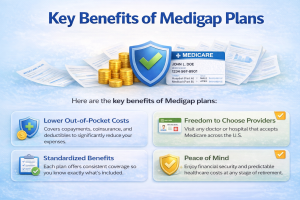
Comparing Medicare Supplement Plans: Key Considerations
Medicare Supplement plans, or Medigap, are pivotal for aiding in healthcare expenses not covered by Original Medicare. As 2027 approaches, comparing these plans is vital for making informed decisions. Factors such as plan benefits, costs, and providers play a significant role in this process. Understanding how to evaluate different Medigap plans enables beneficiaries to choose plans aligning with their health and financial needs. This section will delve into effective comparing methods and assess both costs and benefits to provide clarity in selecting a suitable Medigap policy.
How to Compare Medicare Supplement Plans
When navigating the world of Medigap policies, a strategic approach to comparing plans can help you make the best decision. The first step is understanding what each Medicare Supplement plan covers. Medigap plans are standardized into categories labeled by letters, such as Plan A, Plan B, etc. Each plan offers the same basic benefits nationwide, but additional coverage varies based on specific plans. By comparing these elements, you ensure the plan chosen aligns well with your health needs.
Another essential step in plans comparison is identifying the network of providers. While Medigap plans typically offer nationwide access, it’s crucial to confirm the availability of your preferred doctors and hospitals under the selected plan. Some beneficiaries prioritize plans that facilitate easier access to renowned medical facilities and specialists. Consequently, examining provider networks in your plan comparison process is key to ensuring seamless access to care across different locations.
Financial factors are also integral in your analysis. Look at the rates and compare Medigap plan benefits alongside costs, including monthly premiums, deductibles, and out-of-pocket limits. Use resources like comparison charts and online tools offered by MedicarePartCPlans.org to simplify this evaluation. Such tools can showcase rates and discount opportunities that might apply if you enroll with specific providers.
It’s vital to consider additional benefits that certain Medigap plans might offer. For instance, some plans might cover foreign travel emergencies, a feature not universally available across all policies. If you’re someone who travels frequently, this additional coverage can be a critical factor in your decision-making. By utilizing a combination of provider networks, plan benefits, and financial evaluations, you can navigate the Medigap landscape with confidence and choose a plan that best suits your individual needs.
Evaluating Costs and Benefits
Evaluating the costs and benefits of Medicare Supplement plans requires a detailed look at the factors that impact your overall healthcare expenses. The most obvious consideration is the premium; monthly payments vary based on the plan type and the insurance company offering it. However, the cheapest option is not always the best; a careful balance of costs versus coverage is crucial. Exploring rate comparisons through websites like MedicarePartCPlans.org can offer a clearer picture of potential expenses as well as highlight discounts offered by certain providers or for specific demographics.
Beyond premiums, other costs include deductibles and potential coinsurance amounts. Some plans cover these expenses entirely, while others may require partial contributions. Analyzing how these out-of-pocket costs might add up in different health scenarios, such as multiple doctor visits or extended hospital stays, helps you to anticipate potential financial responsibilities. It’s crucial for beneficiaries to review their healthcare usage patterns to estimate which plan might yield the optimal balance of predictable costs and comprehensive coverage.
Moreover, examine the benefits each Medigap plan offers and how they align with your healthcare needs. Plans differ in their coverage of services like skilled nursing facility care or foreign travel emergency healthcare, which are vital if your lifestyle or medical condition demands them. Additionally, consider how specific Medigap policies offer benefits that cater uniquely to frequent travelers or those requiring specialized medical services.
Incorporating tools designed to compare Medicare options can help streamline your decision-making process. As you weigh each plan’s pros and cons, look for comprehensive online platforms or in-person resources that provide seamless comparison methods. Such guidance ensures a full understanding of how each offering compares in terms of medigap plan benefits and costs, allowing you to decisively choose a plan that secures your healthcare needs for 2027 and beyond. Overall, your evaluation process should empower you to make informed healthcare decisions that effectively manage your financial exposure and ensure accessible, high-quality medical care.
Exploring Popular Medigap Plans
The landscape of Medicare Supplement plans, or Medigap plans, offers diverse options for beneficiaries looking to supplement their Original Medicare. Understanding these popular choices can significantly impact healthcare costs and access in 2027. This section delves into two widely discussed plans: Medigap Plan F and Medigap Plan G. These plans cater to different needs and preferences, providing a financial cushion for various medical expenses not covered by Original Medicare. Our exploration will cover the specifics of each plan, helping you make an informed choice about which coverage aligns best with your healthcare and financial needs.
Find & Compare Plans Online
An Overview of Medigap Plan F
Medigap Plan F is often considered a comprehensive plan because it covers a broad spectrum of out-of-pocket costs left by Original Medicare. Beneficiaries who select Plan F benefit from knowing that their expenses, ranging from Medicare Part A and Part B deductibles to copayments and coinsurance, are covered extensively. This plan aims to provide peace of mind, reducing potential unexpected medical costs significantly. Explaining Medigap plans like Plan F becomes essential, especially for those individuals who frequently utilize healthcare services and want predictable expenses.
One significant appeal of Medigap Plan F is that it includes coverage for Medicare Part B excess charges, costs that some other plans do not cover. This aspect is particularly beneficial for those who see specialists or undergo treatments potentially resulting in charges exceeding what Medicare covers under Part B. Moreover, Plan F can reduce the financial stress associated with accidents or sudden health issues, as all deductibles are included in the plan’s coverage. For frequent travelers within the United States, the plan’s broad acceptance can be advantageous since it allows access to healthcare facilities nationwide without worrying about out-of-pocket expenses unexpectedly rising. However, it is important to note that due to changes initiated by the Medicare Access and CHIP Reauthorization Act, Plan F is not available to new Medicare enrollees after January 1, 2020. Thus, only those who were eligible for Medicare before this date can still access or keep this plan, which makes it crucial to evaluate its ongoing availability and personal eligibility.
Despite its comprehensive benefits, the cost of Medigap Plan F typically includes higher premiums compared to other plans. For some, the predictability in out-of-pocket costs justifies the premium, especially if their medical expenses are significant. The peace of mind knowing there’s coverage for all contingencies is something many beneficiaries find invaluable. But, for others, the higher premium may represent more than what’s financially feasible, leading them to consider alternatives like Plan G. It’s vital for beneficiaries to compare the premium versus the potential out-of-pocket costs carefully, in context with their health conditions and projected healthcare needs. Resources like MedicarePartCPlans.org offer tools and guidance to help beneficiaries evaluate these intricate nuances of Medigap Plan F.
Understanding the Benefits of Medigap Plan G
Medigap Plan G stands out as a popular choice among those seeking extensive coverage with slightly lower premiums compared to Plan F, while offering similar benefits. As noted earlier, since Plan F is unobtainable for new enrollees post-2020, Plan G often becomes the go-to alternative for comprehensive insurance needs. It provides for most of the same elements as Plan F except for the Medicare Part B deductible. This feature makes it attractive to those comfortable managing the annual deductible alongside its generally lower premium.
Considering Medigap Plan G, coverage encompasses Medicare Part A deductibles, copayments, and coinsurance, and it handles excess charges under Part B, much like Plan F. The value lies in its balanced approach to covering substantial medical costs while maintaining a more affordable premium. For Medicare beneficiaries keen on comprehensive coverage without paying the full premium that accompanies Plan F, Plan G might represent that balance between cost and coverage. Furthermore, Plan G includes coverage for foreign travel emergencies, offering a considerable advantage for beneficiaries who travel internationally and require peace of mind regarding medical treatment costs abroad.
Medigap Plan G becomes particularly suitable for individuals whose healthcare needs demand regular doctor visits or specialized treatments. For these individuals, the extent of coverage means fewer financial surprises, enabling better budget management for healthcare expenses. Although the Part B deductible must be paid out-of-pocket each year, this is often seen as a manageable trade-off for the multiple benefits Plan G provides. Additionally, considering the nationwide acceptance of Medigap plans, access to a wide range of healthcare providers remains a significant plus for beneficiaries.
When exploring Medigap plans, particularly Plan G, it’s essential to consider the long-term financial implications and overall healthcare needs. Beneficiaries should weigh the annual deductible against the potentially higher costs without such coverage. Tools like the free Medicare plans finder tool available on MedicarePartCPlans.org can guide beneficiaries through these complex decisions, highlighting each plan’s nuances and benefits effectively. This ensures a well-informed choice aligns with individual health care needs, financial situations, and personal preferences.
To enhance your understanding of Medigap Plan G’s benefits and help you make an informed decision, consider the following key points:
- Covers all of Medicare Part A deductibles, ensuring you’re not burdened by inpatient costs.
- Provides for Medicare Part B excess charges, offering protection from unexpected medical bills.
- Includes foreign travel emergency coverage, offering peace of mind for international travelers.
- Nationwide acceptance allows for flexibility in choosing healthcare providers you trust.
- Generally, lower premiums compared to Plan F aid in budgeting healthcare expenses effectively.
- Requires payment of the Medicare Part B deductible, often seen as a fair trade-off for extensive coverage.
- Facilitates better financial planning by reducing surprise medical expenses.
These aspects highlight how Medigap Plan G could align well with your health care approach and financial considerations.
How Medicare Advantage Differs from Medigap Insurance
Understanding the differences between Medicare Advantage and Medigap insurance can feel overwhelming for Medicare beneficiaries. While both aim to enhance Medicare benefits and provide broader healthcare coverage, they operate differently and suit varying health needs. Medicare Advantage plans, also known as Medicare Part C, are alternatives to Original Medicare and often include additional services like dental or vision care. Medigap, on the other hand, acts as a supplement to Original Medicare, covering gaps like copayments and deductibles. This section explores the key distinctions, helping you decide which option aligns best with your needs.

Medicare Advantage vs. Medigap: Key Differences
When comparing Medicare Advantage plans to Medigap insurance, it’s essential to recognize the scope and nature of the coverage each provides. Medicare Advantage, also known as Medicare Part C, is designed to replace Original Medicare by offering Part A and B benefits through private insurance companies, often bundled with Part D for prescription drug coverage. This makes them appealing to beneficiaries seeking an “all-in-one” option for convenience and comprehensive coverage for services like dental, vision, and wellness programs.
However, choosing an Advantage plan requires acceptance of network limitations. Typically, beneficiaries must use healthcare providers within the plan’s network to receive the lowest costs. These plans may also involve copayments and coinsurance, depending on the specific health services you access. In contrast, Medigap policies are intended to supplement Original Medicare, not replace it. They focus on filling “gaps,” such as parts of coinsurance, copayments, or deductibles not covered by Original Medicare, giving beneficiaries more predictable out-of-pocket expenses.
Medigap plans, known for having a range of options illustrated by letters like Plan A through Plan N, depend on the standardized benefits established federally, though their costs vary by providers and states. These plans do not restrict beneficiaries to any network of providers, offering flexibility to see any doctor that accepts Medicare. This is a significant advantage for those needing specialized care or for frequent travelers in the U.S., as access to healthcare is not geographically limited.
Another crucial difference revolves around additional benefits and costs. Whereas Medicare Advantage plans can offer more services, Medigap focuses on minimizing out-of-pocket costs against unforeseen medical expenses. Beneficiaries usually pay a separate monthly premium for Medigap plans on top of their Original Medicare Part B premium. Understanding these distinctions helps beneficiaries align their health, financial, and lifestyle needs more effectively, a decision that can be supported by resources like MedicarePartCPlans.org, where detailed comparisons and free Medicare plans finder tools assist in evaluating the best fit for your unique circumstances.
When to Consider Medigap Insurance
Deciding when to consider Medigap insurance involves evaluating both your current healthcare needs and your financial situation. If you value fixed, predictable out-of-pocket costs and want the flexibility to see any doctor or specialist within the United States who accepts Medicare, Medigap plans can be quite attractive. Particularly for individuals with chronic health issues or those anticipating regular medical care, the absence of network restrictions could translate into easier access to necessary health services without geographic limitation or concern about out-of-pocket unpredictability.
Medigap is beneficial for beneficiaries who prefer certainty in their healthcare financial planning. This insurance tends to attract those who foresee needing substantial medical care without the desire or ability to manage variable costs associated with a Medicare Advantage plan. Due to its supplemental nature, Medigap helps cover costs like coinsurance and deductibles that can accumulate under Original Medicare, offering a more comprehensive coverage anticipation for those prepared to pay an extra premium.
Additionally, those who travel frequently or reside in multiple states might find Medigap’s flexibility advantageous compared to Advantage plans, which may require beneficiaries to seek care only within plan networks. Medigap policies allow beneficiaries to access healthcare providers nearly universally across the U.S. This flexibility plays a vital role for someone not wanting to be constrained by local network limitations or undergo processes like obtaining referrals for specialist care.
When considering Medigap, it’s also essential to assess the timeline and rules associated with enrollment. The best time to purchase a Medigap policy is during your Medigap Open Enrollment Period, which lasts six months starting from the first month you’re 65 and enrolled in Medicare Part B. During this period, you have the right to purchase any Medigap policy offered in your state without medical underwriting, meaning that pre-existing conditions aren’t considered, preventing possible premium hikes or denials.
Lastly, the scope of Medigap policies and what may be covered varies by plan and company. Using tools like those provided by MedicarePartCPlans.org can help you navigate these options effectively. By comparing plan benefits, monthly premiums, and out-of-pocket costs, you can find a Medigap insurance plan that complements your specific Medicare coverage and ensures peace of mind regarding medical expenses, enabling educated decisions moving forward. Through such guided explorations, you’ll better understand if Medigap is a strategic health coverage option for your needs.
Utilizing Online Tools to Compare Medicare Options
As 2027 approaches, effectively comparing Medicare options is crucial for beneficiaries looking to optimize their healthcare coverage. Online tools have become invaluable resources in navigating the complexities of Medicare plans, particularly when considering Medigap policies. These tools empower users to compare Medicare options, evaluate costs, and identify suitable Medigap plans tailored to their healthcare needs. With technological advancements, resources like the Medicare plans finder provide comprehensive insights into enrollment, plan differences by state, and the respective insurance companies offering these options.
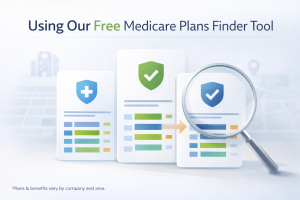
How to Use Our Medicare Plans Finder Tool Effectively
The Medicare plans finder tool on MedicarePartCPlans.org is a powerful resource designed to simplify the process of comparing Medicare options. To use this tool effectively, it’s essential to understand its functionalities and the insights it offers. Start by gathering all necessary information regarding your current Medicare plan, any additional coverage like Medigap, and your healthcare needs. Inputting accurate and complete data about your existing plan ensures that the Medicare plans finder tool can provide recommendations tailored to your specific requirements.
Begin by exploring the various Medigap options available in your state. Medigap plans can significantly vary, not only in benefits but also in costs and the availability of certain coverage options. The tool lets you compare different policies, including standardized Medigap plans, such as Plan F and Plan G. By reviewing these options, you’ll better understand the specific benefits each offers, allowing you to decide which Medigap plans align best with your medical and financial needs.
While using the plans finder tool, consider the rates and costs associated with different Medigap policies. The platform provides detailed cost comparisons, displaying premiums, deductibles, and other potential expenses. This analysis helps you weigh the financial implications of different plans, making it easier to budget for your healthcare needs. Also, take note of any discounts or special terms that certain insurance companies might offer within your state, as these can influence your overall choice.
Enrollment periods are another critical aspect of navigating Medigap options. The tool offers insights into optimal times for enrollment, ensuring you don’t miss the opportunity to lock in a plan without medical underwriting during your Medigap Open Enrollment Period. By understanding these timelines, you can avoid any penalties or increased costs associated with delayed enrollment, securing the coverage you require without unnecessary complications.
Resources offered by MedicarePartCPlans.org go beyond just presenting plan comparisons. The tool also provides educational content and guidance on interpreting the data presented. This makes the entire process more accessible, especially if you’re new to Medicare or Medigap options. With this comprehensive understanding, beneficiaries can confidently select a Medicare plan that meets their health needs and maximizes benefits while minimizing out-of-pocket costs.
Lastly, consider the reputation and reliability of the companies providing Medigap plans in your area. Investigating customer service ratings and historical customer satisfaction scores can offer insights into the kind of experiences you might expect from a particular insurance provider. Using the Medicare plans finder tool and accompanying resources, you can navigate the world of Medigap with confidence. This structured approach will ensure you choose a plan that not only fits your healthcare needs for 2027 but also aligns with your financial situation and long-term health objectives.
As you navigate the options for Medicare Supplement plans for 2027, understanding the distinct benefits offered by each Medigap plan can empower you to make informed decisions based on your healthcare needs and budget. Utilizing tools like our free Medicare plans finder can assist in comparing plans and finding one that aligns with your specific circumstances. Consideration of factors such as premiums, coverage gaps, and network flexibility will help ensure that your chosen plan supports your healthcare goals effectively. Stay informed and take proactive steps in securing a plan that enhances your Medicare coverage.
Compare plans and enroll online
Frequently Asked Questions
What is a Medicare Supplement Plan or Medigap?
Medicare Supplement Plans, also known as Medigap, are insurance policies offered by private companies that help pay some of the healthcare costs that Original Medicare doesn’t cover, like copayments, coinsurance, and deductibles. They provide financial predictability by filling these coverage gaps.
How does Medigap differ from Medicare Advantage (Medicare Part C)?
Medigap supplements your Original Medicare coverage by covering extra costs like coinsurance and deductibles. In contrast, Medicare Advantage (Medicare Part C) is an alternative to Original Medicare, providing your Part A and Part B coverage through private insurers, often including extra benefits like dental and vision care.
What are the differences between Medigap Plan F and Plan G?
Medigap Plan F covers almost all out-of-pocket costs, including the Part B deductible, but is unavailable to new Medicare enrollees post-2020. Plan G offers similar coverage but excludes the Part B deductible, often resulting in slightly lower premiums compared to Plan F.
How can Medigap contribute to travel flexibility?
Medigap plans are accepted nationwide by any healthcare provider accepting Medicare. This makes them suitable for frequent travelers within the U.S., providing unrestricted access to medical care without network limitations found in some Medicare Advantage plans.
What steps are involved in using the Medicare plans finder tool on MedicarePartCPlans.org?
Start with gathering your current Medicare information and healthcare needs. Use the Medicare plans finder tool to explore Medigap options, compare costs like premiums and deductibles, and review plan benefits. This tool simplifies decision-making by helping to evaluate which Medigap policy aligns with your personal and financial situation effectively.
Have Questions?
Speak with a licensed insurance agent
1-855-398-0716
TTY users 711
Mon-Fri: 8am-9pm ET
Find & Compare Plans Online
ZRN Health & Financial Services, LLC, a Texas limited liability company

Russell Noga is the CEO of ZRN Health & Financial Services, and head content editor of several Medicare insurance online publications. He has over 18 years of experience as a licensed Medicare insurance broker helping Medicare beneficiaries learn about Medicare, Medicare Advantage Plans, Medigap insurance, and Medicare Part D prescription drug plans.