Deciding between Medicare Part C (Medicare Advantage) and Original Medicare can be daunting, but understanding their differences can empower you in making the right choice. Medicare Part C offers bundled coverage options that may include additional benefits, while Original Medicare provides hospital and medical insurance separately. This article will guide you through the essentials of both Medicare paths, helping to clarify what each offers in terms of coverage, costs, and benefits. By exploring these key distinctions, you’ll be better equipped to evaluate which option aligns with your healthcare needs and budgetary considerations.

Compare Medicare Plans
Compare plans and costs in your area






Difference Between Medicare Part C and Original Medicare
Key Highlights
- Medicare Part C offers bundled coverage, often with additional benefits beyond Original Medicare.
- Original Medicare includes Parts A and B, providing hospital and medical insurance as separate parts.
- Medicare Advantage, managed by private insurers, often includes extra perks like dental and vision.
- Original Medicare allows any participating provider, while Advantage plans may restrict to network providers.
- Evaluating personal needs and budget helps determine the right Medicare plan choice.
Compare plans and enroll online
What is Original Medicare?
Original Medicare, established by the federal government, is a foundational health insurance program for seniors and certain younger individuals with disabilities. It consists of two main parts: Part A and Part B, each covering different aspects of healthcare services. Original Medicare, often referred to as government health insurance, is designed to provide essential coverage while allowing beneficiaries flexibility in choosing doctors and hospitals. Understanding original Medicare is crucial, as it serves as the basis for all other Medicare plans, including Medicare Advantage and Medigap policies, offering a straightforward approach to managing healthcare needs.
A Brief Overview of Parts A and B
Original Medicare is divided into Part A and Part B, with each part serving a distinct purpose. Part A is primarily hospital insurance, covering inpatient hospital stays, skilled nursing facilities after a hospital stay, hospice care, and some home health care. It is largely funded through payroll taxes that individuals pay during their working years, allowing most people to receive Part A without paying a premium when they enroll at age 65 or older. Understanding the services that fall under Part A’s umbrella helps beneficiaries manage their hospital-related expenses effectively.
On the other hand, Part B covers outpatient services, including doctor visits, preventive services, medical supplies, and diagnostic tests. Unlike Part A, Part B requires most beneficiaries to pay a monthly premium, set by the government each year, along with an annual deductible. Once the deductible is met, beneficiaries typically pay a 20% coinsurance for services covered under Part B. This part of Original Medicare is crucial for covering routine medical care and preventive services designed to maintain health and catch potential issues early.
Understanding these two parts is essential, as they form the basis of what is covered under Original Medicare. This knowledge helps beneficiaries compare their coverage options, such as Medicare Advantage or Medigap plans, by clarifying what costs will be covered and what might need additional insurance. It is worth noting that while Original Medicare provides broad health care coverage, there are some gaps, like dental and vision services, which are not covered and might require separate insurance plans.
Who is Eligible for Original Medicare?
Eligibility for Original Medicare typically begins as individuals approach the age of 65. If you’ve been a U.S. citizen or a permanent legal resident for at least five continuous years, you generally qualify for this government-provided health insurance. Additionally, individuals under 65 may also qualify if they receive Social Security Disability Insurance (SSDI) benefits for 24 months or have specific conditions like Amyotrophic Lateral Sclerosis (ALS) or End-Stage Renal Disease (ESRD).
The process of enrolling in Original Medicare for those reaching 65 is usually straightforward. If you’re already receiving Social Security or Railroad Retirement Board benefits, you’ll automatically be enrolled in Medicare Part A and Part B. Otherwise, you’ll need to sign up through the Social Security Administration during the seven-month Initial Enrollment Period, which starts three months before the month you turn 65 and ends three months after.
Understanding eligibility rules is crucial for optimizing Medicare enrollment strategies. For instance, delaying Part B enrollment could result in late penalties unless you have acceptable health insurance coverage through another source, like an employer. Planning your Medicare enrollment can prevent unexpected costs and ensure you maintain continuous health coverage without overpaying for unnecessary late enrollment penalties. As seniors explore their Medicare options, determining eligibility and understanding the enrollment process becomes a vital step in securing comprehensive health care coverage.

Exploring Medicare Advantage (Part C)
Medicare Advantage, also known as Medicare Part C, offers an alternative to traditional Original Medicare. Encompassing all the benefits of Part A and Part B, these advantage plans are provided by private health insurance companies and often include additional benefits like prescription drug coverage. This coverage is designed to streamline your healthcare needs under one plan. Understanding the advantages and limitations of Medicare Advantage can help you decide if this option aligns with your healthcare goals, offering a comprehensive view of how it works and how it differs from traditional Medicare.
How Does Medicare Advantage Differ from Original Medicare?
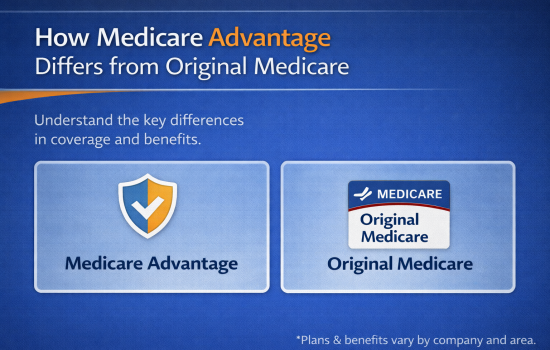
Medicare Advantage plans primarily set themselves apart from Original Medicare by their scope of coverage and the management offered through private insurance companies. Unlike Original Medicare, which is directly managed by the federal government, these plans are administered by Medicare-approved private insurers, providing a coordinated approach to receiving Medicare benefits. These Advantage plans encompass all services covered under Part A and Part B, often integrating additional benefits like dental, vision, and even membership perks, which are not typically found in Original Medicare.
Another key differentiator is how costs are handled. With an advantage plan, there might be different fee structures, including potentially lower out-of-pocket maximums, which can be appealing compared to the coinsurance required under Original Medicare. Members enrolled in Medicare Advantage often have to use a network of providers, like Health Maintenance Organizations (HMOs) or Preferred Provider Organizations (PPOs), which may limit the choice of doctors or facilities compared to the broader access that Original Medicare offers.
Enrollment in Medicare Advantage requires participants to continue paying their Part B premium, along with any additional premium the specific Advantage plan might charge. It’s essential to consider the plan’s network, as not all healthcare providers accept Medicare Advantage. However, for members who prefer having costs more predictable and controlled by a private plan’s network, this approach often proves more manageable. As seniors explore their options, understanding how these aspects align with individual healthcare needs is crucial in making an informed choice between Medicare Advantage and Original Medicare.
Advantages and Limitations of an Advantage Plan
Medicare Advantage plans can offer several benefits, but it is important to weigh them against potential limitations to choose what best suits your needs. One of the most attractive features of enrolling in an advantage plan is the inclusion of additional benefits, which might encompass services such as routine dental and vision care, hearing aids, and even health and wellness programs. These enhancements provide seniors with flexibility and comprehensive coverage beyond the standard offerings of Original Medicare.
The structured approach of Medicare Advantage often results in lower out-of-pocket costs, thanks to the set annual limit on your spending. This predictability is appealing for managing healthcare expenses efficiently. Plus, many plans incorporate prescription drug coverage, reducing the need for a separate Part D plan. For those who enjoy simplified billing and coordinated care, advantage plans may offer a welcome assurance in managing medical services.
However, there are limitations to consider. The network restrictions inherent in many Medicare Advantage plans can limit the choice of healthcare providers. If you often travel or wish to visit specialists outside a preferred network, these plans might not be as flexible as Original Medicare. There may also be more prior authorizations needed for certain procedures or treatments, leading to possible delays in care.
Understanding these pros and cons empowers seniors to make informed decisions about their health insurance. By carefully evaluating your lifestyle, healthcare needs, and budget, you can ascertain whether a Medicare Advantage plan meets your expectations. Considering these factors will enable you to choose a plan that provides the necessary coverage without overwhelming costs or restrictions, thus ensuring comprehensive health support.
Find & Compare Plans Online
Comparing Coverage Options: Original Medicare vs. Medicare Advantage
When navigating Medicare, understanding the differences between Original Medicare and Medicare Advantage plans is crucial. Original Medicare, managed by the federal government, provides foundational healthcare benefits through Part A and Part B. In contrast, Medicare Advantage plans are offered by private insurers, bundling original benefits with additional perks. This comparison outlines how each option handles coverage needs, costs, and additional services. Whether you prefer the flexibility of Original Medicare or the comprehensive approach of Medicare Advantage, recognizing their unique offerings can guide you in selecting a suitable healthcare strategy tailored to your needs.
Understanding the Scope of Medicare Coverage
The scope of Medicare coverage can significantly affect your healthcare decisions, making it vital to comprehend how Original Medicare and Medicare Advantage differ. Original Medicare consists of Part A, which covers hospital insurance, and Part B, which includes outpatient services. One of its main strengths is allowing beneficiaries to choose any doctor or hospital participating in Medicare, ensuring broad access to services. However, it doesn’t cover everything, vision, dental, and hearing aids are often excluded, which sometimes necessitates additional insurance like Medigap to fill the gaps.
On the other side, Medicare Advantage plans incorporate all Part A and Part B services but often extend beyond, providing extra benefits like dental care, vision coverage, and fitness programs. These plans are managed by Medicare-approved private insurance companies, introducing a more coordinated approach to healthcare services. Unlike Original Medicare, which has no out-of-pocket maximums, many advantage plans cap annual expenditures, potentially limiting unexpected costs and offering predictable healthcare spending. This predictability is a compelling aspect for those looking to maintain tight control over their healthcare budget.
Despite these benefits, Medicare Advantage plans require members to adhere to provider networks, such as Health Maintenance Organizations (HMOs) or Preferred Provider Organizations (PPOs). This might restrict your choice and require you to stay within a defined network to access care affordably, which can be a drawback compared to Original Medicare’s wider flexibility. Moreover, while the all-in-one nature of advantage plans is appealing, it demands a careful evaluation of provided network services and additional costs involved. As such, your lifestyle and healthcare priorities directly influence which plan better accommodates your needs, be it the flexibility of Original Medicare or the structured support of a Medicare Advantage plan.
Prescription Drug Coverage: A Key Distinction
Understanding how prescription drug coverage differs between Original Medicare and Medicare Advantage is crucial for your overall healthcare planning. Original Medicare does not include prescription drug coverage by default. Beneficiaries must enroll in a separate Medicare Part D plan to receive these benefits, requiring an evaluation of available plans and their specific formularies to find coverage that aligns with personal medication needs and budget constraints.
Conversely, many Medicare Advantage plans already integrate prescription drug benefits. Known as Medicare Advantage Prescription Drug (MAPD) plans, these aim to streamline your healthcare under one umbrella, often providing a more seamless management of services and coverage. By grouping your prescription drug needs with doctor and hospital services in one plan, you potentially simplify your healthcare management, receiving one bill for services. Additionally, advantage plans may include tiered drug formularies to suit widely varying medicinal requirements and financial resources.
However, while integrating prescription drug coverage into your advantage plan might imply greater convenience, it requires you to thoroughly assess the plan’s drug formulary to ensure it caters to your medication regimen. Each plan has its list of covered medications, which can vary significantly, impacting your access to necessary prescriptions. This assessment also extends to understanding any restrictions or prior authorization protocols that might affect how you receive your medicines and at what cost. Coverage isn’t just about what drugs are included; it’s also about understanding potential copays, deductibles, and how these interplay with your overall plan benefits.
Thus, evaluating your current and anticipated prescription needs is paramount in choosing between a standalone Part D plan with Original Medicare or an integrated Medicare Advantage plan. Both choices have their merits, but the decision ultimately hinges on personal preference, healthcare requirements, and how comfortable you are managing separate plans versus one comprehensive package.
How Costs Vary Between Original Medicare and Medicare Advantage
Understanding how costs structure differently between Original Medicare and Medicare Advantage is crucial when planning your healthcare budget. Original Medicare, comprised of Part A and Part B, operates under a pay-as-you-go model where costs include Part B premiums, deductibles, co-payments, and coinsurance. Part A is typically premium-free for those who have paid Medicare taxes for a sufficient period, but hospital stays might introduce significant costs if you don’t prepare appropriately. This can quickly add up, especially in cases of frequent doctor visits or prolonged hospital stays, emphasizing the need to consider Medigap policies to fill potential coverage gaps.
Conversely, Medicare Advantage, also known as Part C, consolidates Part A and B coverages typically with additional benefits, but it comes with its own premium in addition to the standard Part B premium. How much you pay out-of-pocket differs since Medicare Advantage plans often have annual out-of-pocket maximums, which can provide financial relief and predictability absent in Original Medicare. Lower out-of-pocket costs appeal to many, yet it’s vital to note that these plans, offered by private insurance companies, can include varying copayments and require using network providers. Therefore, comparing these financial elements against your healthcare usage is fundamental for managing costs efficiently.
Both Medicare Advantage and Original Medicare feature distinct cost considerations influenced by the choice of healthcare services and frequency of use. While the latter offers broad provider access without network limitations, this often results in less predictable costs. Medicare Advantage provides more cost stability through maximum spending caps, but network restrictions could limit provider choices or necessitate additional fees for out-of-network services. By carefully analyzing these elements, you can choose a Medicare plan type suited to your budget and personal preference for network management versus flexibility.
Assessing Your Budget for Healthcare Needs
Assessing how different Medicare plans align with your financial goals and healthcare needs involves more than comparing the baseline costs. It requires evaluating all aspects of coverage, understanding how copayments, deductibles, and coinsurance impact your overall expenses, and how that fits into your budget. Original Medicare charges are straightforward in structure but can be unpredictable due to unlimited cost potential without an out-of-pocket cap. Thus, if you’re concerned about expenses spiraling during extensive care, a Medicare Advantage plan might seem more budget-friendly with its set expenditure limit, even if it means navigating network restrictions.
Diving deeper into plan specifics helps determine if a particular advantage suits your lifestyle and health circumstances. With Medicare Advantage, the plan’s premium in addition to the Part B premium must be worthy considering the additional benefits offered, like prescription drug coverage and routine care for dental or vision. Evaluate if these bundled perks satisfy your requirements while possibly lowering third-party insurance costs, like Medigap. Getting clarity on how tied benefits affect accessibility, should network constraints for specialists be a consideration, is pivotal in balancing cost against convenience.
Planning for future health needs is just as important as current affordability. Consider the likelihood of needing additional services, prescriptions, and healthcare frequency that could shift your cost structure over time. Medicare plans must meet your financial expectations while remaining adaptable to evolving health profiles. Prioritize understanding how each plan aligns with current and anticipated situations to maintain cost efficiency and healthcare sufficiency. Being proactive, asking the right questions, and seeking personalized guidance ensures choosing a Medicare plan that provides reassuring coverage without any stress about overpaying.
Deciding between Medicare Part C and Original Medicare involves considering your health needs, budget, and the importance of extra benefits. Understanding these differences can guide you to the right coverage. Explore Medicare options by entering your ZIP code on our website or reach out to us at [insert phone number] for personalized assistance. We’re here to help you navigate Medicare choices confidently and find a plan that suits your lifestyle and healthcare preferences. Reach out today to explore benefits, coverage, and costs tailored to your needs.
Have Questions?
Speak with a licensed insurance agent
1-855-398-0716
TTY users 711
Mon-Fri: 8am-9pm ET
Find & Compare Plans Online
ZRN Health & Financial Services, LLC, a Texas limited liability company

Russell Noga is the CEO of ZRN Health & Financial Services, and head content editor of several Medicare insurance online publications. He has over 18 years of experience as a licensed Medicare insurance broker helping Medicare beneficiaries learn about Medicare, Medicare Advantage Plans, Medigap insurance, and Medicare Part D prescription drug plans.