Exploring why separate prescription drug coverage is necessary sheds light on the multifaceted nature of Medicare benefits. While Medicare Supplement plans address hospital and medical service costs, they deliberately exclude drug coverage to ensure a clearer, more tailored insurance landscape.
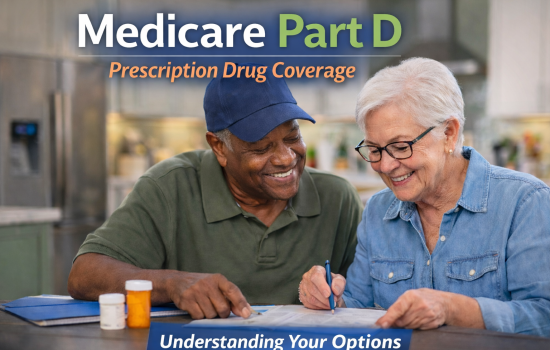
With drug needs being uniquely personal, having targeted plans like Medicare Part D enables more personalized and efficient coverage. Part D plans specifically cater to drug needs that Original Medicare and Medigap don’t cover, filling a crucial gap.
Prescription drug coverage through Medicare Part D isn’t just an add-on; it’s vital for those requiring regular medication management. These plans offer flexibility and choices that can match your specific drug requirements, covering both generic and brand-name prescriptions.
Selecting a plan involves considering the list of drugs, or formulary, ensuring your medications are covered. For seniors, balancing drug coverage with medical service insurance is essential as it ensures peace of mind in knowing you’re protected from unforeseen prescription expenses.
Understanding the need for separate drug coverage isn’t just about meeting immediate health needs. It’s about anticipating potential changes in healthcare that might affect prescription needs down the line.
Enrollment in a Medicare Part D plan can safeguard against future prescription costs, which might otherwise create unexpected financial burdens. With the right drug plan, seniors and their caregivers can plan ahead, ensuring their coverage aligns with evolving health and financial situations.
In summary, while Medigap fills gaps left by Original Medicare, it doesn’t encompass drug coverage. That’s where Part D comes in, allowing you to tailor your benefits to include prescribed drugs.
This strategy aligns with a comprehensive approach to managing your overall healthcare needs. As we move forward, understanding each component of Medicare ensures you’re fully prepared to compare your options confidently.