Understanding your options for Medicare Supplement Plans in 2027, also known as Medigap, can be crucial for safeguarding your healthcare needs in 2027. These plans, designed to fill the gaps left by Original Medicare, offer policyholders financial protection and flexibility. By exploring various Medigap policy options, you can find a plan that aligns with your healthcare requirements and financial considerations. This guide will help you navigate the enrollment process, emphasizing essential details and considerations to keep in mind as you evaluate your choices. Equip yourself with the knowledge needed to make informed decisions about your Medicare coverage today.


Compare Medicare Plans
Compare plans and costs in your area






Enroll in a 2027 Medicare Supplement Plan
Key Highlights
- Medicare Supplement Plans, or Medigap, fill coverage gaps in Original Medicare, aiding healthcare cost management.
- Timing enrollment in Medigap policies is crucial to ensure eligibility and optimal benefits without waiting for open periods.
- Compare Medigap, which complements Original Medicare, with Medicare Advantage, which often adds vision and dental benefits.
- Utilize our Medicare plans finder tool for personalized plan comparisons, matching your health and financial needs.
- Consider Anthem Medicare for extensive networks and add-ons like wellness programs and prescription drug coverage.
Compare plans and enroll online
Understanding Medicare Supplement Plans in 2027
Medicare supplement plans in 2027 are designed to bridge the gap between what original Medicare covers and what beneficiaries owe. Understanding these supplemental policies, also known as Medigap, is crucial for those seeking comprehensive healthcare solutions. Medigap policy options can cover various costs, including coinsurance and deductibles. While original Medicare offers broad coverage, these additional plans help manage out-of-pocket expenses. Supplement insurance provides peace of mind, ensuring members aren’t burdened by unexpected healthcare costs. Explore how these plans differ from Medicare Advantage and their standardized nature. Discover how they fit into your health coverage needs.

What is a Medicare Supplement Plan?
A Medicare supplement plan, commonly known as Medigap, is designed to complement your original Medicare coverage by covering expenses like coinsurance, deductibles, and certain costs that original Medicare doesn’t cover. These plans are standardized across many states, meaning benefits are the same regardless of which insurance company you choose, although costs may vary. Medigap policies don’t cover prescription drugs, so you might need a separate prescription drug plan if that coverage is necessary. Understanding Medicare supplement plans is essential for beneficiaries seeking to manage healthcare costs, ensuring seamless health coverage tailored to your needs. By evaluating options, you can select a plan that provides the most value for your specific situation.
Here are some aspects to consider when selecting a Medicare Supplement Plan:
- Evaluate the range of benefits offered by different Medigap plans that align with your healthcare needs.
- Consider how different plans vary in costs and choose based on your budget and financial situation.
- Identify any additional coverage needs such as vision or dental, and explore options outside Medigap.
- Consult the latest Medigap policy changes and updates in your state or region before selecting a plan.
- Ensure your preferred healthcare providers accept Medicare assignments for smooth service access.
- Review how Medigap plans interact with existing health insurance or retiree benefits, if applicable.
- Check renewal terms of the plan, including age-related premium changes, to anticipate future adjustments.
- Assess how travel coverage is managed, especially if you plan to travel outside the US frequently.
Taking these factors into account will help in making an informed decision regarding your Medigap plan.
Differences Between Medicare Advantage and Supplement Insurance
Medicare Advantage plans and supplement insurance offer different paths in expanding Medicare coverage. While Medicare Advantage, known as Medicare Part C, replaces original Medicare with an all-in-one alternative that offers coverage through private insurance companies, a Medicare supplement plan enhances original Medicare coverage. Supplement insurance covers costs like coinsurance, which original Medicare doesn’t fully pay, while Medicare Advantage plans often include added benefits like vision and dental. Deciding between these options depends on individual health needs, the costs you’re willing to pay, and the flexibility of choosing healthcare providers. A comprehensive understanding of these structures ensures that you choose a plan perfectly aligned with your health and financial priorities in 2027.
When Can You Apply for Medicare Supplement Plans?
Understanding when you can apply for Medicare supplement plans is critical in managing healthcare coverage effectively. These plans, part of the Medigap policy category, offer essential support for covering costs not included in original Medicare. Timing is crucial as it affects not only eligibility but also potential costs and benefits. While the open enrollment period is a significant timeframe, other enrollment periods may also be relevant depending on your situation. Familiarizing yourself with these enrollment windows ensures you make informed decisions, securing the supplemental coverage that best aligns with your health needs.
Medicare Open Enrollment vs. Other Enrollment Periods
The Medicare open enrollment period is a prime time when you can apply for or make changes to your Medicare plans, including Medigap policies. Typically occurring annually, this period allows beneficiaries to review their current plan and consider new ones. However, it’s distinct from other enrollment periods. For instance, the initial enrollment period when you first become eligible is a critical time to join a Medicare supplement plan without underwriting. Special enrollment periods may occur during significant life changes, allowing flexibility in adjusting your coverage without gaps. Understanding these differences helps in choosing the right plan and maximizing your benefits.
Key Medicare Enrollment Dates to Remember
For those exploring Medigap policy options, knowing key Medicare enrollment dates is vital. The initial enrollment period starts three months before you turn 65 and ends three months after, providing a seven-month window to enroll in a Medicare supplement plan. Missing this window could mean waiting for the annual open enrollment period, occurring October 15 to December 7, to join. Additionally, the open enrollment period for Medigap differs and starts the first day of the month you’re both 65 and enrolled in Part B, typically lasting six months. Keeping these dates in mind ensures you’re prepared to select a plan that suits your health needs.
Choosing the Plan You Want
Selecting the right Medicare supplement plan for 2027 involves careful consideration of your healthcare needs and financial situation. As you navigate through available options, understanding the various plan benefits, costs, and specific coverage is crucial. MedicarePartCPlans.org provides the tools and assistance needed to explore Medigap policy options effectively. By learning about critical factors that affect your choice, you can ensure the plan you want aligns with your health priorities and budget. Using our free plan finder tool, you’ll have access to personalized comparisons, helping you confidently make an informed decision.
Factors to Consider When Selecting a Plan
When choosing the Medicare supplement plan you want, several factors need to be evaluated. First, consider the coverage aspects each plan offers under Medigap policy options, such as coinsurance, copayments, and deductibles. Costs play a crucial role; assess the premiums alongside potential out-of-pocket expenses. Location can also impact plan availability and pricing. Additionally, think about your current health needs and future considerations. If you require prescription drug coverage, remember that supplemental insurance doesn’t include it, so a separate plan will be necessary. Weigh these elements to find a plan that complements your healthcare requirements.
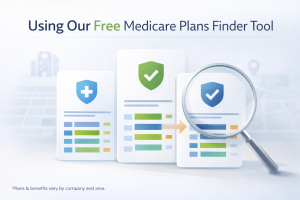
Using Our Free Medicare Plans Finder Tool
Our free Medicare plans finder tool is designed to streamline the process of finding the Medicare supplement plan you want. It’s user-friendly and allows you to compare a variety of plans based on your specific requirements and location. By entering your information, you receive tailored options illustrating how each plan covers different needs, including cost coverage and member benefits. This tool is particularly helpful for those looking to join a new plan or reevaluate current coverage. With detailed insights, you can confidently choose a plan that aligns with your healthcare goals, all while understanding potential health costs.
Find & Compare Plans Online
Exploring Medigap Policy Options
Understanding your Medigap policy options is crucial for enhancing your 2027 Medicare coverage by minimizing out-of-pocket expenses. Medigap plans, also known as Medicare Supplement Insurance, are pivotal for individuals seeking comprehensive coverage beyond what original Medicare offers. These policies help cover significant costs, such as coinsurance and deductibles, often associated with original Medicare. As you review the various plan covers available, it’s important to consider your healthcare needs carefully. Our free Medicare plans finder tool can help compare options across different companies, ensuring you select a Medigap policy that best fits your location and coverage requirements.

How Medigap Plans Enhance Your Coverage
Medigap plans significantly enhance your overall Medicare coverage by offering benefits that reduce the burden of out-of-pocket costs. These plans act as supplemental insurance, stabilizing your healthcare expenses by covering gaps left by original Medicare, such as coinsurance part and deductible plan costs. Since original Medicare doesn’t fully cover certain expenses, supplement policies can be a critical aspect of healthcare planning. When you join a Medigap plan, it can also safeguard against unexpected medical expenses, providing a safety net that’s crucial for peace of mind. To explore specific options, you can apply for a Medigap policy online, including options like the AARP Medicare Supplement Plan, which offers additional avenues to customize your coverage needs.
Steps to Join a Medicare Supplement Plan
Starting your journey towards enhanced healthcare begins with understanding the steps to join a Medicare supplement plan. These plans can significantly ease financial burdens by covering costs left by original Medicare. The steps involve timing your application during the Medicare enrollment period and choosing a Medigap policy that aligns with your needs. Understanding the application process is key as it determines both coverage options and costs. Let’s delve into the specifics of applying for these plans, ensuring you secure the Medigap policy coverage that best fits your needs.
The Application Process Explained
Applying for a Medicare supplement plan, or Medigap, can seem complex, but breaking it down makes it manageable. Initially, you can apply during the open enrollment period, which is a critical window starting the first day of the month you are both 65 and enrolled in Medicare Part B. During this time, plans will typically cover various out-of-pocket expenses like coinsurance and deductibles without requiring medical underwriting. It’s essential to compare different plan covers to find the one that suits your health and financial situation, using resources like our free Medicare plans finder tool. This approach ensures you enroll in a plan that enhances your coverage effectively, offering peace of mind and reduced healthcare costs. Remember, Medigap policies do not include prescription drug coverage, so if that’s necessary, consider a separate plan for it.
Anthem Medicare Plans: A Closer Look
When considering your Medicare options for 2027, Anthem Medicare plans stand out for their comprehensive coverage and flexible plan options. Anthem offers a variety of Medicare Advantage and supplement insurance plans that cater to different health needs and financial situations. Whether you’re seeking a plan to enhance your original Medicare or considering joining an Anthem Medicare Advantage plan, understanding the coverage details is vital. With Anthem, members have access to additional benefits beyond standard Medicare, including vision, dental, and prescription drug coverage. Let’s delve deeper into how Anthem compares to other providers in offering valuable Medicare plans.
| Plan Type | Coverage Features | Benefits | Comparative Highlights |
|---|---|---|---|
| Medicare Advantage | Comprehensive medical and drug coverage, preventive services | Vision, dental, and hearing benefits | Large network of healthcare providers, competitive premiums |
| Medicare Supplement | Gap coverage for Medicare Part A & B expenses, nationwide access | Choice of doctors, minimal out-of-pocket costs | Flexible options, robust patient support |
| Prescription Drug Plan | Wide range of covered medications, tiered copay system | Extensive pharmacy network | Competitive drug pricing, variety of plan options |
| Special Needs Plans | Tailored for chronic conditions, dedicated care coordination | Improved care management, integrated Medicare benefits | Specific to eligible conditions, a focused provider network |
This table highlights how Anthem’s diverse Medicare offerings and supplemental benefits provide a competitive edge in the health coverage market.
Comparing Anthem to Other Providers
Anthem is a significant player in the Medicare market, and for good reasons. Their Medicare plans are often compared to other leading providers due to their extensive network and supplemental benefits. While original Medicare provides essential coverage, Anthem Medicare Advantage plans can offer added perks like health and wellness programs, which can be a deciding factor for many beneficiaries. Additionally, members typically enjoy a variety of plan choices that cater to specific considerations such as prescription drug needs and preferred healthcare providers. Evaluating Anthem alongside other providers involves considering factors such as plan premiums, out-of-pocket expenses, and the network of healthcare providers. This comparison helps in determining how an Anthem plan covers necessities while potentially offering more personalized options than some competitors. By understanding these differences, you can make an informed decision about whether Anthem or another provider best aligns with your health coverage needs.
FAQs About Medicare Supplement Insurance
Understanding Medicare Supplement Insurance can be complex, but addressing common questions helps clarify these crucial options for healthcare coverage. Commonly referred to as Medigap policies, these plans are designed to work alongside your original Medicare, covering gaps left by coinsurance and different out-of-pocket costs. By exploring frequently asked questions, beneficiaries can gain insights into open enrollment periods, the specifics of each plan, and the significance of prescription drug coverage. This section serves as a guide to demystify Medigap policies, ensuring you are equipped with the knowledge to make informed coverage decisions.
Common Questions and Helpful Answers
Medicare supplement plans, also known as Medigap policies, often come with a range of common questions from beneficiaries seeking clarity. A primary query involves the open enrollment period, which allows you to join without facing medical underwriting. This typically begins when you enroll in Medicare Part B at age 65, offering a six-month window. Another frequent topic concerns coinsurance and how Medigap plans cover these costs alongside original Medicare. While these plans don’t include prescription drug coverage, understanding how they handle coinsurance is essential. Each plan option comes with its unique benefits, making it crucial to research according to your health needs and location.
Navigating Medicare enrollment for a 2027 Medicare Supplement Plan requires understanding the various Medigap policy options available to suit your healthcare needs and budget. By exploring these options, you can make informed decisions that enhance your coverage. We encourage you to take advantage of easily accessible resources, such as our Medicare plans finder tool, to compare plans and find the right fit for you. For personalized support, engaging with our specialized resources can help you feel confident and empowered as you navigate your Medicare journey.
Compare plans and enroll online
Frequently Asked Questions
What are Medicare Supplement Plans (Medigap) and how do they work?
Medicare Supplement Plans, also known as Medigap, work alongside Original Medicare to cover additional healthcare costs like coinsurance and deductibles that are not covered by Original Medicare. These plans help manage out-of-pocket expenses, providing financial protection and peace of mind.
How does Medigap differ from Medicare Advantage?
Medigap is designed to complement Original Medicare by covering gaps in costs, such as coinsurance and deductibles. In contrast, Medicare Advantage, also known as Medicare Part C, is an alternative to Original Medicare that often includes added benefits like vision and dental coverage. Deciding between these options depends on individual health needs and financial considerations.
When can I enroll in a Medigap policy?
The optimal time to enroll in a Medigap policy is during the Medigap Open Enrollment Period, which starts the first day of the month you are both 65 and enrolled in Medicare Part B. This period lasts for six months and allows you to apply without undergoing medical underwriting.
Do Medigap plans cover prescription drugs?
No, Medigap plans do not include prescription drug coverage. If you need prescription drug benefits, you will have to enroll in a separate Medicare Part D plan, which is specifically designed for prescription drug coverage.
How does enrollment timing affect Medigap eligibility and costs?
Timing your enrollment is crucial for achieving optimal benefits with Medigap policies. Enrolling during the open enrollment period ensures that you can join a plan without medical underwriting, potentially leading to lower premium costs and fewer barriers to coverage.
Have Questions?
Speak with a licensed insurance agent
1-855-398-0716
TTY users 711
Mon-Fri: 8am-9pm ET
Find & Compare Plans Online
ZRN Health & Financial Services, LLC, a Texas limited liability company

Russell Noga is the CEO of ZRN Health & Financial Services, and head content editor of several Medicare insurance online publications. He has over 18 years of experience as a licensed Medicare insurance broker helping Medicare beneficiaries learn about Medicare, Medicare Advantage Plans, Medigap insurance, and Medicare Part D prescription drug plans.