Speak with a licensed insurance agent

1-855-398-0716

TTY user 711 Mon-Fri : 8am-9pm EST

Explanation of Medicare Plans

Understanding the different parts of Medicare, Parts A, B, C, and D, is crucial for anyone eligible for Medicare benefits. This comprehensive guide aims to demystify each component, helping you to navigate the complexities of Medicare plan coverage with ease.

Whether you are new to Medicare or reviewing your current plan, gaining insight into the distinct functions and benefits of each part will empower you to make informed healthcare decisions. Explore how Parts A and B form the foundation of Original Medicare, while Parts C and D offer additional options for comprehensive health coverage.

Key Highlights

  • Medicare consists of Parts A, B, C, and D, each serving unique healthcare functions.
  • Part A covers inpatient, hospice, and certain home health services, usually without a monthly premium.
  • Medicare Part B provides outpatient care, preventive services, and requires a monthly premium.
  • Medicare Advantage (Part C) offers bundled plans covering wider services than Original Medicare.
  • Part D provides prescription drug coverage, essential for managing medication expenses.

Compare plans and enroll online

Introduction to Medicare: Understanding the Basics

Medicare is a crucial part of the health care system, offering a structured health insurance solution for those 60 and older. The Medicare program is divided into four parts: Medicare Part A, Part B, Part C, and Part D. Each serves a unique purpose within the framework of health care services.

Original Medicare, comprising Part A and Part B, lays the foundation with hospital and medical insurance. The program not only promotes health and wellness but also provides peace of mind for beneficiaries. Understanding these parts will empower you to make informed decisions regarding your health insurance options.


Medicare Part Coverage Type Costs Services Covered
Part A Inpatient Hospital Coverage Premium-free for most; deductible and coinsurance apply Hospital stays, skilled nursing facility care, hospice care, some home health care
Part B Outpatient Medical Coverage Standard monthly premium, deductible, and coinsurance Doctor visits, outpatient care, preventive services, some home health care, durable medical equipment

This table offers a streamlined overview of Medicare Parts A and B, highlighting their roles in providing foundational hospital and medical insurance services, which are central to understanding Medicare’s structure.

The Role of Hospital and Medical Insurance in Medicare

Hospital and medical insurance signify the core components of Original Medicare, which consists of Medicare Part A and Part B. Part A, often referred to as hospital insurance, helps cover the costs for inpatient hospital care, skilled nursing facility care, hospice, and some home health care services.

Funded by payroll taxes paid during your employment, Part A typically does not require a monthly premium, which appeals to many beneficiaries who previously contributed through Social Security or government employment. This government-backed plan ensures access to necessary inpatient services when hospital care is unavoidable.

Part B, on the other hand, acts as the medical insurance component. It covers outpatient care, preventive services, ambulance services, and certain necessary medical supplies. Unlike Part A, beneficiaries usually pay a monthly premium for Part B.

Taken together, Parts A and B create what is known as Original Medicare, forming a baseline insurance policy you can buy to manage health care costs effectively. These benefits collectively ensure that beneficiaries have access to comprehensive medical services, significantly reducing the financial burden often associated with health care.

While Part A alleviates the costs of hospital stays, coverage under Part B’s fee-for-service model is invaluable for routine health management and preventive care. Understanding how these bundles several coverage types can aid a comprehensive approach to your Medicare needs.

Exploring Medicare Part A: Hospital Insurance

Medicare Part A, often referred to as hospital insurance, plays a crucial role within Original Medicare by covering essential health care services related to inpatient care. This part of Medicare assists beneficiaries with the costs associated with hospital stays, skilled nursing facility care, hospice, and some home health services.

Understanding who is eligible and what coverage entails can help you make the most of this government-backed program. Being informed about these benefits ensures you know how to navigate health insurance options, effectively manage health care costs, and make the most of your Medicare rights.

Coverage and Eligibility Requirements

Medicare Part A coverage offers invaluable benefits tailored to address inpatient hospital demands, forming a significant pillar of health insurance. Most people qualify for this coverage without paying a monthly premium if they or their spouse have paid into the Social Security system through payroll taxes over a sufficient period.

This is because Medicare Part A is primarily funded by these taxes, offering coverage as a government benefit to individuals 65 and older, alongside those with specific disabilities or conditions like End-Stage Renal Disease. Eligible individuals gain access to a range of covered services, including hospital care, hospice care, skilled nursing facility care, and certain home health care services, all crucial components of inpatient healthcare.

Medicare Part A aids in alleviating certain costs associated with lengthy hospital stays by offering coverage for room and board, medical supplies, and specific health services provided during inpatient stays. Moreover, although most won’t have a premium cost for Part A, there are still out-of-pocket expenses such as coinsurance and deductibles.

It’s important to understand these costs, as they may affect how you utilize your hospital insurance. Knowing your eligibility and the specific benefits Medicare Part A provides can significantly influence your health care planning, ensuring you maximize your hospital and nursing facility care without undue financial burden.

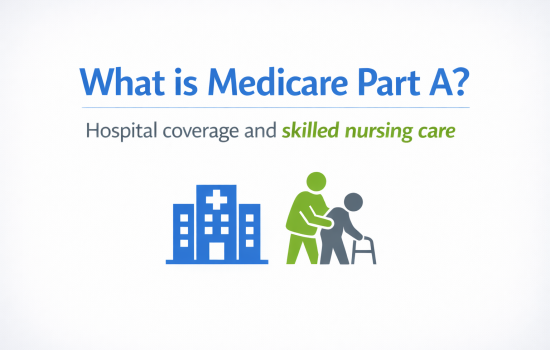
Medicare Part A

The Essentials of Medicare Part B: Medical Insurance

Medicare Part B is a fundamental component of the Medicare system, complementing Part A by providing coverage for various outpatient services and essential medical care. This part of Medicare is crucial for beneficiaries seeking comprehensive health insurance, as it covers doctor’s visits, preventive services, outpatient care, and medical supplies.

Understanding the costs and benefits of Part B will help you maximize your health insurance and ensure you receive necessary medical services without incurring unmanageable expenses. As you consider your options, exploring how Part B fits into your overall Medicare coverage can lead to informed decisions about your healthcare needs.

Costs and Benefits Overview

Medicare Part B offers a wide range of health insurance benefits that provide significant advantages to beneficiaries needing routine medical care and services. This part of Medicare covers essential services, such as outpatient care, preventive health measures, and certain types of medical equipment, ensuring comprehensive support beyond inpatient care offered by Part A.

As an insurance policy you can buy, Part B requires a monthly premium, with costs varying based on your income. This premium grants you access to crucial medical services, safeguarding against the financial burden of unexpected health issues.

An important aspect of Part B is its fee-for-service model, which involves a standard deductible and coinsurance costs for various services. Once you meet the deductible, Medicare generally covers 80% of approved service costs, with beneficiaries responsible for the remaining 20%.

Recognizing these costs is essential to effectively managing your healthcare expenses through Medicare Part B. Additionally, services such as lab tests, doctor visits, and preventive screenings are integral to maintaining your health and preventing severe medical issues.

Part B’s out-of-pocket expenses are further mitigated by certain coverage options like Medicare Advantage plans, which can offer unique benefits tailored to individual health needs. While Medicare Advantage serves as an alternative to Original Medicare, it encapsulates Part B’s offerings, often with additional benefits.

Understanding the interplay of Part B with Medicare Advantage and Original Medicare will empower you to optimize your healthcare strategy, ensuring access to necessary services and financial predictability. Consider reviewing your health insurance needs in light of Part B’s benefits and costs to ensure comprehensive care through Medicare.

To deepen your understanding of Medicare Part B and enhance your healthcare strategy, consider these practical insights into managing costs and maximizing benefits:

  • Review your income-related monthly adjustment amount to anticipate accurate premium costs.
  • Explore Medicare Advantage plans to find additional benefits tailored to personal health needs.
  • Regularly schedule preventive screenings to detect and address health issues early.
  • Familiarize yourself with the specifics of deductible and coinsurance to budget effectively.
  • Keep track of covered outpatient services to efficiently utilize available benefits.
  • Understand lab test coverage to minimize unexpected charges.
  • Research how switching to a Medicare Advantage plan may affect your existing Part B coverage.
  • Assess available options annually to adapt your plan to any new health requirements.

These tips will help you navigate Medicare Part B effectively, aligning your coverage with your personal health goals.

Find & Compare Plans Online

Speak with a licensed insurance agent

1-855-398-0716TTY 711

Mon-Fri: 8am-9pm ET

What Is Medicare Advantage (Part C)?

Medicare Advantage, also known as Medicare Part C, is an alternative to Original Medicare, offering bundled services that include Part A and Part B coverage with additional benefits. These plans are provided by private insurance companies approved by the government and aim to encompass a broader range of health care services.

Understanding the differences between Medicare Advantage and Original Medicare is crucial for beneficiaries determining their health insurance needs. As opposed to just covering hospital and medical care, Medicare Advantage can include additional services such as vision, dental, and prescription drug coverage, offering a comprehensive health insurance solution.

Comparing Medicare Coverage Options

When evaluating Medicare coverage options, understanding the differences between Original Medicare and Medicare Advantage plans is essential. Original Medicare, comprising Part A and Part B, serves as a traditional federal health insurance program that focuses on hospital and outpatient services. In contrast, Medicare Advantage seeks to broaden this scope by bundling several coverage types, including Part C benefits, which private insurers administer under government regulation.

This bundling often results in expanded health care offerings beyond what Original Medicare covers, including benefits such as routine dental and vision care, hearing services, and sometimes prescription drug coverage under Part D. Choosing between these options involves considering the benefits each plan provides and the respective costs associated with them.

Medicare Advantage plans, though governed by strict federal rights and coverage rules, can vary significantly in terms of out-of-pocket expenses, plan premiums, and available health care networks. Comparatively, Original Medicare allows more flexibility in choosing health care providers but often requires additional coverage like Medigap to manage certain costs not fully covered by Part A and Part B. Medicare Advantage might be suitable for those looking for an all-encompassing plan with specific benefits aligned to personal health care needs.

It’s important to weigh the comprehensive nature of these plans, potential savings on certain health services, and the convenience of a single health insurance policy that’s more inclusive than the piecemeal configuration of Original Medicare combined with possible supplemental plans. Beneficiaries can use tools like the Medicare Plans Finder on MedicarePartCPlans.org to compare options by location, such as Texas, and coverage needs, ultimately helping them make more informed decisions about their health insurance coverage.

Medicare Advantage (Part C)

Prescription Drug Coverage under Medicare Part D

Medicare Part D offers crucial prescription drug coverage for beneficiaries, providing financial relief from the costs of medications. It’s integrated with the Medicare system to ensure comprehensive health care. Beneficiaries can choose from various drug plans offered by private insurers, overseen by the government to ensure they meet Medicare standards.

Understanding how to select a plan and manage costs under Part D is essential for anyone relying on prescription drugs. This section will guide you through plan selection, costs, and the benefits associated with Medicare Part D coverage.

Understanding Plan Selection and Costs

Choosing a Medicare drug plan can seem daunting, but understanding the basics of plan selection can make the process easier. Each Medicare Part D plan offers its own list of covered drugs, known as a formulary, and it’s important to select a plan that includes your specific prescriptions.

You might find plans that bundle several coverage types, enhancing benefits with added health care offerings. To begin, consider the medications you take regularly and compare them with the formularies of available drug plans. Using resources like the Medicare plans finder tool available on MedicarePartCPlans.org can assist in identifying plans tailored to your location and coverage needs.

Costs associated with Medicare drug plans vary based on several factors, including premiums, deductibles, and copays. While some plans might offer low monthly premiums, they may have higher out-of-pocket costs at the pharmacy. Evaluating the balance between premium costs and potential expenses for prescription refills can help in maintaining an effective budget under your health insurance plan.

Beneficiaries should also be aware of the coverage gap, often referred to as the donut hole, which could affect drug costs after reaching a set limit. Understanding these costs beforehand allows you to plan your health care budget more effectively. Medicare Advantage plans might include drug coverage, consolidating it with other health insurance needs and protecting against unexpected health care expenses.

It’s important to compare Medicare Advantage with standalone Medicare Part D coverage to see if bundling services suits your personal needs better. With the right information and tools, navigating the complexities of Medicare drug plan selection can lead to a more predictable health care expense structure, ensuring you receive the medications you need without undue financial stress.

Finding the Right Medicare Advantage Plan by Location

Choosing the right Medicare Advantage plan depends significantly on your geographic location, as options can vary based on where you live. These plans, provided by private insurers approved by the government, offer a variety of health care services that go beyond Original Medicare.

Utilizing available tools can simplify this selection process, allowing for a more tailored approach to coverage. Understanding how to use these tools effectively can ensure you find a Medicare Advantage plan that meets your personal health insurance needs and preferences.

Using the Medicare Plans Finder Tool for Personalized Options

To navigate the complexities of Medicare Advantage plans, using a Medicare plans finder tool can be invaluable. Offered on platforms like MedicarePartCPlans.org, this tool assists beneficiaries in comparing different health insurance options by location, aiding in the decision-making process. The tool allows you to input your specific details, such as your zip code and personal health care needs, to generate a list of available plans tailored to your location.

This comprehensive approach ensures you’re presented with Medicare Advantage plans that provide the services and benefits most pertinent to your situation. Exploring Medicare Advantage requires understanding the additional benefits these plans can offer beyond Original Medicare. Many Advantage plans include coverage for services like vision, dental, and even routine hearing tests, which aren’t covered under Part A or Part B.

The plans finder tool further assists in highlighting these extra benefits, ensuring that when you choose a plan, it aligns with your full health care requirements. Additionally, checking for prescription drug coverage under Medicare Part D within these plans can streamline your health insurance management by having all services bundled under one policy.

Moreover, Medicare plans vary not only in benefits but also in cost structures, including premiums, copayments, and deductibles. By using the plans finder, you can assess these financial aspects and compare what the different Medicare Advantage options offer in terms of out-of-pocket costs. This transparency allows for educated decision-making, ultimately empowering you to select a plan that delivers both the health care services you need and financial sustainability.

Utilizing this tool not only simplifies the complex process of choosing a plan but also provides peace of mind, knowing that your Medicare coverage is optimized for your specific circumstances. Understanding the different parts of Medicare, A, B, C, and D, is crucial for making informed healthcare decisions. Each part provides distinct coverage options, encompassing hospital services, outpatient care, Medicare Advantage plans, and prescription drug coverage.

Carefully reviewing each part’s benefits and limitations will help you determine which combination aligns best with your healthcare needs and budget. Whether you’re new to Medicare or reassessing your current plan, leveraging educational resources like MedicarePartCPlans.org can simplify the process of exploring options and maximizing your Medicare benefits.


Compare plans and enroll online

Frequently Asked Questions

What is Original Medicare and how does it work?

Original Medicare is the traditional healthcare program managed by the federal government, consisting of Part A and Part B. Part A covers inpatient hospital services, skilled nursing facility care, hospice, and some home health care, typically without a monthly premium if you or your spouse paid adequate taxes. Part B covers outpatient services, doctor’s visits, preventive care, and some medical supplies, requiring a monthly premium.

What does Medicare Part C, or Medicare Advantage, include?

Medicare Part C, also known as Medicare Advantage, offers an alternative to Original Medicare through private insurance companies. These plans include coverage for Part A and Part B, and often provide additional services such as dental, vision, and prescription drug coverage. They are designed to consolidate multiple health care services under one plan, offering broader coverage compared to Original Medicare alone.

What is the role of Medicare Part D?

Medicare Part D is the prescription drug coverage option available to beneficiaries. It helps reduce the costs of medications by offering a range of plans provided by private insurers. Each plan has its own list of covered drugs and associated costs, allowing beneficiaries to select a plan that matches their prescription needs and financial considerations.

How can Medicare Advantage plans be compared to Original Medicare?

Medicare Advantage plans differ from Original Medicare by bundling Part A and Part B coverage with additional benefits like vision, dental, and sometimes prescription drugs. While Original Medicare allows you to visit any healthcare provider who accepts Medicare, Medicare Advantage plans typically have network restrictions and specific out-of-pocket cost structures. Comparison tools can help assess these options to find one that fits individual health care and financial needs.

What is Medigap and why is it important?

Medigap, or Medicare Supplement Insurance, complements Original Medicare by covering parts of the costs that Parts A and B do not cover, such as copayments, coinsurance, and deductibles. It fills the “gaps” in Original Medicare, providing additional financial protection. It’s important for those who wish to manage out-of-pocket expenses without enrolling in Medicare Advantage plans.

Have Questions?

Speak with a licensed insurance agent

1-855-398-0716

TTY users 711

Mon-Fri: 8am-9pm ET

Find & Compare Plans Online

Speak with a licensed insurance agent

1-855-398-0716TTY 711

Mon-Fri: 8am-9pm ET

ZRN Health & Financial Services, LLC, a Texas limited liability company