Speak with a licensed insurance agent

1-855-398-0716

TTY user 711 Mon-Fri : 8am-9pm EST

Georgia Medicare Part B

Welcome to our guide on Georgia Medicare Part B. Here, we aim to simplify everything related to what Part B covers. Medicare Part B is a crucial part of Medicare, helping cover doctor visits, outpatient care, and some preventive services. Understanding these benefits can enhance your healthcare experience and help manage your medical expenses.

We’ll guide you through what services are included, allowing you to make informed decisions. Let’s explore how Medicare Part B works for Georgia residents so you can feel confident about your healthcare choices.

Key Highlights

  • Medicare Part B is crucial for outpatient care, covering doctor visits and preventive services.
  • Eligibility for Part B often starts at age 65, with automatic enrollment linked to Social Security benefits.
  • Georgians benefit from varied plans in Georgia like Medicare Advantage and Medigap, for comprehensive coverage.
  • Understanding costs, including premiums and out-of-pocket expenses, aids in effective healthcare budgeting.
  • Open Enrollment allows changes to Medicare coverage, including enrolling in Medicare Part B.

Compare plans and enroll online

Understanding Medicare Part B

Medicare Part B is an essential component of your medical insurance coverage, offering a broad range of services crucial for maintaining health. This part of Medicare primarily focuses on outpatient care, including doctors’ services and preventive treatments. The coverage helps with medical services that are needed to diagnose or treat medical conditions and includes preventive services to prevent illnesses or detect them at an early stage.

Understanding what Medicare Part B covers can help you make informed decisions about your health care needs. Let’s delve into what is covered under Part B and the eligibility requirements necessary to enroll.

What Medicare Part B Covers

Medicare Part B serves as a cornerstone in your medical insurance plan by covering essential services that are medically necessary. It extends to a wide array of medical services and supplies. Typically, Part B takes care of doctor visits when you need to see your primary care physician or a specialist.

It also pays for outpatient care, which includes things like outpatient surgery or therapy. Diagnostic tests, such as X-rays or MRIs, are usually covered, ensuring that you receive accurate diagnoses for your conditions.

Preventive services are a highlight of Medicare Part B, designed to catch potentially serious health issues early when they are often easier to treat. These services can include flu shots, cardiovascular screenings, and diabetes tests, among others. Some preventive services are available at no extra cost, with no deductibles or coinsurance, if you receive them from a provider that accepts Medicare payment terms.

Part B coverage also includes medical equipment, known as durable medical equipment (DME), such as wheelchairs or walkers. It’s important that these items are ordered by your doctor and obtained through an approved provider to qualify for coverage.

Additionally, services like mental health care and certain outpatient prescription drugs fall under Part B. These coverages ensure that comprehensive care encompassing various facets of health maintenance and improvement is available.

It’s good to know that while Part B covers many needs, it’s part of a broader Medicare plan that includes Part A and may involve Medigap or Medicare Advantage for added benefits. Understanding these components helps in planning your healthcare effectively.

Services Covered under Medicare Part B

  • Annual wellness visits for consistent health monitoring and individualized health plans.
  • Cardiovascular disease screenings to manage and prevent heart conditions.
  • Bone density measurements to help assess and prevent osteoporosis risk.
  • Vaccinations, including flu, pneumonia, and hepatitis B, for preventative care.
  • Diabetes screenings and supplies to assist with managing this chronic condition.
  • Mental health evaluations and counseling to support emotional and psychological well-being.
  • Rehabilitation therapy, such as physical, occupational, or speech therapy to aid recovery from various conditions.
  • Home health services, offering skilled nursing care and physical therapy at home.

These benefits highlight the breadth of care and support available under Medicare Part B, ensuring comprehensive medical and preventive services.

Eligibility for Part B

Enrolling in Medicare Part B requires understanding the eligibility criteria, which typically connects to your age and Social Security benefits. Most individuals become eligible for Medicare Part B upon reaching age 65 and automatically enroll if they’re receiving Social Security or Railroad Retirement benefits.

Enrollment in Part B can also happen for those not yet 65 if they have certain disabilities or health conditions like End-Stage Renal Disease. It’s crucial to review eligibility requirements carefully to ensure enrollment aligns with your personal circumstances.

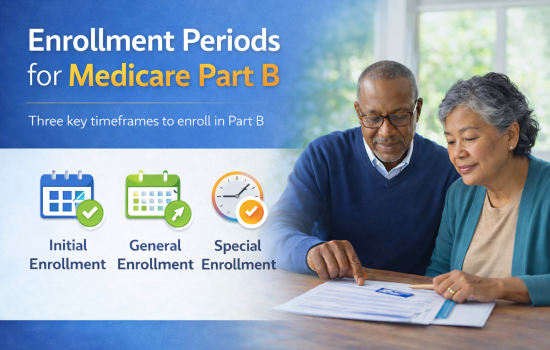
Managing your Part B enrollment is key, especially if you’re not automatically enrolled. You can apply online through Social Security’s website, or you might choose to enroll during the Initial Enrollment Period, which begins three months before you turn 65 and lasts seven months. If you delay Part B enrollment without having other credible coverage, you might face a late enrollment penalty.

Georgia residents have specific local Medicare insights and plans that align with national guidelines, yet reflect local needs. If you’re exploring how Medicare Advantage or Medigap might complement your Part B coverage, remember these plans work together to offer broader protection.

Recognizing the significance of Medicare’s Open Enrollment period is equally important, as it provides an annual opportunity to reassess and adjust your coverage. For further assistance, consider entering your ZIP code on our website to explore local Medicare options or connect with personalized assistance when available.


Service Category Coverage Details Eligibility Criteria Enrollment Period Additional Considerations
Doctor Visits Covers medically necessary services and preventive services like annual wellness visits. Age 65 or older, or qualified disability conditions, and enrollment in Medicare Part A. Initial Enrollment Period: Starts 3 months before the age of 65 and ends 3 months after the month you turn 65. Understanding Medigap can help cover additional costs not covered by Part B.
Outpatient Care Includes outpatient hospital care, certain home health services, and physical therapy. Meets age criteria or qualified disability status; automatic enrollment if receiving Social Security. General Enrollment Period: January 1 to March 31 if you missed the Initial Enrollment Period. Consider Medicare Advantage for bundled coverage options.
Preventive Services Covers screenings like flu shots, cancer screenings, and counseling to prevent illness. Individuals 65 and older, those with disabilities, must be enrolled in Part A and B. If enrolling late, penalties may apply unless you have credible coverage. Stay informed on changes during the Annual Open Enrollment (October 15 – December 7).
Durable Medical Equipment Covers equipment like wheelchairs, walkers, and hospital beds when prescribed by a doctor. Eligible through age or disability; must be medically necessary and from a Medicare-approved supplier. Special Enrollment Periods may apply for life events like moving or losing coverage. Medicare Advantage plans may offer additional benefits and cost-saving options.
Mental Health Care Covers outpatient therapy, counseling, and psychiatrist visits. 65+ or disabled; enrolled in Part A and B and under a qualified provider’s care. Consider Special Enrollment Periods if delaying due to credible coverage from an employer. Review Medigap options for mental health care not fully covered by Part B.
Prescription Drugs Limited coverage for certain drugs administered in a medical setting, like chemotherapy. Eligible at 65, or qualifying disability; primary coverage through Part D or Medicare Advantage Prescription Drug plans. Initial Part D Enrollment can occur based on Part B enrollment times. Drugs not covered by Part B should be supplemented with Part D plans.

Georgia Medicare: Local Insights

Understanding Georgia Medicare requires considering both national standards and unique local factors. The state offers senior residents a range of Medicare Part Plans that cater to their healthcare needs.

These plans include options like Medigap and Medicare Advantage, which provide supplemental coverage to complement Medicare Part B. Knowing the intricacies of these plans helps Georgians decide which insurance aligns with their medical needs and financial situation.

Specifics of Georgia Medicare Part Plans

In Georgia, Medicare goes beyond standard coverage, with a variety of plans tailored to fit diverse healthcare needs. For starters, you have the traditional Medicare Part A and Part B, collectively covering hospital and outpatient services, respectively.

But when it comes to extra coverage, many residents consider options like Medicare Advantage Plans and Medigap, often called Supplement Plans. These plans are designed to bridge coverage gaps and offer financial cushioning for services Part B might not fully cover, like co-pays or additional services.

Georgians particularly benefit from the flexibility and variety offered by Medicare Advantage Plans. These plans often bundle services like dental, vision, and hearing coverage, providing a more comprehensive healthcare solution under a single policy.

They can also offer prescription drug coverage and other perks not available through traditional Medicare Part B. When considering Medicare Advantage, it’s crucial to evaluate which services you use most and how they align with your health needs.

On the other hand, Georgia Medigap or Supplement Plans stand out by covering the out-of-pocket costs that traditional Medicare leaves behind, including deductibles and co-pays for Part B services. This is a one-step difference that often proves invaluable for those aiming for predictability in their healthcare spending. Essentially, Medigap acts as a safety net, especially for those who frequently require healthcare services.

Choosing between these plans requires considering your lifestyle, health conditions, and budget. Consultations with licensed insurance experts can guide you, ensuring your choice fits into Georgia’s broader Medicare framework.

Always stay informed about changes in state regulations, and utilize Medicare’s annual Open Enrollment Period to reassess your plan. By doing so, Georgians can optimize their coverage to meet their healthcare needs efficiently.

Remember, entering your ZIP code on our site can help you compare local Medicare Advantage and Medigap options. It’s an easy step towards personalized, assurance-centered healthcare. For more detailed guidance, our upcoming sections will delve further into costs, enrollment periods, and additional tips to aid in the selection of the right plan.

Georgia medicare plans

Costs Associated with Part B

As you delve into Medicare Part B, understanding the associated costs is key. Georgia residents need to be aware of premiums and out-of-pocket costs to make informed decisions.

These expenses can vary based on income and other factors. Knowing about applicable premiums and out-of-pocket expenses helps you plan your healthcare budget effectively. Beyond direct costs, considering supplement plans is wise to enhance your coverage.

Explore how these supplement plans can help manage Part B expenses by minimizing out-of-pocket costs. This section provides clarity on the financial implications of Medicare Part B, equipping you with the knowledge to navigate these costs comfortably.

Premiums and Out-of-Pocket Costs

When it comes to Medicare Part B, understanding premiums and out-of-pocket costs is essential for managing your healthcare expenses. Let’s break down these components to simplify your financial planning.

First off, premiums are the monthly payments you make for Medicare Part B coverage. For most people, these premiums are automatically deducted from their Social Security checks. It’s important to note that premiums can vary based on your income, so higher-income earners may end up paying more.

Out-of-pocket costs come into play when you receive services. These can include deductibles, co-pays, and coinsurances. For 2023, the standard Part B deductible is a fixed amount you need to pay annually before Medicare starts covering its share.

After you meet the deductible, you usually pay 20% of the Medicare-approved amount for services. This is known as coinsurance, and it applies to most doctors’ services, outpatient therapy, and durable medical equipment.

Supplement plans, like Medigap, can greatly reduce your out-of-pocket costs by covering expenses that Part B doesn’t fully pay for. These supplementary insurances help in managing costs like deductibles and coinsurance.

While Medigap plans may involve additional premiums, they often bring peace of mind by reducing the cost burden of unexpected medical expenses. It’s a balancing act of choosing the right plan to fit your healthcare needs and financial situation.

Understanding these costs allows you to accurately budget for your healthcare needs, ensuring you have access to essential services when required. Knowing how premiums and supplemental plans work can empower you to make choices that align with your needs and financial goals. With this insight, you’ll feel more confident managing your Medicare Part B expenses alongside additional Medicare plans like dental and vision coverage, which often require separate consideration.

For more personalized information, remember you can enter your ZIP code on our site to explore local Medicare plan options that cater to your specific needs. Once available, giving us a call can provide further individual assistance as you navigate choosing the best coverage tailored to your lifestyle and budget.

Find & Compare Plans Online

Speak with a licensed insurance agent

1-855-398-0716TTY 711

Mon-Fri: 8am-9pm ET

Importance of Open Enrollment

Open Enrollment is a pivotal time for Medicare beneficiaries, offering the chance to refine and optimize healthcare coverage. This special period is when you can enroll in Medicare Part B or make changes to an existing plan. Open Enrollment can feel overwhelming, but it’s crucial in managing health care costs and services effectively.

By understanding the timing and procedures, including how to apply online or via a gov form, you can ensure you’re making informed decisions. This guidance can provide clarity, especially for those eligible or newly considering options under the Medicare Part B agreement.

When and How to Enroll

Understanding the enrollment period is key to making the most of your Medicare Part B benefits. Each year, the Open Enrollment period runs from October 15 to December 7. During this time, you have the opportunity to adjust your Medicare coverage to better suit your needs.

Whether you’re considering Medicare Advantage plans or supplemental insurance like Medigap, this period is the time to act. It’s also the time to apply online or submit the necessary gov forms to make changes, ensuring your health care services align with your medical needs and financial situation.

To enroll, you can begin by assessing your current insurance plan and identifying any service gaps. Think about the healthcare services you need, such as prescription drugs, preventive care, or specialist visits. Are these covered adequately by your current plan, or is there a need for additional coverage?

You can gather this information on the official Medicare website or through the Social Security office. Applying online is a convenient way to handle the paperwork efficiently. All you need is to ensure you submit the necessary information and fill out the forms correctly during the enrollment period.

For those newly eligible for Medicare, you might wonder if you should enroll in Medicare Part B immediately. Generally, if you’re already receiving Social Security benefits, enrollment in Part B is automatic. But if you’re not, the open enrollment is your window to sign up without having to face potential late enrollment penalties.

You can also consider if other plan options like Medicare Advantage might provide a package of services beyond what Part B offers. Remember, the goal is to have an agreement that secures comprehensive, applicable coverage tailored to your personal health needs and service preferences.

Finally, as you navigate this process, rely on trusted educational resources like MedicarePlansGuide.org to guide your Medicare decisions. Taking proactive steps during the Open Enrollment ensures your Medicare coverage is maximized and future medical costs are managed more effectively. Remember, once you’ve made your decisions, you can reconfirm details by applying online, which streamlines the acceptance and processing of your chosen coverage options.

Ready to compare your options? Entering your ZIP code on our site allows you to explore tailored local Medicare plans. Also, once our phone service is live, we can offer personalized assistance to help you find the right coverage path.

Georgia medical part b enrollment

How to Find the Right Medicare Plan

Finding the right Medicare plan can seem daunting, but with the right tools, you can simplify the process. The right plan will depend on your healthcare needs, lifestyle, and financial situation. Understanding how to compare plans, such as Medicare Advantage and Medigap, can make your decision easier.

These tips are designed to guide you through the maze of options, helping you choose a plan that aligns with your medical requirements and budgetary constraints. Let’s explore how you can confidently navigate the options available to you, ensuring you make an informed and comfortable choice.

Tips for Comparing Options

Comparing Medicare plans is essential to find the coverage that best fits your needs. It starts with understanding the different types of plans available. Medicare Part B is just one part of the broader Medicare spectrum. Options like Medicare Advantage and Medigap provide additional coverage that can help with costs that Medicare Part B doesn’t fully cover, such as co-pays or extra services.

Begin by listing your current healthcare needs. Do you require frequent doctor visits, prescriptions, or additional services like dental or vision coverage? This list will guide your comparison of plans.

When evaluating plans, consider the cost of premiums, deductibles, and any out-of-pocket expenses. For instance, while Medicare Advantage may offer additional benefits like dental and vision coverage, it might come with different network restrictions compared to traditional Medicare.

On the other hand, Medigap, known as supplement plans, can cover costs like deductibles and co-pays, which Part B may not fully cover. Evaluating these costs helps ensure that you won’t face unexpected medical expenses.

Coverage flexibility is also crucial. Some plans offer more comprehensive insurance options, which might include additional benefits. For instance, some Medicare Advantage plans bundle services like prescription drug coverage, which could be advantageous if you regularly need medications. Ensure any plan you consider is accepted by your preferred healthcare providers to maintain continuity in your care.

Researching plan networks is another key step. Some plans restrict you to certain networks of doctors and hospitals. Ensure you’re comfortable with these networks as they affect your healthcare experience.

Also, consider future needs. While you might not need certain services now, it’s wise to have coverage that can adapt to future health changes.

Lastly, use reputable educational resources and tools to aid in your decision-making. Websites like MedicarePlansGuide.org provide clear information and comparison tools to help you find plans that suit your needs.

Once you have a shortlist of options, enter your ZIP code on our site for localized plan details, or call us when our phone assistance becomes available for personalized support. The right plan will balance your healthcare needs, budget, and any preferences for additional services.

Understanding Medicare Part B is just the beginning. To find the right coverage, visit MedicarePlansGuide.org and enter your ZIP code to explore options in your area. Our platform provides clear, unbiased information to help you compare benefits and costs for Part B and other Medicare plans.

If you need personalized assistance, feel free to call us when our phone number is available. We are here to help you make informed decisions and ensure that your Medicare coverage meets your needs and budget.


Compare plans and enroll online

Frequently Asked Questions

What services are covered by Medicare Part B in Georgia?

Medicare Part B covers medically necessary services and preventive care. This includes doctor visits, outpatient care, diagnostic tests like X-rays, and preventive services such as flu shots and screenings. Durable medical equipment like wheelchairs is also covered if ordered by a physician and obtained through approved providers.

When should I enroll in Medicare Part B?

For those eligible, the Initial Enrollment Period starts three months before turning 65 and lasts for seven months. If you’re already receiving Social Security benefits, enrollment may be automatic. For those not automatically enrolled, it’s crucial to apply during this period or Open Enrollment to avoid late penalties, unless you have other credible coverage.

What is the cost structure of Medicare Part B?

Costs include monthly premiums that are often deducted from Social Security benefits, with rates varying based on income. Out-of-pocket expenses include an annual deductible, followed by coinsurance where you typically pay 20% of the costs. Supplement plans like Medigap can help reduce these out-of-pocket expenses.

How does Open Enrollment affect Medicare Part B?

Open Enrollment, from October 15 to December 7, allows you to review and change Medicare plans, including Part B. During this period, you can switch to Medicare Advantage, add Medigap coverage, or adjust your existing plan to better fit your needs.

What's the difference between Medicare Advantage and Medigap?

Medicare Advantage plans often bundle additional benefits beyond traditional Medicare, such as vision or dental. They may also include drug coverage. Medigap, on the other hand, supplements Original Medicare by covering some costs that Part B doesn’t, such as deductibles and co-pays.

Have Questions?

Speak with a licensed insurance agent

1-855-398-0716

TTY users 711

Mon-Fri: 8am-9pm ET

Find & Compare Plans Online

Speak with a licensed insurance agent

1-855-398-0716TTY 711

Mon-Fri: 8am-9pm ET

ZRN Health & Financial Services, LLC, a Texas limited liability company