Speak with a licensed insurance agent

1-855-398-0716

TTY user 711 Mon-Fri : 8am-9pm EST

How Medicare Works in California: Understanding Medicare in 2026

Navigating Medicare in California can be challenging but understanding your choices is crucial for making informed decisions. Whether you’re considering Medicare Advantage plans in California, Medigap, or Part D plans, familiarizing yourself with the basics helps you decide which options align with your needs. In 2026, knowing the benefits, costs, and eligibility of each part of Medicare and the additional coverages available can empower you to make the best decision.

This guide sheds light on how Medicare works in California, helping seniors and caregivers with clear, supportive, and easy-to-understand guidance.

Key Highlights

  • Medicare in 2026 will include key updates for California residents, influencing eligibility and coverage specifics.
  • Original Medicare provides hospital and medical coverage under Part A and B, excluding dental and vision.
  • Medicare Advantage plans offer additional services like dental, vision, and often include Part D drug coverage.
  • Part D prescription plans are essential for managing out-of-pocket medication expenses not covered by Original Medicare.
  • Staying informed on Medicare costs and updates is crucial for effective financial planning in California.

Compare plans and enroll online

Understanding How Medicare Works in 2026

Medicare in 2026 is evolving to better meet the needs of seniors, especially those residing in California. It remains a cornerstone of healthcare for the elderly, providing essential coverage through its various parts. Original Medicare, which includes Part A and Part B, is still central, but changes might impact California residents directly.

Understanding these modifications and how they affect Medicare eligibility and enrollment is crucial. California Medicare beneficiaries need to stay informed about updates to Medicare coverage, premiums, and enrollment periods to make confident decisions about their California Medicare Advantage plan options.

Basics of Original Medicare Explained

Original Medicare is a federal health insurance program primarily for people 65 and older. It includes Part A, which helps cover hospital services, and Part B, covering medical services like doctor visits. This health plan foundation offers coverage for thousands of California residents seeking health security. When you’re eligible for Medicare, understanding “Original Medicare is” key.

It doesn’t cover everything, like dental or vision, so some beneficiaries choose additional coverage, often through Medigap or Medicare Advantage plans. Learning about these choices can enhance your Medicare coverage. Additionally, understanding your enrollment period is vital. Missing it might mean waiting to get coverage or paying a higher premium. With the right information at hand, you’ll navigate your Medicare works process and find a plan that fits your needs.

Comparing Medicare Advantage and Other Options

Key Changes for California Residents

In 2026, California residents will see some important changes to how Medicare works. As federal programs evolve, adjustments to Medicare eligibility criteria or services might occur. California Medicare beneficiaries need to stay aware of updates to ensure they retain appropriate coverage.

The state’s unique healthcare environment sometimes means special services or changes to premium structures. Covered California programs might also influence how residents manage their Medicare plans. Learning about these changes is important for maximizing benefits.

Whether it’s adjusting to new provider networks or updated premium costs, staying informed is your best tool. Beneficiaries can explore new options and ensure their health needs are well covered. As you plan your healthcare, keep an eye on these updates, your Medicare coverage experience should remain smooth with the right preparation and knowledge.

Continue staying informed about upcoming Medicare changes in California by considering the following resources and steps you can take:

  • Stay updated by regularly visiting the official Medicare website for the latest updates in coverage options.
  • Participate in webinars or community workshops focused on Medicare changes for California residents.
  • Subscribe to newsletters from healthcare organizations that provide insights specific to California’s Medicare environment.
  • Review your current plan annually to ensure it aligns with any new eligibility criteria or service adjustments.
  • Consult with a healthcare advisor familiar with California’s specific Medicare adaptations and premium structures.
  • Explore online forums and communities where beneficiaries share their experiences and strategies.
  • Utilize Covered California’s resources to understand how state-specific programs can influence your Medicare plan.

These steps will help ensure your healthcare planning is both informed and personalized.

Comparing Medicare Advantage and Other Options

Medicare Advantage plans offer an alternative to Original Medicare, providing a variety of choices tailored to diverse healthcare needs. As the landscape of Medicare evolves in 2026, understanding these options in California is more important than ever. We’ll break down how Medicare Advantage differs from Original Medicare to give you a clearer insight into what’s out there.

Also, you can access a handy checklist to assist in comparing different plans, ensuring you make the most informed decision about your health coverage. This knowledge empowers seniors to confidently navigate their Medicare options.

How Medicare Advantage Plans Differ From Original Medicare

Medicare Advantage plans, often known as Part C, differ significantly from Original Medicare by offering additional services and flexibility. Original Medicare includes Part A and Part B, covering hospital and medical services. However, it does not typically include vision, dental, or hearing services.

Medicare Advantage plans fill these gaps by often bundling these types of services into a single plan. Moreover, they frequently include Part D prescription drug coverage, which Original Medicare lacks unless you enroll in a separate plan. This integration can simplify access to comprehensive care and reduce out-of-pocket expenses at times.

Another distinction is how you access services. With Original Medicare, you can visit any provider that accepts Medicare. In contrast, Medicare Advantage plans typically operate within a network of doctors and hospitals.

While this could mean choosing from a smaller pool of providers, it often comes with lower costs and additional perks. California seniors with an income-based subsidy might find that Medicare Advantage plans better fit their financial needs. Enrollment in these plans happens during specific periods, so it’s critical to know when you’re eligible to switch or join.

Understanding these differences helps in evaluating whether a Medicare Advantage plan is right for you. It’s about matching coverage options with personal healthcare needs and financial considerations. By doing so, you ensure that your chosen Medicare plan not only meets medical needs but also fits your lifestyle and budget.

Downloadable Checklist for Plan Comparisons

Choosing the right Medicare plan can be daunting, but having a plan comparison checklist can ease the process. This checklist is designed to help evaluate key factors when comparing Medicare Advantage and Original Medicare options. It includes questions about services, provider networks, costs, and coverage levels, all tailored to the California landscape for 2026.

Considering these elements ensures you gather comprehensive information, aiding in a balanced decision-making process during the enrollment period.

Start by listing the providers you regularly visit and check if they are in-network for the plans you are considering. Consider what services are most important to you beyond standard hospital and medical services. This is crucial for those who need routine vision, hearing, or dental care, often bundled into Medicare Advantage plans.

Review the out-of-pocket maximum and potential costs associated with your plan options, assessing how they fit within your financial means. Remember, special California state programs might also influence your plan choices or offer additional services that impact your decision.

Taking the time to carefully compare each 2027 Medicare Advantage plan in California against your healthcare needs ensures clarity and confidence in your decision. This careful evaluation is vital for both new enrollees and those considering a change during open enrollment. Arm yourself with this checklist to streamline the evaluation of Medicare options and make sure you’re in the best position as a beneficiary.

Find & Compare Plans Online

Speak with a licensed insurance agent

1-855-398-0716TTY 711

Mon-Fri: 8am-9pm ET

Exploring Drug Coverage Under Medicare

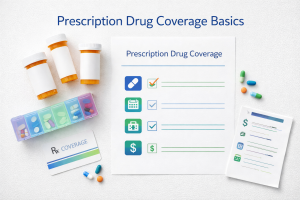
Navigating Medicare drug coverage is essential for California seniors to ensure health needs are met in 2026. It’s an integral part of Medicare, affecting how you access medicines and manage costs. Part D prescription plans are critical to this, providing coverage for medications not addressed by Original Medicare.

Understanding enrollment, premiums, and how these plans tie together aids in making informed choices. With options for Medicare Advantage and standalone plans, you can tailor your coverage to personal health care needs. Affordable drug coverage supports financial planning and guarantees access to necessary medications. Understanding these elements creates a foundation for confident decision-making.

Importance of Part D Prescription Plans

Part D prescription drug coverage is instrumental in managing out-of-pocket expenses and ensuring access to essential medications for seniors. Unlike Original Medicare, which primarily covers hospital and medical services (under Part A and Part B), Part D, or drug plans, cover prescription drugs. This means when you’re eligible, you have the option to enroll in a standalone Part D plan or select a Medicare Advantage plan that includes drug coverage, thereby consolidating services under one plan.

The importance of enrolling in a Part D plan cannot be overstated. Without it, you might face significantly higher costs for prescription medications, reducing financial security. Enrollment periods are crucial to keep in mind, and choosing the right plan requires an understanding of your medication needs and any additional services coverages available.

The premiums vary based on the plan selected, influencing the overall Medicare costs seniors will experience. Understanding these premiums is vital for effective budget planning and avoiding unnecessary financial strain.

Part D plans are not one-size-fits-all. They differ in formularies, the list of covered medications, and can significantly impact your drug coverage. Comparing plans based on the medications you regularly take can ensure savings and convenience, adhering to what your income allows. Properly understanding this drug coverage aspect of Medicare is especially critical in California, where costs and healthcare services can fluctuate.

Knowing how Medicare Part D prescription plans work fosters confidence in your healthcare choices and ensures that drug costs remain manageable over time.

Exploring Drug Coverage Under Medicare

Navigating Medicare Costs

Understanding Medicare costs is key for financial planning, especially for California residents in 2026. The state has unique features that impact premium structures and other expenses. We’ll explore how these factors affect seniors’ budgets.

Whether it’s about navigating hospital expenses or understanding income-based premiums, knowing how Medicare costs work helps you manage your expenses effectively. This gives California seniors the edge they need to align their healthcare needs with personal finances.

Breaking Down Costs for California Seniors

California seniors looking into Medicare costs in 2026 face a landscape shaped by various factors, from income levels to the type of premium one might pay. Original Medicare, including Part A and Part B, typically covers hospital and medical services. However, understanding what’s covered and what isn’t is crucial to financial planning. The premium for Part B remains a key expense for most beneficiaries, though some low-income individuals might qualify for assistance to help manage these costs.

Income-sensitive programs can alleviate some financial burdens by offering subsidies through additional layers of support, ensuring that essential services remain affordable.

Hospitals across California operate under specific Medicare agreements, meaning that while standardized costs apply, regional nuances might affect your expenses. For instance, Part A covers hospital stays, but if extended care is needed, additional costs like copays can quickly accumulate. It’s essential for California residents to dive into the intricacies of Medicare costs and ensure they account for potential out-of-pocket expenses such as deductibles or copays. By doing so, seniors can create a foundation of financial security and peace of mind.

Enrollment periods significantly influence the financial landscape of your healthcare. Enrolling on time can prevent penalties that increase your healthcare costs over time. Understanding the link between Medicare eligibility, timely enrollment, and costs allows seniors to avoid these increased expenses.

All this information can appear overwhelming, but having a clear grasp can empower seniors to make informed decisions. By keeping updated with the latest information and available financial support, seniors can confidently navigate Medicare in California and ensure they make decisions that are aligned with both medical and financial needs.


Key Cost Factors Impact on Expenses Financial Assistance Opportunities Enrollment Considerations
Income Levels Higher income may lead to increased premiums Subsidies available for low-income individuals Timing of enrollment can affect premium rates
Plan Type Different plans have varying out-of-pocket expenses Programs assist with Part A and Part B costs for eligible members Understanding plan types crucial before enrolling
Regional Variations Costs differ based on geographical location State-specific programs may provide additional support Evaluate local plan options before decision-making
Healthcare Needs High medical use can increase overall expenses Some plans offer coverage for additional services Consider future healthcare needs during selection

This table provides a structured view of how Medicare costs in California are influenced by various elements such as income levels, regional nuances, and enrollment periods.


Summary and Next Steps

As we’ve explored, Medicare in California plays a crucial role in meeting the healthcare needs of seniors. By 2026, the landscape continues to evolve, and understanding the changes in Medicare coverage, enrollment options, and costs will help beneficiaries make informed decisions. It’s important to keep up with the latest updates on Medicare eligibility, services, and plan structures to ensure you’re maximizing benefits.

If you’re a California resident, understanding the different plans, including Original Medicare and Medicare Advantage, is essential. Each offers unique services and coverage options. Remember to explore how Part D prescription plans aid in managing drug costs, which is integral for keeping healthcare affordable. Reviewing your plan annually ensures it still aligns with your healthcare needs and financial situation, allowing you to adjust as necessary.

Your next steps involve staying proactive. Evaluate your current Medicare plan and consider all enrollment options available. Keep an eye on new services and changes in premium costs that might impact your plan. Utilize resources like MedicarePlansGuide.org to gain clearer insights and support as you navigate these choices. And finally, remember to enter your ZIP code on our site to compare Medicare plans or call for personalized guidance when available.

Understanding Medicare in California is an important step in managing your healthcare needs. As you explore different plans and options for 2026, remember that MedicarePlansGuide.org is here to help. By entering your ZIP code on our site, you can compare available Medicare plans to find one that suits your needs.

Our team is always ready to provide personalized assistance as soon as our phone service is up. We aim to make your Medicare journey easier and more informed. Thank you for trusting us as your resource for Medicare education and guidance.

Compare plans and enroll online

Frequently Asked Questions

What is the difference between Medicare Advantage and Original Medicare?

Medicare Advantage, also known as Part C, includes additional services like vision, dental, and often Part D prescription drug coverage, bundled in one plan. Original Medicare, comprising Part A and Part B, offers hospital and medical coverage but typically excludes these extra services.

Why should California seniors pay attention to Medicare updates in 2026?

California seniors should be aware of Medicare updates in 2026 because changes might directly impact eligibility, coverage specifics, and premium costs. Staying informed aids in making timely, informed decisions and ensures their healthcare needs are continuously met.

What's the importance of Medicare Part D prescription drug plans?

Medicare Part D prescription drug plans are essential as they cover medications not included in Original Medicare, helping manage out-of-pocket medication expenses. Understanding and comparing these plans is vital to ensure affordable access to necessary medications.

How do enrollment periods affect Medicare coverage?

Enrollment periods significantly affect Medicare coverage by determining when you can join or switch plans. Missing the enrollment period might lead to delays in getting coverage or incurring higher premiums, emphasizing the importance of understanding when and how to enroll.

How can seniors in California manage Medicare costs effectively?

Seniors can manage Medicare costs by understanding the structure of premiums, deductibles, and copays. Exploring income-based subsidies and additional programs can also help alleviate expenses. Regularly reviewing and adjusting plans in accordance with their health needs and financial capabilities is crucial for effective management.

Have Questions?

Speak with a licensed insurance agent

1-855-398-0716

TTY users 711

Mon-Fri: 8am-9pm ET

Find & Compare Plans Online

Speak with a licensed insurance agent

1-855-398-0716TTY 711

Mon-Fri: 8am-9pm ET

ZRN Health & Financial Services, LLC, a Texas limited liability company