Medigap insurance, also known as Medicare Supplement, helps cover costs that traditional Medicare doesn’t pay for. These costs can include copayments, coinsurance, and deductibles. Understanding Medigap can empower you to minimize out-of-pocket expenses and manage healthcare costs better. This guide will explain how Medigap works, its benefits, and how it can fit into your overall Medicare strategy. Our goal is to help you make informed insurance choices with confidence. Discover how Medigap might be a valuable addition to your Medicare coverage toolkit.


Compare Medicare Plans
Compare plans and costs in your area






How Medigap Fills Medicare Coverage Gaps
Key Highlights
- Medigap helps cover Medicare costs like copayments, coinsurance, and deductibles, reducing out-of-pocket expenses.
- Original Medicare has coverage gaps for things like dental, vision, and prescription drugs, leading to extra costs.
- Medigap plans are standardized across insurers; all policies with the same letter offer identical coverage.
- Choosing the right Medigap plan involves comparing coverage, costs, and understanding the pricing models.
- Enter your ZIP code on MedicarePlansResource.org to compare options and prepare for personalized help by phone.
Compare plans and enroll online
Understanding Original Medicare and Its Limitations
Original Medicare is a federal health insurance program that provides essential coverage for many seniors. It includes Part A, which covers hospital stays, and Part B for medical services like doctor visits. While Original Medicare offers substantial health benefits, it doesn’t cover everything. There are limitations, such as deductibles, coinsurance, and specific areas left uncovered, leading to potentially high out-of-pocket medical costs. Understanding these gaps is crucial for seniors looking to manage their health expenditures effectively. Exploring the key features of Original Medicare and why coverage gaps matter will provide a clearer picture of what to expect.
Key Features of Original Medicare
Original Medicare, consisting of Part A and Part B, provides foundational health coverage for seniors aged 65 and older. Part A typically covers inpatient hospital stays, skilled nursing facility care, hospice, and some home health care. Most people don’t pay a premium for Part A if they or their spouse paid Medicare taxes while working. Part B, on the other hand, covers outpatient care, such as doctor visits, preventive services, and medical supplies. Unlike Part A, Part B comes with a monthly premium, which can vary based on income levels.
The primary draw of Original Medicare is its nationwide acceptance; you can choose any doctor or specialist that accepts Medicare, providing significant flexibility in accessing health care services. However, it’s essential to note that while Original Medicare pays generously for many services, not everything is covered. Significant health areas, like routine dental, vision, and hearing care, don’t fall under Original Medicare coverage. Prescription drugs also require a separate Part D plan.
Understanding these features helps anticipate what Original Medicare covers and what it doesn’t. Besides premiums, enrollees often face deductibles, coinsurance, and copayments that can add up, particularly for long-term or intensive care. Awareness of these Medicare coverage aspects is vital as they directly impact medical costs. The Centers for Medicare & Medicaid Services (CMS) outlines the policies and coverage rules, ensuring standardized care across the United States. Familiarity with Original Medicare is a crucial first step in making informed health insurance decisions.
Why Gaps in Coverage Matter
Gaps in Original Medicare coverage are significant because they can lead to unforeseen medical costs. These costs arise from services not covered or only partially covered by Medicare. For instance, without additional coverage, seniors may find themselves responsible for routine dental, vision, or hearing expenses, which can be substantial. Similarly, prescription medications require a separate Part D plan, creating another potential gap if not adequately addressed.
Original Medicare also leaves policyholders with potential out-of-pocket costs such as deductibles, coinsurance, and copayments. These expenses can accumulate quickly, particularly for seniors with chronic health conditions or those needing frequent medical attention. For instance, the Part A deductible applies for each benefit period, and there’s also a 20% coinsurance under Part B for most services once the deductible is met.
Understanding these gaps is crucial for several reasons. First, it allows seniors to plan their healthcare finances better, mitigating the risk of unexpected medical expenses. Secondly, it underscores the importance of considering supplemental insurance, like Medigap plans, which are specifically designed to address these shortcomings. Such supplemental coverage can help cover deductibles, coinsurance, and copayments, providing more comprehensive protection against high medical bills. By identifying and understanding the gaps in Medicare coverage, seniors and their caregivers can make informed choices that help ensure peace of mind and financial stability.
Find & Compare Plans Online
What Is Medigap Coverage?
Medigap coverage is designed to help fill the gaps left by Original Medicare, offering peace of mind on unexpected medical expenses. As a type of secondary insurance, Medigap policies are available from private insurance companies and complement your Medicare Parts A and B. These plans focus on covering costs like deductibles, coinsurance, and copayments that your primary Medicare insurance might not. Understanding Medigap policies can significantly aid seniors in offsetting the costs that ensue from Medicare’s limitations. It’s invaluable to know how Medigap plans work, especially when considering them as an integral part of your healthcare strategy.
How Medigap Plans Work
Medigap plans are structured to fill the voids left by Original Medicare. They don’t serve as blanket health insurance; instead, they act as supplemental insurance policies that tackle out-of-pocket expenses. One of the key benefits is that these plans help cover aspects like hospital deductibles and the 20% coinsurance required for Medicare Part B services. Medigap coverage acts as secondary insurance, meaning it chips in after Original Medicare has contributed its share. Various Medigap plans are available, each identified by a letter, offering different levels of coverage. For example, some might cover foreign travel emergencies or offer more extensive coverage on coinsurance costs. What’s consistent across all medigap plans is that they exclude prescription drug coverage, so you’ll need a separate Part D plan. Each medigap plan is standardized, meaning a Plan G from one insurance company offers the same basic benefits as a Plan G from another. However, premiums can vary. It’s essential to compare options wisely, tailoring the chosen Medigap policy to personal healthcare needs and budget. The process of selecting the right coverage can seem daunting, but understanding these fundamentals ensures smoother navigation through the array of choices available. With these Medigap plans, you gain added financial security, alleviating the fear of unforeseen medical bills. Their design simplifies the labyrinth of healthcare costs, making them a viable option as secondary insurance for anyone looking for a more predictable outlay on healthcare expenses. Medigap policies thus represent an effective solution to complementing Medicare’s limits, helping maintain the stability and peace of mind that many seniors seek in their golden years.
The Benefits of Supplemental Coverage with Medigap
Medigap insurance plays a pivotal role in bridging the gaps left by Original Medicare, providing crucial supplemental coverage that enhances financial security. These private health insurance plans focus on covering costs like deductibles, coinsurance, and copayments that Original Medicare doesn’t. Medigap policies, different from Medicare Advantage, complement your existing Medicare benefits, ensuring a more comprehensive healthcare plan. They aim to reduce out-of-pocket costs, making healthcare more affordable for seniors. With a variety of options tailored to different needs, understanding the true advantages of Medigap can empower more informed decisions, encouraging seniors to effectively manage their health expenses.
Cost Factors to Consider
When exploring medigap insurance, it’s vital to carefully consider the costs associated with different medigap policies. These costs can vary significantly based on numerous factors. Premiums, which are paid to the insurance company monthly, are a primary cost and can differ based on your geographic location and age. Some Medigap policies even adjust premiums as you age, known as “attained-age” policies, which may become expensive later in life. Alternatively, “community-rated” plans offer stability, as premiums don’t change based on age, providing more predictable monthly expenses.
Supplemental Medigap plans have the distinct advantage of covering additional medical costs that health plans like Original Medicare overlook. They might cover the Medicare Part A deductible, along with the 20% coinsurance under Part B, helping avoid the hefty financial burden that these costs might otherwise impose. However, Medigap doesn’t cover prescription drugs, so factoring in a separate Part D plan is necessary to complete your healthcare coverage.
Another consideration is the variation in how insurance companies price their policies and any additional benefits they might offer. While each Medigap plan of the same letter must provide the same basic benefits set by federal law, the insurance company can decide the additional features, such as discounts for paying annually or for non-smokers. It is essential to balance these supplemental coverage benefits against the costs to find a plan that’s financially sensible yet meets your healthcare needs effectively. Understanding these cost factors and their implications on overall expenses plays a crucial role in selecting the right Medigap policy for peace of mind and assurance against unforeseen medical expenses.

How to Choose the Right Medigap Plan
Picking the right Medigap plan can feel overwhelming, but understanding the basics simplifies the process. Each Medigap policy is designed to fill specific gaps in Original Medicare, ensuring you have the needed coverage for peace of mind. Whether looking to cover deductibles, coinsurance, or copayments, it’s essential to compare Medigap plans based on your healthcare needs and budget. Factors like coverage options, costs, and insurance company offerings will guide your choice. Knowing what each plan covers and understanding pricing strategies offer a path to informed decisions, empowering you with the confidence to manage your healthcare effectively.
Comparing Different Medigap Plans
When comparing Medigap plans, it’s crucial to consider both coverage differences and costs. Medigap plans, identified by letters like Plan A through Plan N, each offer standardized benefits nationwide, regardless of the insurance company. This means a Plan G in Florida covers the same benefits as a Plan G in New York, providing consistency across locations. However, the premium costs can vary by insurance company, so it’s wise to thoroughly evaluate these differences to avoid unnecessary expenses.
One must also understand what each plan covers. Most Medigap policies protect against the costs of Medicare Part A and Part B deductibles, coinsurance, and copayments. Plans like Medigap Plan G are popular because they cover nearly every gap left by Medicare except for the Part B deductible. Conversely, a Plan N might be more affordable but comes with copayments for doctor visits and emergency room trips. Selecting between these depends on how frequently you expect to need certain medical services.
Another consideration is the pricing model employed by the insurance company offering the Medigap policy. Pricing structures vary widely; some are “attained-age” plans where premiums can increase as you get older, while others might be “community-rated,” with stable premiums regardless of age. A thorough comparison considers these factors, aligning your anticipated health needs with the financial aspects of each plan.
A deeper dive into the supplemental coverage offerings reveals additional options beyond base coverage. Some plans provide limited coverage for emergency medical care during foreign travel, essential for those who travel abroad. Understanding specific needs helps narrow down the choices, ensuring the medigap plan you select aligns with healthcare needs and budget plans. This thorough approach, combined with keen attention to detail, leads to more tailored and satisfying coverage decisions, simplifying your Medicare journey. Remember, Medigap plans are about enhancing Original Medicare, providing financial security, and focusing on your well-being without the worry of unexpected costs.
Getting Started with Exploring Options
Embarking on your journey to discover the right Medigap policy can seem daunting, but tackling it step-by-step makes it manageable. First, it’s essential to understand what Medigap plans cover. These policies complement your Medicare Parts A and B by addressing gaps like deductibles, coinsurance, and copayments. They’re designed to lighten the financial burden of healthcare costs that Original Medicare doesn’t fully cover.
Before diving into specific Medigap plans, take a moment to evaluate your current healthcare needs and budget. Ask yourself about your typical medical expenses. Do you frequently see specialists or need regular medical attention? Identifying your health needs helps pinpoint where Medigap insurance can provide the most value.
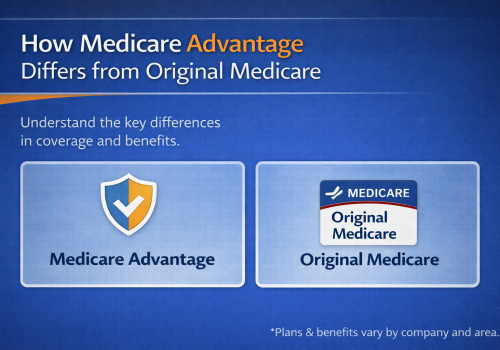
As you explore your options, remember that Medigap isn’t the only choice. A Medicare Advantage plan can be another solution. Unlike Medigap, a Medicare Advantage plan combines Medicare Parts A and B and sometimes includes Part D prescription drug coverage, potentially offering a more comprehensive package. However, the broad network and flexibility of Original Medicare, combined with a Medigap policy, remain appealing for those seeking robust supplemental coverage.
Consider factors like how Medigap policies are standardized across states but vary in premiums based on insurance companies. Plan letters (A through N) offer different levels of coverage, so comparing these against your health needs and financial situation is essential for making a sound decision. Balancing your health priorities with the costs will guide you towards the right Medigap plan, ensuring peace of mind. Begin your journey armed with information and confidence, knowing that clarity and thoughtful consideration pave the way to effective healthcare coverage.
Ready to discover which Medigap or Medicare Advantage plan best suits your needs? Enter your ZIP code on our site to compare Medicare options. Our resources are here to help you every step of the way, and personalized help will soon be available by phone.
Understanding how Medigap helps with Medicare’s out-of-pocket costs can empower you in your coverage decisions. To find a plan that meets your needs and budget, enter your ZIP code on our site to see available options. Our team is here to assist you further. Stay tuned until our phone number is available for personalized support. We are committed to making your Medicare journey clearer and more manageable.
Compare plans and enroll online
Frequently Asked Questions
What coverage gaps exist in Original Medicare?
Original Medicare includes deductibles, coinsurance, and copayments that beneficiaries are
responsible for paying out of pocket. It also does not include an annual out-of-pocket maximum,
which can lead to higher and less predictable healthcare costs for some seniors.
How does Medigap help pay costs not covered by Medicare?
Medigap, also known as Medicare Supplement Insurance, helps pay certain costs left unpaid by
Medicare Part A and Part B. Depending on the plan, this may include deductibles, coinsurance,
copayments, and other approved cost-sharing amounts.
Does Medigap provide more predictable healthcare costs?
Yes. By covering many of Medicare’s out-of-pocket expenses, Medigap can make healthcare costs
more predictable. Seniors often know in advance what they will pay for covered services, which
may reduce unexpected medical bills.
Are all Medicare coverage gaps filled by Medigap plans?
Medigap plans fill many, but not all, Medicare coverage gaps. Medigap does not cover services such
as prescription drugs, dental, vision, hearing, or long-term care. Separate coverage may be needed
for these expenses, depending on individual needs.
Have Questions?
Speak with a licensed insurance agent
1-855-398-0716
TTY users 711
Mon-Fri: 8am-9pm ET
Find & Compare Plans Online
ZRN Health & Financial Services, LLC, a Texas limited liability company

Russell Noga is the CEO of ZRN Health & Financial Services, and head content editor of several Medicare insurance online publications. He has over 18 years of experience as a licensed Medicare insurance broker helping Medicare beneficiaries learn about Medicare, Medicare Advantage Plans, Medigap insurance, and Medicare Part D prescription drug plans.