Keeing your gums healthy is important for seniors, and so is dental insurance to help pay for maintaining it. Gum disease can lead to serious problems if not taken care of. This page shares easy tips to help prevent gum disease and manage periodontitis. Seniors and caregivers will learn simple ways to maintain good oral hygiene, understand the signs of gum issues, and discover treatments that can help. With the right information, older adults can take charge of their oral health and enjoy a confident smile. Explore the preventive measures and management strategies that can lead to healthier gums.


Compare Medicare Plans
Compare plans and costs in your area






How Seniors Can Prevent Gum Disease
Key Highlights
- Seniors are at higher risk for gum disease due to age-related vulnerability and health conditions.
- Regular dental visits and cleanings are crucial for preventing gum disease and maintaining oral health.
- Effective oral hygiene, including brushing and flossing, is fundamental for senior gum health.
- A balanced diet supports gum health by reducing inflammation and boosting infection resistance.
- Exploring Medicare options can aid in accessing comprehensive periodontal care for seniors.
Compare plans and enroll online
Understanding Gum Disease in Seniors
Gum disease, commonly known as periodontal disease, can pose a significant challenge for older adults. As we focus on dental health and oral health, it’s essential for seniors to grasp the implications of periodontitis and related conditions. This understanding plays a crucial role in disease prevention and maintaining gum health. Periodontal care is vital, especially since age can contribute to heightened susceptibility to gum inflammation. By arming themselves with the right knowledge, seniors can better manage these oral conditions and focus on maintaining healthy gums as they age. Let’s explore what gum disease entails and why it commonly affects seniors.
What Is Gum Disease?
Gum disease, or periodontal disease, is an inflammation of the gums often caused by plaque buildup along and under the gum line. It can start as simple gum inflammation but may progress to more severe conditions like periodontitis. This condition involves the gums pulling back from the teeth, forming pockets that are prone to infections. If ignored, it can even lead to tooth loss and affect overall oral health. Understanding the early signs, such as swollen or bleeding gums, is key in preventing the progression. Gingivitis, the mildest form of gum disease, usually precedes periodontitis and can be reversed with proper oral hygiene and care. Given how the condition can impact seniors’ health, regular dental check-ups are crucial for early detection and treatment. Emphasizing preventing gum disease through effective dental health practices is how seniors can maintain strong, healthy gums as they age.
Why Seniors Are More Prone to Gum Disease
Seniors often find themselves at increased risk for gum disease due to a combination of factors. As we age, the body’s ability to fend off infections, including those that affect oral health, gradually diminishes. This vulnerability can be exacerbated by conditions such as diabetes or medications that reduce saliva flow, a natural defense against bacterial buildup. Furthermore, older adults might experience challenges in maintaining consistent oral hygiene, thus elevating risks. Reduced mobility and cognitive decline can make thorough brushing and flossing difficult, allowing gum disease to take root. It’s essential for seniors to adopt strategies that focus on periodontal care to counter these effects. Regular dental visits help ensure early detection, while customized oral health routines can effectively bolster gum health among older adults. By understanding these challenges, seniors and their caregivers can better prioritize disease prevention and manage gum disease, resulting in healthier lives.
Importance of Maintaining Gum Health
Maintaining gum health plays a crucial role in overall oral health, especially for seniors. As we age, the risks associated with gum disease increase, making regular oral hygiene a top priority. By understanding how to care for your gums, you can significantly reduce the chances of developing serious conditions like periodontitis. Emphasizing daily practices such as brushing and flossing can help prevent inflammation and smaller issues from progressing into something more severe. A strong focus on gum health not only aids in disease prevention but also contributes to a healthier, more comfortable lifestyle. Let’s look at specific ways to nurture dental health in older adults.
Daily Oral Hygiene Tips for Seniors
Building an effective oral hygiene routine is essential in safeguarding your gum health. Seniors should prioritize brushing and flossing to maintain a healthy mouth. Start by choosing a soft-bristle toothbrush to protect your gums from irritation and wear. Seniors are encouraged to brush twice a day using fluoride toothpaste, which helps reduce plaque buildup, a leading cause of gum disease. Regular flossing is equally important; it reaches areas a toothbrush can’t, removing food particles and reducing the risk of infections. Remember to brush your tongue as well, which is a common but often overlooked step that helps reduce bacteria in the mouth. Seniors can also consider additional tools like an electric toothbrush or a water flosser if manual dexterity is a concern. Consistent oral hygiene is a proactive approach to avoiding serious complications. These simple tips, when incorporated into your daily routine, play a critical role in maintaining oral health as you age.
Why Brush and Floss Are Essential
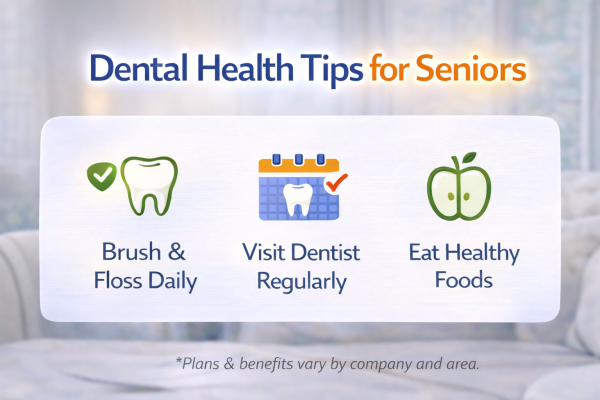
Brushing and flossing are fundamental practices for maintaining gum health. Brushing twice daily with a soft-bristle toothbrush is important because it helps reduce the risk of gum disease by keeping plaque and bacteria at bay. Using fluoride toothpaste plays an essential role in strengthening tooth enamel and protecting gums. Seniors who brush properly help prevent the inflammation that can lead to periodontal issues. Flossing is vital too; it cleans tight spaces between teeth where a brush might not reach, preventing food build-up and the growth of bacteria. Together, these practices form a shield against tooth and gum problems. By continuing to prioritize oral hygiene with these basic but crucial steps, seniors can effectively manage gum health. Regularly executing these hygiene habits prepares your oral health to face age-related challenges while enhancing overall dental health. Combined, they are your frontline defense in disease prevention, ensuring a future without gum and dental woes.
Role of Diet in Gum Health
As we age, diet plays a critical role in maintaining gum health and overall oral health. Seniors face unique challenges in oral hygiene, and nutrition is an essential factor in periodontal care. A well-balanced diet can support gum health, reduce inflammation, and help prevent conditions like periodontitis. Nutrition not only strengthens the immune system but also aids in healing. Understanding how to harness the power of nutrition can empower seniors to take proactive steps towards disease prevention. Let’s delve into how nutrition affects periodontal care and ways to enhance your gum health through diet.
How Nutrition Affects Periodontal Care
Nutrition plays a critical role in maintaining gum health, especially for seniors. A healthy diet can boost your body’s ability to fight infections, which is crucial for those managing periodontal conditions like gum disease. When your diet includes plenty of fruits, vegetables, lean proteins, and whole grains, you’re giving your immune system the tools it needs to reduce inflammation and support oral health. These foods are rich in essential nutrients like vitamins C and D, calcium, and omega-3 fatty acids, all of which are linked to better gum health and effective periodontal care.
Conversely, diets high in sugar and processed foods can increase the risk of gum disease by promoting plaque buildup. It’s important for seniors to stay mindful of their nutritional choices because as we age, the body’s ability to absorb nutrients can decline. Emphasizing a nutrient-rich diet not only maintains gum condition but also enhances overall wellness. By understanding the relationship between nutrition and oral health, you can take practical steps to safeguard your gums. Regularly consulting with healthcare professionals for personalized dietary advice is also encouraged, ensuring a balanced approach to reduce disease risks and support healthy aging.
To enhance your understanding of how nutrition influences periodontal care, consider these practical dietary tips for promoting optimal gum health:
- Incorporate leafy greens like spinach and kale, which are rich in vitamins and minerals.
- Choose lean proteins such as fish and chicken to support tissue repair.
- Snack on nuts and seeds for an omega-3 fatty acid boost.
- Drink green tea to benefit from its anti-inflammatory properties.
- Opt for fruits like oranges and strawberries high in vitamin C to strengthen your gums.
- Swap processed snacks with whole-grain options to reduce sugar intake.
- Stay hydrated with plenty of water to aid in the removal of toxins.
By integrating these nutrition habits, you can actively contribute to healthier gums and overall well-being.
Find & Compare Plans Online
Significance of Regular Dental Visits
Regular dental visits are essential for seniors, especially when it comes to maintaining gum health and preventing gum disease. Dental visits play a vital role in detecting early signs of issues that could lead to periodontitis. For older adults, periodontal care is not just about oral health but also about improving overall well-being. Routine check-ups provide the opportunity to monitor gum disease progression and adjust dental hygiene practices as needed. Understanding the importance of these check-ups can help seniors reduce the risks associated with gum problems and keep their smiles healthy as they age.
How Cleanings Help Seniors Prevent Gum Issues
Professional cleanings during dental visits are crucial for seniors in preventing gum issues. Over time, plaque and tartar build up, creating an environment that fosters gum disease. A dental cleaning is more than just a superficial polish; it involves removing substances that daily brushing and flossing might miss. This process is vital for disease prevention, especially since gum health impacts overall oral hygiene. During a cleaning, a dentist or hygienist can also assess for early signs of periodontitis and gum infections. For seniors, this step can dramatically reduce the risks of progressing to more severe conditions. Moreover, regular check-ups help in personalized oral hygiene education, ensuring that seniors are informed about the best practices for their unique dental health needs. By engaging in consistent periodontal care through these cleanings, older adults can maintain better oral health and manage potential gum issues effectively, securing their oral and overall health.
Practical Tips for Maintaining Gum Health as You Age
As you age, taking care of your gums becomes even more important to prevent gum disease. Effective strategies to maintain oral health are crucial for a healthier life. Regular practices such as tooth brushing, proper oral hygiene, and routine dental visits are key in managing gum conditions. By focusing on your daily habits, you can make a big difference in preventing periodontitis and maintaining gum health. Let’s look into these practical tips, starting with how daily brushing can support your dental health.
Brush Twice a Day and More
Brushing twice a day with a soft-bristle toothbrush is one of the simplest yet most effective ways to take care of your gums and teeth. When it comes to maintaining gum health, this habit helps remove plaque, a sticky film of bacteria, before it can harm your gums. Use fluoride toothpaste to strengthen your tooth enamel and keep your gums healthy. It’s not just about brushing twice daily but also focusing on proper technique. Make sure to reach along the gum line where plaque tends to accumulate.
Remember, your choice of brush and paste can make a big difference. Opt for a soft-bristle toothbrush; it’s gentle on gums and effective at cleaning. If you’re facing challenges with manual dexterity, an electric toothbrush might be helpful as it’s easier to handle while ensuring thorough cleaning. Additionally, brushing your tongue is important too, as it helps reduce bacteria in the mouth. By embracing these oral hygiene practices consistently, seniors can better manage gum health and avoid complications related to gum disease as they age. It’s never too late to start these steps, which play a critical role in disease prevention and maintaining overall dental health.
Special Considerations for Seniors with Other Health Conditions
For seniors managing various health conditions, maintaining gum health demands extra attention. Gum disease prevention isn’t just about oral hygiene; it’s intricately linked with overall wellness. Conditions like diabetes and heart disease can have significant impacts on dental health. Understanding these connections is essential for maintaining healthy gums as we age. Seniors must consider how their existing health issues might affect oral care routines. Awareness and personalized strategies can help manage periodontitis and foster healthy gums. Let’s delve into how such health conditions impact oral hygiene and overall gum health.
Impact on Oral Hygiene and Gum Health
Seniors with other health conditions face unique challenges in maintaining oral hygiene, which can affect gum health significantly. Certain conditions, like diabetes, can increase the likelihood of inflammation and gum disease. Diabetes impacts the body’s ability to fight infections, making the gums more susceptible to periodontitis. Furthermore, medications often prescribed for chronic conditions can lead to dry mouth. A reduction in saliva flow reduces the natural cleansing around the gums, facilitating plaque buildup and gum disease. Recognizing these factors is crucial for disease prevention.
Certain cardiovascular issues can also intertwine with gum health. Poor oral hygiene has been linked to heart health due to inflammation and plaque spread, emphasizing the interconnectedness of oral and overall health. Seniors must adopt a vigilant approach to dental health, considering these external conditions. Regular dental check-ups are vital, as dental professionals can identify early signs of gum issues related to these health conditions and offer targeted periodontal care. Personalized oral care routines, possibly including antiseptic mouthwashes recommended by a dentist, can aid in countering these impacts. Balancing your healthcare needs holistically is key to maintaining robust gum health despite other health challenges.

Conclusion: Staying Informed and Healthy
Seniors must stay informed about gum health to prevent gum disease effectively. Understanding the basics of periodontitis, the importance of daily oral hygiene, and the role of nutrition creates a strong foundation for maintaining gum health. Regular dental visits further enhance periodontal care by detecting early signs of issues and adapting oral hygiene routines accordingly. Disease prevention involves a holistic approach; embracing these practices helps reduce gum inflammation and safeguard against complications. Taking proactive steps in managing your oral health not only benefits your gums but also enhances overall well-being. Now, let’s examine how Medicare can assist in comprehensive periodontal care.
| Key Point | Action Required | Medicare Option | Benefit |
|---|---|---|---|
| Importance of Regular Check-Ups | Schedule bi-annual dental visits | Part C (Medicare Advantage) | Potential inclusion of routine dental exams |
| Early Detection of Gum Disease | Monitor for symptoms like bleeding gums | Part C (Medicare Advantage) | Covers diagnostic procedures |
| Treatment for Periodontal Issues | Consult a periodontist for specialized care | Part C (Medicare Advantage) | May cover periodontal treatments |
| Enhancing Oral Hygiene | Adopt a daily oral care routine | Not directly covered by Medicare | Improves overall gum health |
This table provides a concise overview of proactive steps seniors can take to maintain gum health and explore Medicare coverage for periodontal care.
Explore Medicare Coverage Options for Comprehensive Periodontal Care
When it comes to managing oral health, especially periodontal care, exploring Medicare coverage options can provide critical support for seniors. Original Medicare may not cover routine dental care, but certain situations involving severe gum disease might qualify for medical benefits. Seniors can look into Medicare Advantage plans, as these often include additional dental benefits that encompass gum health services. Understanding these options can significantly aid in disease prevention and support maintaining gum health.
Besides traditional Medicare plans, other plans may offer comprehensive coverage that includes necessary periodontal treatments, such as deep cleanings and care for periodontitis. Confirming these details with your provider ensures that oral health needs are adequately met. Periodontal care is essential for seniors to manage gum disease and prevent related conditions. By taking the time to explore insurance options, seniors can reduce their out-of-pocket costs and improve their oral hygiene outcomes.
Seeking guidance from trusted resources like MedicarePlansGuide.org is encouraged. This site offers clarity on how these plans work, helping you compare benefits and fit your budget. Remember, maintaining healthy gums is part of staying informed and proactive about your health as you age. Enter your ZIP code on our site to explore Medicare coverage options for comprehensive periodontal care today. Personalized help will be available soon, so you can confidently make informed decisions about your dental health insurance needs.
Taking steps to prevent gum disease helps maintain oral health and overall well-being. Regular dental visits, proper brushing, and healthy habits are key. For more information on dental coverage that can support your gum health journey, enter your ZIP code on our website to explore your Medicare options. You may also call for personalized guidance once our phone number is available. We’re here to help you find the coverage that meets your needs.
Compare plans and enroll online
Frequently Asked Questions
Why do seniors have a higher risk for gum disease?
Seniors have a higher risk for gum disease due to age-related factors such as diminished ability to fight infections and conditions like diabetes or medications reducing saliva flow, which affects oral hygiene.
How can seniors prevent gum disease?
Seniors can prevent gum disease by maintaining effective oral hygiene, such as regular brushing and flossing, attending dental check-ups, following a balanced diet, and consulting healthcare professionals for personalized dental care strategies.
What role does nutrition play in gum health for seniors?
Nutrition plays a crucial role in maintaining gum health by supporting the body’s immune system. A diet rich in fruits, vegetables, and whole grains can reduce inflammation and prevent periodontal conditions, essential for seniors’ oral health.
What are the early signs of gum disease seniors should be aware of?
Early signs of gum disease include swollen or bleeding gums, bad breath, and gum recession. Identifying these symptoms early can help seniors take timely action to prevent the progression to more severe conditions like periodontitis.
Can Medicare help in accessing periodontal care?
While Original Medicare may not cover routine dental care, Medicare Advantage plans often offer additional dental benefits that include periodontal care. Exploring these options with resources like MedicarePlansGuide.org can help seniors find suitable coverage.
Have Questions?
Speak with a licensed insurance agent
1-855-398-0716
TTY users 711
Mon-Fri: 8am-9pm ET
Find & Compare Plans Online
ZRN Health & Financial Services, LLC, a Texas limited liability company

Russell Noga is the CEO of ZRN Health & Financial Services, and head content editor of several Medicare insurance online publications. He has over 18 years of experience as a licensed Medicare insurance broker helping Medicare beneficiaries learn about Medicare, Medicare Advantage Plans, Medigap insurance, and Medicare Part D prescription drug plans.