Speak with a licensed insurance agent

1-855-398-0716

TTY user 711 Mon-Fri : 8am-9pm EST

How to Appeal Medicare Part B Decisions

If you disagree with a decision about your Medicare Part B coverage, you have the right to appeal. This process lets you ask Medicare to review and change their decision.

While it may sound complex, understanding the Medicare appeals process can help you navigate it confidently. This guide explains how to appeal Part B decisions step-by-step, including necessary forms, deadlines, and tips for success.

Our aim is to make this process clearer, so you feel empowered to handle your Medicare rights effectively.

Key Highlights

  • Medicare Part B appeals allow you to contest decisions about your healthcare services.
  • Filing an appeal involves reviewing the decision letter and submitting a written request.
  • The appeals process has several levels, each providing a fresh opportunity for review.
  • During a hearing, an Administrative Law Judge (ALJ) reviews your case details.
  • HHS ensures fair evaluations throughout the Medicare appeals process.

Compare plans and enroll online

Understanding Medicare Part B Appeals

Understanding Medicare Part B Appeals

Medicare Part B appeals can seem complicated, but understanding them can empower you as a Medicare beneficiary. If you receive a decision letter about your coverage that you disagree with, know that you can file an appeal.

This is your chance to request a review of the decision. Whether it’s about services or coverage levels, each appeal journey starts with understanding what Medicare Part B appeals involve.

These appeals can help make adjustments to your original coverage if you believe something’s unfair or incorrect.

What is a Medicare Part B Appeal?

A Medicare Part B appeal is your opportunity to contest decisions made by Medicare about your healthcare services.

When you feel a service you’ve received or a claim you’ve submitted wasn’t covered or approved appropriately, an appeal is the way to have that decision reviewed.

As a Medicare beneficiary, you have the right to request this review, which can involve several appeal levels. Each level offers a new chance to present information that might sway the decision in your favor.

The process empowers you to ensure your Medicare plans meet your needs fairly.

Steps to File an Appeal for Medicare Part B

Steps to File an Appeal for Medicare Part B

Navigating Medicare Part B appeals requires understanding the steps involved to ensure you’re heard. When Medicare denies certain services or decisions, filing an appeal is vital.

You start by examining the decision letter, which provides essential information about why your request was denied. If you believe an error was made, you can request a review by submitting a formal appeal.

Knowing these steps helps in managing appeals and aiming for a successful reconsideration, whether it’s about a claim adjustment or service challenges. Always ensure your appeal includes all necessary documentation.

How You Can Request an Appeal

You can request an appeal by carefully reviewing your Medicare decision letter. This letter details why a service or claim was denied. To initiate your appeal, you’ll need to submit a written request.

This request should include your Medicare number, the specific service or claim in question, and any supporting information that may help your case.

If further levels of appeal are needed, you’ll move through several appeal levels, potentially up to a hearing with the Office of Medicare Hearings and Appeals (OMHA).

Remember, the goal is to have your case re-evaluated fairly.

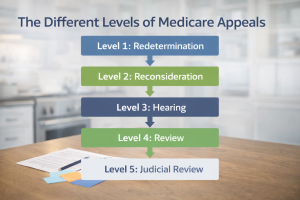
The Different Levels of Medicare Appeals

The Different Levels of Medicare Appeals

Appealing a Medicare Part B decision involves understanding the various appeals levels you can pursue. Medicare offers distinct stages for these appeals, each allowing you to present additional information or request a reconsideration.

From the initial level to more advanced reviews that engage external entities, understanding each level’s specific role and expectations empowers Medicare beneficiaries.

Whether it’s a simple reconsideration or preparing for an ALJ hearing, knowing what’s available helps you make informed decisions at every step of your journey. This section walks you through each appeals level to guide your understanding.


Appeals Level Responsible Body Key Features Next Step if Denied
Level 1: Redetermination Medicare Administrative Contractor (MAC) Request for a redetermination is made; involves reevaluation of the claim by a different individual than the one who made the initial decision. Proceed to Level 2: Reconsideration by a Qualified Independent Contractor (QIC)
Level 2: Reconsideration Qualified Independent Contractor (QIC) Involves a thorough review of the claim and redetermination decision; additional evidence can be submitted. Advance to Level 3: Hearing by an Administrative Law Judge (ALJ)
Level 3: Hearing Administrative Law Judge (ALJ) within the Office of Medicare Hearings and Appeals (OMHA) Formal hearing where the appellant can provide testimony and new evidence; the decision is made based on a hearing. Take the case to Level 4: Review by the Medicare Appeals Council
Level 4: Review Medicare Appeals Council Further review of the ALJ’s decision focuses on specific appeals based on law application rather than factual reconsideration. Escalate to Level 5: Judicial Review in Federal District Court
Level 5: Judicial Review Federal District Court Requires filing a complaint with the court to review the Medicare Appeals Council decision; involves legal procedures and court hearings. This is the final level of appeal within the Medicare framework; subsequent steps depend on court proceedings.

This table highlights the structured pathway of Medicare appeals, facilitating an informed approach for beneficiaries.

Exploring Each Level and What to Expect

The Medicare appeals process consists of several levels, each with unique features and requirements. It begins with the first appeals level, known as “reconsideration,” where you can request a fresh review of your case by a Qualified Independent Contractor (QIC).

Should you disagree with the qic decision, you can proceed to an ALJ hearing by the Office of Medicare Hearings and Appeals (OMHA), where a judge will hear your case.

The next stage involves a council decision, providing another chance for your case to be reviewed. Understanding these steps ensures you’re prepared at each appeals level.

Preparing for your Medicare Hearing

Preparing for Your Medicare Hearing

Getting ready for a Medicare hearing can feel overwhelming, but preparation can make a big difference. When you’ve reached the stage where your appeal requires a hearing, it’s crucial to understand what’s coming next.

The Office of Medicare Hearings and Appeals (OMHA) manages these hearings, which often involve an Administrative Law Judge (ALJ).

During this phase, you’ll have the opportunity to present information, clarify details, and ensure your needs are properly addressed. Preparing adequately ensures you clearly communicate the adjustments you seek in your Medicare Part B decision.

Find & Compare Plans Online

Speak with a licensed insurance agent

1-855-398-0716TTY 711

Mon-Fri: 8am-9pm ET

What Happens During a Hearing?

During a hearing with the Office of Medicare Hearings and Appeals (OMHA), you’ll meet with an Administrative Law Judge (ALJ). This is your chance to discuss the details of your case and provide information supporting your appeal.

The ALJ hearing is designed to be fair and allows you to present any services, adjustments, and information relating to the decision being appealed. The judge will review all submitted documents and hear your testimony.

This process is less formal than a courtroom hearing, focusing on understanding your appeal in a supportive setting. Keeping your documents organized and concise helps the ALJ make an informed decision about your Medicare Part B appeal.

To further assist you in preparing for your hearing, consider these helpful tips to present a clear and compelling case:

  • Organize all relevant documents chronologically for easy reference during the hearing.
  • Practice articulating your main points to ensure clear and concise delivery.
  • Prepare a brief summary highlighting the key aspects of your appeal.
  • Gather supporting evidence that reinforces your case’s merits and addresses potential objections.
  • Familiarize yourself with previous similar cases to better anticipate questions.
  • Remain courteous and composed throughout the hearing, demonstrating respect for the process.

These strategies aim to enhance your experience and effectiveness during the appeals process.

Judicial Review in Medicare Appeals

If you’ve been through the Medicare appeals process and still find issues with the outcome, you might consider a judicial review. This is the stage that follows exhausting all other Medicare appeals levels and typically involves the federal district court.

Taking this step requires understanding its significance and potential outcomes.

Judicial reviews explore whether legal errors occurred in previous decisions, and it’s crucial to ensure that all previous appeal levels, such as OMHA decisions and council decisions, are complete and documented.

This ensures that your case is ready for legal examination, offering a final opportunity for a fair adjustment in your coverage dispute.

Understanding Appeal Decisions

When Should You Consider a Judicial Review?

Considering a judicial review in the Medicare appeals process is a significant step and should be taken seriously. It comes into play once you’ve received an unfavorable decision letter from the council and have not found a resolution through prior appeals levels.

At this stage, the process shifts from Medicare to the federal court system, typically involving legal advice or representation.

Judicial reviews assess whether the Health and Human Services (HHS) made legal mistakes in the earlier review levels.

If you believe the coverage or services you sought were unjustly denied, and you’ve exhausted options like OMHA hearings and reconsideration, then a judicial review may offer your final chance for resolution.

Keep your previous records organized, as they will play a vital role in this advanced appeals level.

Understanding the Role of HHS in Medicare Appeals

In the landscape of Medicare appeals, the Department of Health and Human Services (HHS) plays a crucial role. HHS oversees several facets of the appeals process, ensuring that Medicare beneficiaries receive fair evaluations.

When a Medicare decision doesn’t align with your expectations, understanding how HHS fits into this framework is essential for presenting a strong case. From initial appeals to higher appeals levels, HHS services offer guidance and oversight at each stage.

By navigating these processes efficiently, you can ensure your original Medicare services are properly reviewed and assessed following a qic decision or council decision.

How HHS Services Support Your Case

HHS services are integral to ensuring a comprehensive review of your Medicare appeal. When you file an appeal, you might advance through various levels, each providing a new opportunity for your case to be heard.

HHS services include reviews conducted by bodies like the Office of Medicare Hearings and Appeals (OMHA) and the Medicare Appeals Council. These entities thoroughly evaluate the information you submit, aiming to provide an impartial decision.

Their involvement guarantees that all cases adhere to set standards, and your appeal is thoroughly and fairly considered, whether it’s through an OMHA hearing or a council decision.

Understanding the services provided by HHS can make your appeals journey more transparent.

Conclusion: Finding Support and Comparing Options

Understanding Medicare appeals can be complex, but finding the right support can simplify your journey.

Whether you’re navigating an initial appeal or going through various appeals levels like reconsideration and hearings, knowing where to turn for guidance is crucial. There are services designed to assist you, offering clarity and support at each decision point.

These services help ensure you’re making informed decisions about your Medicare coverage.

Comparing options during an appeal means understanding both the technical aspects and how different paths can lead to the desired adjustment in your original Medicare plan.

Helpful Services for Your Medicare Journey

When faced with a Medicare appeal, numerous services are available to support you. Whether you’re tackling a decision on coverage or services denied, locating the right assistance can make a world of difference.

Consider calling SSA for guidance tailored to your unique situation, especially if your appeal involves complex issues. By seeking help, you gain insights from experienced professionals who understand each appeal level, from reconsideration to OMHA hearings.

These experts can provide advice on effectively presenting your case, ensuring that every step aligns with Medicare standards. Such support ensures your original Medicare decisions are reviewed fairly.

Understanding how to appeal Medicare Part B decisions can feel overwhelming, but you’re not alone. Our website offers easy-to-read guides and resources to help you navigate Medicare choices with confidence.

Enter your ZIP code to explore coverage options that meet your needs. For personalized assistance, our phone number will be available soon, so you can connect with a knowledgeable team member.

We’re here to help you make informed decisions about your Medicare coverage.

Compare plans and enroll online

Frequently Asked Questions

What is a Medicare Part B appeal?

A Medicare Part B appeal is your opportunity to contest decisions made by Medicare regarding your healthcare services. If you feel a service or claim wasn’t appropriately covered or approved, an appeal allows you to request a review.

How do I start the Medicare Part B appeals process?

To begin the appeals process, carefully review your Medicare decision letter. This letter explains why a service or claim was denied. From there, submit a written request for reconsideration, including your Medicare number, the service in question, and supportive information.

What are the different levels of Medicare appeals?

The Medicare appeals process involves several levels:

  • Reconsideration by a Qualified Independent Contractor (QIC)
  • An Administrative Law Judge (ALJ) hearing with the Office of Medicare Hearings and Appeals (OMHA)
  • A Medicare Appeals Council review
  • A judicial review in a federal district court if necessary.

What happens during an Administrative Law Judge (ALJ) hearing?

An ALJ hearing is a chance to present your case details with an Administrative Law Judge. This process is designed to be fair and allows you to provide the documentation and testimony related to your appeal.

How can I prepare for the Medicare appeals hearing?

To prepare for a hearing, organize your documents and ensure they clearly communicate your appeal. Understanding the steps involved and what is required can significantly aid in presenting your case effectively.

Have Questions?

Speak with a licensed insurance agent

1-855-398-0716

TTY users 711

Mon-Fri: 8am-9pm ET

Find & Compare Plans Online

Speak with a licensed insurance agent

1-855-398-0716TTY 711

Mon-Fri: 8am-9pm ET

ZRN Health & Financial Services, LLC, a Texas limited liability company