Navigating Medicare Part D can feel overwhelming, but understanding the enrollment periods can help. This guide explains the different times when you can join, change, or drop your Medicare Prescription Drug Plan. Learn about the Initial Enrollment Period when you first become eligible, the Annual Election Period for making changes, and Special Enrollment Periods for those with unique situations. Knowing these timelines helps you make confident decisions about your prescription drug coverage and ensures you have the medications you need. Let us walk you through each step with clear, simple information.


Compare Medicare Plans
Compare plans and costs in your area






Medicare Part D Enrollment Periods
Key Highlights
- Medicare Part D provides prescription drug coverage to help manage medication costs effectively.
- Annual open enrollment runs from October 15 to December 7 for adjusting Medicare Part D coverage.
- Special Enrollment Periods allow changes outside open enrollment due to life changes or plan discontinuation.
- Choosing the right plan involves evaluating drug formularies, costs, and Medicare plan types.
- Understanding Part D coverage phases helps plan for prescription expenses and ensures continuous drug coverage.
Compare plans and enroll online
Understanding Medicare Part D for Prescription Coverage
Medicare Part D offers crucial prescription drug coverage, a vital part of your healthcare journey. For many seniors, understanding the options and benefits of Medicare Part D can be daunting. It provides drug coverage through various medicare prescription drug plans, helping you manage your medication costs effectively. In this section, we’ll delve into what Medicare Part D is and why you might consider adding a prescription drug plan to your healthcare coverage. This will ensure you’re well-informed about how drug plans work and how they can benefit you in your Medicare journey.

What is Medicare Part D?
Medicare Part D is a program that offers optional prescription drug coverage to help Medicare beneficiaries manage medication expenses. Unlike other parts of Medicare, such as Part A and Part B, which cover hospital and medical services, Part D is specifically designed to cover the cost of prescription drugs. It’s delivered through private insurance companies approved by Medicare. These plans are known as standalone Prescription Drug Plans (PDPs) or as a component of Medicare Advantage Plans (MA-PDs), which combine all Medicare benefits, including drug coverage, into a single plan.
One of the key reasons to consider Medicare Part D is the comprehensive drug coverage it offers. Prescription costs can rise significantly, especially if you require expensive medication or have multiple prescriptions. With a Part D plan, you can access many medications at a lower cost, reducing your out-of-pocket expenses. Each plan has a formulary, which is a list of covered drugs, and these formularies can vary. Therefore, it’s crucial to select a plan that aligns with your medication needs.
Medicare Part D coverage involves several phases, starting with the initial deductible (if applicable), followed by co-payments or coinsurance during the initial coverage period. Next, there’s the coverage gap, often called the “donut hole,” where you may pay more out-of-pocket, but recent regulations have decreased these costs. Finally, catastrophic coverage kicks in, significantly lowering your medication costs for the rest of the year. Understanding these phases can help you plan for expenses and ensure continuous coverage, protecting you from unexpectedly high costs.
Having a Medicare prescription drug plan is essential if you’re on multiple medications. Not enrolling when first eligible can lead to penalties, increasing your premium rate in the future. Thus, exploring your options and enrolling in a Medicare Part D drug plan at the right time can save you significant money and provide peace of mind knowing your prescriptions are covered.
When selecting a Medicare Part D plan, keep in mind the following crucial considerations:
– Evaluate the monthly premium to fit your budget needs.
– Compare deductible amounts across different plans.
– Check the formulary to ensure your medications are covered.
– Ensure convenient pharmacy locations are included in the network.
– Consider the coverage during the “donut hole” phase.
– Look for plans offering mail-order pharmacy benefits.
These points provide a helpful guide to choosing a plan that aligns with your healthcare needs.
Why Consider a Prescription Drug Plan?
Opting for a prescription drug plan under Medicare Part D is a strategic choice for many seniors. These plans offer an insurance cushion against the high costs associated with prescription medications. As healthcare needs evolve, so do medication requirements, making a solid Medicare drug coverage plan invaluable. With the many Medicare drug plans available, understanding their unique benefits can help you choose the most suitable option for your situation.
One major advantage of a Medicare Part D plan is the financial protection it offers. Prescription drug costs can be unpredictable, especially with new prescriptions or changes in dosage. A Medicare prescription plan helps mitigate these costs, reducing the financial burden on seniors. These plans typically have a network of pharmacies, ensuring you have access to pharmacies in your area and, often, even mail-order options for convenience.
Medicare Advantage plans, which include drug coverage, provide an integrated solution by combining Medicare Part A, Part B, and Part D benefits. These plans may offer additional services beyond prescription drug coverage, such as dental or vision care, adding more value to your Medicare plan. However, if you’re enrolled in Original Medicare, you’ll need a standalone Part D plan to secure this essential drug coverage.
Choosing the right drug plan also involves evaluating the plan’s formulary, the list of covered drugs. Each drug plan has a unique formulary, meaning that coverage and costs for specific medications can differ. Verifying that your prescribed medicines are included can save you from unexpected expenses. It’s beneficial to consult with a Medicare expert who can clarify how various medicare prescription and medicare advantage plans may meet your specific needs, taking into account both current medications and potential future needs.
In conclusion, a thoughtful selection of a Medicare Part D plan can offer significant benefits, not just for managing health expenses but also for ensuring access to necessary medications. This support can reduce stress and improve your quality of life, as you won’t have to worry about the costs of drugs that are vital to your health. As you consider your options, remember to enter your ZIP code on our site to compare drug plans available in your area. You can also call us for personalized assistance once our phone number is available.
When Can You Enroll in Medicare Part D?
Understanding when and how you can join a Medicare Part D plan is crucial for managing your prescription drug needs. Timing is key, as joining during specific enrollment periods can help you avoid penalties and ensure you have the coverage you need. In the sections below, we’ll explore Medicare’s open enrollment period and special enrollment periods for seniors, shedding light on the opportunities available to you for enrolling in or making changes to your Medicare prescription drug coverage.
| Enrollment Period | Timeframe | Actions Allowed | Eligibility Criteria | Key Benefits |
|---|---|---|---|---|
| Initial Enrollment Period | 7 months (3 months before and after the qualifying month) | Enroll in a Part D plan | Eligible for Medicare (around age 65 or qualifying disability) | Smooth start to coverage with minimized delays |
| Annual Enrollment Period | October 15 – December 7 | Enroll, switch, or drop Part D plans | Current Medicare beneficiaries | Flexibility to adjust coverage annually |
| Special Enrollment Period | Varies based on qualifying event | Enroll or make changes outside regular periods | Experience specific life events (e.g., move out of plan area) | Adapt coverage to life changes |
| General Enrollment Period | January 1 – March 31 | Enroll for Part D if Part A and/or B has been enrolled through GEP | Medicare beneficiaries who missed Initial Enrollment | Late enrollment option, albeit with potential penalties |
This table highlights the key enrollment opportunities for Medicare Part D, providing a roadmap for managing prescription drug coverage effectively throughout the year.

Medicare's Open Enrollment Period Explained
Medicare’s open enrollment period, also known as the annual election period, is a significant time for seniors to review and change their Medicare plans, including Medicare Part D. This period runs from October 15 to December 7 each year. During this time, you can enroll in a Medicare Part D plan, switch plans, or drop your existing prescription drug coverage if you wish. It’s a crucial opportunity to ensure your Medicare plan aligns with your current medication needs, especially if your health circumstances or prescriptions have changed.
During open enrollment, reviewing your current Medicare plan’s formulary is essential. The formulary is the list of covered medications, and it can change annually. Comparing your current prescription needs with your plan’s formulary ensures that your medications will continue to be covered. Making adjustments during this period can help avoid unexpected costs and maintain access to necessary drugs.
The fall open enrollment period allows seniors to take advantage of changing plan options, which might offer better coverage or lower costs. Comparing different Medicare Part D plans can lead to significant savings and seamless coverage. This open enrollment period also allows you to transition from Original Medicare to a Medicare Advantage plan that includes drug coverage, or vice versa, if your healthcare needs require a more comprehensive plan structure.
Enrolling or making changes during the open enrollment period is straightforward, but it’s vital to act within the designated window. Missing this period means you may have to wait until the next enrollment period or rely on a special enrollment period, should you qualify under certain circumstances, like moving out of your plan’s service area or losing other drug coverage involuntarily.
To make the most of Medicare’s open enrollment, utilize resources such as plan comparison tools and speak with an experienced Medicare educator who can guide you through the process. Understanding your options during this enrollment period empowers you to make informed decisions about your drug plan, ensuring both cost efficiency and comprehensive coverage that meets your health needs.
Find & Compare Plans Online
Special Enrollment Periods for Seniors
Special Enrollment Periods (SEPs) offer additional opportunities to enroll in or change your Medicare Part D plans outside the standard open enrollment period. These periods are designed to provide flexibility under specific circumstances, such as changes in your life situation that affect your health coverage. Understanding when you’re eligible for a SEP can help avoid late enrollment penalties and ensure continuous coverage for your prescription needs.
Various scenarios qualify for a Special Enrollment Period. For instance, moving to a new service area where your current Medicare Part D or Medicare Advantage plan isn’t available is a common qualifying event. Similarly, if you lose other creditable prescription drug coverage involuntarily, such as coverage through an employer or union, you’ll have a SEP to select a new Part D plan without penalties.
Another critical SEP is available if you qualify for Extra Help, Medicare’s prescription drug assistance program for low-income beneficiaries. This program helps reduce Part D costs and ensures access to medications, and qualifying for this financial aid allows changes to your Medicare drug plan at any time during the year.
If a Medicare Part D plan changes its contract with Medicare or discontinues operations in your area, this also triggers a SEP. During such times, you can choose a new plan that better fits your needs without waiting for the fall open enrollment period. It’s essential to pay attention to correspondence from your plan that might indicate such changes to avoid coverage gaps.
Being aware of the nuances of Special Enrollment Periods can protect you from gaps in coverage and ensure your medication needs are met year-round. It empowers you to be proactive in maintaining your health coverage, regardless of life’s unpredictable changes. For personalized guidance, seekers can explore resources and tools that compare plans based on ZIP code and reach out for expert assistance as needed. Always continue to monitor your eligibility for SEPs, keeping informed of potential enrollment avenues available throughout the year.
Remember, staying informed and proactive in your Medicare decisions significantly contributes to your health and financial well-being, especially concerning your medication coverage. Balancing readiness with the flexibility of SEPs helps you meet your healthcare needs effectively and with peace of mind.
Steps to Enroll in a Medicare Part D Plan
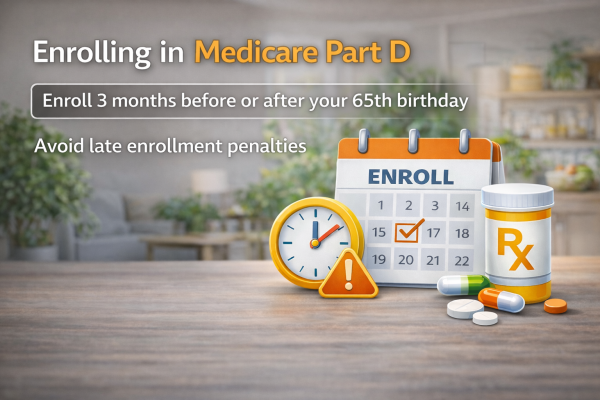
Enrolling in a Medicare Part D plan is a key step in managing your prescription drug needs and ensuring you’re covered for potential medication expenses. Understanding the enrollment process can help you seamlessly integrate a drug plan into your Medicare coverage. We’ll walk you through essential steps to enroll, including how to select the right Medicare prescription drug plan based on your needs. With a clear approach, you’ll find enrolling in Medicare Part D easier and feel confident your healthcare choices are well-informed and beneficial.
How to Choose the Right Drug Plan
Choosing the right Medicare drug plan is a crucial part of your healthcare strategy. With numerous options available, identifying a plan that aligns with your specific prescription needs and budget can seem overwhelming. However, by focusing on a few essential factors, you can make an informed decision that ensures comprehensive coverage and cost-effectiveness. First, consider your current prescription medications. Compile a list of the drugs you take regularly, including dosages and preferred pharmacy options. This will be pivotal when comparing Medicare Part D plans, as each plan has a unique formulary or list of covered drugs. Ensuring your medications are included in this list can prevent future inconveniences or unexpected expenses.
Next, familiarize yourself with the different types of plans available. Medicare Part D plans can be standalone Prescription Drug Plans (PDPs) or part of Medicare Advantage Plans (MA-PDs). PDPs are suitable if you’re enrolled in Original Medicare and need to add drug coverage. However, if you’ve chosen a Medicare Advantage plan, ensure it includes Part D coverage to streamline your benefits under one umbrella. This choice may also offer added services like vision or dental care, which could be beneficial depending on your healthcare needs.
Another important consideration is the plan’s premium and overall cost. While the premium is the monthly cost you pay for the plan, be mindful of additional expenses such as deductibles, copayments, and the plan’s network of pharmacies. Some plans may offer lower premiums but higher out-of-pocket costs for medications, whereas others may provide a wider network or preferred pharmacy options where you can get medications at a reduced rate. Calculating the annual cost helps you identify potential savings and allows you to budget effectively for your health expenses.
It’s crucial to review the plan star ratings provided by Medicare. These ratings indicate the quality of the plan based on member satisfaction, customer service, and performance. A drug plan with higher ratings may offer better customer support and ensure smoother processing of your prescriptions. Utilizing available Medicare resources, such as comparison tools, can simplify the selection process. Additionally, discussing your needs with a licensed Medicare educator can provide personalized advice tailored to your situation. They can help you navigate various plan options, compare different drug plans, and ensure you understand each plan’s specific benefits and costs.
Finally, remember to assess your chosen plan’s flexibility regarding possible changes in your medication needs or health status. Life circumstances and healthcare needs can change, so having a plan that offers some adaptability can be valuable. Evaluate options for mail-order services, which can offer convenience and often reduce costs. By thoroughly evaluating plan features and costs, aligning them with your current and future healthcare needs, you can confidently enroll in a Medicare Part D plan that supports your health and financial goals. By ensuring the right prescription drug coverage, you gain peace of mind knowing your medication needs are well-managed under your Medicare plan.
After understanding these steps, remember to enter your ZIP code on our site to explore and compare the various drug plans available in your area. Feel free to contact us for personalized help as well, once our phone service becomes available. This supportive assistance ensures you’re making well-informed choices about your healthcare coverage.
Understanding when and how to enroll in a Medicare Part D plan ensures you have the right coverage for your prescription needs. Enter your ZIP code at our website to explore and compare the available options. Our resources also provide personalized guidance if you need further assistance. Discover the choices that suit your health needs and budget. Check back soon for our contact number to speak with a trusted Medicare guide.
Compare plans and enroll online
Frequently Asked Questions
What is Medicare Part D and why is it important?
Medicare Part D offers optional prescription drug coverage to help manage medication expenses. It is important because it provides financial protection from the high costs of medications, especially if you need expensive or multiple prescriptions.
When is the Medicare Part D Annual Election Period?
The Annual Election Period for Medicare Part D runs from October 15 to December 7 each year. During this time, you can enroll in, switch, or drop your Medicare Part D plan to better meet your prescription needs.
What are Special Enrollment Periods (SEPs) for Medicare Part D?
Special Enrollment Periods allow you to make changes to your Medicare Part D plan outside the standard enrollment period due to specific life events, such as moving or losing other drug coverage involuntarily.
How does Medicare Part D coverage work?
Medicare Part D coverage involves several phases: deductible, initial coverage, coverage gap (or “donut hole”), and catastrophic coverage. Understanding these phases helps you plan for prescription costs throughout the year.
How do I choose a Medicare Part D plan?
Choosing a Medicare Part D plan involves evaluating your prescription needs, plan costs, formulary, and available pharmacies. Consider using resources like plan comparison tools and consulting with a Medicare expert for guidance tailored to your situation.
Have Questions?
Speak with a licensed insurance agent
1-855-398-0716
TTY users 711
Mon-Fri: 8am-9pm ET
Find & Compare Plans Online
ZRN Health & Financial Services, LLC, a Texas limited liability company

Russell Noga is the CEO of ZRN Health & Financial Services, and head content editor of several Medicare insurance online publications. He has over 18 years of experience as a licensed Medicare insurance broker helping Medicare beneficiaries learn about Medicare, Medicare Advantage Plans, Medigap insurance, and Medicare Part D prescription drug plans.