







Speak with a licensed insurance agent

1-855-398-0716

TTY user 711 Mon-Fri : 8am-9pm EST

Medicare Supplement Insurance 2027

Medicare Supplement Insurance, often called Medigap, is designed to help seniors manage healthcare expenses that Original Medicare does not fully cover.

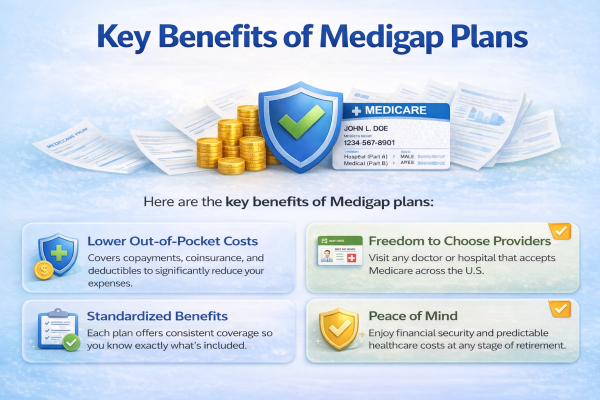
These types of Medicare plans reduce out-of-pocket costs for services such as copayments, coinsurance, and deductibles, giving retirees greater financial predictability throughout the year.

Medigap plans work alongside Original Medicare to strengthen your coverage and make medical costs easier to manage during retirement.

Whether you want support for frequent doctor visits or peace of mind knowing unexpected bills are limited, Medicare Supplement Insurance can play an important role in protecting both your health and your budget.
How Medicare works

How Original Medicare Works and Where Supplement Plans Fit

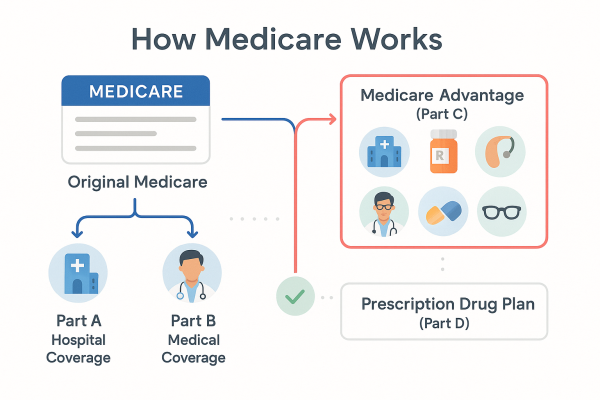
Original Medicare includes Part A for hospital coverage and Part B for medical services. It provides broad access to doctors and hospitals across the country, but it still leaves several financial gaps.

Seniors often face ongoing costs such as deductibles, coinsurance, and copayments. Original Medicare also does not include routine vision, dental, or hearing care, and it does not place a limit on yearly out-of-pocket expenses.

For many people, this creates uncertainty when planning for healthcare in retirement.

Medicare Supplement Insurance fills these gaps by covering many of the leftover costs from Original Medicare. Medigap plans help you manage expenses consistently, so your medical bills are less unpredictable.

Instead of worrying each time you have a test, visit a specialist, or spend time in the hospital, a Medigap plan gives you steady protection for Medicare-approved services.

Seniors who value nationwide provider access often choose Medigap because it works anywhere Medicare is accepted. If you travel or split time between states, the ability to use your plan almost anywhere adds convenience and flexibility.

Compare plans and enroll online

Common Gaps in Original Medicare That Medigap Helps Cover

Many seniors are surprised when they first learn how much they may still pay under Original Medicare.

Costs such as deductibles for hospital stays, coinsurance for outpatient services, and copayments for frequent medical appointments can add up quickly.

For those with ongoing conditions or chronic illnesses, these gaps can create significant financial strain.

Original Medicare also does not include prescription drug coverage under Part A or Part B, which means many retirees must purchase a separate Part D plan for medications.

Another limitation is the absence of routine dental, vision, and hearing coverage. These services become increasingly important with age, yet they are not included in Original Medicare.

Long-term custodial care is also not covered, which can be one of the largest expenses seniors face.

Medigap plans help reduce these burdens by paying for many of the leftover costs tied to Medicare-approved services.

While Medigap does not replace a Part D drug plan or add routine dental and vision care, it strengthens the parts of Medicare that you use the most.

Medicare supplement plans 2027

What Medicare Supplement Insurance Plans Cover

Medicare Supplement Insurance plans are sold by private insurance companies and work alongside Original Medicare.

They are standardized in most states, which means a Medigap Plan G from one company offers the same coverage as a Plan G from another company.

This makes comparing plans easier, since coverage is already set at the federal level.

Medigap plans support a range of Medicare-approved expenses, depending on the plan letter you choose. Many plans cover:

  • Medicare Part A coinsurance and hospital costs
  • Medicare Part B coinsurance
  • Blood used for medical procedures
  • Skilled nursing facility coinsurance
  • Part A deductibles
  • Foreign travel emergency coverage (in certain plans)

Plan G and Plan N are among the most popular choices today because they provide broad cost protection with reasonable premiums.

Seniors who prefer steady, predictable medical bills often choose Medigap to avoid unexpected expenses throughout the year.

Medigap plans do not replace Original Medicare; instead, they strengthen the benefits you already have by reducing what you owe for approved services.

How Supplement Plans Reduce Medical Costs

Without Medicare Supplement Insurance, seniors remain responsible for deductibles, copayments, coinsurance, and excess charges for Medicare-approved services.

These costs can feel unpredictable and stressful, especially if you require specialist care or unexpected hospital treatment. Supplement plans help address these expenses by paying for the costs that Medicare leaves behind.

The result is a more controlled and manageable medical budget.

Medigap plans work anywhere Medicare is accepted, which gives you the freedom to continue seeing your preferred doctors and specialists.

Unlike Medicare Advantage plans, Medigap does not rely on provider networks. If a provider accepts Medicare, your Medigap plan works there as well.

This makes Medigap appealing for seniors who travel, spend time in multiple states, or rely on specialized medical care.

Medigap coverage also simplifies billing. Providers bill Medicare first, the Medigap plan pays second, and you owe little or nothing, depending on your chosen plan.

This streamlined experience reduces paperwork and gives seniors confidence that most approved services will be covered with predictable costs.

Compare plans and enroll online

Types of Medigap Plans Seniors Can Choose

There are ten standardized Medigap plans in most states: A, B, C, D, F, G, K, L, M, and N. Each plan covers different cost-sharing responsibilities.

While they all supplement Original Medicare, some plans cover a broader range of expenses, while others offer lower premiums with slightly less coverage.

Plan G has become one of the most widely selected options for new retirees because it covers nearly all Medicare-approved costs except the Part B deductible.

Plan N is another popular choice for those who want strong coverage with lower premiums but are comfortable paying small copayments for some services.

Not every Medigap plan is available in every state. Massachusetts, Minnesota, and Wisconsin have their own versions of standardized Medigap plans with different rules and structures.

Because of these differences, reviewing plans by state is important when comparing your options.

A licensed Medicare specialist can help you review available plans where you live and explain how each type of Medigap policy manages Medicare’s cost-sharing.

What to Look for When Comparing the Best Medicare Supplement Insurance

Choosing the right Medigap plan involves reviewing coverage levels, pricing, and company reputation. Even though Medigap plans are standardized, insurance companies set their own premiums.

This means prices can vary widely between carriers even if the coverage is identical. Reviewing quotes from several insurers helps ensure you pay a fair price for your plan.

Here are practical things to consider:

  • Coverage level: Determine which costs the plan covers and which you must pay.
  • Premium differences: The same Medigap plan can cost more or less depending on the insurer.
  • Rate stability: Look for companies with a history of steady pricing.
  • Enrollment rules: Your Medigap Open Enrollment Period gives you the best opportunity to join without medical underwriting.
  • Company reputation: Established insurers often provide more reliable service.

State-specific rules also matter. Some states allow year-round Medigap enrollment or provide extra protection for people with health conditions. Reviewing these rules before choosing a plan helps ensure you receive the best value and protection.

Working with a knowledgeable Medicare advisor can simplify the comparison process and help you avoid common mistakes, such as missing your best enrollment window or choosing a plan without checking rate history.

comparing Medicare supplement plans

Medigap Policies and State-to-State Differences

Although Medigap plans are standardized, availability and pricing vary widely by state. Insurance companies set their own premiums, so a Medigap Plan G in one state may cost significantly more or less in another.

Factors such as local healthcare costs, state regulations, and insurance competition influence what you will pay for your plan.

Some states offer additional Medigap protection, while others limit enrollment opportunities outside your initial Open Enrollment Period.

States like New York and Connecticut allow year-round Medigap enrollment, while others have more restrictive rules. Understanding your state’s policies helps ensure that you choose coverage that supports both your health and your financial goals.

Comparing plans by state gives you a clear picture of what your Medigap policy will cost today and how premiums may change as you age. An experienced Medicare specialist can explain differences between states and help you review plans that match your priorities.

Why Seniors Should Consider Medicare Supplement Insurance Plans

Many seniors choose Medicare Supplement Insurance because they prefer predictable medical bills, broad provider access, and strong financial protection.

Medigap helps reduce unexpected expenses from Medicare-approved services, which is especially important for people with ongoing health issues or those who want confidence in their monthly budget.

Seniors who travel frequently or receive care from multiple specialists often value the nationwide flexibility Medigap provides.

Medigap plans work seamlessly with Original Medicare, providing a straightforward experience. You do not need referrals to see specialists, and there are no network restrictions.

For retirees who value control over their healthcare choices, these features make Medigap a practical option.

Compare plans and enroll online

Find Your Medicare Supplement Insurance Plan

Choosing Medicare Supplement Insurance is an important part of building a reliable healthcare strategy for retirement.

Seniors who want steady coverage, predictable expenses, and broad provider access often find Medigap plans to be a strong fit.

With several plan types available and different rules in each state, comparing your options carefully will help ensure your coverage supports both your medical needs and your financial peace of mind.

If you would like personal help reviewing Medicare Supplement Insurance plans, we can provide a free comparison based on your doctors, medications, and budget.

A licensed Medicare specialist can walk you through your choices, explain costs, and help you select a Medigap plan that supports your long-term health goals.

Have Questions?

Speak with a licensed insurance agent

1-855-398-0716

TTY users 711

Mon-Fri: 8am-9pm ET

Find & Compare Plans Online

Speak with a licensed insurance agent

1-855-398-0716TTY 711

Mon-Fri: 8am-9pm ET

ZRN Health & Financial Services, LLC, a Texas limited liability company
