Speak with a licensed insurance agent

1-855-398-0716

TTY user 711 Mon-Fri : 8am-9pm EST

Medicare Supplement Plan G Coverage Details 2027

Medicare Supplement Plan G is a helpful choice for covering gaps in Original Medicare (Parts A and B). It can assist with costs like deductibles, copayments, and coinsurance. In this article, we’ll explore what Plan G offers, compare it to other plans, and provide information on potential costs.

This way, you or your loved ones can confidently assess if this plan meets your healthcare needs. By understanding these details, you can see how Plan G might complement your Medicare coverage effectively in 2027.

Key Highlights

  • Medicare Supplement Plan G covers gaps in Original Medicare, including coinsurance and certain deductibles.
  • Plan G is popular for its comprehensive coverage, but requires payment of the Part B deductible.
  • Eligibility for Plan G requires enrollment in Medicare Parts A and B, typically for those aged 65 and older.
  • The best time to enroll in Plan G is during the Medigap Open Enrollment Period, ensuring lower premiums.
  • Comparing Plan G to other options ensures coverage, and analyzing provider costs can maximize savings.

Compare plans and enroll online

Understanding Medicare Supplement Plan G

Understanding Medicare Supplement Plan G

Medicare Supplement Plan G is a popular choice for those seeking comprehensive coverage alongside Original Medicare. Plan G, often referred to as a Medigap policy, is offered by private health insurance companies like Aetna and helps cover many out-of-pocket costs not included in Original Medicare. By choosing Supplement Plan G, seniors can enjoy reduced healthcare expenses by filling in the gaps, like coinsurance and certain deductibles.

In this section, we’ll explore what Supplement Plan G covers and how it differs from other available plans, providing a clear roadmap for seniors navigating their Medicare options.

What Does Supplement Plan G Cover?

Medicare Supplement Plan G, widely regarded for its extensive coverage, offers peace of mind by addressing various gaps in Original Medicare. Unlike Original Medicare, Plan G provides full coverage for Part A hospital coinsurance costs, which can be a significant expense during hospital stays. Additionally, the plan covers Part B coinsurance or copayment, ensuring minimal out-of-pocket costs during doctor visits and outpatient services.

It’s essential to understand that while Plan G covers most Medicare-approved medical expenses, it does not cover the Part B deductible. This is a critical distinction as the small annual Part B deductible must be paid out of pocket before Medicare begins to cover its share of Part B services.

Plan G also extends coverage to skilled nursing facility coinsurance, which is crucial for anyone requiring extended rehabilitation or nursing care. This feature ensures you won’t face unexpected bills during recovery periods. Moreover, it covers emergency healthcare incurred during foreign travel, a benefit not typically covered by Original Medicare.

Another advantageous aspect is that Plan G pays for the first three pints of blood each year, a benefit which can otherwise lead to additional costs under Original Medicare. Understanding that Plan G covers excess charges, which occur when doctors charge more than the Medicare-approved amount, adds another layer of financial protection. These features collectively make Supplement Plan G an appealing choice for those who want to minimize healthcare expenses without venturing into complex insurance plans.

When considering Medicare Supplement Plan G, it’s critical to acknowledge the role of private health insurance companies, like Blue Cross Blue Shield. Although benefits are standardized nationwide, premiums can vary, so comparing costs across different providers can help ensure affordability. This aspect underscores the importance of understanding each company’s offerings and associated costs, contributing to a more informed decision-making process.

Supplement Plan G’s broad coverage aligns with the needs of many seniors seeking robust insurance that complements their Medicare coverage, effectively reducing the unpredictability of unplanned medical expenses.

When evaluating Medicare Supplement Plan G, it’s crucial to delve into various factors that can significantly impact your choice and ongoing satisfaction with the plan. Here are some key considerations to bear in mind:

  • Highlight the importance of reviewing fluctuating premium rates across insurance providers.
  • Discuss the role of healthcare needs assessment in selecting Plan G.
  • Explain the necessity of weighing potential out-of-pocket costs versus premium savings.
  • Consider geographic factors influencing insurance availability and cost variations.
  • Address the need for consistent provider evaluations to maintain favorable coverage.
  • Mention the significance of understanding medical necessity criteria for covered services.
  • Encourage ongoing updates regarding Medicare policy changes affecting benefits.

With these insights, you’ll be better equipped to navigate Medicare Supplement Plan G decisions.

Differences Between Supplement Plan G and Other Plans

When comparing Medicare Supplement Plan G to other supplementary plans, it’s vital to recognize the specific benefits and limitations that distinguish each option. Plan G is often compared to Plan F and Plan N, with the primary difference between Plan G and Plan F being that Plan F covers the Part B deductible.

However, Plan F is no longer available to new enrollees after 2020, making Plan G the most comprehensive available option to newcomers. For those shifting from Plan F, Plan G offers similar coverage with the sole variance being the Part B deductible, making it an attractive alternative.

Contrasting Plan G with Plan N, a key distinction is how copayments and excess charges are handled. Plan N may offer lower premiums but requires copays for some doctor visits and emergency room visits, and it does not cover the Part B excess charges. Understanding this trade-off is essential for those evaluating the cost-benefit ratio of lower premiums versus potential out-of-pocket expenses.

While Plan N may suit those with fewer healthcare needs, Plan G offers peace of mind with more predictable and comprehensive coverage.

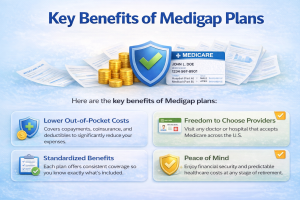
A critical aspect of Plan G is the consistency in coverage across different private health insurance companies. Unlike employer-based plans where benefits can vary, Medigap plans are standardized by the government, meaning Plan G offers the same benefits, no matter the provider. What differs is the cost, which varies by provider and may depend on factors such as age, location, and health status.

Given these factors, it’s advisable to carefully compare premiums and provider reviews while considering your specific healthcare needs and financial situation. This comparison can ensure that you’re selecting a plan that provides the necessary coverage without excessive financial burden.

In summary, understanding the nuances of Supplement Plan G against alternatives like Plan N and previously available Plan F is crucial for making an informed choice. By weighing coverage benefits, premiums, and potential out-of-pocket costs, you can determine which plan best aligns with your health care needs and financial preferences.

The structured, wide-ranging coverage of Plan G can be particularly beneficial for those prioritizing comprehensive benefits that shield against the unpredictability of medical expenses, making it a fitting choice for many seniors seeking security in their healthcare planning.

If you’re considering your options, enter your ZIP code on our site to compare Medicare plans tailored to your needs. Plus, call us for personalized assistance once our phone number is available , we’re here to help you navigate your Medicare choices confidently.

Costs Associated with Medicare Supplement Plan G

Understanding the costs of Medicare Supplement Plan G is vital for anyone considering this Medigap policy. As with any insurance, being aware of the monthly premiums and out-of-pocket expenses helps in making an informed decision that fits your budget. This includes how the plan aids in managing costs associated with Original Medicare. Let’s explore these aspects, ensuring you have a complete picture of what financial commitments are involved with Plan G.


Cost Type Details Coverage or Impact
Monthly Premiums Varies by provider and location Required for continuous coverage
Part B Deductible Not covered Paid out of pocket before plan benefits begin
Part A Deductible Covered by Plan G Reduced financial burden on hospitalization
Foreign Travel Emergency 80% coverage with a $250 annual deductible Mitigates costs during emergencies abroad
Excess Charges Covered by Plan G Prevents unexpected out-of-pocket expenses

This table presents a clear overview of the financial aspects and coverage benefits associated with Medicare Supplement Plan G, aiding in informed decision-making.

Monthly Premiums and Out-of-Pocket Costs

When exploring Medicare Supplement Plan G, one of the first considerations is the range of monthly premiums associated with the plan. These premiums can vary based on factors like your age, location, and the private health insurance company you select.

Each provider may offer different rates, making it crucial to compare costs across companies. While the benefits of Plan G are standardized, the premiums aren’t, which means shopping around can lead to significant savings.

The premiums for Plan G are generally reflective of the coverage it provides. Since Plan G covers many out-of-pocket costs such as Medicare Part A hospital coinsurance and hospice care coinsurance, you’re paying for the peace of mind that comes with knowing you’ll have fewer surprise expenses during medical emergencies. However, it’s important to balance monthly premiums with your overall healthcare use.

If you expect to need more healthcare services, the higher premium might offset the costs you’d otherwise pay with a less comprehensive plan.

Beyond premiums, Plan G requires you to pay the Medicare Part B deductible each year. As of 2023, this deductible is not covered by Plan G, which means it’s one of the costs you’d have to handle on your own. Additionally, although most out-of-pocket expenses are covered by Plan G, any medical services exclusive of Medicare rates might result in excess charges that Plan G only covers up to a point.

Another key factor is the potential for out-of-pocket costs if Plan G doesn’t fully cover certain medical services. These could come from non-Medicare-covered services like dental or vision, which Plan G typically doesn’t cover. For these kinds of services, considering additional policies or separate plans such as dental/vision/hearing insurance can be beneficial, ensuring your overall health needs are met without unexpected financial strain.

Given these nuances, it’s essential to understand both the premiums and potential out-of-pocket costs associated with Plan G. Having a clear picture allows you to budget effectively and prevents unexpected expenses from derailing your financial planning. By carefully assessing both premiums and potential additional costs, seniors can confidently select Plan G knowing it aligns with their healthcare needs and financial resources.

How Plan G Helps Pay for Original Medicare Costs

Medicare Supplement Plan G acts as a robust layer of financial protection by helping cover costs that Original Medicare doesn’t, effectively reducing unexpected medical expenses. This supplement plan ensures that many of the common costs like Part A deductibles and Part B coinsurance, which typically arise during hospital stays or outpatient doctor visits, are minimized.

Among its benefits, Plan G extends coverage to Part A hospital coinsurance and all hospital costs up to an additional 365 days after Medicare benefits are exhausted. This can be a considerable relief for those who may face prolonged hospital stays. Similarly, the plan covers Part B coinsurance or copayments concerning outpatient services, office visits, or preventive services, practically eliminating some of the immediate out-of-pocket costs.

Another advantage involves coverage for skilled nursing facility care coinsurance. For seniors requiring extended care in a skilled nursing facility, this can significantly impact the affordability of needed services, letting you focus on recovery rather than finances. Moreover, Plan G provides coverage for emergency healthcare during foreign travel, offering up to 80% of the expenses involved, a feature that Original Medicare typically doesn’t cover.

Additionally, Plan G offers financial coverage for the first three pints of blood per year if medical situations require transfusions, filling the gap left by Original Medicare. Also, this plan includes coverage for Medicare Part B excess charges, the difference doctors might charge above the Medicare-approved amount. This can be a lifesaver for seniors who frequently visit specialists charging above standard rates.

By covering these gaps, Plan G not only minimizes personal payment responsibilities but also simplifies the process of planning for unexpected medical events, providing peace of mind. Seniors choosing Plan G benefit from a predictable, comprehensive coverage strategy that alleviates many of the financial stresses associated with healthcare expenses. The coverage structure is designed to make healthcare more manageable, embodying security and stability in otherwise unpredictable situations.

In essence, Plan G’s comprehensive coverage makes it an attractive option for those seeking to minimize financial surprises in their healthcare journey. By comparing Plan G with what Original Medicare covers, seniors can align their insurance choices with their specific health needs, ensuring that they remain financially secure without sacrificing the quality of their healthcare.

If you’re considering your options, enter your ZIP code on our site to compare Medicare plans tailored to your needs. Plus, call us for personalized assistance once our phone number is available. We’re here to help you navigate your Medicare choices confidently.

Find & Compare Plans Online

Speak with a licensed insurance agent

1-855-398-0716TTY 711

Mon-Fri: 8am-9pm ET

Eligibility and Enrollment for Supplement Plan G

Medicare Supplement Plan G offers a viable way to enhance Original Medicare by covering many of the gaps left by Parts A and B. However, before you dive into enjoying these benefits, understanding the eligibility criteria and right enrollment period is crucial. Your eligibility for Medigap plans like Plan G is typically tied to your Medicare Part A and Part B status, while timing your enrollment right can influence availability and cost.

We’ll walk you through the essentials of when to enroll, alongside the fundamental eligibility requirements for Medigap Plan G. Let’s ensure you make the most informed decision for your healthcare needs.

When to Enroll in a Medicare Supplement Plan

Knowing when to enroll in a Medicare Supplement Plan, such as Plan G, can significantly affect your coverage and costs. The best time to purchase a Medigap policy is during your Medigap Open Enrollment Period. This period begins the month you turn 65 and enroll in Medicare Part B.

It lasts for six months, offering a guaranteed issue right. This means you can buy any Medigap policy sold in your state, regardless of your health status.

Enrolling during this period is advantageous because insurers cannot charge higher premiums due to existing health conditions. Waiting to enroll outside this window might lead to higher costs or even denied coverage due to health issues. However, keep in mind that if you delay enrolling in Medicare Part B, your Medigap enrollment period will be postponed until Part B coverage is in place.

If you’re currently employed and have health insurance through an employer, you might consider delaying Part B enrollment. However, once this coverage ends, you’ll need to enroll in Medicare Part A and B immediately to avoid a potential penalty.

For those who miss the open enrollment opportunity, another option is special enrollment periods under certain conditions. For example, if you lose your job-based health insurance, you may still be able to acquire a Medigap policy without facing penalties or being denied due to health issues. Having clarity on your personal health insurance situation and the rules around enrollment can prevent unexpected surprises.

Furthermore, while Medigap insurance plans, including Plan G, are standardized nationwide, the availability and cost can vary based on your location and the chosen provider. It’s essential to compare policies from various private health insurance companies to find a plan that matches your needs and budget.

Utilizing a comparison tool can help identify the best options tailored to your situation, ensuring financial stability and peace of mind. Remember, this decision affects your healthcare journey, so taking the time to research can lead to more informed choices.

Eligibility Requirements for Medigap Plan G

To qualify for Medigap Plan G, you must first be enrolled in both Medicare Part A and Part B. This eligibility is essential because Medigap plans, like Plan G, are designed to complement Original Medicare by covering out-of-pocket costs such as copayments, coinsurance, and deductibles. Ensuring you’re properly enrolled in these parts of Medicare is the starting point for acquiring your Medigap policy.

A significant requirement for Medigap eligibility is age. Generally, you need to be 65 or older, although some states offer Medigap plans to individuals under 65, typically if they’re eligible due to a disability or specific conditions like end-stage renal disease. While younger enrollees can be covered, they might encounter higher premiums.

Apart from age, your enrollment status in Medicare Part A and Part B dictates your eligibility. Part A typically covers hospital services, and Part B includes outpatient services like doctor visits. Once enrolled, exploring the array of Medigap plans becomes an option.

You’ll find that Medigap policies are standardized, meaning Plan G provides the same coverage from all insurers. However, what may differ is the premium costs, which are influenced by location, age, and the insurance company.

When evaluating eligibility, it’s also important to consider pre-existing conditions. During the six-month Medigap Open Enrollment Period linked to your Part B starting date, you’re entitled to a policy without regard to health conditions. Post this period, insurers may factor in these conditions, potentially influencing your eligibility or the premiums charged.

Additionally, those who qualify for Medicaid cannot simultaneously hold a Medigap policy. Medicaid serves as comprehensive health coverage, and possessing both types of coverage is generally not permitted. However, if you’re considering transitioning from Medicaid to Medigap due to income changes, it’s crucial to strategize this switch effectively.

In summary, securing your Medigap Plan G involves confirming eligibility through Medicare enrollment, considering age criteria, and taking advantage of favorable enrollment periods to achieve the best coverage at manageable costs. Understanding these factors guides you towards a smooth, informed selection, enhancing your healthcare coverage without unnecessary complications or financial strain.

Additional Considerations for Seniors

Additional Considerations for Seniors

When examining Medicare Supplement Plan G, it’s vital to consider various factors beyond just coverage details. Seniors must evaluate how Plan G compares with other insurance plans, particularly with Medicare Part B and the variety of Medigap policies available. Understanding these distinctions ensures comprehensive coverage and cost-effective insurance decisions.

By grasping these additional considerations, seniors can better position themselves to choose the most suitable plan for their needs, achieving financial stability and comprehensive protection against unexpected medical expenses.

Comparing Plan G with Medicare Part B Cover and Other Options

Comparing Medicare Supplement Plan G with Medicare Part B and other Medigap options can be enlightening. Each of these offerings covers different aspects of medical care, but together, they can provide a well-rounded healthcare solution.

First off, it’s important to recognize that Medicare Part B is integral to Original Medicare, covering outpatient services, doctor visits, and preventive care, albeit with cost-sharing responsibilities like premiums and deductibles. However, these costs can add up, especially with frequent medical appointments or ongoing treatments.

Plan G serves as a supplementary plan, bridging the gap for numerous out-of-pocket expenses left by Part B. One key feature is that while Plan B includes deductibles and copayments, Plan G helps cover these costs by offering coverage for coinsurance and copays after the Part B deductible has been met. This means that, apart from the annual Medicare Part B deductible, Plan G pays the remaining costs, significantly reducing financial burdens associated with routine and unexpected healthcare needs.

When weighing Plan G against other Medigap policy options, like Plan N for example, seniors should be mindful of how these plans handle out-of-pocket expenses differently. Plan N may have smaller premiums but comes with more copayment obligations for doctor visits and emergency rooms, as well as not covering Part B excess charges, unlike Plan G. This is where a comprehensive understanding of each plan’s benefits can facilitate an informed decision, ensuring that financial or medical needs aren’t compromised.

Another alternative for consecutive cost management is the inclusion of insurance plans, like dental or vision coverage, which Medicare and Plan G don’t typically cover. For seniors with specific health care needs, such integration could be essential to form a complete coverage strategy. Also, those who qualify for Medicaid can combine it with a Medigap plan, obtaining extensive care coverage under dual eligibility.

Furthermore, a considerable aspect to consider is the lifelong effects of the approval process with insurance providers. For example, applying during the favorable window of enrollment can secure better premiums for life, leveraging rules that restrict cost increase based on health evaluations during this period.

But overriding health assessments after this period implies the risk of being charged more due to pre-existing medical conditions. An early and informed enrollment decision positions seniors to use these Medigap advantages wisely, maximizing benefits while effectively managing associated costs.

Ultimately, when comparing Plan G to Medicare Part B and other insurance options, the goal should be seamless coverage that minimizes unexpected expenses. By aligning with a plan that best matches their health profile and financial capacity, seniors can embrace an optimized and hassle-free healthcare experience. Investigating these factors thoroughly empowers seniors to make informed and decisive choices, providing peace of mind and security in their healthcare journey.

If you’re considering your options, enter your ZIP code on our site to compare Medicare plans tailored to your needs. Plus, call us for personalized assistance once our phone number is available. We’re here to help you navigate your Medicare choices confidently.

Comparing Medicare Supplement Plan G options can feel challenging, but you’re not alone in this journey. Get started by entering your ZIP code on our site to explore and compare available plans in your area.

Remember, personalized help will soon be available by phone, ensuring you have all the support you need to make an informed decision that suits your healthcare needs. Take the next step towards more peace of mind with Medicare coverage.


Compare plans and enroll online

Frequently Asked Questions

What is Medicare Supplement Plan G?

Medicare Supplement Plan G is a Medigap policy designed to fill the gaps in Original Medicare Parts A and B. It helps cover expenses like deductibles, copayments, and coinsurance, offering comprehensive coverage to reduce out-of-pocket costs.

How does Plan G compare to Plan F and Plan N?

Plan G is similar to Plan F but does not cover the Part B deductible. While Plan F is no longer available for new enrollees after 2020, Plan G remains the most comprehensive option. Compared to Plan N, Plan G covers Part B excess charges without copays for doctor visits or emergency visits.

What costs are associated with Medicare Supplement Plan G?

Plan G requires a monthly premium, which varies by provider, and the Part B deductible, paid out-of-pocket. Premiums depend on factors like age, location, and insurer, so comparing rates is beneficial.

When should I enroll in Plan G for optimal benefits?

The best time to enroll in Plan G is during your Medigap Open Enrollment Period, which starts the month you turn 65 and have Part B. Enrolling during this time can result in more favorable premiums.

Is Medicare Supplement Plan G right for me?

Plan G is a solid choice for those seeking extensive coverage to minimize unexpected medical costs. By assessing your health care needs, budget, and comparing Plan G with other options, you can determine if it complements your Medicare coverage effectively.

Have Questions?

Speak with a licensed insurance agent

1-855-398-0716

TTY users 711

Mon-Fri: 8am-9pm ET

Find & Compare Plans Online

Speak with a licensed insurance agent

1-855-398-0716TTY 711

Mon-Fri: 8am-9pm ET

ZRN Health & Financial Services, LLC, a Texas limited liability company