Speak with a licensed insurance agent

1-855-398-0716

TTY user 711 Mon-Fri : 8am-9pm EST

Medicare vs Medicare Advantage Plans 2027

As you approach the year 2027, understanding your Medicare options becomes increasingly crucial. Navigating the distinction between Original Medicare and Medicare Advantage Plans 2027 can seem daunting, but grasping the essentials can empower you to make informed decisions about your healthcare coverage.

This comprehensive guide will explore the fundamental differences, benefits, and considerations of each option, helping retirees, pre-Medicare adults, and caregivers to evaluate which plan aligns best with their needs and financial situation. By gaining insights into these plans, you can better prepare for your healthcare journey ahead.

Key Highlights

  • Original Medicare includes Part A (hospital) and Part B (medical) but excludes prescription drugs and certain services.
  • Medicare Advantage offers bundled coverage with additional benefits not typically covered by Original Medicare.
  • Hospital indemnity insurance provides fixed cash benefits for hospital stays, easing financial strain on seniors.
  • Choosing between Medicare and Advantage plans involves assessing healthcare needs, costs, and lifestyle preferences.
  • Medicare Advantage plans in 2027 will emphasize integrated care models and increased telehealth services.

Compare plans and enroll online

Understanding Medicare and Its Core Components

Medicare and Medicare Advantage plans are pivotal for seniors navigating the complex healthcare landscape. Understanding how Medicare’s core components work can make a significant difference in your healthcare choices. Original Medicare, comprising Part A and Part B, offers foundational hospital and medical coverage.

Grasping these basics is crucial as you explore the potential benefits that Medicare offers, including essential health coverage options and specialist care. These insights play a critical role in evaluating Medicare Advantage as an alternative, helping you make informed decisions about managing healthcare costs and supplemental insurance plans like hospital indemnity insurance.

What is Original Medicare?

Original Medicare serves as the cornerstone of Medicare coverage, consisting of two primary parts: Part A and Part B. Part A is known as hospital insurance, covering inpatient care in hospitals, skilled nursing facilities, hospice care, and some home health care. While most beneficiaries receive Part A without a premium, it’s essential to understand potential costs for deductibles and coinsurance.

Part B, or medical insurance, covers outpatient care, doctor services, and preventive services. Enrollment in Part B requires a monthly premium, but it provides access to a wide network of doctors and specialists, significantly broadening healthcare access for seniors.

Medicare’s original form is structured to offer a basic level of coverage, ensuring seniors have access to necessary medical services. However, it is important to highlight that Original Medicare does not cover everything. For instance, it doesn’t typically cover prescription drugs, vision, dental care, or hearing aids, which calls for additional plans or coverage options.

This limitation is where Medicare Part D or Medicare Advantage plans can supplement original coverage for comprehensive protection. Deciding on additional coverage often involves considering individual health needs and financial situations. Understanding how these parts interact allows for more informed decisions about healthcare planning. Medicare Advantage plans’ costs vary by area, such as New York State in 2027 or Medicare Advantage plans in Hawaii 2027, so make sure to check your location.

Beneficiaries of Original Medicare can freely choose from a broad range of medical professionals and hospitals that accept Medicare. This flexibility is beneficial, especially for those who frequently travel or live in areas where certain specialists or services are limited. However, it’s still crucial to manage out-of-pocket costs since Original Medicare does not have an out-of-pocket limit like Medicare Advantage plans.

Thus, supplemental options like Medigap, which helps cover deductibles and coinsurance, become an essential part of a comprehensive healthcare strategy. Establishing a thorough understanding of Original Medicare’s components provides a solid foundation when considering the broader spectrum of Medicare and Medicare Advantage plans.

Comparing Medicare Advantage and Original Medicare

Benefits of Medicare Coverage

The benefits of Medicare coverage are extensive, especially when considering the wide array of services it provides to safeguard the health and financial stability of seniors. Original Medicare offers a reliable safety net for hospital and medical expenses, ensuring that healthcare is accessible to those over 65 or with certain disabilities. One of the significant advantages is its predictable cost structure for covered services, which makes budgeting for healthcare expenses more manageable.

The flexibility to choose any doctor or healthcare provider that accepts Medicare without needing a referral is another key benefit, offering peace of mind to beneficiaries seeking comprehensive care.

Medicare’s emphasis on preventive services cannot be overlooked. Regular screenings and wellness visits that come at no cost under Medicare Part B play a crucial role in early detection and management of potential health issues. The inclusion of preventive services like flu shots, cancer screenings, and diabetes management programs, without any coinsurance or deductibles, supports better long-term health outcomes.

This proactive approach encourages beneficiaries to take charge of their health, ultimately reducing the need for more extensive medical care down the line.

While Original Medicare offers a solid foundation, it’s worth considering how additional coverage options can enhance benefits. Medicare beneficiaries often explore Medicare Advantage plans for additional features like prescription drug coverage and vision or dental benefits. These plans can offer comprehensive healthcare solutions with an included out-of-pocket maximum, providing financial predictability and support.

Hospital indemnity insurance plans also serve as valuable supplements, covering costs that might otherwise lead to significant financial strain due to hospital stays or critical illnesses.

Ultimately, the choices made in Medicare coverage, whether sticking to Original Medicare or opting for enhanced options, should reflect the individual’s healthcare needs and financial situation. Navigating Medicare’s complex landscape requires careful consideration of how each part of Medicare serves its beneficiaries, ensuring that the right balance of coverage, cost, and convenience is achieved. By staying informed, beneficiaries can leverage Medicare to its fullest potential, securing quality healthcare that aligns with their lifestyle and expectations.

Comparing Medicare Advantage and Original Medicare

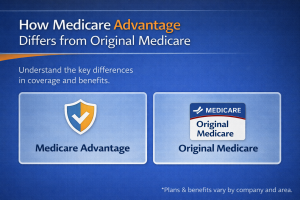
In the complex world of Medicare, choosing between Original Medicare and Medicare Advantage plans is a significant decision for seniors and caregivers. Each offers distinct benefits depending on your healthcare needs and lifestyle preferences. Original Medicare provides a straightforward structure with Parts A and B, while Medicare Advantage, also known as Part C, bundles services often including additional benefits.

Understanding the key differences helps Medicare beneficiaries navigate options more effectively, ensuring they select coverage that aligns with their health and budget requirements.

Key Differences Between Medicare and Medicare Advantage

The fundamental differences between Original Medicare and Medicare Advantage lie in their structure, coverage options, and flexibility. Original Medicare, consisting of Part A and Part B, serves as the traditional health insurance offering. It provides hospital and medical coverage, but does not include additional health services like vision, hearing, or dental care.

Instead, beneficiaries purchase separate plans such as Medigap for supplementary coverage or Medicare Part D for prescription drugs. This separation allows individuals to customize their health insurance to match specific needs, but can also lead to fragmented management of healthcare services and potential gaps in coverage.

In contrast, Medicare Advantage plans serve as an all-inclusive alternative that often bundles Medicare Parts A, B, and D, along with extra benefits that Original Medicare typically doesn’t cover. These advantage plans are offered by private insurance companies approved by Medicare, allowing for more comprehensive coverage in one unified plan. One attractive feature of Medicare Advantage is the built-in limits on out-of-pocket costs, protecting individuals from high healthcare expenses.

However, subscribers might face network restrictions, meaning they must use physicians and hospitals within the plan’s network or face increased costs for out-of-network services.

Another major difference is how care is managed. Original Medicare beneficiaries enjoy considerable freedom in choosing healthcare providers nationwide as long as they accept Medicare. This flexibility can be particularly beneficial for those who travel frequently or have specific specialist needs. On the other hand, Medicare Advantage plans often require referrals for specialist visits and enforce network restrictions, which can limit provider choices.

However, within these networks, beneficiaries may find integrated care delivery systems that streamline coordination among healthcare providers, potentially enhancing care quality.

When considering Medicare Advantage and Original Medicare, it’s essential to evaluate how each aligns with personal healthcare needs and preferences. Those valuing broad access to medical providers and straightforward fee-for-service billing might prefer Original Medicare, supplemented with Medigap and Part D.

Conversely, individuals prioritizing comprehensive coverage and predictable out-of-pocket costs might find Medicare Advantage an appealing option. Understanding these key differences aids beneficiaries in tailoring their Medicare choice to their unique health conditions and financial situation, ensuring they receive the most beneficial coverage.

How Advantage Plans Fit into the Medicare Landscape

Medicare Advantage plans have steadily grown in popularity, particularly because of their comprehensive approach to healthcare coverage. These plans are a part of a diversified strategy aimed at providing beneficiaries with alternatives that meet varied medical needs and preferences. By integrating services that include hospital, medical, and often drug coverage into a single plan, Medicare Advantage simplifies the healthcare experience for many seniors.

This convenience is a major draw for those seeking one-stop shopping for their health coverage needs, mitigating the need for managing multiple separate plans as required with Original Medicare.

Medicare Advantage plans often include additional benefits that aren’t provided under Original Medicare, like dental, vision, or wellness programs. These extra features can significantly enhance the quality and continuity of care. For instance, coverage for routine dental care can prevent more serious health issues, while vision benefits ensure regular eye care that can detect underlying health conditions early.

Additionally, the wellness programs encourage a proactive approach to health management, focusing on preventive care and lifestyle management to improve long-term outcomes.

These advantage plans are not just about expanded coverage options but also play a versatile role in cost management. With a structure that typically involves fixed co-pays for services and an annual out-of-pocket maximum, Medicare Advantage provides a layer of financial predictability. This control over expenses can be particularly beneficial for individuals on a fixed income, allowing them to plan their financial future with more certainty.

However, understanding the network restrictions and service area limitations is critical when selecting a suitable Advantage plan to ensure it fits geographical and personal healthcare preferences.

Medicare Advantage plans represent a forward-thinking approach in the evolving Medicare landscape. As healthcare needs become more complex, comprehensive choices like Advantage plans provide beneficiaries with integrated solutions that can lead to enhanced care coordination and overall satisfaction. For those considering these plans, assessing individual health requirements, preferred providers, and lifestyle needs will be crucial to maximizing the benefits they can offer.

Engaging with Medicare Advantage is about balancing aspirations of comprehensive coverage and financial peace of mind with the practical aspects of healthcare access and provider flexibility.

Find & Compare Plans Online

Speak with a licensed insurance agent

1-855-398-0716TTY 711

Mon-Fri: 8am-9pm ET

Insights into Medicare Advantage Plans 2027

Navigating the ever-evolving landscape of Medicare Advantage Plans can significantly influence your healthcare strategy for 2027. Changes in these plans often reflect broader healthcare trends, offering Medicare enrollees new opportunities and challenges. For those looking into 2027, understanding new developments, eligibility requirements, and the enrollment process is critical.

This knowledge empowers you to adapt to changing needs and maximize benefits. Additionally, comprehending these adaptations helps plan beneficiaries compare with Medicare’s core models and supplemental options, ensuring a comprehensive healthcare outlook.

What's New for Medicare Advantage in 2027?

As we approach 2027, Medicare Advantage plans are poised to incorporate several key updates that cater to the dynamic healthcare landscape and increasingly sophisticated demands of Medicare beneficiaries. One of the standout changes will be a stronger emphasis on integrated care models. These models are designed to provide enhanced coordination among healthcare providers, thus streamlining care delivery and improving health outcomes.

This shift stems from a growing recognition that holistic care can lead to decreased medical errors and improved patient satisfaction. In 2027, enrollees can expect increased access to telehealth services, digital health solutions, and innovative care approaches, especially in managing chronic conditions effectively.

In addition to integrated care, Medicare Advantage plans in 2027 are likely to introduce expanded coverage options that go beyond traditional healthcare services. This includes increased benefits for social health determinants, like transportation and meal services, which can play a crucial role in a person’s overall wellness.

These additions reflect a broader movement towards addressing social factors that impact health outcomes, acknowledging that healthcare extends beyond just medical treatment to encompass a wide range of supportive services. For seniors and caregivers, this means a more comprehensive approach to managing health and life’s challenges is on the horizon.

Healthcare cost transparency is another anticipated enhancement that Medicare enrollees might find beneficial. Medicare Advantage plans in 2027 are set to improve tools that help beneficiaries better understand out-of-pocket costs and co-payment obligations associated with various services. By making this information more readily available, plans aim to foster informed decision-making, enabling seniors to select plans that align closely with their healthcare needs and budget constraints.

This transparency could extend to innovative pricing models that allow for more predictable healthcare expenditure, a vital feature for those managing fixed incomes.

Ultimately, what’s driving these advancements is an overarching goal to enhance the value offered by Medicare Advantage plans. As these plans continue evolving, seniors should remain informed about policy shifts and emerging benefits to make the most educated choice regarding their healthcare in 2027. The evolving landscape not only represents enhanced care and service delivery but also signifies an invitation to explore comprehensive coverage that aligns with individual health objectives.

By staying updated on these developments, beneficiaries can position themselves to fully benefit from the rich array of options that Medicare Advantage plans in 2027 will deliver.

Eligibility and Enrollment Processes for 2027

Understanding the eligibility and enrollment processes for Medicare Advantage plans in 2027 is paramount for those looking to make informed healthcare decisions. As of 2027, the eligibility criteria remain closely aligned with previous years, generally targeting individuals who are eligible for Medicare Part A and Part B. This mainly includes those aged 65 and older, as well as younger individuals with certain disabilities or specific health conditions.

However, it’s essential to pay attention to any nuanced changes that may have been introduced to cater to specific health care needs or populations, ensuring that all potential enrollees are aware of their options.

The enrollment periods for Medicare Advantage remain crucial windows for beneficiaries to make changes to their coverage. For 2027, the initial enrollment period (IEP), occurring around one’s 65th birthday, and the annual open enrollment period, from October 15th to December 7th, are critical opportunities for joining or switching plans. During these times, eligible participants can compare various Medicare plans, considering their coverage details, costs, and provider networks.

Thorough understanding and timely action during these periods ensure individuals maximize their Medicare choices, facilitating better healthcare management and coverage satisfaction.

Outside these windows, there are certain scenarios , known as Special Enrollment Periods (SEPs) , that allow changes under specific circumstances, such as moving out of a plan’s service area or experiencing other life changes. Recognizing the eligibility for SEPs in 2027 is vital, providing the necessary flexibility that beneficiaries might require to adapt their healthcare strategy to unexpected life developments. This flexibility is a significant component of managing a dynamic, effective healthcare plan.

The process of enrolling in or changing a Medicare Advantage plan in 2027 is expected to further utilize digital platforms, making it more accessible and streamlined. The increased reliance on digital enrollment aids individuals in exploring and selecting options more efficiently. Access to detailed plan comparisons, cost calculators, and provider network information online simplifies decision-making, ensuring seniors and caregivers can tailor Medicare plans to their specific healthcare landscapes.

As Medicare Advantage plans continue to develop and adjust, staying informed about eligibility and enrollment specifics becomes a critical component of healthcare planning. Whether it’s adjusting to a new healthcare need or simply aiming to optimize existing benefits, being proactive about these crucial aspects of Medicare Advantage can lead to better, more personalized healthcare outcomes in 2027. Establishing a solid understanding of these elements will help position beneficiaries for successful, confident healthcare planning and management.


Feature Description Impact on Beneficiaries Implementation Year
New Benefits Additional services such as wellness programs and telehealth. Improved access to healthcare services. 2027
Cost Adjustments Changes in premium and out-of-pocket costs. Potential for different financial planning needs. 2027
Provider Options Expansion of network providers. More choices for beneficiaries in selecting healthcare providers. 2027
Plan Flexibility Increased options for plan customization. Greater ability to tailor plans to individual needs. 2027

This table encapsulates key changes and updates in the Medicare Advantage Plans set for implementation in 2027, emphasizing new benefits, cost implications, provider options, and plan flexibility.


Hospital Indemnity Insurance Explained

As Medicare continues to evolve, understanding supplemental options like hospital indemnity insurance is crucial for seniors and caregivers seeking financial protection. Hospital indemnity insurance is designed to provide fixed cash benefits that can offset out-of-pocket costs not covered by traditional Medicare plans. By delving into how these indemnity plans interact with both Original Medicare and Medicare Advantage, individuals can better align their healthcare strategies with their personal needs and financial situations, ensuring a comprehensive approach to managing potential hospital expenses.

The Role of Indemnity Plans in Supplementing Medicare

Hospital indemnity insurance serves as a pivotal supplement to Original Medicare, offering financial reassurance by covering costs that Medicare may not. Unlike traditional insurance, indemnity plans provide a fixed cash benefit for each hospital visit or specific event covered under the plan. This structure empowers beneficiaries to use the funds however they see fit, whether for deductibles, coinsurance, or non-medical expenses that arise due to hospitalization, such as travel or daily living needs.

Given Medicare’s gaps, especially in covering prolonged hospital stays or specialty treatments, these plans can be invaluable to those managing chronic conditions or unexpected medical emergencies.

Medicare’s Original plan covers inpatient care but leaves potential financial gaps with deductibles and copayments. Beneficiaries may not realize until they face mounting costs how quickly these expenses accumulate. Indemnity plans address this by providing direct cash to the insured, allowing flexibility in addressing looming bills or even auxiliary needs like quality home recovery services, which original Medicare does not cover.

This flexibility is especially beneficial for seniors on fixed incomes, offering a sense of control and financial predictability amid health uncertainties.

Integrating hospital indemnity insurance with your existing Original Medicare plan doesn’t mean a change in how medical services are received. It simply enhances financial security. While Medigap often focuses on deductibles and copayments, indemnity plans focus on comprehensive coverage enhancement by addressing hospitalization-related costs.

This attribute makes indemnity plans an attractive option for those wanting additional layers of hospital coverage without altering their existing provider networks or requiring referrals.

For pre-Medicare adults and retirees exploring healthcare options, understanding how indemnity plans mesh with Original Medicare is paramount. These plans not only augment the financial aspect of hospitalization but also ensure broader strategic health management. By examining how indemnity plans supplement Medicare, beneficiaries get insight into eliminating the worry of unaffordable healthcare crises, thereby maintaining peace of mind and focusing more on recovery instead of finances.

Thorough consideration and understanding of this supplement can substantially alleviate the financial strains traditionally associated with hospital visits under Original Medicare.

How Indemnity Plans Can Complement Medicare Advantage

Indemnity plans aren’t just supplemental to Original Medicare; they can significantly enhance Medicare Advantage coverage as well. Medicare Advantage plans, the private insurance alternative to Original Medicare, may offer a variety of extra benefits. However, even these comprehensive plans can leave gaps in out-of-pocket expenses, especially for hospital stays or specialized care not completely covered by insurance variables.

Hospital indemnity insurance steps in to bridge these gaps, providing critical financial support when enrollees face unexpected hospitalizations.

Medicare Advantage plans often integrate services like dental and vision care, prescription drugs, and even wellness programs. Despite these expansions, unexpected hospital visits or extended stays can still result in unexpected out-of-pocket costs that challenge an individual’s financial plans. Indemnity plans can address these challenges by offering daily cash benefits for hospital confinements that align well with the limits put forth by advantage plans, thereby ensuring comprehensive financial preparation against the unforeseen.

The versatility of indemnity plans means that beneficiaries are not restricted by network limitations common to many Medicare Advantage plans. While advantage plans might require staying within a specified network or obtaining referrals for certain services, indemnity plans can support any hospital visit regardless of network constraints. This characteristic promotes flexibility and assurance that financial resources will be available, whether hospitalization occurs in-network or as an emergency albeit somewhere else.

In considering hospital indemnity insurance within a Medicare Advantage framework, beneficiaries equip themselves with a strategic advantage in health management by essentially creating a buffer against the financial impact of hospital care. This blend of coverage supports proactive planning, providing an added layer of assurance that healthcare expenses won’t deplete savings or impose a financial burden. Engaging with indemnity insurance alongside Medicare Advantage allows individuals to focus more on their recovery and less on the logistics of cost management.

Choosing to include indemnity plans as part of your comprehensive healthcare approach reflects a forward-thinking strategy. It acknowledges that health can be unpredictable and that insurance shouldn’t just be about covering services but also supporting financial stability and peace of mind. This approach ensures you remain well-prepared for eventualities, protecting both health and finances in a landscape where ready access to resources can enhance both quality of care and quality of life.

What to Consider When Choosing a Medicare Plan

What to Consider When Choosing a Medicare Plan

Deciding on the right Medicare plan involves understanding various factors that can significantly impact your healthcare and finances. While Original Medicare and Medicare Advantage plans each offer unique benefits, selecting the best option requires a thorough evaluation of personal health needs, lifestyle, and budget. It is essential to consider factors such as coverage options, costs, and services, as well as potential travel plans.

This deliberation ensures that you choose a Medicare plan aligned with your healthcare needs and financial capacity, maximizing both care efficiency and peace of mind.

Factors Affecting Your Medicare Plan Selection

When selecting a Medicare plan, several critical factors must be considered to ensure it meets your needs. First, assess how each plan complements your current health status and projected healthcare needs. If you have chronic conditions or specific medical requirements, the availability of coverage for related services is paramount.

Evaluate how various Medicare options handle prescription drug coverage, essential for managing health and medication costs. The Original Medicare’s Part D or a Medicare Advantage plan with included drug coverage may offer distinct benefits for different medication needs.

Moreover, understanding the costs involved is crucial. Different Medicare options have varying premium and deductible structures that can influence your monthly and annual expenses. Evaluating the payment models for each plan, including any out-of-pocket costs, is vital for planning your healthcare budget. Consider how these align with your income and other financial obligations.

Keep in mind that some plans might have lower premiums but higher out-of-pocket expenses or vice versa, and finding the right balance can prevent unexpected financial strain.

Your lifestyle habits and preferences should also guide your Medicare plan choice. Medicare Advantage plans, for instance, may offer additional benefits such as dental, vision, or wellness programs, which can be beneficial if you prioritize comprehensive healthcare. However, these plans often require using network providers, which might be limiting if you value flexibility in choosing healthcare professionals. Alternatively, Original Medicare offers greater choice of providers but lacks extra benefits, necessitating additional plans like Medigap for full coverage.

Another aspect to consider is the enrollment logistics. Understanding the enrollment timeline and requirements for Medicare plans enables you to seamlessly transition into the right coverage. Missing critical enrollment periods can result in delayed coverage and penalties. Making informed decisions about these aspects helps ensure that your Medicare plan supports your healthcare goals, providing security and confidence in managing your health journey effectively.

Planning for Foreign Travel with Medicare

Planning for foreign travel as a Medicare enrollee requires a nuanced understanding of how Medicare plans cover healthcare services overseas. It’s crucial first to know that Original Medicare generally does not provide coverage for medical services obtained outside the United States. As such, considering supplemental coverage options to fill this gap is vital if you plan to travel frequently. Medicare Advantage plans may offer some coverage for urgent care during international travel, but details vary significantly across different plans.

For those who travel abroad frequently or have international travel on the horizon, a careful review of how travel healthcare needs align with their Medicare plan is critical. Research the extent of out-of-country coverage for emergencies or routine care under your plan.

If your coverage is limited, you might want to explore additional travel insurance options that specifically cater to medical expenses incurred abroad. This ensures you are not left with high out-of-pocket costs due to unforeseen medical emergencies in foreign lands.

Considering travel plans when choosing a Medicare plan is particularly relevant for retirees or seniors looking to enjoy leisure travel. It’s beneficial to check if the chosen Medicare plan offers foreign travel flexibility, perhaps through additional riders or specific benefits under Medicare Advantage. Some Advantage plans might have partnerships with international healthcare providers or offer premium benefits that can be activated when traveling, providing more security and convenience during your trips.

Finally, consult with your healthcare provider or a Medicare advisor to understand how international travel might affect your health coverage needs. Preparing for trips abroad involves more than just packing a suitcase; it requires a strategic approach to healthcare planning to ensure you have sufficient coverage wherever you are. By incorporating travel considerations into your Medicare decision-making process, you ensure a seamless healthcare experience at home and abroad, enhancing your travel enjoyment and peace of mind.

In navigating the choices between Medicare and Medicare Advantage Plans, it’s important to consider your health needs and preferences. Understanding both the coverage offered and any associated costs can guide you in selecting the plan that aligns with your medical requirements. As you explore your options, remember that each plan can offer different benefits, and staying informed will empower you in making a decision that supports your health and wellbeing.

Compare plans and enroll online

Frequently Asked Questions

What are the key differences between Original Medicare and Medicare Advantage Plans?

Original Medicare includes Part A (hospital) and Part B (medical) coverage, and typically excludes prescription drugs and additional services like vision or dental. Medicare Advantage Plans bundle coverage, often including prescription drugs and other benefits. The primary differences lie in structure, additional benefits, cost, and flexibility of provider choice.

What does Hospital Indemnity Insurance cover and how does it complement Medicare plans?

Hospital Indemnity Insurance provides fixed cash benefits for hospital stays. It serves to cover costs that Medicare may not, such as deductibles, coinsurance, or other expenses associated with hospitalization. This insurance can function as a complement to both Original Medicare and Medicare Advantage plans, providing an added layer of financial protection.

What are the enrollment periods for Medicare Advantage Plans in 2027?

For 2027, the key enrollment periods include the Initial Enrollment Period (around one’s 65th birthday) and the Annual Open Enrollment Period from October 15th to December 7th. Special Enrollment Periods may also apply in specific life circumstances, allowing changes outside the standard windows.

How will Medicare Advantage Plans change by 2027?

Medicare Advantage Plans in 2027 are expected to offer integrated care models, increased telehealth services, and expanded coverage for social health determinants like transportation and meals. These updates aim to improve care coordination and address broader health needs beyond traditional medical services.

How does travelling abroad affect my Medicare coverage?

Original Medicare generally does not cover healthcare services outside of the U.S. Some Medicare Advantage Plans may offer limited coverage for urgent care during international travel. If you travel frequently, consider additional travel insurance to cover potential out-of-country medical expenses.

Have Questions?

Speak with a licensed insurance agent

1-855-398-0716

TTY users 711

Mon-Fri: 8am-9pm ET

Find & Compare Plans Online

Speak with a licensed insurance agent

1-855-398-0716TTY 711

Mon-Fri: 8am-9pm ET

ZRN Health & Financial Services, LLC, a Texas limited liability company