Speak with a licensed insurance agent

1-855-398-0716

TTY user 711 Mon-Fri : 8am-9pm EST

Medigap Plans 2027

Medigap plans, also known as Medicare Supplement Insurance, help seniors manage out-of-pocket healthcare costs that Original Medicare leaves behind.

While Medicare Part A and Part B provide the core foundation for hospital and medical coverage, they do not cover all expenses.

Seniors are responsible for deductibles, copayments, coinsurance, and other cost-sharing amounts that may add up quickly during a year with frequent medical care.

Medigap plans are designed to reduce those expenses and create a more predictable healthcare budget.

These plans are offered by private insurers but are regulated by federal law, meaning each lettered Medigap plan provides the same standardized benefits no matter which company sells it.

This structure allows seniors to compare plans with clarity and focus on finding the right balance of coverage, cost, and customer support. Medigap works only with Original Medicare and cannot be combined with Medicare Advantage.

It remains a popular choice among seniors who value provider freedom, predictable bills, and nationwide acceptance of their coverage.

If you want strong control over your healthcare costs and the ability to visit any doctor or hospital that accepts Medicare, Medigap can be a dependable and flexible solution.

Understanding how Medigap plans work and how they differ can help you select coverage with confidence.

Compare plans and enroll online

How Medigap Insurance Plans Work with Original Medicare

Medigap plans pay after Medicare pays its share. When you receive care, Medicare Part A or Part B covers its portion first, and then your Medigap plan helps pay some or all of the remaining costs, depending on the plan you choose.

This structure gives seniors a clearer picture of their annual spending and reduces the financial uncertainty that often comes with hospital stays or ongoing medical treatment.

Original Medicare does not include a yearly out-of-pocket maximum, so seniors without supplemental coverage may face significant expenses during a serious illness.

Medigap plans help reduce that risk. While Medigap does not include prescription drug coverage, it allows seniors to pair their policy with a standalone Part D plan to handle medication needs.

Medigap plans maintain the nationwide flexibility of Medicare. If a doctor accepts Medicare, your Medigap plan will work there as well.

This aspect is especially valuable for seniors who travel often, stay in multiple states, or want dependable access to providers across the country.

Because Medigap does not use networks, referrals are not required, and seniors can see specialists without additional steps.

Medigap plans also standardize benefits so seniors know exactly what coverage they are getting. Each plan letter provides specific, defined benefits that insurers cannot change.

This predictable structure allows you to compare pricing easily between companies since coverage remains the same. You are choosing the insurer, premium, and stability, not the benefits themselves.

Key benefits of Medigap coverage

What Medigap Covers and Why It Matters for Seniors

Medigap plans help cover Medicare-approved out-of-pocket expenses such as Part A hospital coinsurance, Part A deductible, Part B coinsurance, blood, skilled nursing facility coinsurance, and limited foreign travel emergency support.

Each plan letter offers a different combination of benefits, but all plans contribute to lowering your Medicare cost-sharing in meaningful ways.

One of the biggest advantages for seniors is that Medigap reduces unexpected bills for services you may already use often, such as doctor visits, lab work, X-rays, outpatient care, physical therapy, and hospitalization.

Over time, these out-of-pocket amounts can significantly impact a senior’s budget. Medigap adds predictability by setting monthly premiums in exchange for lower cost-sharing at the point of care.

Many seniors choose Medigap because it works seamlessly with Original Medicare, allowing them to maintain broad provider choice and access to specialists nationwide.

Seniors with chronic conditions often benefit from Medigap because their ongoing care can create ongoing coinsurance expenses under Original Medicare. By covering those costs, Medigap helps stabilize finances for people who anticipate frequent medical visits.

Another advantage of Medigap plans is that many of them cover the Part A deductible, which can occur multiple times if a senior is hospitalized across separate benefit periods.

Some Medigap plans also cover skilled nursing facility coinsurance, an important feature for seniors recovering from surgery or illness. Medigap Plan G and Plan N are especially popular today for their balanced coverage and nationwide acceptance.

Comparing Medigap Plan Letters and Standardized Benefits

Medigap plans follow a standardized structure that makes it easier to understand differences between options. Each plan letter, from A through N, offers a different combination of cost-sharing coverage.

This standardization ensures that a Medigap Plan G from one insurer covers the same benefits as a Plan G from another insurer, even if premiums differ.

Medigap Plan A offers the most basic level of protection and covers Part A hospital coinsurance, Part B coinsurance, blood, and hospice care coinsurance. While basic, it can still reduce the cost of frequent doctor visits.

Medigap Plan B includes the benefits of Plan A and adds coverage for the Part A deductible.

Medigap Plan C covers nearly all Medicare cost-sharing, including the Part B deductible, but it is not available to seniors who became eligible for Medicare on or after January 1, 2020.

Medigap Plan D covers most Medicare cost-sharing but does not include the Part B deductible.

Medigap Plan F offers full coverage of nearly every Medicare out-of-pocket cost, including the Part B deductible, but like Plan C, it is not available to newer Medicare beneficiaries.

Medigap Plan G is now the most popular plan for new enrollees because it covers all Medicare-approved cost-sharing except the Part B deductible.

Medigap Plan N offers strong coverage with cost-sharing for some office visits and emergency department visits. It is often chosen for its balance of affordability and dependable protection.

Every plan maintains the nationwide flexibility of Medigap coverage. Seniors can visit Medicare-approved providers across the country, and Medigap will pay its share according to the plan’s benefits.

This structure makes Medigap plans attractive for seniors who travel or who have medical relationships in several states.

Because Medigap plans are standardized, comparing them comes down to monthly premiums, customer service reputation, rate increases over time, and the insurer’s financial stability.

These factors help seniors choose a company that aligns with their long-term needs.

Understanding Medicare Advantage and Home Health Care

Medigap vs Medicare Advantage: Understanding the Difference

Comparing Medigap and Medicare Advantage helps seniors decide which model fits their healthcare needs and lifestyle. Although both are Medicare options, they work differently and appeal to different types of seniors.

Medigap works with Original Medicare and allows seniors to visit any provider nationwide who accepts Medicare. Because Medigap covers Medicare cost-sharing, seniors enjoy predictable expenses without network restrictions.

A standalone Part D plan is required for prescription drug coverage, since Medigap does not include medication benefits.

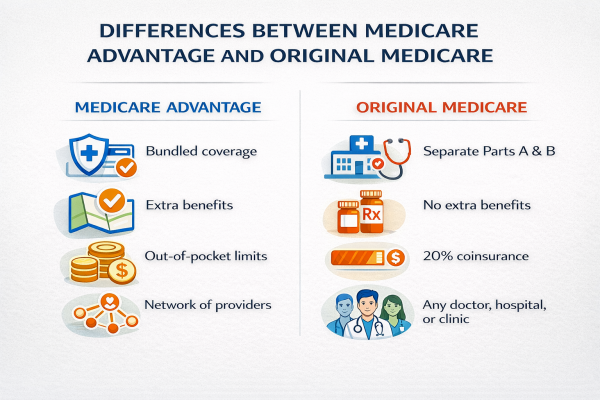
Medicare Advantage, in contrast, bundles Medicare Part A, Part B, and often Part D into a single plan. These plans use provider networks such as HMOs or PPOs, which may limit provider choice.

Some plans include benefits not offered in Medigap, such as dental, vision, hearing, or fitness benefits. However, Medicare Advantage plans require members to follow plan rules regarding referrals, prior authorization, and network restrictions.

Seniors who want maximum flexibility and nationwide access to providers often prefer Medigap. Those who prioritize lower premiums, additional benefits, or integrated drug coverage may choose Medicare Advantage.

The right option depends on your medical needs, travel habits, prescription usage, and budget. A licensed Medicare advisor can help compare both models based on your personal healthcare profile.

How Prescription Drug Coverage Works with Medigap

Medigap does not include prescription drug coverage. Seniors who need medication benefits must enroll in a standalone Medicare Part D plan. This separation gives seniors flexibility in choosing the drug plan that best matches their prescriptions.

Part D plans vary widely in their formularies, preferred pharmacies, premiums, deductibles, and drug tier structures. Seniors should review their medication list each year during the Annual Enrollment Period because plan formularies can change.

Comparing Part D plans alongside Medigap allows seniors to ensure their prescriptions remain affordable.

Some seniors also enroll in discount card programs or pharmacy membership plans to reduce the cost of medications not covered under Part D.

Although these programs do not replace Part D coverage, they can complement it for people who take drugs excluded from Medicare formularies.

Pairing Medigap with Part D remains one of the most popular Medicare coverage combinations because it supports both nationwide flexibility and strong control over medical and medication costs.

Find & Compare Plans Online

Speak with a licensed insurance agent

1-855-398-0716TTY 711

Mon-Fri: 8am-9pm ET

Medigap Plan Coverage and Costs

Medigap plan pricing varies significantly depending on your state, insurer, age, plan letter, and pricing method. Even though benefits are standardized, premiums can differ widely among insurance companies.

Medigap policies may be priced using one of three methods:

  • Community rated, where everyone pays the same premium regardless of age.
  • Issue age-rated, where premiums are based on your age when you enroll and do not increase as you get older due to aging.
  • Attained age-rated premiums, where premiums increase as you age.

Additional factors influence Medigap pricing, including discounts for paying electronically or living with another Medigap policyholder, state regulations, and insurer underwriting rules.

Some states offer special protections that allow seniors to switch Medigap plans more easily, which can impact long-term pricing trends.

Comparing Medigap prices requires seniors to consider not only the current premium but also how that premium may change over time. Insurers with stable rate histories may offer more reliable long-term affordability.

Licensed Medicare advisors often help seniors compare premiums across multiple companies to identify a plan that balances affordability with coverage needs.

Seniors should also consider customer service reputation, ease of claims processing, and the insurer’s financial stability. These elements contribute to a positive experience when using Medigap benefits.

Medigap costs

When and How to Enroll in a Medigap Plan

Enrollment timing is very important when selecting a Medigap plan. Seniors get their best enrollment opportunity during the Medigap Open Enrollment Period, which begins the month they are both 65 or older and enrolled in Medicare Part B.

This enrollment period lasts six months and allows seniors to buy any Medigap plan available in their state without medical underwriting. Insurers cannot deny coverage or charge higher premiums because of health conditions during this time.

After this enrollment window ends, seniors may be subject to underwriting when applying for Medigap. This means the insurer can review health history, charge higher premiums, or deny coverage.

There are exceptions in certain states and specific guaranteed issue rights for qualifying events such as losing employer coverage or moving out of a Medicare Advantage plan’s service area.

Selected states offer stronger consumer protections that make Medigap enrollment more flexible. Seniors should review their state’s Medigap rules or speak with an advisor to understand whether additional enrollment options are available where they live.

Because Medigap works with Original Medicare, seniors must maintain Medicare Part A and Part B to keep their coverage.

How to Choose the Right Medigap Plan for Your Needs

Choosing the right Medigap plan involves evaluating your medical history, budget, provider preferences, and long-term healthcare goals. Start by reviewing the plan letters available in your area and identifying which benefits align with your expected medical use.

Seniors who expect frequent doctor visits or want strong coverage for hospital stays often choose Plan G or Plan N. Those who want premium stability and broad protection may prefer insurers with long-standing reputations for consistent pricing.

Review your travel habits as well. Seniors who spend time in multiple states or who travel frequently often choose Medigap because it follows Medicare nationwide. If you want the freedom to see specialists without referrals, Medigap is a strong match.

Next, compare premiums across insurers. Since benefits are standardized, price and customer service become major factors. Compare how insurers handle rate increases and whether they offer household discounts.

Review prescription drug needs by pairing your Medigap evaluation with a Part D analysis. Because Medigap does not include prescription benefits, choosing the right Part D plan is essential.

Seniors should review formularies, deductibles, pharmacy networks, and medication costs to find the best pairing.

Working with a licensed Medicare advisor helps streamline this process. Advisors can review your doctors, medications, and budget to recommend a Medigap plan that supports your health needs and financial goals.

Compare plans and enroll online

Getting Personalized Support to Compare the Best Medigap Plans

Comparing Medigap plans can feel overwhelming, especially with many insurers, pricing structures, and Part D combinations to consider.

Seniors who want help can work with licensed Medicare advisors who review plans available in their ZIP code, compare premiums, and explain the differences between plan letters.

These advisors can also examine your medication list to help pair Medigap with a suitable Part D plan.

A Medicare advisor can explain enrollment timing, state protections, and underwriting rules so seniors avoid penalties or coverage delays.

Reviewing these details with a professional helps ensure that your Medigap plan fits your long-term health expectations and financial comfort.

If you want help comparing Medigap plans, you can contact a Medicare Plans Guide specialist for a personalized consultation.

A licensed advisor will review your healthcare needs, doctor preferences, prescriptions, and budget to identify Medigap plans that support your goals.

This guidance makes it easier to move forward with confidence, knowing that your Medicare coverage supports your health and future planning.

Getting Personalized Support to Compare the Best Medigap Plans

 What are Medigap plans?

Medigap plans, also called Medicare Supplement plans, are private insurance policies that help pay certain
out-of-pocket costs not fully covered by Original Medicare. These may include deductibles, copayments, and
coinsurance amounts. Medigap works alongside Original Medicare and is designed to reduce unexpected medical expenses.


How are Medigap plans different from Medicare Advantage plans?

Medigap plans supplement Original Medicare and generally allow you to see any doctor or hospital that accepts
Medicare nationwide. Medicare Advantage plans replace Original Medicare and usually operate within provider
networks. You typically choose either Medigap with Original Medicare or Medicare Advantage, but not both at the same
time.


Are Medigap plans standardized?

Yes. Medigap plans are standardized in most states and are identified by lettered plan types, such as Plan G or
Plan N. Each plan letter offers the same basic benefits regardless of the insurance company, although premiums,
customer service, and underwriting rules may vary by carrier and location.


Do Medigap plans have provider networks?

Medigap plans do not use provider networks. As long as a doctor or hospital accepts Medicare, Medigap may help pay
its share of approved costs. This flexibility is one reason Medigap is often appealing to people who travel or want
broad access to healthcare providers.


Can Medigap plans change benefits from year to year?

The core benefits of each standardized Medigap plan letter generally stay the same, but premiums may change over
time. Insurance companies can adjust rates, and costs may increase as you age or based on other factors outlined in
the policy. Reviewing annual notices helps you stay informed about any changes.

Have Questions?

Speak with a licensed insurance agent

1-855-398-0716

TTY users 711

Mon-Fri: 8am-9pm ET

Find & Compare Plans Online

Speak with a licensed insurance agent

1-855-398-0716TTY 711

Mon-Fri: 8am-9pm ET

ZRN Health & Financial Services, LLC, a Texas limited liability company