As we age, maintaining good oral health becomes even more important. Seniors can benefit from understanding simple tips to keep their teeth and gums healthy. Preventative dental care helps reduce the risk of common issues like cavities and gum disease. By adopting regular brushing and flossing habits and visiting the dentist for check-ups, seniors can enjoy a brighter smile and better overall health. Whether it’s selecting the right toothbrush or exploring treatment options, there’s much to learn about keeping dental health simple and effective for everyone.


Compare Medicare Plans
Compare plans and costs in your area






Preventative Dental Care for Seniors
Key Highlights
- Good oral health is vital for seniors and impacts overall health and quality of life significantly.
- Aging affects oral health, with common issues like gum disease, tooth decay, and dry mouth.
- Regular dental visits prevent serious issues and are crucial for maintaining senior health.
- Disease prevention through dental care can reduce treatment costs and improve life quality.
- Medicare Advantage and standalone dental plans can help cover seniors’ dental needs.
Compare plans and enroll online

Understanding the Importance of Dental Care for Seniors
Dental care is crucial for seniors as it profoundly impacts overall health and quality of life. Aging can significantly affect oral health, leading to various concerns that make it imperative for older adults to prioritize their mouth care routine. It’s vital to understand how aging can bring about changes in teeth and gums, and what common dental issues might arise. Recognizing the importance of preventative measures can help in maintaining oral health, preventing diseases and treatment complications, and ensuring that older adults enjoy a better, healthier life.
How Aging Affects Oral Health
Aging can be a challenging time for many aspects of health, including oral care. As people age, their oral health may face a few specific changes and challenges. For one, gums can become more sensitive and prone to gum disease. Gum health is crucial because it supports the teeth and helps to keep the mouth functioning well. If the gums are unhealthy, it can lead to further issues like tooth loss. Another change can be a decrease in saliva production. Saliva is essential for oral health; it helps wash away food particles and neutralizes acids in the mouth, reducing the risk of tooth decay and gum disease.
Additionally, as people grow older, they may experience more dental wear and tear. The enamel, which is the hard protective outer layer of the teeth, can wear down over time. This wear increases the likelihood of cavities and other oral issues. Moreover, some seniors may face challenges like dentures or other dental devices. Maintaining these properly is key to avoiding sores, irritation, and infections that can further complicate oral health.
Other health conditions, like diabetes or heart disease, can also affect oral health for older adults, making vigilance in dental care even more critical. Keeping up with regular dentist visits, maintaining a good oral hygiene routine, and seeking prompt treatment for any dental issues are all essential strategies to counteract the natural effects of aging on oral health.
Common Dental Concerns for Older Adults
Older adults often face a variety of dental concerns that are a normal part of aging but require attention and care. Tooth decay, or cavities, remains one of the most prevalent issues. It can occur more frequently as gums recede, exposing parts of the teeth not covered by protective enamel. Untreated tooth decay can lead to tooth loss, which is another common concern, damaging the mouth’s function and an individual’s self-esteem.
Gum disease stands out as one of the most significant oral health issues among adults over 60. This condition involves infection and inflammation of the gums and can be exacerbated by factors such as poor oral hygiene, smoking, certain medications, and illnesses that affect immunity. Advanced gum disease might result in the deterioration of the bone that holds the teeth, ultimately leading to tooth loss if not addressed promptly.
Dry mouth, often linked to medication use, is another pressing concern for older adults. A lack of saliva can lead to an increased risk of cavities and gum disease because saliva plays a crucial role in maintaining mouth health by washing away harmful bacteria and balancing the mouth’s pH levels. Oral cancer is also a concern, and seniors are more at risk, highlighting the importance of regular dental check-ups that include cancer screenings. Being proactive in understanding and addressing these issues helps ensure sustained health and comfort, particularly for seniors navigating the complexities of oral and general health.
Preventing Tooth Decay and Tooth Loss
Preventing tooth decay and tooth loss is vital for maintaining strong oral health, especially as we age. Tooth decay can lead to cavities, which, if unchecked, may result in tooth loss. Both issues can impact not only your mouth but your overall health and quality of life. The good news is that with proper dental care practices, seniors can effectively prevent tooth decay and tooth loss. This involves maintaining a consistent oral hygiene routine and visiting the dentist regularly, which supports healthy teeth and gums and reduces the risk of disease.
Brushing and Flossing Tips for Healthy Teeth
One of the simplest yet most effective ways to prevent tooth decay is by brushing and flossing regularly. Brushing your teeth at least twice a day removes food particles and plaque that can lead to cavities. It’s important to use a soft-bristled toothbrush to avoid damaging your gums and tooth enamel. Some seniors find electric toothbrushes easier because they require less manual effort and can improve cleaning efficiency.
Flossing is equally essential, as it helps clean between the teeth where a toothbrush can’t reach. This practice is crucial in addressing plaque buildup, which can lead to gum disease if left unchecked. Seniors might consider floss holders or dental picks if traditional flossing is challenging due to dexterity issues.
Practicing proper techniques can make a significant difference. Hold your toothbrush at a 45-degree angle and use gentle back-and-forth strokes. For flossing, gently curve the floss around each tooth, sliding it up and down against the tooth surface and under the gum line. Incorporating these habits into your daily oral hygiene routine can keep your teeth and gums healthy, significantly reducing the risk of tooth decay and gum disease.
Importance of Regular Dental Visits
Regular dental visits are a cornerstone of effective oral health care, especially for seniors. Seeing a dentist at least twice a year helps catch problems early, such as tooth decay or gum disease, before they become more serious. Early treatment can prevent the need for more extensive procedures, saving time and discomfort.
During these visits, a dentist can provide professional cleaning, removing plaque and tartar build-up that brushing and flossing can’t reach. They also assess your mouth for any signs of oral cancer, which is more common in older adults. This preventative approach is essential not only for dental care but also for overall health, as some studies suggest a link between oral health and systemic conditions like heart disease.
Dental visits play a role in disease prevention by providing personalized advice on oral hygiene. Perhaps you experience dry mouth due to medications, a common issue among seniors, as mentioned earlier. Your dentist can recommend specific treatments or products to improve your oral health situation. By staying proactive and attentive through regular dental check-ups, seniors can preserve their natural teeth longer, maintain oral health, and increase their quality of life.
Remember, maintaining oral health is a critical component of overall well-being. Please enter your ZIP code on our website to explore and compare Medicare options for dental care. You can also call for personalized assistance when our phone number is made available.
Find & Compare Plans Online
Role of Disease Prevention in Dental Health
Disease prevention is crucial to maintaining strong dental health, especially for older adults. Regular dental care can prevent many issues such as gum disease and tooth decay before they start. Disease prevention also plays a significant role in improving general health, reducing treatment costs, and enhancing the quality of life for seniors. In this section, we’ll explore how dental care ties into overall health and address the barriers seniors face in accessing the care they need. With the right approach, older adults can navigate these challenges, promoting both their oral and overall health with confidence.
Connection Between Dental Care and General Health
Dental care has a profound impact on general health, especially for seniors. The state of your mouth often mirrors the condition of your overall health. Diseases like gum disease, which many seniors face, can impact more than just your teeth and gums; they can influence various systemic health conditions, including heart disease and diabetes. A healthy mouth aids in preventing infections and can reduce inflammation, which is a contributing factor to chronic conditions.
Understanding this connection is crucial. For instance, bacteria from gum disease can enter the bloodstream, affecting other body parts. Maintaining good oral health is vital for preventing these bacteria-related health issues. Regular dental visits and appropriate dental care are essential for catching problems early. Your dentist can identify gum disease or cavities before they become significant issues, allowing for timely intervention.
Moreover, oral health can affect dietary choices. If dental issues make it hard to chew, seniors might opt for softer, often less nutritious foods, affecting nutrition and overall health. By addressing dental care proactively, older adults can ensure better oral health, contributing to their well-being. Good dental care isn’t just about maintaining teeth; it’s a comprehensive approach that supports your health at all age stages.
Overcoming Barriers to Accessing Dental Care
Access to dental care is a common challenge for older adults, but overcoming these barriers is essential for maintaining both oral and general health. Cost is a significant concern as many seniors live on fixed incomes, and dental treatments can be expensive without adequate insurance coverage. It’s vital to explore options such as dental insurance plans or community health programs that offer affordable care to older adults.
Another barrier is mobility. Seniors might have difficulty traveling to dental appointments. Seeking a dentist who offers mobile dental services or accessible facilities can help. Additionally, caregiver support can be crucial in ensuring appointments are scheduled and attended. Understanding the healthcare options through resources like MedicarePlansResource.org can guide you in exploring plans covering dental care, highlighting how these can assist in accessing necessary treatments.
Lack of awareness is also a hurdle. Many older adults may not realize the importance of dental visits and how neglecting oral health can escalate into more serious health issues. Education plays a key role here. As a trusted guide, providing easy-to-understand information empowers seniors to take control of their dental health. Through proactive measures and comprehensive understanding, seniors can achieve consistent access to dental care, boosting their overall health and well-being.
Remember, maintaining oral health is a critical component of overall well-being. Please enter your ZIP code on our website to explore and compare Medicare options for dental care. You can also call for personalized assistance when our phone number is made available.
Next Steps in Exploring Medicare Dental Coverage
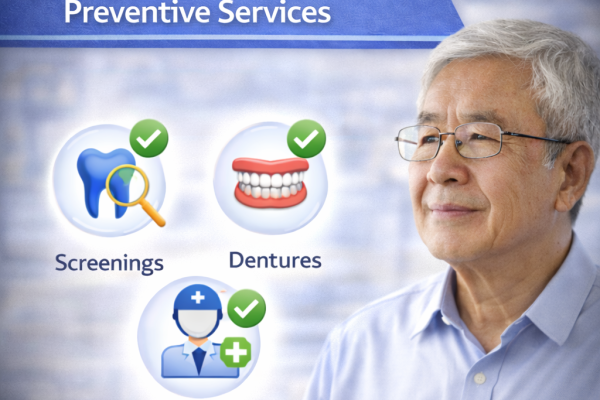
After understanding the significance of dental care for seniors, the next essential step is exploring Medicare dental coverage options. Many older adults find navigating dental insurance, Medicare Advantage, and other plans challenging. It’s important to review these options to decide what’s best for your dental needs. Assessing coverage costs, treatments available, and overall benefits will guide you in making informed decisions for your oral health. Whether it’s through Medicare or standalone dental insurance plans, taking these steps ensures seniors receive necessary care to maintain gum and tooth health.
Comparing Medicare Options for Your Dental Needs
When considering Medicare for dental needs, it’s key to understand the various types of coverage available. Original Medicare (Part A and Part B) typically doesn’t include routine dental services. So, it’s wise to look into other options like Medicare Advantage plans (Part C), which may offer dental coverage as a part of their benefits package. These plans might cover basics like cleanings and X-rays but also explore additional treatments like fillings, extractions, or even dentures. For those who need comprehensive oral health care, this can be a beneficial choice.
Exploring standalone dental insurance is another viable option. These plans focus solely on dental treatments, often providing a broad range of services that might not be fully covered under Medicare Advantage. Such plans can be essential for those requiring frequent visits to the dentist or those needing specific operations like periodontal treatments to maintain gum and mouth health.
With costs being a major concern for many seniors, it’s important to weigh the out-of-pocket expenses for different plans. Consider what premiums you can afford and what costs might come up during treatment. Balancing monthly premiums with expected dental care needs will help ensure you don’t pay more than necessary. For some, enrolling in a dental discount plan could be an affordable solution, offering reduced rates for various dental services from participating providers.
Ultimately, deciding on the right dental coverage involves understanding what each plan offers, at what cost, and whether it meets your specific oral health needs. Gathering this information empowers older adults to choose a plan in line with their health priorities and budget. It’s all about being proactive, reviewing all available options lets you protect your teeth and gums while ensuring your overall health remains in the best possible condition. Don’t forget to enter your ZIP code on our website to compare Medicare options and discover personalized support when our phone number becomes available.
Keeping up with preventative dental care is important for maintaining a healthy smile. Whether it’s through regular check-ups or at-home oral hygiene, staying informed about your dental health makes a big difference. For more guidance or to explore Medicare coverage options, enter your ZIP code on our site. When our number is available, feel free to call for personalized help. We’re here to support you in making the best choices for your dental and overall well-being.
Compare plans and enroll online
Frequently Asked Questions
What is preventative dental care for seniors?
Preventative dental care for seniors focuses on maintaining oral health and preventing dental problems before they become more serious. This typically includes routine dental exams, professional cleanings, X-rays, and screenings for gum disease or oral health conditions.
Why is preventative dental care important for seniors?
Preventative dental care helps seniors reduce the risk of tooth decay, gum disease, infections, and tooth loss. Regular dental visits can also help identify oral health issues early, which may support overall health and reduce the need for more complex dental treatments.
Does insurance usually cover preventative dental care for seniors?
Many dental insurance plans for seniors include coverage for preventative services such as cleanings and exams, often with low or no cost-sharing. Coverage levels, frequency limits, and included services vary depending on the specific dental plan.
How often should seniors receive preventative dental care?
Most seniors are encouraged to have routine dental exams and cleanings at least once or twice per year, depending on their oral health needs and dentist recommendations. Individual care schedules may vary based on medical conditions, medications, and overall dental health.
Have Questions?
Speak with a licensed insurance agent
1-855-398-0716
TTY users 711
Mon-Fri: 8am-9pm ET
Find & Compare Plans Online
ZRN Health & Financial Services, LLC, a Texas limited liability company

Russell Noga is the CEO of ZRN Health & Financial Services, and head content editor of several Medicare insurance online publications. He has over 18 years of experience as a licensed Medicare insurance broker helping Medicare beneficiaries learn about Medicare, Medicare Advantage Plans, Medigap insurance, and Medicare Part D prescription drug plans.