Speak with a licensed insurance agent

1-855-398-0716

TTY user 711 Mon-Fri : 8am-9pm EST

Shop United Healthcare Medicare Advantage Plans

Explore UnitedHealthcare’s Medicare Advantage plans to find coverage that suits your needs. Medicare Advantage, also called Part C, offers an alternative to Original Medicare. These plans may include extra benefits like vision, hearing, or dental and usually combine medical and drug coverage in one. Understanding your options can help you make an informed decision about what’s best for your healthcare needs.

Dive into the details and learn how these plans can protect your health and wellness while aligning with your individual lifestyle and budget.

Key Highlights

  • Medicare Advantage (Part C) bundles hospital, medical, and drug coverage in one plan.
  • UnitedHealthcare offers extensive networks with potential for lower out-of-pocket costs.
  • Plans often include vision, dental, and hearing benefits beyond Original Medicare.
  • Enrollment in these plans requires Medicare Part A and Part B eligibility.
  • Compare Medicare options by entering your ZIP code for tailored plan details.

Compare plans and enroll online

Understanding Medicare Advantage: An Overview

Navigating Medicare options can feel overwhelming, but Medicare Advantage (Part C) plans might offer a path that suits your needs. These plans, offered by private insurers like UnitedHealthcare Insurance Company, bundle various health services under one plan. Here, we’ll delve into what Medicare Advantage plans are and how they operate. Understanding these options helps you compare Medicare coverage effectively, ensuring your healthcare aligns with your personal needs and budget.

Armed with this knowledge, you’ll be better prepared to explore different plan choices, including network options and deductibles, low premiums, and prescription drug coverage specific to UnitedHealthcare Medicare plans.

Understanding Medicare Advantage: An Overview

What Are Medicare Advantage Plans?

Medicare Advantage plans, also known as Medicare Part C, combine hospital, medical, and often prescription drug coverage into a singular plan, providing comprehensive healthcare benefits. These plans are offered by private insurance companies, such as UnitedHealthcare Insurance Company, which partners with Medicare to deliver coverage. Unlike Original Medicare, which is managed by the federal government, Medicare Advantage offers managed care through a network of hospitals and doctors.

This network approach often includes Health Maintenance Organizations (HMOs) or Preferred Provider Organizations (PPOs), allowing beneficiaries to choose providers within the plan’s network.

The appeal of Medicare Advantage lies in its bundled benefits and potential for lower out-of-pocket costs. Many Advantage plans cover additional services beyond Original Medicare, like vision, dental, and hearing coverage. Moreover, these plans may have low or even $0 deductibles and premiums, subject to plan choice and location. However, this depends on the plan’s structure and whether it includes prescription drug coverage.

During the enrollment period, it’s crucial to review plan options and benefits thoroughly to ensure they align with your healthcare preferences and financial situation.

Continuing the discussion on Medicare Advantage plans, it’s important to evaluate the following key factors:

  • Compare network limitations to ensure access to desired healthcare providers.
  • Investigate additional benefits such as vision and dental services.
  • Analyze out-of-pocket costs, including co-pays and deductibles.
  • Check the availability of prescription drug coverage to fit medication needs.
  • Consider the plan’s geographic service area to ensure it aligns with your location.
  • Review annual changes in benefits or costs that may affect future decisions.

Understanding these elements may aid in choosing a Medicare Advantage plan that fits your individual healthcare and budget needs.

How Does an Advantage Plan Work?

An Advantage plan functions by coordinating your healthcare needs within a specific network of providers, which can help manage costs and streamline care. When you enroll in a Medicare Advantage plan, you still have Medicare, but your plan will handle your services instead of the government.

This includes the payment and management of your Medicare benefits. Each Advantage plan has a network of doctors and hospitals you can visit for lower costs, often requiring you to choose a primary care doctor to manage your healthcare.

Advantage plans often offer additional benefits, such as prescription drug coverage, which can be a vital aspect for those requiring regular medications. Understanding the network constraints is crucial; if you seek care outside your network, you might have higher costs or limited coverage except in emergencies.

The balance of premiums, deductibles, and coverage is an integral factor; for instance, some plans offer low premiums but enforce higher deductibles. To make informed decisions, compare Medicare options, examine how each plan works, and consider personal healthcare needs and budget constraints.

Enrollment in an Advantage plan involves evaluating your eligibility and determining an enrollment period that fits. Generally, if you’re eligible for Medicare Parts A and B, you can enroll in an Advantage plan. Considering factors such as coverage, network flexibility, and additional benefits helps craft a comprehensive understanding of how each plan can serve you under the UnitedHealthcare Medicare umbrella.

Why Consider UnitedHealthcare Medicare Advantage?

Choosing a Medicare Advantage plan, like those from UnitedHealthcare, could be a smart choice for many seniors. UnitedHealthcare is a trusted name in the insurance industry, offering comprehensive Medicare Advantage plans that provide a range of benefits. These plans often include additional services beyond Original Medicare, such as vision, dental, and hearing coverage.

UnitedHealthcare’s network of doctors and hospitals provides robust support, ensuring you have access to quality care. By comparing Medicare options, you can find a plan that aligns with your healthcare needs and budget, especially if you prefer the added benefits these plans typically offer.

The Benefits of UnitedHealthcare Plans

UnitedHealthcare plans are designed to meet diverse needs, offering various benefits that make them appealing. One of the standout features is their extensive network of doctors and hospitals, which ensures members receive care from reputable healthcare providers. When considering UnitedHealthcare, you’re gaining access to a broad network that can offer peace of mind.

Additionally, UnitedHealthcare Advantage plans frequently include extra benefits not covered by Original Medicare, such as vision, dental, and hearing services. These added benefits can make a significant difference for seniors who require these types of care.

Furthermore, UnitedHealthcare is known for its competitive plan costs. While comparing Medicare options, it’s clear how these plans often provide comprehensive coverage for lower out-of-pocket costs. For example, many plans might offer low premiums and even $0 deductibles, depending on the specific plan and location. This affordability is a compelling factor that may help manage healthcare expenses more effectively.

Enrollment in a UnitedHealthcare plan can also simplify the decision-making process. Given the bundled nature of these plans, they offer a one-stop solution for healthcare coverage. Seniors can enjoy the convenience and peace of mind that come with having most of their medical needs managed under a single plan. This can significantly simplify healthcare management and provide a more coordinated approach to your health, addressing the often-complex nature of healthcare decision-making.

Find & Compare Plans Online

Speak with a licensed insurance agent

1-855-398-0716TTY 711

Mon-Fri: 8am-9pm ET

Comparing UnitedHealthcare to Other Providers

When exploring Medicare Advantage options, it’s important to consider how UnitedHealthcare stacks up against other providers. One of the key comparative elements is the network size and scope. UnitedHealthcare’s large network of doctors and hospitals can translate to greater flexibility and convenience, which might not be as robust with other insurers. This extensive network means you’ll likely find your preferred doctors or specialists within the plan coverage, which is an advantage.

Another consideration is the breadth of advantages and services included in UnitedHealthcare plans versus others. While many insurers offer Medicare Advantage plans, UnitedHealthcare often provides more comprehensive benefits, including coverage for non-Medicare services such as routine dental or vision care. This emphasis on broader benefits can be crucial for seniors looking for expansive coverage options.

Cost is another critical factor when comparing Medicare plans. UnitedHealthcare is known for offering plans that balance low costs with comprehensive coverage. The ability to secure low premiums and deductibles without compromising on the quality of healthcare services is a notable benefit. When evaluating different plans, it’s essential to look at how these factors meet your healthcare needs and budget.

Lastly, member satisfaction and service quality are vital. UnitedHealthcare often receives favorable reviews for customer service, reflecting their commitment to a pleasant member experience. This service quality, coupled with comprehensive plan offerings, makes UnitedHealthcare a competitive choice when comparing Medicare Advantage options. With so many factors to consider, having a reliable and all-encompassing plan can make a difference in your overall Medicare experience.

Choosing the Right Plan Options for Your Needs

Finding the right Medicare Advantage plan means matching your healthcare needs with the plan benefits. UnitedHealthcare offers diverse plan options that can cater to varying needs and budgets. These plans, known as Advantage Plans, are designed to offer comprehensive health care coverage, often including extra services like dental and vision care, alongside medical and hospital benefits.

By understanding these options and considering your personal healthcare needs, you can make an informed decision about plan premiums and other essential factors. Let’s explore what UnitedHealthcare offers and what to consider while making this vital choice.

Exploring Different UnitedHealthcare Plans

UnitedHealthcare, a well-known name in the insurance industry, provides a variety of Medicare Advantage plans that might suit your needs. These plans are comprehensive, often going beyond what Original Medicare offers. With UnitedHealthcare Advantage Plans, you can expect not just medical and hospital care but also additional services that might include dental, vision, and hearing care.

Another advantage of choosing UnitedHealthcare is access to its extensive network of doctors and hospitals. This network ensures you can find care nearby, whether you need a specialist or a primary care doctor to manage your health. This flexibility can be particularly helpful if you travel or live between different states during the year.

The plan options typically come with varying plan premiums and deductibles, reflecting different levels of coverage and out-of-pocket costs. For example, some plans might have low monthly premiums but higher deductibles, or vice versa.

It’s crucial to weigh these costs against your healthcare needs. Moreover, many plans include prescription drug coverage, which can be a tremendous benefit if you take regular medications. The ability to bundle your drug costs with other healthcare services simplifies your medical management and might reduce overall expenses.

Enrollment in these plans usually happens during specific enrollment periods, so it’s important to be aware of these timelines to avoid missing out on a plan that suits your needs. Whether you’re new to Medicare or looking to switch plans, UnitedHealthcare offers a range of options designed to help you find the right balance of costs and coverage. Exploring different plans thoroughly can help ensure that your healthcare needs are met efficiently and affordably.

Factors to Consider When Selecting a Plan

When selecting a Medicare Advantage plan, several factors should guide your choice. Firstly, consider the overall costs, including plan premiums, deductibles, and other out-of-pocket expenses. Analyzing these costs against your budget is vital to ensure the plan is affordable.

Additionally, it’s important to examine the coverage benefits offered by various UnitedHealthcare plans. Look for plans that include the services you need, such as prescription drug coverage, dental and vision care, or other additional benefits that Original Medicare doesn’t cover.

The network of providers is another critical factor. UnitedHealthcare’s network is extensive, offering a variety of doctors and specialists. However, make sure your preferred healthcare providers are included in the plan’s network to avoid unexpected costs.

The importance of having access to your trusted doctors cannot be understated, as it directly affects your healthcare quality and satisfaction. Also, think about whether you’ll need referrals to see specialists and how this might impact your healthcare decision-making process.

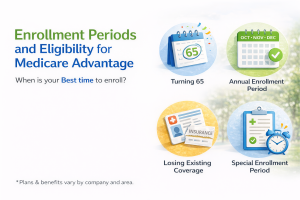
Lastly, timing your enrollment is essential. Medicare Advantage plans have specific enrollment periods, such as the initial enrollment period when first eligible for Medicare, or the annual open enrollment.

Understanding these timelines ensures you select a plan when you are eligible. Additionally, keep in mind that any changes in your health needs might require a reassessment of your coverage. Evaluate these factors thoughtfully to choose a plan that harmonizes with your healthcare requirements and offers peace of mind.

Remember, making an informed choice about Medicare Advantage plans involves understanding all these elements and how they interact. By carefully considering cost, coverage, network, and enrollment timing, you can select a plan that confidently supports your health journey.

For further insights, you’re encouraged to enter your ZIP code on our website to compare Medicare options available in your area, or call us for personalized help when our number is added to the site.


Plan Features Coverage Benefits Cost Considerations Enrollment Timing
Network Type Hospital Stays Monthly Premiums Initial Enrollment Period
Provider Access Outpatient Services Deductibles Annual Enrollment Period
Extra Coverage Options Prescription Drugs Out-of-Pocket Maximum Special Enrollment Period
Plan Types (e.g., HMO, PPO) Preventive Services Cost-sharing Requirements Medicare Open Enrollment

This table succinctly outlines the vital components of choosing a suitable Medicare Advantage plan from UnitedHealthcare.


Enrollment Basics for UnitedHealthcare Medicare Advantage

Enrollment Basics for UnitedHealthcare Medicare Advantage

If you’re considering enrolling in a UnitedHealthcare Medicare Advantage Plan, understanding the enrollment basics is crucial. These Advantage plans offer a unique way to receive your Medicare benefits through private health insurers like UnitedHealthcare. We’ll guide you through who is eligible for these plans, the specific enrollment period to consider, and the types of coverage you can expect.

Learning about these factors helps you make informed decisions, ensuring that your healthcare needs align with your financial situation while taking advantage of the robust benefits UnitedHealthcare has to offer. Let’s dive into who can join a Medicare Advantage plan and what you need to know.

Who is Eligible for a Medicare Advantage Plan?

Medicare Advantage plans, including those from UnitedHealthcare, are available to individuals who meet certain eligibility criteria. Generally, you’re eligible if you’re already enrolled in Medicare Part A and Part B. This means you need to have coverage for hospital and medical insurance before you can enroll in a Medicare Advantage Plan.

UnitedHealthcare, like other insurers, offers a variety of Advantage plans to fit diverse needs and preferences. While eligibility is relatively straightforward, it’s important to understand your specific requirements to ensure smooth enrollment in the plan that suits you best.

During the designated enrollment period for Medicare Advantage plans, you’ll have the opportunity to explore different options under the UnitedHealthcare umbrella. This period typically includes your initial eligibility at age 65, the annual open enrollment period, and special enrollment periods based on life events like moving or losing other insurance coverage.

Being aware of these enrollment periods helps you find the right plan at the right time. Each UnitedHealthcare plan you consider will have different structures, such as Health Maintenance Organizations (HMOs), which require you to find care within a network of doctors to keep costs low, or other flexible options that allow for different provider choices.

Understanding your eligibility and the specifics of each enrollment period is key to successful enrollment. Review UnitedHealthcare’s plan benefits, such as prescription drug coverage, to ensure they align with your medical needs. If an Advantage Plan includes low premiums or additional coverages like vision and dental, this could be advantageous for your overall health coverage strategy.

Always consider the network’s flexibility and whether your preferred doctors or specialists are included. This knowledge not only prepares you for the enrollment process but also empowers you to select a plan helping manage your healthcare needs effectively.

For further personalized advice, you’re encouraged to enter your ZIP code on our site to find Medicare options in your area or call us for guidance as soon as our contact number is available.

Thank you for exploring UnitedHealthcare Medicare Advantage Plans with us. Ready to compare options? Enter your ZIP code on our site to see Medicare plans in your area that can fit your needs.

Remember, you can call for personalized support once our phone number is available. We’re here to help you understand your Medicare choices with confidence. With the right information, you can find the Medicare Advantage Plan that works best for you. Stay informed, and let’s navigate Medicare together.

Compare plans and enroll online

Frequently Asked Questions

What is a Medicare Advantage Plan?

A Medicare Advantage Plan, also known as Medicare Part C, is an alternative to Original Medicare. It is offered by private insurance companies and bundles hospital, medical, and sometimes prescription drug coverage into one comprehensive plan.

What extra benefits can Medicare Advantage Plans include?

Medicare Advantage Plans may offer additional benefits beyond Original Medicare, such as vision, dental, and hearing coverage. These plans are designed to provide a broader range of healthcare services.

How do Medicare Advantage Plans affect out-of-pocket costs?

Medicare Advantage Plans typically have lower out-of-pocket costs compared to Original Medicare. They often have the potential for low or $0 premiums and deductibles, depending on the specific plan and location.

How does eligibility for Medicare Advantage Plans work?

To be eligible for a Medicare Advantage Plan, you must already be enrolled in Medicare Part A and Part B. Eligibility also involves considering specific enrollment periods, such as the initial enrollment at age 65 or the annual open enrollment period.

How can I compare different Medicare Advantage Plan options?

To compare Medicare Advantage Plan options, you can enter your ZIP code on MedicarePlansGuide.org. This will provide information about available plans in your area, helping you choose a plan that aligns with your healthcare needs and budget.

Have Questions?

Speak with a licensed insurance agent

1-855-398-0716

TTY users 711

Mon-Fri: 8am-9pm ET

Find & Compare Plans Online

Speak with a licensed insurance agent

1-855-398-0716TTY 711

Mon-Fri: 8am-9pm ET

ZRN Health & Financial Services, LLC, a Texas limited liability company