Medicare Part D helps cover prescription drug costs, but sometimes your plan may not cover a medication you need. If this happens, you have the right to appeal the decision. Understanding the appeal process can make it easier to get the medication you need. By learning the steps to appeal a Part D denial, you can confidently navigate the system. This guide will clarify the appeals process, provide examples, and explain your rights. It’s important to know how to challenge a denial and ensure you receive appropriate coverage for your prescriptions.


Compare Medicare Plans
Compare plans and costs in your area






Steps to Appeal Medicare Part D Denial
Key Highlights
- Medicare Part D helps cover prescribed medication costs, but you can appeal if a needed medication is denied.
- Filing an appeal involves gathering necessary documents and understanding your plan’s formulary and requirements.
- Appeals start with contacting your Part D provider and can escalate to independent reviews if initially denied.
- Understanding common denial reasons and steps for appeal can help manage expectations and improve outcomes.
- Entering your ZIP code on our site helps compare Medicare options, with further support when our phone lines are available.
Compare plans and enroll online
Understanding Medicare Part D Prescription Coverage
Navigating Medicare Part D can feel intimidating, but with the right guidance, it becomes a valuable resource in managing your prescription drug coverage. Part D plans help cover the costs of a wide range of drugs, easing the financial burden for seniors. By understanding what Part D covers and how it supports your prescription costs, you can make informed choices tailored to your needs. Whether you’re new to Medicare or reevaluating your options, understanding how Part D fits into your healthcare strategy is essential.

| Coverage Scope | Formulary Details | Cost Management | Support Resources |
|---|---|---|---|
| Includes a wide range of prescription drugs | Drugs listed on the plan’s formulary | Cost-sharing with deductibles, copayments, or coinsurance | 24/7 helpline for assistance |
| Offers protection against high drug costs | Includes both generic and brand-name medications | Month-to-month premium payments required | Consultations for medication management |
| Optional benefit under Medicare | Formulary updated annually | Financial assistance for eligible low-income individuals | Online resources and tools available |
This table outlines how Medicare Part D prescription coverage benefits seniors by easing medication costs through a structured plan.
What Does Part D Cover?
Medicare Part D is designed to help you manage the expense of your medications effectively. It encompasses a broad range of drugs listed in a formulary, which is essentially a catalog of medications covered by your Part D plan. These plans generally cover both brand-name and generic drugs intended for common health issues among seniors. Health conditions that typically have coverage include diabetes, hypertension, and heart disease. However, remember that not all drugs are automatically covered. Your Part D plan formulary can change, but your plan provider must inform you in advance, ensuring you’re never caught off guard.
While the formulary is comprehensive, it’s important to know that certain drugs might require an exception request for coverage, especially if they’re expensive or newly introduced in the market. A knowledgeable representative from your plan can help with understanding these nuances. It’s also wise to regularly review your current medications against the plan’s formulary, as this helps avoid unexpected costs. Proactively managing these aspects ensures that your coverage determination aligns with your ongoing needs and makes your healthcare planning more predictable.
How Part D Helps with Your Prescription Costs
Medicare Part D provides an essential safety net when it comes to prescription costs, offering significant financial relief for those enrolled. By covering a large percentage of your prescription expenses, Part D lowers the amount you must pay out-of-pocket, making managing chronic conditions more feasible. This is particularly beneficial for seniors on fixed incomes who may have to budget carefully for healthcare expenses. Coverage can reduce what you pay significantly, especially for medications that manage ongoing health concerns.
In addition to covering a portion of your drug costs, Part D plans often offer tiers that determine how much you’ll pay. Typically, lower-cost generic drugs fall under more affordable tiers, while specialized medications may be more costly. However, with strategic planning, including discussion with your healthcare providers, you can optimize your medication regimen to align with the most cost-effective options available within your plan’s structure. This coordination ensures you’re maximizing the benefits of your plan while maintaining your health effectively.
Moreover, resources are available to help you further understand how to make the best use of your Part D benefits. Providers and representative support services can guide you through analyzing your current plans, researching drug alternatives, or filing exception requests. These steps can help you keep costs manageable while ensuring you’re accessing the medications you need. Remember, being well-informed empowers you to make the best decisions for your health and finances.
Remember, entering your ZIP code on our site offers an easy way to compare Medicare options tailored to your needs. Whether you’re looking into a new plan or just ensuring your current plan still fits, knowing your options is key. Personalized help is also available when our phone lines are operational, making the process even more straightforward.
Reasons for Medicare Part D Denials
Understanding the reasons behind Medicare Part D denials is crucial. It’s not uncommon to find yourself face-to-face with a coverage denial when dealing with Medicare prescription drug plans. These denials can happen for various reasons, leaving you or your loved one without essential medications. Knowing the common causes for denial of coverage, as well as recognizing when to consider filing an appeal, can help you navigate these challenges with confidence. With the right information, you can take steps to ensure your needs are met without unnecessary stress.
Common Causes for Denial of Coverage
There are several reasons why your plan might deny coverage under Medicare Part D. Often, these coverage denials occur because a specific drug isn’t included in the plan’s formulary. A formulary is a comprehensive list of drugs that your Medicare drug plan has agreed to cover. If a required medication doesn’t appear on this list, it’s typically because the plan has alternatives they consider equally effective, or your medication requires prior authorization, meaning approval is needed before the plan covers it. In some instances, a step therapy protocol might be in place. This protocol requires trying recommended drugs before the plan will cover the costlier option you prefer.
Administrative errors are also common causes for a coverage denial. They can result from incorrect or incomplete paperwork submitted by your healthcare provider or inaccuracies in your own application. The date listed for your medication might also be part of a miscommunication, leading to a misunderstanding about coverage. While these denials can be frustrating, they often have straightforward solutions. It’s important to investigate the reason behind the denial thoroughly, as this will guide your response. Understanding these common causes empowers you to address any issues promptly.
When to Consider Filing an Appeal
Filing an appeal becomes a viable option when you disagree with a Medicare Part D denial. If you’ve received a denial of coverage and believe it’s unjust, this is your chance to challenge that decision. Consider filing an appeal if the medication is essential for your health and no comparable alternatives exist. An appeal is appropriate when your provider also supports your need for the specific drug, making a strong case for its necessity. When filing an appeal, you can request an expedited appeal if your health is at risk without immediate coverage. Expedited appeals are processed faster, helping you access your medication sooner.
Preparing for the appeal involves gathering supporting documentation, including a letter from your healthcare provider detailing why the drug is medically necessary. Completing an exception request is also part of the process. If the plan still denies your appeal, you may disagree with their decision enough to pursue further steps, such as a hearing before an administrative law judge (ALJ hearing). This ALJ hearing allows you to present your case in detail. Seeking an appeal is not just about coverage, but ensuring your health needs are appropriately met, empowering you to make informed choices in your Medicare drug plans. Your determination in advocating for yourself can lead to a positive outcome, ensuring you get the support you need from your Medicare prescription drug coverage.
Find & Compare Plans Online
Navigating the Medicare Appeals Process
Understanding the Medicare appeals process is essential if your Medicare Part D drug coverage is denied. If your plan denies coverage for a prescribed medication, you can challenge this decision. Familiarity with the appeal process means you can start your appeal with confidence. From beginning the appeal to understanding appeals levels and tracking your progress, taking these steps ensures your needs are prioritized. Knowing how to handle an appeal effectively can make the difference between accessible medications and unmet health requirements.

Steps to Start Your Appeal
If your Part D plan denied coverage for a medication, don’t worry, there’s a structured appeal process you can follow. First things first, the day you receive the denial is crucial; marking this date allows you to track important deadlines. You must contact your Part D plan provider immediately to discuss reasons for denial. This initial step is vital, as it often brings clarity and understanding. When ready, decide if you will request a standard appeal or, if your health demands it, an expedited appeal. Expedited appeals are particularly useful when your health condition could worsen without quick access to a medication.
To begin, file your appeal by writing to your plan. Include your name, Medicare number, your plan’s details, and any relevant information about the denied prescription. Clearly state why you believe the plan should cover your medication. Your healthcare provider can bolster your case with supporting documents, explaining the medical necessity of your prescription. This can be a powerful aspect of your appeal, emphasizing your health’s specific requirements.
Throughout the process, remember that accuracy is key. Ensure all information provided is complete and correct. Once the appeal is submitted, you can contact your Part D plan provider to confirm they’ve received your appeal request. Keep track of dates and responses as you wait for a decision. This thorough tracking can aid in understanding the progress of your appeal, making it easier to take further steps if necessary. Utilizing this systematic approach helps manage the appeals process, turning what can seem daunting into a manageable task.
Understanding Appeals Level and Tracking Progress
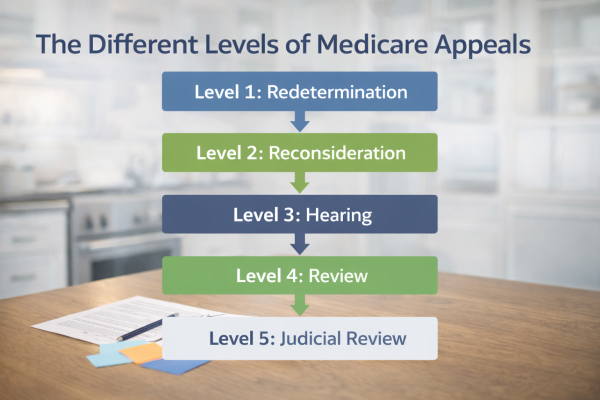
Once you’ve filed your appeal, it’s important to understand the different appeals levels within Medicare. Initially, your appeal will be reviewed internally by your Part D plan provider. If they maintain their original decision to deny coverage, don’t worry, that’s just the first level. You can then escalate the appeal to the next level, which involves an independent review by a third party. At this stage, known as the reconsideration, detailed examination ensures another view on the decision.
If the Part D plan provider’s reassessment still denies coverage, the appeal can be taken further. This involves the Office of Medicare Hearings and Appeals (OMHA), where an administrative law judge (ALJ) will conduct a hearing. Using supportive documentation from your provider can strengthen your case at this level. This escalating process is designed to ensure fairness and thoroughness in decision-making.
Tracking the progress of your appeal at each level is crucial. Keep meticulous records of each step taken, including dates and responses. Having a well-documented timeline ensures you’re informed and ready to proceed to the next appeal level if needed. Additionally, maintaining communication with your Medicare Part D plan provider helps you stay updated throughout the process, fostering transparency in your appeal progress.
Taking these actions not only boosts your confidence in navigating appeals but ensures that important healthcare needs aren’t lost in administrative processes. Your own persistence, along with a clear understanding of the process, will serve you well as you advocate for the coverage you need. Remember, detailed planning and follow-up can lead to a favorable outcome, ensuring your Medicare Part D coverage supports your health and well-being.
Remember, entering your ZIP code on our site offers an easy way to compare Medicare options tailored to your needs. Whether you’re looking into a new plan or just ensuring your current plan still fits, knowing your options is key. Personalized help is also available when our phone lines are operational, making the process even more straightforward.
Enhancing your experience with the Medicare appeals process involves strategic preparation and effective management. Here are some strategies you can use:
- Submit All Necessary Documentation: Ensure that you gather and submit all required documents accurately at each level of the appeal process. This prevents unnecessary delays and strengthens your case.
- Prepare Effective Rebuttals: Craft compelling rebuttals with the support of professionals such as Medicare consultants or legal advisors. They can help you articulate your arguments clearly and effectively.
- Seek Assistance from Patient Advocacy Groups: Don’t hesitate to reach out to advocacy groups specializing in Medicare issues. These groups can offer guidance and support tailored to your situation.
- Maintain a Detailed Communication Log: Keep a record of all interactions with Medicare representatives. Document dates, times, names, and the content of conversations for future reference.
- Exercise Patience and Persistence: Navigating the appeals process can be lengthy and challenging. Staying patient and persistent is key to maintaining focus and achieving a positive outcome.
- Review Documents for Accuracy: Before submission, review all appeal-related documents meticulously to ensure there are no errors or omissions that might weaken your case.
- Stay Informed About Medicare Policy Changes: Regularly update yourself on any changes to Medicare policies that might impact your appeal. This knowledge empowers you to make informed decisions throughout the process.
Utilizing these strategies will leave you well-prepared and confident, improving your chances of success when navigating the Medicare appeal process.
Preparing for a Medicare Part D Appeal
Feeling unsure about how to handle a Medicare Part D denial can be stressful, but careful preparation can ease the process. Filing an appeal involves strategic steps, including gathering evidence and understanding your plan’s requirements. By preparing thoroughly, you can present a stronger case to challenge a denial, enhancing your chances for success. In this section, we’ll cover the key step of collecting the necessary documents to file an appeal effectively. By knowing how to handle this, you’ll be better equipped to reclaim coverage for the medications you need.
Gather Necessary Documents to File an Appeal
When preparing to file an appeal against a Medicare Part D denial, assembling the right documents is crucial. This foundation supports your case by demonstrating the medical necessity of your prescribed medications. Begin by collecting paperwork that proves the importance of the medication to your health. This often involves acquiring a statement from your healthcare provider. The statement should detail why this particular drug is vital, including how it fits into your overall treatment plan. Such documents are powerful resources that underscore the legitimacy of your request during the appeal review.
In addition to a provider’s statement, ensure you have copies of your prescription information, including any correspondence from your Medicare Part D plan. This includes the denial notice, which outlines why your plan refused coverage. Reviewing this document carefully helps you understand precisely what reasons your plan cited for the denial. Once you identify these reasons, compiling evidence that counteracts each point strengthens your filing case. Documentation that shows previous successful use of the medication or medical history can be helpful here.
As you gather these necessary documents, make sure to also include your original Medicare number, details of your Part D plan, and any previous communications regarding the denial. Being thorough and organized enhances your appeal’s credibility. If you feel overwhelmed, several resources are available to assist you. Representatives from your plan can provide guidance on what specific paperwork may bolster your case. You can also contact external resources for advice on managing appeal resources efficiently. By using these tools wisely, you position yourself strongly to contest the decision and access the medications you need.
Remember to act within the given timeframe. Most Part D plans stipulate that an appeal must be filed within a specific number of days from receiving the denial, keeping track of such deadlines is essential. This proactive step ensures you avoid delays that could reduce your appeal’s effectiveness. By carefully gathering documents and staying aware of all required timelines, you build a robust case, setting the stage for a successful appeal of your Medicare Part D denial.
For more help comparing your Medicare options, enter your ZIP code on our site. This offers a seamless way to see what plans are available in your area. Personalized assistance can be accessed when our helpline reopens, providing a supportive hand in navigating Medicare choices.
Next Steps After Filing Your Appeal
Once you’ve filed your appeal, the next steps involve staying informed and actively participating in the process to ensure your voice is heard. After submitting all necessary documents, your appeal first undergoes an internal review by your Part D plan provider. If they still deny your coverage, don’t be discouraged, this is just the beginning of a multi-level appeal process. It’s crucial to keep track of your appeal’s progress, marking each decision point carefully to prepare for possible further actions.
If you disagree with the initial decision, your next move is to request a review by an independent council. This step involves a thorough examination by someone outside your plan, adding an unbiased perspective to the case. Should this review also uphold the original decision, you’re entitled to escalate your appeal to the Medicare Appeals Council, ensuring a comprehensive reconsideration of your situation.
It’s important to remain organized and patient throughout these steps. Document each correspondence and decision, noting the exact dates and details, as these records are invaluable should you need to present your case further. Staying proactive and engaged, you not only enhance the chances of a favorable decision but also demonstrate the importance of your appeal. This meticulous approach underscores your determination to secure the Medicare Part D coverage you need for your health.
Remember, understanding the appeals process makes it less daunting and allows you to advocate effectively for your medication needs. Enter your ZIP code on our site to effortlessly explore and compare Medicare options available to you. When available, our phone assistance can offer personalized support, ensuring you have the confidence and support to navigate your Medicare journey smoothly.
We hope this guide helps you understand how to appeal a Medicare Part D denial effectively. Remember, every step is important to protect your access to medications. For more information on Medicare choices, enter your ZIP code on our site to compare options tailored to your needs. You can also call us for personalized help, once our phone number is available. With knowledge and preparation, you’re on the path to securing the prescription coverage that’s best for you.
Compare plans and enroll online
Frequently Asked Questions
What should I do if my Medicare Part D plan denies coverage for a medication?
If your Medicare Part D plan denies coverage, you can appeal the decision. Start by contacting your Part D provider to understand the reason for the denial. Prepare by gathering necessary documents, including your healthcare provider’s statement regarding the medical necessity of the medication.
How do I file an appeal for a Medicare Part D denial?
To file an appeal, send a written request to your Part D plan. Include your name, Medicare number, your plan’s details, and the reason you believe your medication should be covered. You can also request an expedited appeal if your health is at risk.
What documents do I need to gather when preparing my appeal?
Collect important documents such as a letter from your healthcare provider explaining the medical necessity, prescription information, and the denial notice from your Part D plan. These will support your appeal by providing evidence of your need for the medication.
What are the common reasons for a Medicare Part D coverage denial?
Denials often occur because a medication is not on your plan’s formulary, requires prior authorization, or is subject to step therapy protocols. Administrative errors can also lead to denials, so make sure all submitted information is accurate.
What steps should I follow after submitting an appeal?
After filing your appeal, track its progress. If your plan initially denies it, you can escalate to an independent review. Keep detailed records of all correspondence and decisions to support further appeals if required.
Have Questions?
Speak with a licensed insurance agent
1-855-398-0716
TTY users 711
Mon-Fri: 8am-9pm ET
Find & Compare Plans Online
ZRN Health & Financial Services, LLC, a Texas limited liability company

Russell Noga is the CEO of ZRN Health & Financial Services, and head content editor of several Medicare insurance online publications. He has over 18 years of experience as a licensed Medicare insurance broker helping Medicare beneficiaries learn about Medicare, Medicare Advantage Plans, Medigap insurance, and Medicare Part D prescription drug plans.