Speak with a licensed insurance agent

1-855-398-0716

TTY user 711 Mon-Fri : 8am-9pm EST

Understanding Medicare Out-of-Pocket Costs

Understanding Medicare out-of-pocket costs is essential for seniors considering healthcare coverage. Medicare has various parts, each with different expenses and limits.

Knowing these costs helps you manage your budget and make informed choices. We’ll explain Medicare pocket costs, like premiums, deductibles, and co-pays, plus provide an overview of overall costs.

With this knowledge, you can confidently plan your healthcare finances. Our goal is to ensure clarity, so you can explore your options without confusion. Dive in to learn how to navigate the financial aspects of Medicare effectively.

Key Highlights

  • Medicare out-of-pocket costs include deductibles, copayments, and coinsurance not fully covered by Medicare.
  • Medicare Advantage plans bundle coverage, potentially affecting premiums and copayments compared to Original Medicare.
  • Medicare Supplement (Medigap) plans can ease financial burdens by covering costs not handled by Original Medicare.
  • Eligibility influences Medicare costs, with income and residence affecting premiums and coverage options.
  • Future Medicare changes may impact costs, highlighting the importance of regular updates to plan effectively.

Compare plans and enroll online

Introduction to Medicare Out-of-Pocket Costs

As you approach Medicare, it’s important to understand the various out-of-pocket costs you may encounter. These costs are the expenses you’ll need to pay yourself, which Medicare doesn’t cover fully.

Knowing these details can help you anticipate the amount you will pay and make informed decisions about your healthcare coverage.

Whether it’s for a specific Medicare plan or learning about how Medicare pays for certain services, understanding these costs gives you a clearer picture of what to expect each year.

Let’s dive into what Medicare out-of-pocket costs are and how they affect your overall financial planning.

Understanding What Medicare Out-of-Pocket Costs Are

Medicare out-of-pocket costs are any healthcare expenses that aren’t fully covered by Medicare, meaning the amount you will pay out of your own pocket. These costs can include deductibles, copayments, and coinsurance.

Each Medicare plan, whether it’s Medicare Advantage, Medigap, or any other type, might have different out-of-pocket costs associated with it.

For instance, Medicare Parts A and B, often referred to as Original Medicare, have specific costs Medicare pays and some parts you need to cover yourself, like the deductible for a hospital stay or a doctor’s visit copay.

Understanding assignment Medicare and whether your doctors accept Medicare assignment can impact your out-of-pocket expenses significantly.

With assignment, you pay only what Medicare has approved, but without it, the costs can be more unpredictable.

Additionally, Medicare doesn’t have a pocket limit, meaning there’s no cap on the maximum amount you might pay in a year, unlike some other insurance plans.

Reviewing how these costs play into your healthcare budget yearly helps mitigate unexpected financial surprises and supports more stable planning.

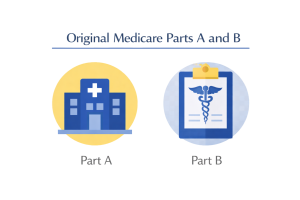
Original Medicare Parts A and B

The Basics of Medicare Coverage

Understanding what Medicare covers is key to managing your healthcare expenses effectively. Medicare coverage can be divided into several parts, each offering different services and benefits.

Original Medicare, consisting of Parts A and B, forms the foundation. It includes hospital and medical services but leaves some costs for beneficiaries to manage on their own.

As you learn about your options, knowing the range of coverage and its limitations will help you make the most informed decisions about your healthcare enrollment and future costs.

What Medicare Covers and What It Means for You

Medicare provides coverage for a wide array of medical services, but understanding the specifics can guide your healthcare planning.

Original Medicare, which includes Part A and Part B, covers services such as hospital stays, doctor visits, and certain types of home health care.

Part A typically covers hospital costs, like inpatient stays and skilled nursing facilities, although not everything is fully covered, often requiring you to cover a deductible or coinsurance.

Part B covers outpatient care, doctor services, and preventive care, subject to a premium and sometimes additional costs.

However, it’s critical to note that while Medicare Parts A and B cover numerous services, there are gaps, often requiring additional supplemental coverage through options like Medigap or Medicare Advantage plans.

These plans help manage costs that Original Medicare does not, such as dental, vision, and prescription drug coverage, easing some of the financial burdens on beneficiaries.

Understanding these options supports a more comprehensive approach to your healthcare, allowing you to anticipate and plan for any costs ahead of time.

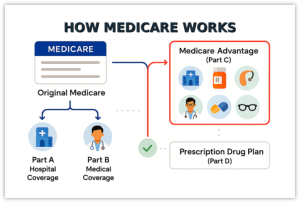
how medicare works

Exploring Medicare Advantage and Its Costs

Medicare Advantage plans, also known as Medicare Part C, offer an alternative to Original Medicare by bundling Part A, Part B, and often Part D into one plan. These plans might impact your pocket costs differently compared to Original Medicare.

Assessing the premiums, coinsurance, and other associated costs can be crucial for budgeting. Since Medicare Advantage plans are offered by private companies, the costs can vary significantly from one plan to another.

You’ll need to evaluate how each plan aligns with your healthcare needs, making it essential to understand how Medicare Advantage affects your overall cost structure.

How Medicare Advantage Plans Impact Pocket Costs

When considering Medicare Advantage, it’s important to understand how these plans can influence your pocket costs.

Unlike Original Medicare, where costs like deductibles and coinsurance are predictable, Medicare Advantage plans can come with different payment structures. For instance, you may face varying premiums that depend on the specific plan you choose.

Some Medicare Advantage plans have low medical costs with higher premiums, while others reverse this.

Also, these plans might include additional benefits like dental or vision, which Original Medicare doesn’t cover, possibly leading to lower overall pocket costs due to bundled services.

Medicare Advantage enrollees usually need to pay copayments for doctors’ visits and hospital services. The coinsurance varies significantly among plan options, making it vital to review each plan thoroughly.

Moreover, unlike Original Medicare, many Medicare Advantage plans have annual spending limits on your out-of-pocket costs. This cap provides a safety net that Original Medicare lacks, offering potential cost savings if significant health issues arise.

Understanding these distinctions in pocket costs helps you pick a plan that best fits your financial and healthcare needs, ensuring you’re both informed and prepared.

Understanding Medicare Parts A and B Costs

Medicare Parts A and B, known as Original Medicare, cover a wide range of essential health services but come with some costs that are important to grasp. Part A generally covers inpatient hospital care, while Part B handles outpatient and preventive services.

Though Medicare helps significantly with these expenses, there are out-of-pocket Medicare costs you’ll need to consider, such as deductibles and coinsurance.

Understanding how these costs impact your overall expenses helps you budget for medical services and year-to-year payments. Let’s dive into the key costs associated with Medicare Parts A and B.

The Key Costs Associated with Medicare Parts A and B

When it comes to Medicare Part A, you’ll encounter expenses like a hospital deductible, which may change each year, affecting the amount you will pay depending on your hospital stay.

This is an essential part of planning your healthcare budget. Understanding how much you might pay is crucial since each benefit period could require a new deductible.

Meanwhile, Medicare Part B focuses on outpatient services, where you’ll pay a monthly premium. This premium can vary based on your income, with higher earners paying a bit extra.

For Part B, the costs don’t stop at premiums; there are also copayments and a yearly deductible.

After meeting the deductible, you’d typically pay 20% of the Medicare-approved amount for most doctor services, alongside outpatient therapy and durable medical equipment.

These costs, while they may seem straightforward, can add up quickly, making it essential to consider how they fit into your larger financial picture.

Original Medicare doesn’t include prescription drug coverage, which often requires enrolling in a separate Part D plan, further impacting pocket costs.

While balancing these expenses, consider any gaps in coverage. Original Medicare doesn’t have a cap on out-of-pocket costs, leaving room for potentially large, unexpected expenses.

Some turn to supplemental plans, like Medigap, to help mitigate these gaps.

Understanding the intricate balance of Medicare’s Parts A and B costs, as well as exploring supplemental options, can lead you to more informed decisions about your healthcare coverage that best align with your needs and budget.

By planning ahead, you’ll better manage your healthcare expenses.

Find & Compare Plans Online

Speak with a licensed insurance agent

1-855-398-0716TTY 711

Mon-Fri: 8am-9pm ET

The Role of Medicare Supplement Plans

Medicare Supplement plans, also known as Medigap, play a crucial role in managing your healthcare expenses. These plans help cover out-of-pocket costs that Original Medicare doesn’t cover.

They can ease the financial burden of deductibles, premiums, and coinsurance for hospital stays and medical services. Understanding how Medigap supplements what Medicare pays is key to managing your overall healthcare costs effectively.

Let’s explore how these plans help control costs while providing additional coverage, making it easier to navigate your healthcare journey with confidence and clarity.

How Medicare Supplements Help with Costs

Medicare Supplement plans, often referred to as Medigap, are designed to help cover the gaps in Original Medicare. These plans cover costs like deductibles, copayments, and coinsurance, easing the financial burden on beneficiaries.

By covering these expenses, Medigap plans offer peace of mind, knowing that unexpected healthcare costs won’t derail your budget.

Since the coinsurance varies with different types of services, having a Medigap plan can lead to more predictable costs, making it easier to plan your yearly healthcare expenses.

Premiums for these plans can be an important consideration, as they vary depending on the Medigap policy you choose. While you do pay a monthly premium for Medigap, this cost can be offset by the potential savings on out-of-pocket expenses.

It’s also essential to understand how each Medigap plan works with Medicare. For example, assignment Medicare is crucial since it affects how much you might pay if a doctor accepts the Medicare assignment.

A Medigap plan can help absorb costs that arise when doctors or hospitals don’t accept this assignment, providing an added layer of financial protection.

Understanding Medigap plans helps you choose a plan that aligns with your healthcare needs and financial situation.

With different types available, each offering distinct levels of coverage, it’s important to evaluate which plan best supplements your Original Medicare coverage.

By helping you understand these crucial elements, you can make informed decisions that minimize out-of-pocket costs, ensuring that your healthcare stays affordable and manageable.

Consider entering your zip code on our site to compare your options, or call us when our number becomes available for personalized help.

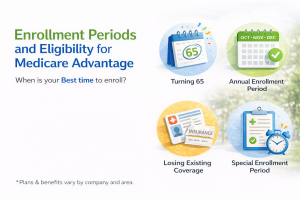
Enrollment Periods and Eligibility for Medicare Advantage

Eligibility for Different Medicare Plans

Eligibility plays a vital role in determining which Medicare plans work for you and how they affect your costs. Understanding eligibility requirements can clarify what you’ll pay each year for premiums and other out-of-pocket expenses.

Each plan has specific criteria, often based on age, medical needs, and sometimes income levels. Beyond traditional Medicare Parts A and B, other options like Medicare Advantage and Medigap offer additional coverage but require you to meet varying conditions.

This section will explore how eligibility influences your choices and the amounts you will pay throughout the year.

Plan Type Eligibility Criteria Cost Influencers Coverage Impacts
Original Medicare 65 years or older, or with certain disabilities Income level, age, and disability status Basic coverage; does not include most prescription drugs
Medicare Advantage (Part C) Must be enrolled in Original Medicare (Parts A & B) Plan selection, geographic location, and additional benefits Includes additional services; may include prescription drug coverage
Medicare Part D Enrolled in Original Medicare or a Medicare Advantage plan Selected plan, drug formulary tiers, income-related adjustments Provides prescription drug coverage
Medigap Enrolled in Original Medicare; typically age 65+ Plan type, state regulations, underwriting outside Open Enrollment Helps cover out-of-pocket costs not paid by Original Medicare

This table underscores how understanding eligibility criteria is crucial for managing your Medicare costs effectively.

How Eligibility Affects Your Medicare Costs

Your eligibility for Medicare and the different plans available can significantly impact how much you’ll pay out of pocket. Generally, if you’re 65 or older, you qualify for Medicare, but your costs will vary depending on additional factors.

For instance, if you enroll in Medicare Advantage, also known as Part C, your eligibility could depend on residing in the plan’s service area, affecting the premiums you pay and what’s covered.

Similarly, your eligibility for Medigap, which helps with costs not covered by Original Medicare, can depend heavily on open enrollment periods, during which you can purchase any Medigap policy offered in your state without medical underwriting.

Additionally, your eligibility for extra help with Part D prescription drug plans depends on your income and resources, which can drastically lower your yearly costs. Knowing if doctors accept assignments under Medicare can also affect what amounts you pay.

Under assignment, you’re generally only responsible for the cost Medicare approves. If not, you might face higher out-of-pocket expenses.

Remember, certain premium levels for Part B can be income-driven, so higher earners might see an increase in what they must pay for coverage each month.

Understanding these elements helps make informed decisions about your healthcare expenses and supports better financial planning with Medicare.

Tips for Managing Out-of-Pocket Costs

Effectively managing your Medicare out-of-pocket costs can ease the financial stress of healthcare expenses. These costs, which you pay yourself, vary greatly based on the coverage you choose.

By understanding the different types of Medicare plans, like Original Medicare and Medigap, and incorporating strategic cost-saving methods, you can better plan for these expenses.

Engaging with tailored strategies, aligned with individual healthcare needs, aids in mitigating financial burdens. Let’s dive into some practical tips that could help you keep these pocket costs manageable while still ensuring comprehensive coverage.

Simple Strategies to Keep Your Pocket Costs Manageable

There are several straightforward ways seniors can manage their Medicare out-of-pocket costs. First, consider enrolling in a Medicare Supplement (Medigap) plan. Medigap helps cover costs that Original Medicare doesn’t, like deductibles, copayments, and coinsurances.

By paying a premium for a Medigap plan, you might reduce the amount you will pay for unexpected medical expenses, offering peace of mind and more predictable pocket costs each year.

Another strategy involves careful selection of Medicare Advantage plans. These plans sometimes include added benefits, such as dental and vision services, which Original Medicare usually doesn’t cover.

Make sure to compare these plans because their premiums and coverage options can vary. It’s important to understand the specific services covered and how they may influence overall costs.

Especially look for plans with an annual out-of-pocket maximum that caps your spending, providing a financial safety net.

Additionally, verify that your healthcare providers accept Medicare assignment, as this can substantially lower the costs.

When a provider accepts an assignment, it means they agree to the Medicare-approved amount as full payment for services, minimizing unexpected charges. Lastly, always budget for premiums.

It’s crucial to know how much you’ll pay monthly to sustain your insurance coverage. Investing time in understanding each element helps in making informed decisions that align with your financial and healthcare goals.

Considering these practical steps can help manage your Medicare costs effectively and ensure you receive the care you need without unnecessary financial strain.

Future Outlook on Medicare Costs

As we look to the future, understanding how Medicare costs might change is crucial for planning. Anticipated changes can affect your out-of-pocket expenses, impacting how much you pay each year for healthcare services.

Monitoring shifts in Medicare premiums, plan structures, and policy updates will help ensure you’re prepared. By staying informed, you can make smart decisions about enrolling in programs like Medicare Advantage or Medigap.

Let’s explore some of the anticipated changes in Medicare costs and what they mean for seniors planning their healthcare budgets.

Anticipated Changes in Medicare Costs

Medicare costs are expected to evolve in the coming years, affecting out-of-pocket expenses for those enrolled. Rising healthcare costs will likely influence Medicare premiums, plan options, and the costs of services, making it essential for you to remain proactive.

Medicare Advantage plans, known for varying cost structures, may adjust premiums and copayments, leading to changes in how much you pay monthly and upon service use.

Any modifications in annual deductibles could impact the out-of-pocket medicare costs you face each year.

Medigap plans, which supplement what Medicare pays, might also undergo changes. New policy updates or shifts in what’s covered can alter the financial landscape for your pocket costs.

It’s vital to assess how these adjustments might affect your current plan, whether it’s through adjustments in premiums or changes in covered services.

Paying close attention to how assignment medicare policies might shift can save you money, as doctors and hospitals might rethink their participation, directly impacting the costs you might bear.

Additionally, we anticipate potential policy changes aimed at capping or managing out-of-pocket responsibilities more effectively.

Such changes could introduce protective measures against high, unexpected hospital or drug costs, offering relief to those concerned about accumulating expenses.

Awareness and timely action in response to these changes can lead to a better-managed healthcare budget. Preparing for these anticipated shifts in Medicare’s structure will keep you informed and empower you to adapt your plans to suit your healthcare needs.

Remember, updating your knowledge regularly about these changes can safeguard your financial and healthcare interests.

Continue staying informed about Medicare cost developments with these considerations for effectively managing potential changes:

  • Compare current and future Medicare Advantage plans regularly to understand premium and copayment adjustments.
  • Evaluate how shifts in Medigap plans impact your supplemental coverage and overall expenses.
  • Monitor changes in deductible rates across different Medicare plans to anticipate budget adjustments.
  • Stay updated on the Medicare Assignment policy changes that could affect doctor and hospital participation.
  • Review policy developments targeting the management of out-of-pocket expenses to ensure financial protection.
  • Be proactive in understanding any introduced protective measures against unforeseen hospital or medication costs.

By consistently reviewing these factors, you can ensure that your healthcare plan remains aligned with your needs and financial circumstances.


How to Compare Medicare Options with Confidence

Conclusion: Navigating Medicare with Confidence

Navigating Medicare doesn’t have to be overwhelming. Understanding the costs involved, from Medicare’s basic plans, Parts A and B, to options like Medicare Advantage and Medigap, provides clarity.

Knowing the amount you will pay each year helps you plan effectively and reduce financial surprises. Each plan presents its own set of premiums, deductibles, and copayments that impact your annual cost.

Becoming familiar with these aspects aids in selecting a plan that fits your healthcare needs and budget.

Enrolling in Medicare requires careful evaluation of different plans and how they affect your pocket costs.

Whether it’s a Medicare Advantage plan with an annual maximum limit or a Medigap plan aimed at reducing coinsurance, understanding these elements empowers you to manage expenses wisely.

Reviewing your eligibility for plans like Part D or Medigap can also affect the amount you will pay. Staying informed about potential changes in Medicare policies and costs keeps your healthcare and financial planning current.

Remember, having confidence in managing your Medicare costs starts with being proactive and knowledgeable.

Dive into the resources available, compare options, and gather insights to ensure your healthcare journey is as smooth as possible. To explore Medicare plans and their details, consider entering your ZIP code on our site.

Once our phone number is available, you can call for personalized support. Embrace your role in making informed, cost-effective decisions for your Medicare needs.

Understanding your Medicare out-of-pocket costs helps you confidently navigate your healthcare options. To find the right plan for your needs, enter your ZIP code on our site and explore local Medicare choices.

You can also call us for personalized assistance as soon as our phone number is available. Remember, knowledge empowers you in making informed healthcare decisions.

Compare plans and enroll online

Frequently Asked Questions

What are Medicare out-of-pocket costs?

Medicare out-of-pocket costs refer to healthcare expenses that aren’t fully covered by Medicare. These can include deductibles, copayments, and coinsurance that you pay yourself.

How do Medicare Advantage plans impact out-of-pocket costs?

Medicare Advantage plans, also known as Part C, might have different premium and copayment structures compared to Original Medicare. These plans often bundle additional benefits, like dental and vision, which may lead to varied out-of-pocket costs. Many of these plans also provide an annual cap on out-of-pocket expenses, offering additional budgeting predictability.

How do Medicare Supplement (Medigap) plans help with costs?

Medicare Supplement plans, or Medigap, help cover the gaps in Original Medicare by covering costs like deductibles, copayments, and coinsurance, which can reduce the financial burden on you. These plans aim to make healthcare costs more predictable and manageable.

How does eligibility affect my Medicare costs?

Your eligibility for different Medicare plans can influence your costs. Factors such as your income, residence, and the timing of your enrollment can affect premiums and out-of-pocket expenses. Additionally, eligibility for programs like Medicare Advantage and Medigap might depend on factors such as location and enrollment periods, impacting overall costs.

How might future changes to Medicare affect out-of-pocket costs?

Changes to Medicare policies over time can impact premium rates, plan structures, and other cost aspects. Keeping up with these updates helps you plan effectively and manage potential increases in out-of-pocket costs. Stay informed regularly about policy changes to ensure your healthcare budget remains aligned with any adjustments in Medicare.

Have Questions?

Speak with a licensed insurance agent

1-855-398-0716

TTY users 711

Mon-Fri: 8am-9pm ET

Find & Compare Plans Online

Speak with a licensed insurance agent

1-855-398-0716TTY 711

Mon-Fri: 8am-9pm ET

ZRN Health & Financial Services, LLC, a Texas limited liability company