Medicare Supplement Insurance Plan G, often called Medicare Part G, is a popular option for those seeking extra coverage. It helps cover costs that Original Medicare doesn’t fully pay, like copayments and coinsurance. Understanding how Plan G works can make a big difference in managing healthcare expenses. This guide will explain what Medicare Part G covers, who is eligible, and how it compares to other supplement plans. We aim to provide clear and easy-to-read information to help you make informed decisions about your Medicare options.


Compare Medicare Plans
Compare plans and costs in your area






What is Medicare Part G?
Key Highlights
- Medicare Plan G helps cover costs that Original Medicare doesn’t fully pay, like copayments and coinsurance.
- Medigap plans, offered by private insurers, enhance Original Medicare by covering extra expenses.
- Plan G provides extensive coverage, including hospital and Part B excess charges, but not the Part B deductible.
- Cost efficiency with Plan G means paying only the Part B deductible; it covers most other expenses.
- Humana, a major insurer, offers Plan G, covering out-of-pocket expenses and providing extensive support.

Understanding Medicare Supplement Insurance
Medicare Supplement Insurance, often called Medigap, helps pay for some of the healthcare costs that Original Medicare doesn’t cover. These include copayments, coinsurance, and deductibles. Offered by private health insurance companies, supplement plans provide extra insurance you can buy to enhance your coverage. Each policy is standardized and identified by letters, like Plan G. Knowing how these plans work with your Original Medicare is vital in choosing the right plan. Let’s explore what a Medicare Supplement Plan entails to help you make informed decisions.
| Plan Type | Key Coverage Benefits | Considerations |
|---|---|---|
| Plan A | Basic benefits, including copayments and coinsurance | Lower premiums; does not cover excess charges or foreign travel emergencies |
| Plan F | Comprehensive, including Part A deductible, Part B deductible, and foreign travel emergencies | Premiums may be higher; not available to new enrollees post-2020 |
| Plan G | Similar to Plan F, covers all but the Part B deductible | For new enrollees, covers excess charges; generally, high benefits |
| Plan N | Covers Part A deductible and coinsurance; copayments for office visits and ER | Lower premiums with some out-of-pocket costs |
This table provides a concise overview of Medicare Supplement Plans, assisting in understanding their coverage benefits and considerations for choosing the appropriate plan.
What is a Medicare Supplement Plan?
A Medicare Supplement Plan, or Medigap, is extra insurance you can buy to complement your Original Medicare. These plans, offered by a private health insurance company, help pay for some of the costs not covered under Original Medicare, like copayments and coinsurance. The plan benefits vary, but all Medigap policies offer standard services that Original Medicare doesn’t cover. Plan G, for instance, covers a lot of out-of-pocket expenses, making it a popular choice for many. Understanding how these plans cover costs can make policy selection easier and more beneficial for you. Remember, each Medigap plan covers different services, so it’s crucial to compare and find what meets your needs.
As you further explore Medicare Supplement Plans, it’s essential to consider a few key factors to make an informed decision:
- Evaluate your current healthcare needs, as they will influence which plan offers the best coverage.
- Compare plan costs and benefits across different providers carefully to find the best fit.
- Check if your preferred healthcare providers accept the supplement plan you are considering.
- Review annual premium increases to understand long-term affordability of a plan.
- Consider out-of-pocket expenses, such as deductibles and co-pays, when budgeting for your plan.
- Investigate if and how the plan covers foreign travel healthcare needs.
- Make sure the plan covers any specific medical conditions you have or anticipate needing treatment for.
With these considerations in mind, you can select a Medicare Supplement Plan that aligns with both your budget and healthcare requirements.
Compare plans and enroll online
An Overview of Plan G
Plan G is one of the popular choices among the Medicare Supplement Insurance plans, often referred to as Medigap. This policy provides extensive coverage, filling in many of the gaps that Original Medicare doesn’t cover. For those looking to minimize out-of-pocket expenses, Plan G covers most of the costs left by Medicare Part A and Part B, such as coinsurance and excess charges. It’s essential to understand how this plan works to decide if it aligns with your healthcare needs and budget. Let’s delve into what Plan G offers and how it covers various Medicare-approved medical expenses.
What Does Plan G Cover?
Plan G is renowned for its robust coverage, benefiting those who want comprehensive support alongside their Original Medicare. The plan covers most costs not paid by Original Medicare, including the Part A deductible and hospital coinsurance. Additionally, it includes skilled nursing facility coinsurance and covers Part B excess charges, ensuring full protection when visiting doctors who don’t accept Medicare assignment. While it offers broad coverage, Plan G does not cover the Part B deductible; however, after the deductible, the plan provides full coverage for Medicare-approved medical expenses. Understanding these benefits can aid in finding a plan that fits your healthcare needs without unexpected costs.
Medicare Plan G vs. Other Parts
Understanding how Medicare Plan G fits in with other parts of Medicare can ease decision-making for your health insurance needs. Plan G is a Medigap plan that supplements your Original Medicare, covering most costs that Parts A and B leave you with. When comparing Plan G to Medicare Part A and Part B, consider what each part covers, along with their costs. With the supportive role of Plan G, you can significantly reduce out-of-pocket expenses, making your healthcare journey smoother and more predictable. Let’s explore how Plan G aligns with Original Medicare benefits.
How Does Plan G Compare to Medicare Part A and Part B?
Plan G shines by covering many costs that Medicare Part A and Part B do not cover. While Original Medicare, which includes Part A and Part B, addresses hospital and medical services, you’re often left with copayments, coinsurance, and a deductible. Plan G steps in to cover many of these expenses, reducing the costs you’d have to pay. It pays for the Part A deductible, coinsurance, and more. However, Plan G doesn’t cover the Part B deductible, yet it does pick up all copays and excess charges after this deductible is paid. By choosing Plan G, you gain peace of mind, knowing that unexpected expenses are mostly taken care of, easing financial worries associated with government-issued Medicare parts.

The Benefits of Choosing Medigap Plan G
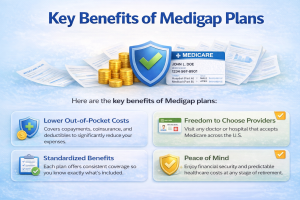
Medigap Plan G is popular because it provides comprehensive insurance coverage that enhances Original Medicare. It’s favored for minimizing out-of-pocket costs associated with Medicare services. As a Medigap plan, it covers most expenses left by Medicare Part A and Part B. This plan is extra insurance you can buy, and with its robust coverage, it’s particularly beneficial for those wanting to pay less upfront for healthcare. Let’s explore why considering Medigap Plan G could be advantageous, especially if you’re seeking peace of mind from unexpected medical expenses.
Why Consider Medigap Plan G?
Choosing Medigap Plan G means adding a layer of financial security to your healthcare. This plan offers full coverage for many services not fully covered by Original Medicare, such as copayments, coinsurance, and the Part A deductible. With Plan G, you won’t need to worry about Part B excess charges, which can arise if your doctor doesn’t accept Medicare assignment. The advantage of Plan G lies in its extensive benefits, providing help where Original Medicare stops. Reducing out-of-pocket costs extensively, it makes healthcare more predictable and manageable, making it an essential consideration for those comparing Medigap insurance policy advantages.
Costs Associated with Plan G
Medicare Supplement Plan G is a popular choice for those looking to reduce out-of-pocket expenses related to healthcare. While Original Medicare covers a significant portion of costs, you’ll still face pocket costs for coinsurance, copayments, and more. Plan G offers additional insurance to ease these expenses. Choosing Plan G means you’ll only be responsible for the Medicare Part B deductible, as the plan covers everything else. It’s vital to understand all costs you’d have, compare options, and determine how this policy can assist with your overall healthcare costs.
What Do You Pay with Plan G?
With Plan G, you’re getting comprehensive coverage that supplements what Original Medicare doesn’t cover. Even so, you’ll have some costs you’d have to handle personally. Primarily, you’ll need to pay the Part B deductible. Once you’ve paid this deductible, Plan G steps in to cover many other expenses. This includes coinsurance for hospital stays and services, as well as excess charges from doctors who don’t accept Medicare assignment. Overall, the out-of-pocket costs with this plan can be minimized, easing financial strain and making healthcare services more predictable. Always consider your healthcare needs and budget when selecting a plan.
Popular Providers of Plan G
When it comes to selecting a provider for your Medicare Supplement Insurance Plan G, it’s important to understand the options available. Many reputable private health insurance companies offer Medigap plans, including Plan G, to complement your Original Medicare coverage. These providers are experienced in handling Medicare services and policies, ensuring you receive comprehensive support. Among the top providers, some well-known names in the insurance industry offer competitive plan benefits. Understanding the role each company plays in offering Plan G can help you compare and find the right coverage for your needs.
What Role Does Humana Play?
Humana, a notable private health insurance company, is among the key providers of Medicare Supplement Insurance, including Plan G. As a large insurer, Humana offers a variety of Medigap policies designed to enhance your Original Medicare plan. Their Plan G option covers many out-of-pocket costs such as copayments and coinsurance, providing substantial support beyond what government-issued Medicare covers. This makes them a strong contender when considering Medigap plan benefits. You can find Humana’s policies easily via their website or speak with a Humana representative to understand their coverage offerings and services. Having Humana as an insurance partner means access to extensive resources to manage your healthcare with ease.
Guidance on Enrolling in Medicare Plans
Feeling confident while enrolling in a Medicare Plan is crucial. Navigating the Medicare landscape, especially with options like Medigap Plan G, can be challenging without the right guidance. Engaging with this process involves understanding the types of coverage each plan offers and how it integrates with your existing healthcare needs. Whether it’s grasping the benefits of Plan G or exploring different policies, having all the information beforehand aids in making informed choices. Let’s dive into how you can effectively navigate enrollment and find the support you need to ensure comprehensive insurance coverage.
How to Get Help with Medigap Plan G
Medigap Plan G is a popular choice for many, but understanding how to get the right help can make the enrollment process smoother. You can find information and assistance through this website or by speaking to one of our licensed insurance agents, or by contacting a private health insurance company offering these services. Their expertise helps demystify complex insurance terms and policies, ensuring that you select the plan that complements your Original Medicare coverage and fits your health and budget needs. Turning to these resources ensures you’re well-informed and confident in your coverage decisions.
Medicare Part G can be a helpful option for covering gaps in Original Medicare. It’s important to assess your health needs, budget, and preferences. To explore Medicare Plan G and compare other choices, enter your ZIP code on our site. Our resources will assist you in understanding the options available. Additionally, when our phone service is available, you can call for personalized support from our team. We’re here to help you feel confident about making an informed decision regarding your Medicare coverage.
Compare plans and enroll online
Frequently Asked Questions
What is Medicare Supplement Insurance Plan G?
Medicare Supplement Insurance Plan G, often referred to as Medigap Plan G, is a supplement plan designed to cover many of the costs that Original Medicare (Parts A and B) does not cover, such as copayments, coinsurance, and excess charges.
How does Plan G compare to other Medicare Supplement plans?
Plan G offers extensive coverage by covering most out-of-pocket costs associated with Medicare-approved expenses, except for the Part B deductible. This makes it a popular choice for comprehensive coverage, with each Medigap plan offering different benefits.
Who is eligible to enroll in Medicare Supplement Plan G?
To be eligible for a Medicare Supplement plan like Plan G, you must be enrolled in both Medicare Part A and Part B. Enrollment typically starts when you turn 65, or in certain cases, after leaving an employer’s health insurance plan.
Does Plan G cover the Part B deductible?
No, Plan G does not cover the Medicare Part B deductible. However, once the deductible is paid, Plan G covers other Part B out-of-pocket costs, such as copayments and excess charges.
How do private insurers offer Medicare Supplement Plan G?
Private insurance companies offer Plan G as part of their Medigap policies. These policies are standardized, meaning the benefits are the same across all insurers, though premiums may vary. To get details, you can contact companies directly or use resources like MedicarePlansGuide.org to compare and understand options.
Have Questions?
Speak with a licensed insurance agent
1-855-398-0716
TTY users 711
Mon-Fri: 8am-9pm ET
Find & Compare Plans Online
ZRN Health & Financial Services, LLC, a Texas limited liability company

Russell Noga is the CEO of ZRN Health & Financial Services, and head content editor of several Medicare insurance online publications. He has over 18 years of experience as a licensed Medicare insurance broker helping Medicare beneficiaries learn about Medicare, Medicare Advantage Plans, Medigap insurance, and Medicare Part D prescription drug plans.