Understanding why Medigap doesn’t cover prescriptions can help you make informed decisions about your healthcare needs. Medigap, or Medicare Supplement Insurance, is designed to fill gaps in Original Medicare, but it doesn’t cover medications. For prescription coverage, you may need a separate Medicare Part D plan. Knowing your options empowers you to choose the right coverage while aligning with your health and budget needs. In this article, we’ll explore why Medigap excludes prescriptions and how you can effectively manage your medication costs through other Medicare options.


Compare Medicare Plans
Compare plans and costs in your area






Why Medigap Doesn't Cover Prescriptions
Key Highlights
- Medigap fills gaps in Original Medicare but does not cover prescriptions; Medicare Part D handles drug costs.
- Medicare consists of Parts A, B, and D; each part has specific roles, including hospital and prescription coverage.
- Medigap policies are standardized; benefits are consistent across insurers, but do not include drug coverage.
- Medicare Part D is crucial for managing prescription costs, offering tailored coverage plans through private insurers.
- Understanding Medicare options empowers you to choose coverage that aligns with your health and budget needs.
Compare plans and enroll online
Understanding Medicare and Its Parts
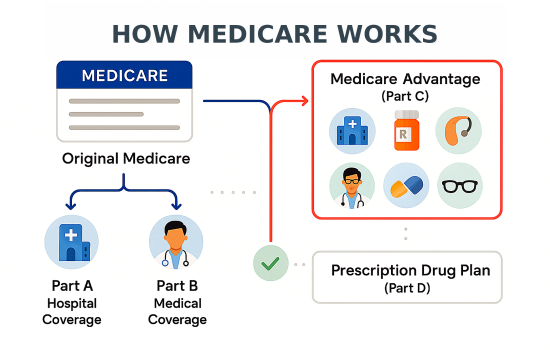
Grasping the essentials of Medicare is the first step toward smart healthcare planning. Medicare, a federal health insurance program, supports individuals aged 65 and older, along with some younger folks with specific disabilities. It has several parts, each offering distinct benefits. Familiarizing yourself with these parts ensures you can choose the coverage best fitting your needs. Part A covers hospital insurance, and Part B covers medical insurance. While Medicare doesn’t typically cover prescription drugs, this is where Part D can help. Let’s delve into the basics of Medicare to build a strong foundation.
Medicare Basics: What You Need to Know
Medicare, as a vital insurance program, is structured into parts, each tailor-made to address specific health care coverage needs. Understanding Medicare’s structure can seem daunting, but breaking it down step by step can offer clarity. Medicare Part A is typically automatic for most people when they turn 65, and it covers hospital stays. If you’re admitted to a hospital, Part A helps with costs like room charges, meals, and general nursing. On the flip side, Medicare Part B is optional and covers outpatient services like doctor visits, preventive services, and some home health care. It’s important to note that both these parts involve certain costs, like premiums, deductibles, and co-pays, which need planning to manage well.
To complement Parts A and B, there’s Medicare Part D, which assists with prescription drug coverage because the original Medicare doesn’t cover prescription costs. It comes as a separate plan that’s crucial if your medication needs aren’t covered by standard Medicare. Additionally, some people opt for Medicare Advantage Plans (Part C), which combine the benefits of Parts A and B, often with added perks, though typically these plans have selective networks of healthcare providers. Navigating these options effectively involves understanding your health needs and weighing the associated costs, coverage, and potential benefits. By knowing these basics, you’re setting a firm foundation to make educated Medicare decisions.
What is Medigap?
Medigap, also known as a Medicare Supplement plan, is designed to work alongside your regular Medicare coverage. Its aim is to help you cover some of the costs that Medicare Parts A and B might not fully cover. These can include deductibles, co-payments, and coinsurance. Medigap plans are offered by private insurance companies and provide a buffer against unexpected healthcare expenses. By understanding Medigap’s role, you can better determine how it complements Medicare, ensuring peace of mind when it comes to managing your healthcare costs.
Exploring Medigap and Its Role
Medigap plans serve a vital function by filling coverage gaps left by traditional Medicare Parts A and B. These Medicare Supplement plans cover a range of out-of-pocket expenses that you’d otherwise be responsible for. This includes deductibles when you’re admitted to a hospital and co-payments for doctor visits or other outpatient services. By reducing these out-of-pocket expenses, a Medigap policy can make your Medicare costs more predictable and manageable over time.
It’s significant to note that Medigap policies are standardized, meaning that benefits remain consistent across different insurers, though premiums may vary. This standardization ensures that when you choose a Medigap plan, you’re getting the same core benefits, regardless of the insurance company. However, some plans might offer additional perks like foreign travel emergency coverage, which can be a great advantage if you travel frequently.
Despite its comprehensive nature, Medigap doesn’t cover everything. Notably, prescription drugs are not part of Medigap’s benefits. To cover these costs, you’d need to enroll in a separate Medicare Part D plan. This distinct division makes it crucial for you to carefully plan your Medicare choices, ensuring you have a comprehensive safety net of healthcare coverage.
Understanding the role of a Medigap plan encourages informed decisions, allowing you to weigh its benefits against your individual needs and circumstances. These Medicare Supplement policies offer reassurance, knowing you have additional coverage to handle the unpredictable nature of healthcare expenses. This align with Medicare’s aim to provide supportive, reliable coverage options for seniors.
Why Medigap Doesn't Cover Prescriptions
Medigap, also known as Medicare Supplement insurance, is designed to help cover out-of-pocket costs not addressed by Medicare Parts A and B. These include expenses like deductibles, co-pays, and coinsurance. However, it’s crucial to know that Medigap doesn’t cover prescription drugs. For prescription coverage, Medicare Part D is the go-to option. Understanding why Medigap plans lack prescription benefits can guide you in building a comprehensive insurance strategy that meets your needs.
Understanding Medigap's Limitations
Medigap plans focus on supplementing traditional Medicare by covering certain out-of-pocket expenses, but they don’t address every need. A Medigap policy is structured to assist with costs from hospital stays, doctor visits, and other services under Medicare Parts A and B. These plans can significantly reduce financial stress by making your healthcare expenses more predictable. While they offer robust support for medical services, Medigap policies don’t include prescription drug coverage. If you’re looking to cover your medication costs, your solution lies in enrolling in a separate Medicare Part D plan.
The absence of prescription coverage in Medigap is deliberate. It’s part of the structured approach to allow consumers the flexibility to choose supplemental plans tailored to their unique needs. Since prescription drug needs can vary widely among beneficiaries, Medicare designed Part D to specifically address this aspect. By keeping drug benefits separate, seniors have more personalized freedom in selecting comprehensive coverage. This strategy allows the flexibility to match different levels of prescription needs and costs, avoiding a one-size-fits-all approach to coverage.
When planning out your Medicare coverage, integrating a Medigap plan with a Part D prescription plan can create a comprehensive coverage scenario that neither plan can offer alone. Knowing these distinctions helps in balancing your medical and prescription cost needs effectively. Emphasizing this separation ensures you or your loved ones aren’t caught off guard by unexpected prescription expenses. Properly layering these plans ensures maximum benefits from both your medical and prescription coverage, providing a balanced, protective health care strategy.
To explore which Medicare coverage options fit your individual needs, enter your ZIP code on our website. Itâ’s a good way to compare plans and see which combinations work best for you. If you’d prefer personalized guidance, feel free to call us once our phone line becomes available.
How Medicare Part D Helps with Prescriptions
Medicare Part D is a standout option for those seeking prescription drug coverage. While Medigap plans focus on covering out-of-pocket expenses for medical services, they don’t cover prescriptions. That’s where Part D comes into play. As a separate plan designed specifically for drug costs, Part D complements your existing Medicare coverage, ensuring you aren’t left uncovered when it comes to medications. Understanding how Part D integrates with other Medicare parts is crucial for a comprehensive coverage approach, allowing you to manage costs effectively and minimize unexpected expenses for your prescriptions.
Why You Might Need Part D
If you’re getting Medicare, you’ve likely noticed that original Medicare Parts A and B don’t help with prescription drug costs. This gap can pose challenges if you’re reliant on medications to manage your health. Medicare Part D is tailored to fill this void by offering specific prescription drug coverage. Enrolling in a Part D plan can significantly reduce the financial burden of medication costs. With rising drug prices, having a plan that provides prescription benefits can ensure that your healthcare remains manageable and predictable.
Part D is available through private insurance companies, and these plans vary. You’ll find a variety of premiums, co-pays, and covered drugs. It’s essential to choose a plan that aligns with your medication needs and financial situation. Some plans might cover the drugs you need at a lower cost, while others may offer advantages such as no deductible or lower co-payments. Understanding these details can help you pick a plan that matches your prescription and budget needs.
Another advantage of Part D is the structure it offers. Each plan has a formulary, which is a list of covered medications. By examining the formularies of different plans, you can ensure that your medications are covered. This strategic planning allows you to avoid unexpected out-of-pocket costs for essential drugs. Additionally, many Part D plans offer access to discounted medications at local pharmacies, which can further ease the financial burden.
Furthermore, some people worry about the coverage gap, sometimes called the “donut hole.†This is a period during which you might pay higher out-of-pocket costs for your drugs. Recent changes have worked to minimize the impact of this gap, ensuring that your access to medication remains steady and affordable. Considering all these elements, Medicare Part D stands as a vital element of a complete Medicare strategy, safeguarding your health and financial well-being. To explore Medicare options, enter your ZIP code on our website, or call for personalized help when our service line is available.

Comparing Medicare Coverage Options
Understanding the variety of Medicare coverage options is key to making informed healthcare decisions. As you delve into the comprehensive landscape of Medicare, you’ll encounter plans like Medicare Advantage, Medigap, and Medicare Part D. Each option presents unique benefits and potential coverage gaps, making it essential to assess how they align with your personal health needs and financial situation. Exploring these different plans can empower you with the knowledge to choose coverage that not only fits your lifestyle but also protects you from unforeseen medical costs.
Finding the Right Fit for Your Needs
Navigating the array of Medicare options can feel overwhelming at first, but breaking it down into manageable steps makes the process more approachable. When evaluating which Medicare plan is right for you, consider your specific healthcare needs and financial priorities. Original Medicare, consisting of Part A and Part B, provides a baseline level of hospital and medical coverage. However, it often requires supplementation to cover all potential expenses effectively.
Medigap policies, for example, can be valuable additions to your Medicare strategy. These plans, also known as Medicare Supplement policies, are designed to fill coverage gaps left by Original Medicare. By handling out-of-pocket costs such as deductibles and co-pays, Medigap offers financial predictability. Nonetheless, these policies don’t cover prescriptions, which is where Medicare Part D becomes essential. Opting for a separate Part D plan ensures that your medication needs are met without financially overwhelming you.
If you prefer a bundled approach, Medicare Advantage (Part C) might be appealing. These plans generally combine the coverage of Parts A and B, often including Part D, plus additional benefits like dental, vision, or hearing. Keep in mind, though, that Medicare Advantage plans may restrict you to a specific network of providers, unlike Original Medicare. Therefore, deciding if this network suits your healthcare providers is key.
To make the best choice, compare the benefits, costs, and coverage of each plan carefully. Use our website to input your ZIP code and explore options tailored to your region. This step will help you weigh the advantages of various plans against your personal circumstances. Remember, understanding your Medicare options is the first stride toward comprehensive healthcare coverage, giving you the peace of mind that your health needs are managed effectively. For more personalized assistance, our phone line will soon offer direct support to guide your Medicare journey.
Exploring Additional Medicare Plans
When considering Medicare, exploring additional plans beyond the basics can enhance your coverage and provide peace of mind. Medicare Advantage, Medigap, and Part D plans each offer unique benefits that cater to different needs. Understanding how these can fit into your overall strategy is key. Whether you’re looking for comprehensive care through Medicare Advantage or supplemental support with a Medigap policy, knowing your options helps balance coverage and costs. For those needing prescription drug benefits, a Part D plan fills in vital coverage gaps. Each choice requires careful examination to ensure it aligns with your lifestyle and health requirements.
How Ancillary Plans Provide Extra Protection
Beyond the foundational Medicare plans, ancillary plans offer additional layers of protection that can be crucial for those seeking comprehensive health coverage. These include dental, vision, and hearing (DVH) plans, hospital indemnity plans, cancer insurance, and critical illness insurance. While Medicare Advantage often includes some of these benefits, standalone ancillary plans may offer more extensive coverage. DVH plans, for instance, cover routine exams, procedures, and corrective devices, filling a significant gap in traditional Medicare coverage.
Hospital indemnity insurance can be beneficial if you’re hospitalized and want to shield yourself from unexpected costs that regular Medicare may not cover completely. These plans typically pay a set amount for each day you’re in the hospital, providing a financial buffer that can be used for any hospital-related costs that exceed what Medicare covers. Meanwhile, cancer insurance focuses on providing financial support during cancer treatments, addressing costs that might not be fully covered by your primary insurance plan.
Additionally, critical illness insurance steps in to cover costs associated with severe health issues like a heart attack or stroke. This can include non-medical expenses, such as transportation or home modifications, ensuring a comprehensive safety net. When integrated with your primary Medicare coverage, these plans offer a tailored approach to managing health risks, especially for those with specific health concerns. By evaluating ancillary plans, you can assemble a robust health insurance portfolio that protects you from various angles.
Choosing the right combination of Medicare and ancillary plans requires a thoughtful assessment of your health needs and financial capabilities. By entering your ZIP code on our site, you can compare the coverage and benefits of different options available in your area. This proactive step empowers you to make informed decisions that align with your healthcare journey, preparing you for any eventualities. For more personalized guidance, once our phone line is available, you’ll be able to connect with our experts to help navigate your options.
Find & Compare Plans Online
Tips for Navigating Medicare Choices
Making informed decisions about Medicare can feel overwhelming, but with a few tips, you can navigate your options with confidence. Whether you’re looking into Medicare Advantage, Medigap, Part D, or other plans, understanding your healthcare needs and preferences will guide your choices. Each plan offers unique benefits to cater to different coverage gaps and costs. By assessing these options, you’ll be prepared to match them with your lifestyle and financial situation. These tips aim to simplify the complexities of Medicare, ensuring you choose the coverage that best suits your needs.
Simple Steps to Choose the Right Coverage
Finding the right Medicare coverage doesn’t have to be confusing. Start by evaluating your healthcare needs. Consider factors like your current prescriptions, doctor preferences, and any anticipated health changes. This can help you determine which benefits, such as prescription drug plans or Medigap policies, are essential for your situation. Remember, Medicare Part D is crucial if you need prescription coverage, as it complements your Original Medicare by covering drug costs not included in Parts A and B.
Next, assess your budget. Medicare includes various costs, such as premiums, deductibles, and co-pays. Understanding these expenses helps you plan effectively. For example, Medigap policies can cover some out-of-pocket expenses left by Original Medicare, which might save you from unexpected costs. Meanwhile, Medicare Advantage plans often bundle services like dental, vision, and sometimes Part D, offering a different way to manage healthcare expenses.
Comparison shopping is key. Use reliable resources like MedicarePlansResource.org to compare benefits and costs. Inputting your ZIP code can show you available plans in your area, allowing you to compare essential features such as provider networks and prescription coverage. Remember, each plan’s policy details matter, so read through them carefully.
Seek assistance if needed. If you find the options overwhelming, reach out for professional help. While our phone line will soon provide direct guidance, lean on community resources or workshops that offer clarity without sales pressure. Understanding your Medicare choices should empower you, not stress you. By taking these steps, you’ll make informed, balanced decisions, ensuring your Medicare strategy aligns with your health and financial goals.
Common Questions About Medicare
Medicare, a key federal health insurance program, often sparks many questions. This section answers some of the most common inquiries, aiming to demystify the components of Medicare and coverage options like Medigap and Part D. By breaking down these elements, you’ll gain a clearer understanding of how different Medicare plans interact, what they cover, and any additional insurance options you might consider for a comprehensive healthcare strategy.
Key Answers for Your Medicare Journey
Embarking on your Medicare journey can feel like a venture into the unknown, but understanding the essentials helps light the way. Let’s address some foundational questions that arise when navigating Medicare options. First and foremost, it’s important to recognize that the core of Medicare is structured into several parts: Part A for hospital insurance and Part B for medical services. For those new to Medicare, knowing the distinction between these parts is crucial as they lay the groundwork for the entire Medicare framework.
One common question is about the additional benefits that might not fall under the main Medicare Parts A and B. That’s where supplemental insurance, often called Medigap, plays a key role. Medigap helps cover out-of-pocket costs like deductibles and co-pays that your original Medicare doesn’t handle. It’s a private insurance policy, acting as a safety net against unexpected medical expenses, allowing you to focus more on your health rather than costs.
Another frequent question involves prescription drug coverage. Neither Parts A nor B cover outpatient medications, which leads many to ask whether Medigap includes prescription benefits. Generally, Medigap plans don’t cover prescription drugs, which is a significant point to understand. Instead, Medicare Part D is specifically designed to cover prescription drugs. Enrolling in a Part D plan ensures that your medication needs are met, filling a critical gap left by other parts of Medicare. This separation allows for flexibility, letting you choose plans based on specific prescription needs, which often vary among individuals. With a Part D plan, you can manage drug costs more directly and potentially offset rising medication expenses.
While exploring Medicare further, you might also wonder about how Medicare Advantage plans fit into the picture. These can be appealing as they bundle Parts A and B, and often Part D, into one plan. This makes it easier for some people to manage their coverage under one umbrella. However, remember that Medicare Advantage plans can restrict you to specific provider networks. Choosing between original Medicare paired with Medigap or opting for a Medicare Advantage plan involves weighing the pros and cons, such as how much freedom you want in accessing healthcare providers.
As we continue our Medicare journey, these answers provide a foundation to guide your decisions. For a clearer view of your available options, enter your ZIP code on our website to compare different Medicare plans tailored to your area. Our service will soon offer personalized phone support, ensuring you have all the assistance needed in making your Medicare choices.
Compare Medicare Plans Today
Choosing the right Medicare plan can greatly impact your healthcare experience. By understanding available options, you’ll better align your coverage with personal health needs and financial goals. Whether you’re considering traditional Medicare, Medicare Advantage, or Medigap, each offers distinct benefits and costs. It’s important to compare these thoroughly. Determining the right combination can protect you financially and ensure comprehensive coverage. Let’s delve deeper into how you can navigate this landscape by entering your ZIP code. This step can clarify available options, helping you decide confidently.
Find Your Medicare Options By Entering Your ZIP Code
Understanding your Medicare options starts with a simple step: entering your ZIP code on a reliable comparison tool. This action allows you to see a range of Medicare plans available in your area, acting as a gateway to a more informed decision-making process. By comparing plans side-by-side, you can better evaluate how different Medicare Advantage plans, Medigap policies, and Part D prescription drug plans stack up. Each plan will vary in terms of costs, provider networks, and specific benefits, reflecting the diverse needs of seniors.
When you begin this process, the system considers factors such as local healthcare provider affiliations and pharmacy networks, which can significantly influence how a plan meets your needs. For instance, Medicare Advantage plans often have targeted networks, making it crucial for you to ensure any preferred doctors or hospitals are included. These details offer a tailored breakdown of insurance costs versus benefits, helping you weigh how a lower premium might result in higher out-of-pocket expenses elsewhere.
Furthermore, inputting your ZIP code can help highlight any additional benefits that could sway your choice, like vision, dental, or hearing coverage, often packaged in some Medicare Advantage plans. Some plans may also offer wellness programs or gym memberships, which can be an appealing add-on.
Ultimately, entering your ZIP code is the first stride toward customizing your Medicare coverage to your needs. It opens the door to a comprehensive comparison, equipping you with the knowledge needed to navigate the complexities of Medicare insurance confidently. Remember, your healthcare coverage should adapt to your lifestyle, health needs, and financial circumstances. For those seeking a more personalized touch, once our phone service becomes available, speaking directly to a licensed insurance expert remains an option. This ensures that all your queries are addressed in a supportive and informative manner.
Understanding why Medigap doesn’t cover prescriptions helps you explore other options like Medicare Part D for your medicine needs. Remember, each individual’s coverage needs are different. You’ll want to match the coverage to your situation. To compare your options and find a plan that fits you, enter your ZIP code on our site. Knowledgeable support is also available when our phone number is launched. Whether researching for yourself or a loved one, we’re here to support you in making informed decisions with confidence.
Compare plans and enroll online
Frequently Asked Questions
Why doesn't Medigap include prescription drug coverage?
Medigap plans are designed to supplement Original Medicare by helping pay certain out-of-pocket
costs for Medicare Part A and Part B services. Prescription drug coverage is not included because
outpatient prescription drugs are covered separately under Medicare Part D.
Did Medigap ever include prescription drug benefits?
Older Medigap plans sold before 2006 sometimes included limited prescription drug coverage.
However, when Medicare Part D was introduced, new Medigap policies were no longer allowed to
include drug coverage.
How do seniors with Medigap get prescription drug coverage?
Seniors who have Medigap typically enroll in a standalone Medicare Part D prescription drug plan.
Part D plans are offered by private insurers and work alongside Original Medicare and Medigap to
help cover outpatient prescription medication costs.
What happens if someone with Medigap does not enroll in Part D?
If an individual with Medigap does not enroll in Medicare Part D when first eligible and does not
have other creditable drug coverage, they may face a late enrollment penalty if they enroll in
Part D later. Coverage rules and penalties are set by Medicare.
Have Questions?
Speak with a licensed insurance agent
1-855-398-0716
TTY users 711
Mon-Fri: 8am-9pm ET
Find & Compare Plans Online
ZRN Health & Financial Services, LLC, a Texas limited liability company

Russell Noga is the CEO of ZRN Health & Financial Services, and head content editor of several Medicare insurance online publications. He has over 18 years of experience as a licensed Medicare insurance broker helping Medicare beneficiaries learn about Medicare, Medicare Advantage Plans, Medigap insurance, and Medicare Part D prescription drug plans.