Navigating Medicare Part D can feel overwhelming for many seniors and caregivers. With countless prescription drug plans available, making the right choice is crucial for managing medication costs and wellness. This guide breaks down the essentials of selecting a Medicare Part D plan. We aim to provide you with clear, helpful information to help you make informed decisions with confidence. Learn what to consider, compare options, and find the coverage that fits your personal needs. Empower yourself with the knowledge needed to navigate the world of Medicare prescription drug plans today.

Compare Medicare Plans
Compare plans and costs in your area






How To Choose A Medicare Part D Plan
Key Highlights
- Medicare Part D plans provide essential prescription drug coverage for medications not covered by Original Medicare.
- Seniors should evaluate prescription needs and plan formulary lists to ensure medication coverage aligns with health goals.
- Part D plans vary by provider, offering flexibility in choosing plans with different premiums, benefits, and drug formularies.
- Open enrollment allows seniors to review and adjust Medicare Part D plans annually, ensuring optimal coverage and fit.
- Understanding plan costs, including premiums, deductibles, and copayments, is crucial for aligning health needs with financial capacity.
Compare plans and enroll online

Understanding Medicare Part D
Medicare Part D is an essential part of the Medicare plan puzzle, offering important drug coverage for medications that Original Medicare doesn’t include. With various private providers offering diverse plans, it’s key to grasp how this component fits into the broader Medicare services. We’ll break down what Part D is, why it matters for seniors, and how understanding these foundations can help you become a savvy shopper during open enrollment periods. This comprehension aids in making informed decisions while avoiding surprises related to monthly premiums or coverage gaps.
What is Medicare Part D?
Medicare Part D plans are separate Medicare drug plans that provide prescription drug coverage. Offered through private insurance providers, these plans work alongside Original Medicare to cover medications that you’d normally pay out-of-pocket. Each Medicare Part D plan’s benefits can differ significantly, so exploring your options during the open enrollment period is crucial. Part D became a part of the healthcare landscape to mitigate the financial burden of prescription medications that many older adults face. Having this drug plan can mean the difference between affordable medication and a strain on your budget.
One of the important aspects of Medicare Part D is its design to cover both generic and brand-name drugs. Although all plans must follow Medicare’s guidelines, they can vary in their star ratings, which indicate how well they perform in offering services. Checking a Medicare plan’s star rating on medicare.gov can guide you in comparing your options effectively. Additionally, while reviewing plans, it’s useful to understand terms like formularies, which are the lists of covered drugs. Each plan may have a different formulary, meaning the same medication can vary in cost depending on the Medicare drug plan you choose.
Monthly premiums can also fluctuate between plans. Understanding these premiums, along with other costs like copayments and deductibles, helps in assessing the total cost of a prescription drug plan. Some plans offer a distinct benefit by including the coverage gap phase, also known as the “donut hole,” under certain conditions, which helps limit what you pay for prescriptions after you’ve exceeded initial coverage limits. As a savvy shopper, knowing these variations equips you better to select a plan that suits your healthcare and financial needs. Part D is one of the key ways Medicare supports the aging population by reducing out-of-pocket drug expenses and integrating smoothly with Medicare Advantage plans or remaining as an add-on to Original Medicare.
To help you better understand and evaluate Medicare Part D plans, consider the following key factors when comparing your options:
- Compare star ratings on medicare.gov to evaluate plan performance.
- Review each plan’s formulary for coverage of your specific medications.
- Assess monthly premiums alongside potential copayment and deductible costs.
- Examine each plan’s approach to the coverage gap or “donut hole.”
- Look for any additional benefits unique to certain plans.
- Understand the network of pharmacies included in the plan.
Remember, these points aim to provide a clearer pathway to selecting a Medicare Part D plan that aligns with your needs.
Why Part D is Important for Seniors
For seniors, Medicare Part D is crucial because it addresses a fundamental need: affordable access to necessary prescription drugs. As we age, the chances of developing chronic conditions that require ongoing medication rise. Part D helps alleviate the financial impact of managing these conditions. Without a proper Medicare drug plan, the out-of-pocket costs for prescriptions could become overwhelming. By incorporating Part D into your Medicare plan, you’re investing in long-term savings and health maintenance.
The importance of Medicare Part D extends beyond just financial relief. Prescription drug benefits offered by Part D plans ensure that seniors have access to the medications they need to maintain their quality of life. This access helps prevent complications from untreated health conditions, thus reducing hospital visits and the need for more intensive medical services. When you enroll in a Part D plan, you’re taking a proactive stance on your healthcare, highlighting the significance of both preventive care and effective management of existing health conditions.
Navigating through the open enrollment process with a clear understanding of Part D helps leverage opportunities to select plans that offer optimal drug coverage. Providers frequently adjust their benefits, premiums, and coverage annually, making it vital to review your plan regularly. Look out for any changes, particularly in the formulary. If a drug you’ve relied on is no longer covered or has shifted tiers, resulting in higher costs, knowing this during the open enrollment period allows you to explore alternative plan options or to speak with providers about potential solutions.
Moreover, acquainting yourself with Medicare Advantage plans that include Part D coverage can be a strategic move. These all-in-one plans often offer comprehensive services beyond drug coverage, such as dental or vision, making them a valuable choice for seniors who prefer bundled benefits. The bottom line is, by securing a Medicare Part D plan, seniors ensure sustained financial stability while receiving extensive drug coverage that supports their health and well-being. Always remember, whether it is through Original Medicare with a separate Part D plan or a Medicare Advantage plan with drug coverage included, understanding your benefits empowers you to make decisions that align closely with your health needs.
Key Features of Part D Plans
Medicare Part D plans offer a range of key features that make them an essential consideration for anyone with Medicare. These plans provide prescription drug coverage, helping to reduce out-of-pocket costs for medications. Offered by private providers, Part D plans differ in benefits, giving seniors the ability to choose coverage that suits their needs. By understanding these features, including the plan’s star rating and monthly premium, you can make informed decisions during open enrollment. Let’s explore how Part D provides drug coverage and the various options available, ensuring you remain a savvy shopper as you evaluate your choices.
How Part D Provides Drug Coverage
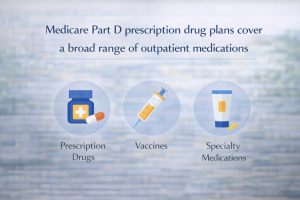
Medicare Part D is designed to bridge the gap left by Original Medicare by providing prescription drug coverage for seniors. These plans are offered by private insurance providers and are available to anyone eligible for Medicare benefits. One of the significant advantages of Part D is that it helps manage the costs associated with prescription medications, which can be a substantial financial burden as we age. Prescription drug plans under Part D cover both generic and brand-name drugs, ensuring you have access to a wide variety of medications without bearing the full cost out-of-pocket.
The coverage provided by Part D varies by plan, as each insurer offers different benefits and formulary lists. Formularies are comprehensive lists of covered drugs, and understanding these is vital since the cost of specific medications can differ between plans. Checking the formulary of a plan can help determine whether your necessary prescriptions are included, which can save you unexpected expenses. Additionally, many plans provide useful benefits like coverage in the “donut hole,” a phase where out-of-pocket expenses typically increase after reaching certain initial limits.
Another important aspect of Part D is the annual star rating each plan receives, accessible through medicare.gov. This rating evaluates a plan’s performance, customer satisfaction, and other key services, guiding you to compare Medicare plans based on quality. Understanding these star ratings can enhance your decision-making process, ensuring you select a plan that aligns well with your healthcare expectations and needs.
Part D plans also entail a monthly premium alongside Original Medicare or Medicare Advantage plans. These premiums can vary widely; therefore, evaluating your budget and healthcare needs is critical. As you enter the open enrollment period, it’s beneficial to compare the costs and coverage of available plans. Being informed can help you select a Part D plan that suits your financial situation and lifestyle, ensuring you have the right level of drug coverage.
Different Options Available in Part D
When considering Medicare Part D, it’s crucial to be aware of the different options available, as each can provide unique advantages. The diversity in plans allows seniors to choose the type of coverage that best fits their medical and financial needs. While Original Medicare covers hospital and medical services, adding a Part D plan or choosing a Medicare Advantage plan with included drug coverage enhances your insurance to cover prescriptions.
Stand-alone Part D plans are a common choice, allowing you to pair them with Original Medicare. They specifically focus on offsetting the cost of medications, providing you with flexibility in choosing drug coverage. Alternatively, Medicare Advantage plans often bundle prescription drug benefits with other services like dental and vision, offering a single, comprehensive plan. These all-in-one solutions can be ideal for those seeking more cohesive coverage but require careful evaluation of costs, benefits, and provider networks.
As a savvy shopper, it’s important to consider key factors when comparing Part D options. The formulary, monthly premium, and star rating are critical components that should influence your decision. Each of these factors can help you determine the most suitable plan based on which prescriptions you need, your provider preferences, and your budget. Also, consider the plan’s additional benefits, such as pharmacy networks and mail-order services, which can enhance convenience and cost savings.
When assessing options, make a list of your current medications and any specific questions or concerns you may have about coverage. This will help as you navigate the open enrollment process, ensuring you choose a plan that accommodates your medical needs. Participating in open enrollment gives you the opportunity to reevaluate plans annually, stay informed about potential changes, and choose the best coverage for your evolving needs.
In summary, understanding the different options in Medicare Part D is a pivotal step in securing your drug coverage. Whether opting for a stand-alone Part D plan or exploring a Medicare Advantage plan, being well-versed in the costs and benefits equips you for making confident, informed decisions. Keep in mind that your health needs can change over time, so staying proactive about these options will help ensure continued access to essential medications.
As you explore Part D and other Medicare options, remember you can enter your ZIP code on our site to compare plans tailored to your area. You can also reach out for personalized support when our phone line is available, ensuring you receive compassionate and clear guidance in selecting the right Medicare plan.
Find & Compare Plans Online
Evaluating Plan Costs
Understanding Medicare Part D plan costs is critical for ensuring you choose a suitable drug coverage plan. These costs include the monthly premium, which varies by provider, as well as potential out-of-pocket expenses such as copayments and deductibles. By looking closely at these factors, you can better align your healthcare needs with your financial situation. Knowing what affects your plan costs and how to compare options helps you make an informed decision during enrollment. This guide will help you identify what impacts costs and illustrate effective comparisons for Medicare Part D plans.
Factors That Affect Your Plan Costs
Many factors influence what you’ll pay for a Medicare Part D plan, where understanding each element can help you budget accordingly. The monthly premium, which is the amount you pay to maintain your policy, varies across different plans and providers. Some plans may have lower premiums but higher out-of-pocket costs when you fill your prescriptions, while the opposite can be true for others. Evaluating your prescription needs and financial capacity should guide your choice here.
Beyond the monthly premium, other cost components include deductibles and copayments. A deductible is the amount you need to pay out-of-pocket before your insurance begins to cover your drug costs. Plans with higher deductibles might offer lower monthly premiums, but consider how often you will reach that deductible if you have ongoing medication needs. On the other hand, copayments are shorter fees you pay each time you fill a prescription, and these can vary significantly depending on whether you use generic or brand-name drugs.
An important development in Medicare Part D plans over the years is the “donut hole” or coverage gap. This period begins once your total prescription costs exceed a certain threshold, causing out-of-pocket expenses to rise until you hit the catastrophic coverage stage. Fortunately, changes to the Medicare process mean more drugs are covered during this gap under some plans, which could be a deciding factor when selecting coverage.
Formularies also play a crucial role in determining costs. A formulary is a list of the drugs a plan covers, and it’s essential that you ensure your prescribed medications are included. The cost-sharing of these medications can vary based on which tier they fall into, according to the plan’s formulary. It’s possible you might have to pay more for drugs categorized less favorably on certain plans, making it vital to analyze these lists before enrolling.

Comparing Part D Costs and Benefits
Being a savvy shopper involves not just understanding potential expenses but also comparing them across different Medicare Part D plans for a comprehensive perspective. One practical method to compare costs is by visiting the Medicare.gov website. Here, you can research various available plans by inputting your ZIP code, allowing you to evaluate options tailored specifically to your local area. This site helps you examine plan costs, star ratings, and benefit details conveniently in one place.
The star rating is another valuable resource when selecting plans, as it provides insights into plan quality from customer service to coverage offerings. Plans are rated from one to five stars, with higher ratings indicating better performance and customer satisfaction. Choosing a higher-rated plan may give more reliable service, impacting both the quality of care you receive and the efficiency of services provided by your selected provider.
Open enrollment provides the perfect opportunity to assess these ratings and costs since it allows you to switch plans if your current coverage no longer meets your needs. Pay close attention to any changes in premiums, formularies, and out-of-pocket expenses due to these plans frequently adjusting details annually.
Additionally, when comparing Part D plans, examine any supplemental benefits that might particularly benefit your lifestyle, such as pharmacy network preferences, mail-order options, or additional perks like wellness discounts. Some plans offer incentives if you prefer getting medications via mail order, often saving on the prices you’d typically incur when picking up from a physical pharmacy.
Ultimately, whether you decide on a stand-alone Part D plan or a Medicare Advantage plan that includes drug coverage, keeping a checklist can be extremely helpful. List out your current prescriptions and potential medical concerns you foresee needing coverage. This list should accompany any questions you might have as you begin enrollment, ensuring you understand each plan’s nuances. Armed with this knowledge, you can make informed choices that support your health and financial well-being.
As you’re evaluating Part D plan costs, remember you can enter your ZIP code on our site to compare Medicare options. Additionally, when our phone number is available, you can call us for personalized guidance to better understand your Medicare planning journey.
Choosing the Right Prescription Drug Coverage
Selecting the best Medicare Part D plan is crucial for seniors who need prescription drug coverage. It’s essential to consider your medication needs, available plan options, and how they align with your healthcare goals. Understanding the various aspects of these plans can help you make informed decisions during open enrollment periods. In this guide, we’ll detail how to assess your medication needs and provide a comprehensive checklist to compare Part D plans effectively. By focusing on these key factors, you’ll feel more confident in choosing a plan that supports your health and financial stability.
Consider Your Medication Needs
When it comes to selecting a Medicare Part D plan, your specific medication needs should be at the forefront of your decision-making process. As we age, our health conditions may require regular prescription drugs, making it imperative to find a plan that offers the right drug coverage for your individual situation. Start by taking stock of all your current medications. List each prescription, noting the dosages and frequency. This inventory will assist in evaluating which Part D plans include these drugs in their formularies, official lists of covered medications, since not all plans cover the same prescriptions.
Conducting thorough research on your medication needs means looking beyond what’s immediately obvious. Consider any future health concerns that might require additional prescriptions. Think about family medical history for clues on potential conditions that could arise. Anticipating these needs can ensure your chosen plan remains beneficial even as your health situation changes over time. Formulary searches can help here, allowing you to see how your drugs are tiered within different plans, which affects out-of-pocket costs like copayments and deductibles.
Next, explore what additional benefits each plan offers regarding drug coverage services. Some plans provide mail-order benefits, which can be a convenient option if frequent trips to the pharmacy are challenging. These services frequently come with cost reductions, which might lower your monthly spending significantly. Notably, assessing the coverage gap or “donut hole” phase is important. While some plans provide assistance during this phase, others might not, influencing your overall expenditure on prescriptions once you surpass initial coverage limits.
Remember to check the plan’s star rating, which reflects the quality and performance of the plan and is a key factor available on medicare.gov. A higher star rating often indicates better customer satisfaction and service provision, offering insight into the plan’s reliability when covering medication needs. Utilize these ratings alongside your medication assessment to identify plans offering not just adequate coverage but exemplary service standards as well. With a comprehensive assessment of your prescription needs, you can select a Medicare Part D plan that aligns with your health requirements, budget, and peace of mind.
Checklist to Compare Part D Plans
Creating a checklist to compare Medicare Part D plans is a strategic step in navigating your options efficiently. This checklist serves as a roadmap, ensuring you consider all essential aspects before making a decision. First on your checklist should be the monthly premium. Understanding the cost of maintaining a plan is crucial, especially if you’re managing a fixed income. Make a note of the premium costs and evaluate them against your budget to find what’s manageable without compromising other financial needs.
Include the plan’s formulary on your list. This will help you gauge whether your critical prescriptions are covered under the plan’s terms. Verify not only the presence of your medications but also their tier status, as this affects how much you pay out-of-pocket for each refill. If a particular drug is in a higher tier, it might involve higher costs, so it’s vital to analyze how formularies vary between plans.
Your checklist should also account for deductibles and copayments that come with prescription drug benefits. These are costs you encounter each time you fill a prescription, and they vary by plan. A comprehensive understanding of these expenses ensures you aren’t caught off guard by unexpected costs when visiting your pharmacy. Evaluate these financial aspects by matching them with your prescription usage to determine which plans offer the best value.
Don’t forget the star rating as a component of your checklist. Since these ratings measure plan performance, they’ll guide you towards high-quality options. Aim to choose a plan with a favorable star rating to ensure a reliable level of service, increasing your satisfaction throughout your enrollment.
Consider plan services, including network pharmacies and mail-order options. Some plans provide lower prices if prescriptions are mailed, which can be more convenient and economical than visiting local pharmacies. Explore additional benefits like wellness discounts that some plans offer. These can add value and help maintain broader health beyond prescriptions.
Lastly, take advantage of open enrollment to reassess all options thoroughly. Plans and coverage levels change annually, providing the annual chance to switch if your needs outgrow your current plan. Having this checklist on hand when comparing options guarantees a comprehensive review, setting you up to choose a Part D plan that’s both financially sustainable and health-forward.
For further assistance, enter your ZIP code on our site to compare your Medicare options and determine local plans that fit your needs. Also, once our phone number is available, feel free to call us for personalized guidance and support, ensuring you make the most informed choice possible for your Medicare Part D plan.
Common Questions About Part D
Medicare Part D is a complex topic that often raises many questions for seniors seeking prescription drug coverage. Understanding common concerns can help demystify Part D before you choose a plan. From enrollment processes to monthly premiums, let’s dive into answers that clarify the intricacies of Part D, ensuring you’re well-prepared for open enrollment. Whether you’re a savvy shopper evaluating benefits or exploring providers, knowing the answers to your top questions will empower you to make informed Medicare Part D decisions.
| Key Concern | Details | Important Dates | Additional Tips |
|---|---|---|---|
| Enrollment Period | Annual open enrollment for Medicare Part D is when you can join or change your plan. | October 15 – December 7 | Review your current plan and compare new plan offerings each year. |
| Coverage Gap | This refers to the temporary limit on what the drug plan will cover for prescription drugs, often called the “donut hole”. | Varies based on individual expenditure and plan specifics. | Consider generic drugs or other cost-saving options during this time. |
| Cost | Costs include premiums, deductibles, copayments, and coverage gaps. | Plan details are typically released in the fall prior to enrollment. | Evaluate overall yearly costs, not just premiums, to determine financial fit. |
| Plan Changes | Plans can change their coverage and costs annually, affecting your benefits and expenses. | Updates are announced each fall before open enrollment. | Stay informed about changes to ensure optimal benefits each year. |
This table succinctly illustrates the essential considerations and resources available for navigating Medicare Part D.
Answers to Your Top Questions
When approaching Medicare Part D plans, it’s common to have multiple questions about how they operate and what to expect. Often, seniors wonder about the enrollment process, particularly the open enrollment period, which is crucial for selecting a suitable plan. Open enrollment occurs annually from October 15 to December 7, allowing you to review changes in plan benefits, costs, and provider networks. This period is essential for updating your coverage to match evolving prescription needs, whether you’re dealing with new medications or shifting healthcare needs as part of the aging process.
Another frequent question concerns the costs involved, especially the monthly premiums for Part D plans. These premiums vary depending on the provider and specific plan you choose. Although some plans might offer lower premiums, they may also have higher out-of-pocket expenses such as copayments or deductibles for services. It’s vital to balance these costs against your budget and prescription requirements. People often utilize resources like medicare.gov to compare these financial aspects effectively. Understanding your star rating options is another key factor, as it measures the quality of Part D plans, encompassing elements like customer satisfaction and service reliability.
Additionally, seniors often ask about the coverage specifics of Part D plans. Each plan has a formulary, a list of covered drugs, which can differ substantially between providers. Ensuring that your necessary prescriptions are included is crucial to avoid unexpected out-of-pocket expenses. As a savvy shopper, verifying coverage in the “donut hole” phase is also important, where costs temporarily rise after you reach initial coverage limits. Some plans provide coverage during this period, which can prevent steep medication expenses.
Finally, concerns about provider options and accessibility frequently arise. Medicare Part D plans are offered by private insurance providers, which means that the network of pharmacies or mail-order services associated with them can vary significantly. Evaluating these networks against your convenience and any special services that a plan might offer, such as mail-order benefits or expanded pharmacy options, is essential. This can ensure you receive prescriptions swiftly and cost-effectively. For those balancing numerous prescriptions, looking into services that provide discounts or wellness programs can further enhance your Part D plan’s value.
In summary, addressing your top questions about Medicare Part D involves understanding each component’s intricacies, from enrollment to cost analysis and benefit evaluations. Armed with this knowledge, you’re better positioned to select a plan that meets your healthcare requirements and fits your budget. Remember, for personalized support, you can enter your ZIP code on our site to explore Medicare options in your area, and contact us once our phone number is available for expert guidance tailored to your specific needs.
Choosing the right Medicare Part D plan can feel like a big task, but you’re not alone! MedicarePlansGuide.org is here to help you compare options with ease. Enter your ZIP code on our site to see plans available in your area. This is a simple way to evaluate coverage choices that meet your needs. Feel free to call us for personalized assistance once our phone number is available. We’re committed to guiding you through the Medicare journey with clear and friendly support!
Compare plans and enroll online
Frequently Asked Questions
What should I consider first when choosing a Medicare Part D plan?
A good starting point is reviewing your current prescription medications. Comparing how each plan covers those drugs can help identify which options may better align with your needs.
Why is checking the plan's formulary important?
Each Part D plan has a formulary that lists covered medications and their assigned tiers. Reviewing the formulary helps confirm whether your prescriptions are covered and what your potential costs may be.
How do pharmacy networks affect Part D plan costs?
Many plans use preferred pharmacy networks that offer lower costs when prescriptions are filled at certain locations. Using an out-of-network or non-preferred pharmacy may result in higher out-of-pocket expenses.
Should I compare premiums or total yearly costs?
While monthly premiums are important, comparing estimated total yearly costs can provide a clearer picture. This includes deductibles, copayments, coinsurance, and potential coverage gaps.
Can I change my Part D plan if my needs change?
Plan changes are generally made during the Annual Enrollment Period or other qualifying enrollment periods. Reviewing coverage annually can help ensure your plan continues to meet your medication and budget needs.
Have Questions?
Speak with a licensed insurance agent
1-855-398-0716
TTY users 711
Mon-Fri: 8am-9pm ET
Find & Compare Plans Online
ZRN Health & Financial Services, LLC, a Texas limited liability company

Russell Noga is the CEO of ZRN Health & Financial Services, and head content editor of several Medicare insurance online publications. He has over 18 years of experience as a licensed Medicare insurance broker helping Medicare beneficiaries learn about Medicare, Medicare Advantage Plans, Medigap insurance, and Medicare Part D prescription drug plans.