Understanding your dental coverage options is important as you explore comprehensive Cigna dental insurance plans tailored for seniors. Maintaining good oral health can greatly impact overall wellness. Medicare does not cover routine dental care, but there are additional insurance choices available to meet seniors’ dental needs. These plans can help with costs for cleanings, check-ups, and even more complex procedures. Our guide will walk you through these options, helping you understand what each plan offers, so you can make an informed decision about the coverage that’s right for you.


Compare Medicare Plans
Compare plans and costs in your area






Cigna Dental Insurance Plans for Seniors
Key Highlights
- Medicare doesn`t include dental care; explore additional insurance for coverage on routine and complex procedures.
- Dental insurance helps manage costs for preventive to major dental services, essential for seniors.
- Medicare Advantage might include dental benefits; supplemental plans cover wider service needs.
- Cigna offers diverse dental plans for seniors, focusing on preventive and advanced care.
- Consider the insurance plan’s service coverage and costs to meet personal dental needs effectively.
Compare plans and enroll online
Understanding Cigna Dental Insurance for Seniors
Navigating dental insurance can feel overwhelming, especially for seniors seeking comprehensive coverage. Dental insurance plans are crucial for managing out-of-pocket costs associated with necessary treatments and care. They provide a safety net for routine, preventive care while helping to cover more complex dental procedures.
Understanding how these insurance plans work, the benefits of coverage, and their specific relevance to older adults is essential. Knowledge of such insurance helps seniors make informed decisions about their dental health and ensure they receive the appropriate care without unexpected expenses. Let’s dive deeper into what dental insurance offers and its importance for older adults.
What is Dental Insurance?
Dental insurance is a type of health insurance designed specifically to cover dental care and treatments. It helps mitigate the costs associated with maintaining good dental health, making dental visits more affordable. Most plans typically include coverage for routine check-ups, preventive care such as cleanings, and basic procedures like fillings. These plans may also provide coverage for more extensive surgeries and treatments, although often with higher out-of-pocket costs.
Dental plans can vary significantly in terms of coverage and out-of-pocket expenses. For seniors, selecting the right insurance plan means considering both the applicable treatments and the flexibility of the coverage. Plans often come with an annual deductible, an amount you must pay out-of-pocket before the insurance coverage kicks in. After meeting this deductible, the plan covers a percentage of the costs, which varies based on the specifics of the insurance plan and the nature of the dental care required.
Dental insurance often includes different plan types like DHMOs (Dental Health Maintenance Organizations) or PPOs (Preferred Provider Organizations). DHMOs typically require choosing a primary care dentist and getting referrals for specialized care. They often have lower premiums but less flexibility. PPOs provide more flexibility in choosing a dental care provider but often come with higher premiums and out-of-pocket costs.
When exploring options, seniors should consider insurance plans that adequately include coverage for routine exams as well as for more significant dental needs such as crowns or dentures. Given the specific dental health requirements that change with age, it`s worthwhile to look into plans that incorporate a mix of preventive and comprehensive coverage.
To aid in your decision-making, consider these factors when choosing a dental insurance plan:
- Check if the plan includes your preferred dentist in the network.
- Evaluate the balance between premium costs and coverage benefits.
- Consider plans offering substantial preventive care coverage.
- Review co-payment requirements for different treatments and services.
- Investigate annual maximums and what they cover.
- Examine policy limitations on specific dental procedures.
- Assess any age-specific benefits available for seniors.
- Study the plan’s customer service ratings and reviews.
These considerations will help ensure the plan you select meets your dental care needs effectively.
Why Seniors Need Dental Coverage
As we age, maintaining good oral health becomes increasingly important, yet it can also become more challenging. Dental insurance is especially vital for seniors due to the increased frequency of dental issues and treatments. Older adults face specific challenges such as gum disease and tooth decay, making regular dental visits essential. Without adequate coverage, the cost of dental treatments could quickly add up.
Seniors typically require more complex and frequent dental services. Traditional Medicare, unfortunately, does not cover many dental services, leaving a gap for those relying solely on Medicare. Therefore, additional dental insurance becomes essential to filling that gap, helping cover situations Medicare does not, such as regular cleanings, X-rays, crowns, dentures, and other preventive or corrective procedures.
Some insurance plans might even cover advanced procedures, which are often needed as one ages. These include treatments for severe conditions like oral cancer or extensive procedures like bridges and root canals, which can be quite expensive without insurance.
Furthermore, dental health directly impacts overall health. Poor oral health has been linked to other serious conditions such as heart disease and diabetes. Therefore, having access to preventive care can improve seniors’ dental health, allowing issues to be detected and managed early before they develop into more significant health problems.
For seniors seeking comprehensive dental coverage, exploring options with providers like Cigna Health can provide clarity and assurance in their healthcare choices. Cigna Healthcare offers tailored plans that could include a range of necessary treatments and preventive services specifically for seniors. When considering your options, look for plans that offer the best mix of affordability, coverage breadth, and service availability to meet both regular and unexpected dental needs.
Comprehensive dental coverage for seniors isn’t just about treating issues when they arise. It’s about prevention, peace of mind, and maintaining the overall quality of life. Seniors should compare different insurance plans thoroughly, understanding all facets of coverage to secure optimal dental health as part of their broader health care strategy.
To explore more about comprehensive dental insurance plans and see what coverage is available in your area, enter your ZIP code on our site. Once our phone number is available, you can also call for personalized support in navigating your Medicare and dental insurance options confidently.
Types of Dental Plans Available
When looking for the right dental plan, seniors have several options to consider, each with unique advantages. Medicare Advantage plans often include dental benefits as part of their offerings, while supplemental dental insurance plans can provide additional coverage. Exploring these options can help ensure you find a plan that fits your needs and budget. From routine preventive care to more advanced procedures, understanding the types of plans available will empower you to make informed decisions about your dental health.

Medicare Advantage and Dental
Medicare Advantage plans, also known simply as Medicare Advantage, are an alternative to traditional Medicare and are offered by private insurance companies. One of the key advantages of these plans is that many include coverage for dental care, which traditional Medicare does not offer. Including dental benefits can make Medicare Advantage a comprehensive choice for seniors seeking both health and dental coverage.
The dental coverage under Medicare Advantage plans can vary significantly between plans. It often covers basic services such as routine exams and cleanings. Preventive care is a major component, ensuring seniors maintain good oral health without the burden of high costs. For those with Medicare Advantage, dental care isn’t just about cleanings. Some plans include more advanced procedures like fillings, extractions, or even dentures, catering to the typical dental needs of seniors.
The structure of Medicare Advantage plans can also include networks of providers similar to DHMOs or PPOs. With a DHMO (Dental Health Maintenance Organization), members often need to choose a primary dentist and get referrals for any specialized services. This model helps keep costs down, though it may limit your choice of dentist. In contrast, PPOs (Preferred Provider Organizations) provide more flexibility in choosing a provider but might come with higher premiums.
Choosing an insurance plan that fits your needs involves considering both the types of dental coverage provided and the network of dentists available. Some Medicare Advantage plans might include a wide range of services, while others may focus primarily on preventative care. Understanding these details will help you weigh the advantages of different plans, ensuring you get the dental coverage you need.
Supplemental Dental Insurance Plans
For those who need more comprehensive coverage than what Medicare Advantage plans offer, supplemental dental insurance plans can be an excellent solution. These plans are designed to cover services that standard Medicare or Medicare Advantage may not include. They can fill the gaps by providing benefits for a broader array of services, from basic preventive care to major dental work.
Supplemental dental insurance plans often cater specifically to seniors, recognizing the unique dental challenges faced as we age. They typically include coverage for preventive services like cleanings and check-ups, helping to maintain overall dental health. However, they also extend to more complex procedures that Medicare Advantage plans may not cover, such as crowns, root canals, and surgery.
One of the benefits of supplemental dental plans is their focus on flexibility and choice. For example, some plans resemble a PPO model, allowing you to choose any dental professional. This flexibility can be especially important for seniors who already have a trusted dentist or require specialized dental services.
When considering a supplemental dental plan, examining the specifics of what each plan covers is crucial. Look for plans that offer a mix of preventive and advanced care options to address your current and future needs. It’s also important to consider premiums, out-of-pocket costs, and any network restrictions that might apply. A comprehensive view of your options will help you select a plan that covers essential benefits while fitting within your financial situation.
To further evaluate your choices and find supplemental dental insurance that meets your requirements, exploring options with providers like Cigna Healthcare can be beneficial. Cigna Healthcare is known for offering a variety of insurance plans that include comprehensive dental coverage, allowing you to get the services you need.
Remember, having the right dental coverage can profoundly impact your overall health and quality of life. By thoroughly examining Medicare Advantage and supplemental dental insurance plans, you can ensure you’re choosing the coverage that best supports your dental and overall health care strategies. To compare dental plan options available to you, enter your ZIP code on our site. You can also call us for personalized help as soon as our phone number is available.
Find & Compare Plans Online
Exploring Cigna Dental Plans
Choosing the right dental plan can significantly impact a senior’s oral health and quality of life, and Cigna is a well-known name in the insurance realm. As one of the leading providers, Cigna healthcare offers diverse dental plans specifically designed for seniors, focusing on the unique challenges they face. Exploring Cigna’s offerings can give seniors a good sense of their available options. With an emphasis on routine and preventive care, as well as broader coverage for more complex procedures, Cigna’s plans potentially provide a safety net that fits various needs and budgets.
Cigna Dental Insurance Options for Seniors
Cigna dental plans offer various options to cater to the specific needs of seniors, emphasizing both preventive care and treatments essential to maintaining oral health. The plans often cover routine exams, cleanings, and often include access to an extensive network of dentists, making scheduling and receiving care easier. Importantly, Cigna dental plans also consider the importance of more advanced dental care, such as crowns, dentures, and bridges, which are crucial for many seniors as they age.
One advantage of choosing Cigna for dental insurance is the flexibility in coverage plans. Seniors can often select from PPO plans, which provide the convenience of visiting any dentist in or out of network, though at potentially different out-of-pocket costs. Cigna’s plans frequently grasp the significance of preventive treatments, covering regular dental check-ups and cleanings to help catch issues early before they escalate into more serious problems.
Cigna dental plans usually offer transparency in terms of costs, helping seniors to plan their financial contributions effectively. Understanding plan specifics, including deductibles and the percentage of costs covered by the plan, assists seniors in managing their dental expenses predictably. This predictability is a significant aspect for seniors living on a fixed income, giving them peace of mind about their future dental healthcare needs.
Compelling aspects of Cigna’s variety include coverage that might extend to orthodontics and other complex treatments not always covered by other providers. By focusing on a comprehensive mix of routine and advanced services, Cigna Healthcare provides robust options tailored to those entering their senior years. For seniors evaluating their insurance needs, considering Cigna dental plans means gaining insight into a possibly fitting toolkit that helps manage both routine and unexpected dental treatment needs effectively.
How to Learn More About Cigna Services
Gaining a deeper understanding of available dental plans is essential for seniors planning their dental healthcare strategies. To learn about Cigna’s offerings, seniors can explore multiple resources. Visiting Cigna’s official website is a practical starting point. The website often provides detailed descriptions of various plans, including coverage details, costs, and participating providers. This online resource can be particularly useful for seniors preferring to research options at their own pace or those looking for comprehensive breakdowns of what each plan entails.
For those who prefer personalized service, reaching out to Cigna’s customer service is beneficial. Representatives can explain plan intricacies, clarify questions about coverage, and guide potential new members through plan comparisons. Using Cigna’s helpline can also assist in determining the most suitable plan based on individual needs without feeling pressured into a decision hurriedly.
Additionally, seniors might consider discussing their options with trusted Medicare counselors or insurance experts. Professionals specializing in senior insurance can provide unbiased insights and help clarify complex insurance terms. This understanding empowers seniors to make decisions aligned with both their dental health requirements and financial circumstances. Engaging with expertise outside the provider can assure an even more thorough plan evaluation and selection process.
For those new to Cigna or unsure where to start, attending local insurance workshops or seminars may also prove to be an excellent way to gather adequate and updated information. These events often offer in-depth discussions on how Cigna dental plans fit into a broader healthcare strategy, answering common questions seniors might face. Whether attending in-person or virtually, workshops facilitate a clearer understanding of available options and decision-making that aligns with personal health goals. Ultimately, taking the steps to thoroughly research and understand Cigna services contributes to a well-rounded approach to long-term dental care.
Remember, delving into Cigna’s breadth of services equips seniors with the knowledge needed to make informed choices. Feel free to enter your ZIP code on our site to explore your precise options for Cigna dental plans. When available, reaching out via our phone line will also provide the personalized support necessary to navigate these vital insurance choices confidently.
Choosing the Right Insurance Plan
Finding the right insurance plan is essential for seniors to maintain good oral health. With so many options available, it can be challenging to know where to start. Medicare doesn`t usually cover dental care, so finding a suitable dental insurance plan is key. Seniors should think about several factors before deciding. These factors can range from the type of coverage needed to the overall costs involved. Comparing these options helps ensure that the chosen plan fits personal needs and budget. Let’s explore the critical considerations that can guide older adults in selecting the best dental coverage.
| Key Consideration | Explanation | Financial Impact | Dental Coverage Type |
|---|---|---|---|
| Monthly Premiums | Regular payments required to maintain the plan. | Affects monthly budgeting; higher premiums can indicate more comprehensive coverage. | HMO, PPO, Indemnity |
| Deductibles | Amount paid out-of-pocket before insurance kicks in. | Lower deductibles reduce immediate costs but may have higher premiums. | HMO, PPO, Indemnity |
| Network of Dentists | List of approved providers within a plan. | Using out-of-network dentists can lead to higher costs. | HMO, PPO |
| Annual Coverage Limit | The maximum amount a plan will pay in a year. | Higher limits provide greater financial protection for extensive dental work. | HMO, PPO, Indemnity |
| Preventive Services | Coverage for services like cleanings and exams. | Fully covered preventive services can save on routine care costs. | HMO, PPO, Indemnity |
This table provides a clear overview of essential factors and their implications, aiding seniors in making informed dental insurance decisions.
Important Factors to Consider
When selecting an insurance plan, seniors should start by evaluating their specific dental needs. Consider the types of services expected throughout the year. Are routine cleanings and check-ups enough, or is there a need for more extensive work like crowns or root canals? A thorough understanding of personal dental health can significantly impact the choice of insurance plans. Knowing the necessary treatments helps in finding a plan that adequately covers these services without excessive out-of-pocket expenses.
An important factor is the plan’s coverage network. Dental insurance plans can vary, with some offering a wide range of provider options, while others may be more limited. For those already seeing a preferred dentist, selecting a plan that includes their current provider is crucial. This not only helps in receiving care from a trusted professional but also avoids the hassle of changing dentists. Plans like DHMOs might restrict provider choices but typically keep costs down, so understanding this balance between flexibility and cost is essential.
Consider the plan’s annual deductible and out-of-pocket maximums. The annual deductible is an amount paid out-of-pocket before insurance coverage begins. It’s wise to choose a deductible that fits within one’s monthly budget. Seniors also need to look at premium costs and decide how these recurring monthly costs will impact their overall finances. Lower premiums might come with higher out-of-pocket expenses, so weighing these against personal financial health is important.
Preventive care is another key area. A plan providing comprehensive preventive care can help catch potential issues early, reducing the need for more extensive and expensive treatments later. Coverage for routine exams, cleanings, and X-rays can be crucial for maintaining long-term oral health. Seniors should explore plans that emphasize preventive services, as these routine procedures can avert more complex dental issues down the line.
In conclusion, the right dental insurance plan should balance coverage needs with financial realities. From evaluating provider networks to understanding deductible impacts, these factors play a huge role in ensuring that the selected insurance plan aligns with individual dental care needs and financial situations.
Comparing Costs and Services
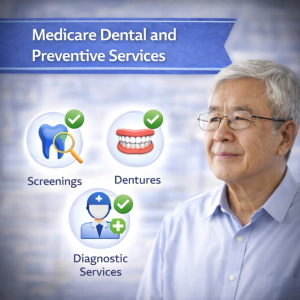
When comparing dental insurance plans, costs, and services can greatly influence your decision. It`s crucial to understand what`s included under different coverage options, such as basic and major services, and how these align with potential dental needs. Basic services typically involve routine check-ups and preventive care, such as cleanings, while major services cover more complex treatments. Understanding the range of services a plan covers ensures that necessary dental procedures are affordable and accessible.
The cost of dental coverage often encompasses several components, including monthly premiums, annual deductibles, and co-pays for services. Analyzing these costs helps determine the overall financial commitment a plan requires. Plans with a lower monthly premium may have higher deductibles or co-pay amounts, which can lead to higher costs when services are needed. Seniors should think about what they might pay out-of-pocket annually compared to what the insurance plan will cover for them.
Provider networks also influence both service costs and accessibility. Plans like Cigna Dental often offer access to a wide network of dental professionals, which can reduce overall costs by choosing from preferred or in-network providers. Staying within this network often means lower fees for services, as providers agree to set rates with the insurance company. This can be a significant saving, especially when dealing with costly dental procedures.
Additional considerations include the ease of understanding what`s covered. Insurance plans should clearly outline treatments covered under the policy. Transparency helps seniors avoid unexpected expenses. Reviewing coverage details ensures that you`re informed about which treatments are covered, as well as the level of coverage provided for each type of service.
Finally, consider plans that accommodate both present needs and potential future requirements. As we age, oral health concerns often change. Choosing a plan with a variety of services that also emphasize preventative care can be beneficial. This might mean opting for plans that feature affordable access to routine care while also offering comprehensive coverage for advanced procedures.
Comparatively assessing costs and services allows seniors to make informed decisions. Remember to consider both your financial situation and specific dental needs when evaluating potential plans. Doing so empowers you to select a plan that ensures both dental health sustainability and peace of mind.
For more personalized assistance and to find insurance options that suit your needs, enter your ZIP code on our site. You can also call us for expert guidance as soon as our phone line becomes available, ensuring you confidently navigate your dental insurance choices.
We hope this information helps you understand your dental coverage options. It’s important to choose a plan that aligns with your health needs and budget. You can compare Medicare and dental options by entering your ZIP code on our site. Also, feel free to call us for personalized help when our phone number is available. We are here to guide you as you consider your choices. Making informed decisions about your dental coverage can give you peace of mind and improve your overall health.
Compare plans and enroll online
Frequently Asked Questions
Does Medicare cover routine dental care?
Medicare does not cover routine dental care such as cleanings and check-ups. To access dental services, consider additional insurance options like dental plans or Medicare Advantage plans that may include dental benefits.
What types of dental procedures can dental insurance plans cover?
Dental insurance plans often cover routine check-ups, cleanings, and preventive care. They may also cover more complex procedures like fillings, crowns, root canals, and dentures, depending on the plan.
How do Medicare Advantage plans differ in terms of dental coverage?
Medicare Advantage plans, offered by private insurers, may include dental coverage as part of their benefits package. This can range from basic preventive services to more comprehensive dental coverage, varying between plans.
What should seniors consider when choosing a dental insurance plan?
Seniors should evaluate their specific dental needs, consider the range of services covered, review the network of providers, and understand costs such as premiums, deductibles, and co-pays.
What benefits does supplemental dental insurance offer for seniors?
Supplemental dental insurance can provide additional coverage for services that Medicare Advantage might not include. This includes broader coverage of both preventive and major dental services, tailored to seniors needs.
Have Questions?
Speak with a licensed insurance agent
1-855-398-0716
TTY users 711
Mon-Fri: 8am-9pm ET
Find & Compare Plans Online
ZRN Health & Financial Services, LLC, a Texas limited liability company

Russell Noga is the CEO of ZRN Health & Financial Services, and head content editor of several Medicare insurance online publications. He has over 18 years of experience as a licensed Medicare insurance broker helping Medicare beneficiaries learn about Medicare, Medicare Advantage Plans, Medigap insurance, and Medicare Part D prescription drug plans.