If you’re wondering whether you can switch Medigap plans, you’re not alone. Many seniors find themselves in the same situation. Medigap, or Medicare Supplement Insurance, helps cover costs that Original Medicare doesn’t, like copayments and coinsurance. Switching plans might offer more suitable benefits or savings. Understanding how these policies work and the process for switching is key to making informed choices. This guide will take you through the essential steps, providing clear and simple explanations to help you compare options confidently and decide if changing your Medigap plan is a good fit for your needs.


Compare Medicare Plans
Compare plans and costs in your area






Can I Switch Medigap Plans?
Key Highlights
- Medigap plans help cover costs that Original Medicare doesn’t, like copayments and coinsurance.
- Switching Medigap plans can offer more suitable benefits or savings based on evolving needs.
- Medigap policies must adhere to federal and state laws, ensuring standardized benefits across most states.
- Switching plans during the open enrollment period avoids medical underwriting challenges.
- Explore alternative supplemental plans like Medicare Advantage for extra benefits not covered by Medigap.
Compare plans and enroll online
Understanding Medigap: A Basic Overview
Medigap policies, also known as Medicare Supplement plans, are designed to bridge the gaps left by Original Medicare. These policies can cover costs like copayments, coinsurance, and deductibles, providing a financial cushion and peace of mind. Understanding the intricacies of Medigap is crucial, as it helps you make informed decisions about your healthcare needs. This section covers the fundamentals of what Medigap is and how it functions while exploring the different types of Medigap coverage available to you.
What is Medigap and How Does It Work?
Medigap, commonly referred to as Medicare Supplement insurance, is a vital component in managing healthcare costs for those with Medicare. But what exactly does Medigap entail? In essence, Medigap plans are private insurance policies that work alongside Original Medicare. Original Medicare, consisting of Part A and Part B, provides foundational coverage for hospital and medical costs.
However, it doesn’t cover everything, leaving beneficiaries responsible for certain out-of-pocket expenses. That’s where Medigap policies come into play, as they are designed to fill those gaps and alleviate financial burdens.
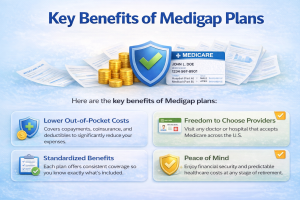
When you invest in a Medigap plan, it helps cover costs like deductibles, copayments, and coinsurance, depending on the specific coverage selected. This means you can receive medical care without constantly worrying about surprise costs cropping up. Each Medigap policy must adhere to federal and state laws, ensuring standardized benefits across most states.
This consistency makes it easier for beneficiaries to compare plans based on coverage needs rather than varying benefits. Yet, it’s important to remember that Medigap policies don’t cover long-term care, dental, vision, or hearing services. For these needs, supplementary options such as dental, vision, and hearing insurance may be appropriate.
Choosing the right Medigap policy requires understanding key terms associated with these plans. For instance, ‘underwriting’ is a process used by insurance carriers to assess risk and determine policy pricing. Another term, ‘open enrollment period,’ refers to a six-month window starting when you’re both 65 or older and enrolled in Medicare Part B. During this period, you can choose any Medigap policy available in your state without undergoing medical underwriting.
If you miss this enrollment window, obtaining coverage may still be possible, but you might face higher costs or coverage denial based on health conditions. It’s imperative to plan ahead and know your rights and options. Equipped with this knowledge, you can confidently pursue a Medigap policy that aligns with your healthcare needs, ensuring both financial protection and flexibility as you embark on this new chapter in your healthcare journey.
To fully grasp the benefits and constraints of Medigap, it’s helpful to consider the following key aspects:
– Medigap policies fill in gaps not covered by Original Medicare.
– These plans do not cover prescription drugs; a separate Part D plan is needed.
– Medigap policies are standardized, but availability may vary by state.
– Each policy only covers one person, not entire families.
– You must have Medicare Part A and Part B to purchase Medigap.
– Monthly premiums vary based on the insurance company and geographic location.
– Medigap policies offer a 30-day “free look” period to decide if it suits your needs.
Understanding these points ensures better preparedness in selecting a Medigap plan tailored to your healthcare needs.

Exploring Different Types of Medigap Coverage
Medigap coverage is extensive, with a variety of plans tailored to meet diverse healthcare needs. Understanding these options is crucial for finding a plan that fits your needs. Let’s explore the primary types of Medigap plans available, highlighting how they differ and what they offer. There are ten standard Medigap plans labeled A through N.
Each provides a unique blend of benefits, and understanding them can aid in making an informed choice. Plan A is the most basic, offering fundamental benefits such as coinsurance costs and hospital stays, while Plan G provides broader protection covering almost all gaps except for the Medicare Part B deductible.
Plan N, a popular choice, features lower monthly premiums but involves some cost-sharing with copayments for certain doctor visits and emergency room visits. While it requires more out-of-pocket expenses than other plans like Plan F, its lower premiums can appeal to those seeking budget-friendly coverage.
It’s important to note that Plans C and F are no longer available to new Medicare beneficiaries as of 2020. However, those who were eligible for Medicare prior to 2020 can still enroll in these plans if available in their state. Each plan type provides varying levels of coverage, allowing you to choose based on your health needs and financial circumstances.
To better understand which plan suits your lifestyle, consider factors like travel frequency. Some plans offer coverage for foreign travel emergencies, which might be essential if you frequently travel outside the U.S. Additionally, consider your current medical needs and any prescription drugs that require regular attention, guiding your decision on whether additional coverage like Part D drug plans might be necessary.
Seeking advice from an experienced Medicare educator can demystify the complexities of Medigap policies. This guidance ensures you select a plan that’s best suited for your needs and helps navigate the complexities associated with state-specific rules and conditions. By exploring your options carefully, you’ll find a Medigap plan that complements your Medicare coverage, enhancing your healthcare experience without financial stress.
Remember, to easily compare different Medigap plans, enter your ZIP code on our website. You can also call us for personalized assistance once our phone number is available. Choosing the right Medigap plan can make a significant difference in your healthcare journey, ensuring peace of mind and coverage that fits your life.
Reasons to Consider Switching Medigap Plans
Deciding to switch Medigap plans can be a thoughtful consideration based on evolving healthcare needs and financial circumstances. Many factors can prompt the need to reassess your Medigap coverage, ensuring it aligns with your current lifestyle and budget. Perhaps there are changes in premiums, benefits, or personal health status that necessitate a change.
Understanding why and when switching might be beneficial involves examining these shifts closely, alongside how the process affects your eligibility under Medigap underwriting practices. Let`s dig deeper into these reasons and clarify why transitioning between Medigap policies could be a wise choice.
When and Why to Switch Medigap Policies
Switching Medigap policies can occur anytime throughout the year, unlike the limited opportunity provided during the Medigap open enrollment period. This flexibility means you can switch if you discover that another plan better covers your evolving health needs or offers more competitive premiums.
It’s important, though, to consider why you want to switch Medigap plans, as your reasons can impact your decision significantly. For instance, if you’re experiencing increased out-of-pocket expenses with your current plan, switching to another Medigap policy might provide better coverage.
If your lifestyle changes, like traveling more frequently, a plan offering foreign travel emergency coverage might suddenly become important. Similarly, changes in family or personal financial situations might mean a more affordable plan better suits you. Keep in mind that each state offers different Medigap plans, and Medigap carriers might have varying pricing strategies that could offer more savings. It’s wise to evaluate these differences, especially since the coverage benefits are standardized, ensuring that a cheaper plan doesn’t compromise the coverage you expect.
Switching Medigap plans also allows adaptation to healthcare advancements or emerging health conditions. Whether you’re looking to increase coverage because of new healthcare needs or exploring the advantages offered by different Medigap carriers, switching could open up broader healthcare options. However, it’s essential to understand that outside of the Medigap open enrollment period, medical underwriting may apply. This means your decision to switch could depend on health evaluations unless you’re eligible for guaranteed issue rights due to specific circumstances.
It’s useful to weigh the long-term benefits against the costs involved when considering switching Medigap policies. Ask questions about the potential savings, coverage improvements, and the peace of mind new coverage might provide. An experienced Medicare educator can help walk you through this analysis, ensuring your switch is beneficial and aligns with your goals. Remember, it`s about having insurance that offers support when and where you need it, allowing you to manage your healthcare confidently and comfortably.
Find & Compare Plans Online
Impact on Medigap Underwriting When You Switch
When you switch Medigap policies, one key factor to consider is the effect on Medigap underwriting. During the Medigap open enrollment period, you enjoy the advantage of purchasing any Medigap insurance without undergoing underwriting. However, outside of this six-month window, if you attempt to switch Medigap plans, you could face medical underwriting. This process allows insurance companies to assess health risks before approving your application for a new Medigap policy.
Medical underwriting can be intimidating, especially if you have pre-existing health conditions that an insurance company may deem too costly to cover. As a result, your application could be declined, or you may face higher premium costs if approved. Understanding this, it`s crucial to align your switch with periods where medical underwriting can be avoided, such as guaranteed issue rights events. These events offer protection, allowing you to switch without underwriting due to specific situations like losing other health coverage or moving out of the plan’s service area.
It`s also important to note each state might have its own rules beyond federal regulations, affecting how underwriting is applied. This variance underscores the importance of consulting with an experienced Medicare expert who can guide you based on your state-specific rules. Doing so can help to navigate complex underwriting processes successfully and explore opportunities where exceptions might apply.
Addressing concerns about medical underwriting is key to ensuring a smooth transition when switching Medigap plans. By asking pertinent questions and seeking detailed answers before making a move, you can avoid unnecessary hurdles. Always stay informed about your rights under Medicare regulations, as well as the policies of different Medigap carriers that could impact your decision. This proactive approach ensures you’re well-equipped to manage your healthcare coverage smartly, embracing opportunities that further support your ambitions and well-being without undue stress.
Remember, you can quickly learn more about Medigap plans and compare options by entering your ZIP code on our website. You’re also welcome to call for personalized help once our phone number is available. We’re here to support you in making informed decisions that enhance your Medicare experience and support your financial and healthcare goals.
How to Switch Medigap Plans Successfully
Switching Medigap plans is a significant step that requires thoughtful evaluation and timing. Understanding the process is crucial to ensure your new policy aligns with your healthcare needs and financial situation. This guide covers key steps during the Medigap open enrollment period and practical tips to tailor your Medigap plan selection to your evolving needs.
Steps to Follow During Open Enrollment
Switching Medigap plans during the open enrollment period can be the simplest and most effective time to reassess your coverage. This period starts when you’re both 65 or older and enrolled in Medicare Part B. It lasts for six months and offers the perfect window to switch Medigap plans without medical underwriting. Here’s a step-by-step guide to navigating this period with confidence.
First, gather information on different Medigap policies available in your state. Since Medigap benefits are standardized, you’ll be able to compare various options without worrying about differing coverage essentials. Focus on matching the benefits to your needs. Consider aspects like frequency of doctor visits, traveling out of state, or potential upcoming healthcare requirements. Medigap plans, including plans A through N, offer different levels and combinations of coverage such as coinsurance, copayments, or even emergency travel coverage.
Next, explore various Medigap carriers. While the plans are standardized, premiums can differ based on the insurance company and your location. It`s helpful to compare the pricing strategies of different carriers and how they affect your monthly premiums. You can find Medigap plans that might offer better rates over time, depending on the company’s pricing model, be it attained-age, issue-age, or community-rated.
Once you’ve identified a potential new Medigap policy, confirm that the plan’s prescriptions and medical support align with your health conditions and potential treatments. This ensures your chosen plan supports your present and future health needs effectively.
Finally, complete your switch by submitting a new application within this timeframe. This step is crucial as it secures your ability to transition plans without the risk of medical underwriting. However, prepare to answer some general questions to ensure eligibility, and always double-check with the company regarding any possible conditions that may apply despite the enrollment advantages.
Practical Tips to Find Medigap Plans That Suit You
Finding the right Medigap plan that suits you involves more than merely selecting coverage. It`s about aligning a policy with your lifestyle, healthcare needs, and financial priorities. Here are practical insights to guide you in finding a Medigap plan tailored to your situation.
Start by evaluating your current health status and potential future needs. This self-assessment helps determine the coverage areas you should focus on. For example, if foreign travel is in your plans, selecting a Medigap policy that includes foreign travel emergency coverage might be crucial. Similarly, if you rely on frequent medical services, a plan that minimizes out-of-pocket costs would be beneficial.
Explore various Medigap carriers to understand how different pricing models impact long-term costs. Some companies may offer favorable starting rates, which can increase dramatically over time. Being aware of how a company’s pricing history aligns with your financial situation helps in making a sustainable choice.
Think about flexibility and future-proofing your policy, considering factors like changes in health conditions, financial circumstances, or even relocation to another state. Under different state guidelines, some plans might offer benefits not available elsewhere. Exploring these state-specific Medigap changes can offer broader options and adaptations if necessary.
Enlist the guidance of a Medicare expert who can demystify the complexities and assist in filtering choices that best fit your situation. Their expertise helps in focusing on plans that align with Medicaid eligibility, specific health conditions coverage, and any state regulations that might affect your choice.
Remember, entering your ZIP code on our website allows you to compare different Medigap plans conveniently. Also, feel free to call for personalized assistance once our phone number is available. By leveraging these resources, you empower yourself to select Medigap plans that not only meet your needs today but also adapt to changes tomorrow. This proactive selection boosts your confidence in making informed healthcare decisions while keeping financial security in check.
| Step | Key Considerations | Action Items |
|---|---|---|
| 1. Review Current Coverage | Assess current healthcare needs and any changes since the last enrollment period. | Examine your existing plan’s benefits and limitations. |
| 2. Research Available Plans | Understand the differences in Medigap plans offered in your state. | Compile a list of available Medigap plans and their coverage options. |
| 3. Evaluate Plan Costs | Consider premium costs, deductibles, and out-of-pocket expenses. | Compare pricing among different plans for potential savings. |
| 4. Consult Medicare Experts | Seek advice to understand complex terms and ensure informed decision-making. | Contact Medicare representatives or an insurance advisor for guidance. |
| 5. Submit Enrollment Application | Ensure timely submission during the open enrollment period. | Complete the necessary paperwork and confirm enrollment details. |
This table offers a streamlined overview of essential steps and considerations for navigating the Medigap open enrollment period effectively.
Exploring Alternative Supplemental Plans
As you navigate your Medicare options, it’s crucial to understand the variety of supplemental plans accessible to you. While Medigap policies offer significant benefits in covering gaps left by Original Medicare, they aren’t the only resources available. It’s beneficial to explore other Medicare supplement plans, including Medicare Select and Medicare Advantage, to ensure that the coverage you choose aligns with your healthcare needs and financial goals. Delve into the options available and find the right fit that supports your overall health journey and financial peace of mind.
Comparing Medigap and Other Medicare Supplement Plans
When considering Medicare supplement plans, it`s essential to understand the distinctions and benefits each type has to offer. Medigap, also known as Medicare Supplement insurance, complements Original Medicare by covering out-of-pocket expenses like copayments, coinsurance, and deductibles.
This plan allows for predictability in costs and provides substantial peace of mind regarding your healthcare finances. On the other hand, there`s Medicare Select, a version of Medigap offering lower premiums in exchange for using a defined network of healthcare professionals and facilities. It requires careful planning to ensure the network meets your medical needs effectively.
Meanwhile, Medicare Advantage plans, referred to as Part C, provide a bundled alternative that includes coverage offered under Part A and Part B and often Part D for prescriptions. These plans, unlike Medigap, are managed by private insurance companies approved by Medicare. Medicare Advantage plans can include additional benefits such as dental, vision, and hearing services, which standard Medigap policies don`t cover. Costs can vary widely depending on the specific plan and the insurance company providing it.
The choice between these plans should consider several factors such as your comfort with network restrictions, interest in extra benefits, and personal budget. It’s also crucial to recognize the restrictions applicable to each plan type. For instance, unlike Medigap, which provides standardized lifetime coverage, Medicare Advantage plans require yearly reviews and possible alterations based on changing health status and healthcare needs. This flexibility can be advantageous for those whose health or lifestyle might change but may not suit those looking for stable, long-term coverage without annual re-enrollment requirements.
When selecting between Medigap policies and other Medicare supplement plans such as Medicare Select or Medicare Advantage, one must weigh the trade-offs between cost control, coverage breadth, and healthcare provider flexibility. Furthermore, it is equally important to review state-specific regulations as each state may have different requirements for plan availability and rules, which can impact your choice significantly.
Understanding these various plans with a knowledgeable Medicare educator can be immeasurable in clarifying your options. They can assist in ensuring the selected assistance meets your current health needs and adjusts over time, especially considering potential advancements in healthcare or shifts in personal circumstances.
By familiarizing yourself with these fundamental differences and considerations, you empower yourself to make informed decisions about your healthcare, supporting a clearer path towards securing your wellbeing.
Ready to explore your options further? Enter your ZIP code on our website to compare different Medicare supplement plans available in your area. Although calls for personalized guidance are not yet available, you`ll soon be able to speak with our experts who can offer tailored advice, helping ensure your coverage selection aligns perfectly with your health and financial objectives.
Understanding Medigap policies and switching options can help ensure you have the best possible coverage for your needs. Remember, when switching plans, timing and eligibility are key. Enter your ZIP code on our site to compare Medigap plans available in your area. Our tools can help you explore options and find information that fits your needs. Once our phone number is available, you may call for personalized assistance to help guide your decision. We’re here to support you every step of the way.
Compare plans and enroll online
Exploring Alternative Supplemental Plans
Can I switch Medigap plans anytime?
Yes, you can switch Medigap plans at any time during the year. However, switching outside the Medigap open enrollment period might involve medical underwriting, where an insurance company reviews your health before approving the switch.
What is the Medigap open enrollment period?
The Medigap open enrollment period is a six-month window that begins when you are both 65 or older and enrolled in Medicare Part B. During this time, you can buy any Medigap policy without needing to go through medical underwriting.
Are Medigap benefits standardized across all states?
Yes, Medigap benefits are standardized in most states, meaning that each plan offers the same basic benefits regardless of the insurance provider. However, some states might have specific variations in how these standardized plans are offered.
Do Medigap plans cover everything that Original Medicare does not?
No, while Medigap policies help cover costs like deductibles, coinsurance, and copayments, they do not cover long-term care, dental, vision, or hearing services. You may need separate insurance to cover these services.
What's the difference between Medigap and Medicare Advantage?
Medigap, or Medicare Supplement insurance, works with Original Medicare to cover out-of-pocket costs. Medicare Advantage (Part C) is an alternative way to get Medicare benefits through private insurers and often includes additional services like dental or vision.
Have Questions?
Speak with a licensed insurance agent
1-855-398-0716
TTY users 711
Mon-Fri: 8am-9pm ET
Find & Compare Plans Online
ZRN Health & Financial Services, LLC, a Texas limited liability company

Russell Noga is the CEO of ZRN Health & Financial Services, and head content editor of several Medicare insurance online publications. He has over 18 years of experience as a licensed Medicare insurance broker helping Medicare beneficiaries learn about Medicare, Medicare Advantage Plans, Medigap insurance, and Medicare Part D prescription drug plans.