Understanding Medicare Part D is essential for many seniors who need prescription drug coverage. Medicare Part D helps pay for medications and can save money. However, choosing the right plan can be confusing. This page explains what Medicare Part D covers and common mistakes to avoid when selecting a plan. By learning more, you can compare options and make informed decisions. Remember, choosing the right Part D plan can help you get the medications you need at a cost that fits your budget.

Compare Medicare Plans
Compare plans and costs in your area






Common Mistakes When Choosing Plan D
Key Highlights
- Medicare Part D provides vital prescription drug coverage, crucial for managing health needs cost-effectively as you age.
- Plans vary; reviewing the formulary helps ensure your medications are covered, avoiding unexpected drug costs.
- Enrollment periods, including Initial and Annual, are key for timely access and avoiding penalties.
- Use our Medicare Part D Plan Finder and network pharmacies for cost-saving and effective plan selection.
- Compare Medicare Part D with Medicare Advantage to understand coverage differences and benefits for informed decisions.
Compare plans and enroll online
Introduction to Medicare Part D
Medicare Part D is an essential component of the Medicare program, providing vital coverage for prescribed medications. Navigating your insurance options can feel daunting, but understanding the benefits of Medicare Part D might simplify the process. This coverage is especially important for managing health needs as we age. Learning about the ins and outs of Medicare Part D helps ensure you’re well-equipped to make informed decisions about your prescription drug coverage. In the following sections, we’ll delve into why Medicare Part D matters and how it can meet your health care needs.

Why Medicare Part D Matters
Medicare Part D serves as a critical pillar in maintaining your health by covering prescribed medications. Understanding the significance of this insurance aspect couldn’t be more important, especially when we consider the frequent health needs seniors often face. Undoubtedly, the plan is indispensable for anyone managing long-term health conditions or needing regular medications to maintain their well-being. So, why does it hold such value? Primarily, Medicare Part D offers coverage that can shield you from the potentially high costs of prescriptions, which is crucial if you’re on a tight budget. It helps spread out expenses over time, making them more manageable.
Taking advantage of Medicare Part D can also ensure you don’t have to make difficult choices between medication and other necessities. With this kind of health-focused coverage, you have access to crucial medications that aim to maintain your health, ultimately supporting a higher quality of life. Part D empowers beneficiaries by offering different plan options that can be tailored to individual needs. While selecting a plan, be sure to evaluate how it fits your current and potential future health requirements. Each Medicare Part D plan varies in terms of the list of covered drugs, known as the formulary, which means you can choose one that covers your specific medications.
In addition, Part D frequently coordinates with other parts of Medicare to provide comprehensive coverage. For many, it works alongside Medicare Parts A and B, forming a web of healthcare services that covers both preventive and treatment-based health services. This synergy helps maximize the benefits you get from both Medicare and Part D. By including Part D in your health plan, you are essentially investing in a robust safety net that helps keep unexpected medicine costs at bay. This coverage is not just about accessing medicines but about safeguarding your health and peace of mind.
What is Medicare Part D?
Medicare Part D is an integral part of the Medicare program focused on providing prescription drug coverage. This coverage is crucial for managing health as we age, offering financial assistance for prescribed medications. By safeguarding against high medication costs, Part D helps maintain health without financial strain. Understanding this part of Medicare is key to making informed decisions about your health coverage. In the next sections, we will explore the basics of how Medicare Part D works and its benefits for seniors looking to manage prescribed medications effectively.
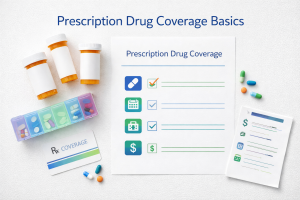
Basics of Prescription Drug Coverage
When delving into Medicare Part D, it’s essential to grasp how prescription drug coverage operates. At its core, Part D is designed to assist with the costs of prescribed medications, offering a broad assortment of plans through private insurance companies approved by Medicare. The main benefit of these plans is their ability to lower the price of both generic and brand-name drugs, making necessary medications more affordable for seniors on a fixed income.
Each person’s health needs are different, and with Medicare Part D, you have the flexibility to select a drug plan that aligns with your specific requirements. Plans vary not only in cost but also in the list of covered medications, known as the formulary. It’s important to thoroughly review this list before selecting a plan to confirm it includes your prescribed medications, ensuring you receive the coverage you need without any unwelcome surprises in terms of drug coverage.
One of the notable aspects of Part D is its coordination with other Medicare services. This integration means your prescription drug coverage can work in tandem with Medicare Parts A and B, alongside Medigap or Medicare Advantage, offering a more comprehensive approach to health insurance. This synergy helps to cover both routine and emergency medical expenses, aiming to provide a robust safety net for your healthcare needs.
Navigating the complexities of these drug plans can be overwhelming, but understanding the basics of Part D can empower you to manage your health expenses better. With the assistance of a well-chosen plan, your prescribed medications will be more affordable, helping to prevent the financial stress that can come with healthcare costs. This insight not only maintains your health but also fosters peace of mind, knowing that your healthcare needs are met affordably and effectively.
| Key Aspect of Medicare Part D | Description or Function | Benefits for Seniors | Coordination with Other Medicare Services | Key Considerations for Selecting a Plan |
|---|---|---|---|---|
| Plan Options | Medicare Part D offers a variety of plans provided by private insurers. | Allows flexibility in choosing a plan that suits individual needs. | Plans can complement Medicare Advantage coverage. | Evaluate the formulary and network pharmacies. |
| Coverage Tiers | Drugs are categorized into different tiers with varying copayment levels. | Potential to reduce out-of-pocket expenses based on tier selection. | Coordinated billing with Medicare Parts A and B. | Consider tier structures in relation to current prescriptions. |
| Cost Structure | Includes premium, deductible, and copayments or coinsurance. | Predictable costs help with budgeting for medications. | Pays secondary to Medicare Part A and B for some services. | Check the total cost beyond just premiums. |
| Formulary Specifics | A list of covered prescription drugs within a plan. | Access to necessary medications that can change yearly. | Aligns with existing Medicare coverage to prevent overlaps. | Review annually for changes in covered drugs. |
This table highlights how Medicare Part D offers a structured approach to managing prescription drug costs, blending coverage with other Medicare services efficiently.
Covered Medications Under Medicare Part D
Medicare Part D is crucial for managing the costs of prescribed medications, offering a wide array of coverage options through various plans. Understanding what Medicare Part D covers can empower you to take control of your healthcare expenses. This drug plan is designed to cater to diverse needs, ensuring that seniors can access vital medications without financial burden. By exploring the list of covered medications and understanding how each plan operates, you can select coverage that effectively meets your health requirements. Here, we’ll break down what to expect from Medicare Part D’s drug coverage list and avoid common pitfalls.
Understanding the Drug Coverage List
Deciphering the drug coverage list, or formulary, is key to maximizing the benefits of Medicare Part D. Each plan has its own formulary, detailing which prescription drugs are covered. This list is categorized into tiers, with each tier representing different cost levels. Typically, generic drugs fall into lower tiers, making them more affordable, while brand-name medications may sit in higher tiers with increased out-of-pocket expenses. Understanding these tiers can help you plan your drug costs effectively.
Medicare Part D covers a broad spectrum of prescribed medications essential for maintaining health. However, not all medications will be included in every plan’s formulary. It’s crucial to carefully review the drug plan’s list, ensuring it encompasses the prescriptions you’re taking. This ensures you’re not caught off guard by unexpected expenses and that your critical medications are covered. If a drug you need isn’t on the list, you might have to consider alternative medications or discuss options like an exception request with your doctor or insurer.
Additionally, Part D plans often update their formularies annually, which can affect your coverage. Being proactive and checking these changes each year will ensure your plan continues to meet your needs. Understanding the coverage structure can prevent costly mistakes when enrolling in or renewing a drug plan. Make sure to also consider factors such as the plan’s pharmacy network and any associated costs like deductibles and copayments. This comprehensive approach aids in securing a drug plan that aligns with both your medical and financial needs.
Ultimately, Medicare Part D’s goal is to alleviate the financial strain of medication costs, but understanding your coverage is vital. By examining the drug coverage list thoroughly and making informed choices, you can navigate the complexities confidently. Remember, carefully managing these details can substantially impact your healthcare quality and costs. If you’re ready to explore your options, enter your ZIP code on our site to compare Medicare Part D plans. You can also call for personalized assistance when our phone service becomes available.
Eligibility for Medicare Part D
Understanding who qualifies for Medicare Part D can simplify your healthcare planning. Part D is designed to help with prescription drug costs and is available to anyone eligible for Medicare. Whether you’re already on Original Medicare or are new to the program, knowing your eligibility can prevent common pitfalls during enrollment. In the upcoming parts, we’ll break down who can access these benefits and help you map out your enrollment strategy to ensure you get the prescription drug coverage you need.
Who Can Get This Prescription Drug Benefit?
To be eligible for Medicare Part D, you must first qualify for Medicare. Typically, adults aged 65 or older, or those with certain disabilities, are eligible. Enrolling in Part D means you’re opting for a drug plan that covers prescription costs, offering peace of mind as your healthcare needs evolve. If you’ve got Original Medicare, which includes Parts A and B, you can easily add Part D to cover your prescription drug needs.
It’s also worth mentioning that certain younger individuals who qualify for Medicare due to a disability are eligible for Part D. Moreover, if you’re getting disability benefits from Social Security, you might also qualify. This inclusivity ensures that even those without traditional pathways can access vital medicine benefits. These drug plans are provided through private insurance companies, yet they follow Medicare rules to ensure a standard level of coverage.
The most suitable time to enroll is during your Initial Enrollment Period, a seven-month window that starts three months before you turn 65. Missing this window could result in a delay in coverage and potential late penalties, stressing the importance of timely action. However, if you have credible prescription drug coverage through another source, you might delay enrolling in Part D without penalty. It’s key to evaluate your needs diligently, as these choices significantly influence long-term healthcare costs and accessibility.
Financial assistance options like Extra Help can also be pivotal for those struggling with the costs of Part D. Extra Help is a Medicare program that helps lower prescription costs, making the program accessible to those with limited income and resources. By understanding your eligibility and the coverage options under Medicare Part D, you can effectively navigate the complexities of drug plans and ensure you’re getting the most out of your Medicare benefits. If you have questions or need more personalized help, feel free to enter your ZIP code on our site to compare Medicare options, or call us when our phone service is available.
Navigating Drug Costs with Part D
Managing drug costs is a significant concern for many seniors enrolled in Medicare Part D. With various plans to choose from, understanding how to navigate these expenses can make a world of difference. A smart approach to budgeting and an awareness of the coverage gap can help in managing costs more effectively. In walking through the ins and outs of Medicare Part D, you can make informed choices that suit your health needs and financial situation. Let’s explore practical budgeting tips and strategies to alleviate the financial burden of prescription medications.
Managing Costs and Budgeting Tips
Effectively managing costs under Medicare Part D involves several careful considerations and practical steps. First, understanding the structure of Part D plans is crucial. Drug costs can vary significantly depending on the plan you choose. Each plan has a formulary, or list of covered medications, categorized by tiers. Typically, generic drugs cost less, while brand-name medications can be pricier. Evaluating these tiers allows you to anticipate and manage out-of-pocket expenses based on your prescriptions.
The coverage gap, often referred to as the “donut hole,” is another essential aspect of Medicare Part D worth noting. During this phase, out-of-pocket drug costs can increase until you reach catastrophic coverage. Planning for this gap can save money, ensuring you’re prepared for higher costs during this period. Discuss with your healthcare provider about generic alternatives or less expensive medication brands that are equally effective but more affordable.
Budgeting tips include reviewing your medications regularly and reassessing your plan annually during the enrollment period. Your health needs may change, affecting your drug costs. Taking advantage of available tools and resources, like online plan comparison tools, can simplify this process. For those eligible, programs like Extra Help can provide significant assistance. This program reduces the costs of Medicare Part D for qualified individuals, making drug coverage more affordable and accessible.
Additionally, it’s wise to maintain a healthcare budget. Calculate expected drug costs, considering deductibles, copayments, and coinsurance amounts, to ensure you’ve set aside sufficient funds. By keeping track of these details, you can avoid overspending and plan for any unexpected changes in your health care or financial situation. Preparing ahead, using available resources, and staying informed about your Medicare Part D options will aid in effectively managing your drug costs. If you wish to explore plans suited to your needs, enter your ZIP code on our site for a tailored comparison, or call when our phone service is available for personalized assistance.
Find & Compare Plans Online
Understanding the Enrollment Period
Enrolling in Medicare Part D involves understanding the various enrollment periods that impact coverage options. It’s crucial to know when to enroll to avoid delays and penalties. The enrollment period typically includes the Initial Enrollment Period, the Annual Enrollment Period, and special circumstances for certain individuals. Each offers a specific window for signing up, and choosing the right time can significantly influence your Medicare coverage. In the following section, we’ll detail when you should sign up for Medicare Part D and the important timelines to keep in mind.
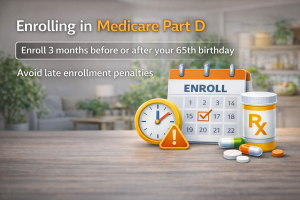
When to Sign Up for Medicare Part D
Choosing when to sign up for Medicare Part D is a critical step in accessing your prescription drug coverage. Understanding the enrollment period ensures you don’t miss important dates that could affect your plan options. Let’s break this down. The Initial Enrollment Period (IEP) is usually your first opportunity to enroll. It spans seven months, starting three months before you turn 65, includes your birth month, and extends three months after. During this window, signing up for Part D ensures that you’ve got your coverage squared away as you transition into Medicare. Missing this period could mean late penalties and delayed coverage, impacting your healthcare planning.
Next, the Annual Enrollment Period (AEP) happens each year from October 15 to December 7. This window lets you make changes to your Medicare plans, including Part D if you already have coverage. If you’re in a situation where you’ve missed your initial signup or find that your current plan isn’t meeting your needs, AEP is the time to reassess and select a plan that fits better. Whether it’s choosing a plan with a more suitable formulary (drug list) or better cost management, this period is invaluable for ensuring your health needs are met.
Besides these, you might encounter Special Enrollment Periods (SEP) if you experience certain life events like moving to a new area, losing other credible drug coverage, or qualifying for Extra Help due to low income. SEPs provide a flexible timeframe for adjusting your coverage without facing penalties. Navigating these enrollment periods might seem complex, but they are vital for securing continuous drug coverage that aligns with your health and financial circumstances. Planning ahead within these defined periods can ultimately enhance your Medicare experience by offering stability and financial predictability.
If you’re exploring different plan options, enter your ZIP code on our site to compare Medicare plans tailored to your needs. You can also reach out for personalized assistance when our phone service becomes available, ensuring you make confident, informed coverage choices.
Choosing the Right Plan
Finding the right Medicare Part D drug plan involves a bit of homework. With numerous plans available, it’s essential to understand what matters most to you. You’ll want a plan that meets your prescription needs without causing financial strain. Consider how different plans offer various benefits like drug coverage, costs, and accessibility, helping you find a plan that aligns with your health goals and budget. By understanding key factors in choosing a drug plan, you can make informed decisions and avoid common mistakes when selecting your Medicare coverage.
Key Factors to Consider
Choosing the right Medicare Part D drug plan means looking beyond just the monthly premium. While this upfront cost is important, you’ll also want to examine the formulary, which is the list of drugs each plan covers. Consider whether your specific prescriptions are included and which tier they fall into, as this affects your out-of-pocket expenses. Plans differ in benefits, so ensure your regular medications are covered at a cost you can afford. Being aware of this helps prevent unexpected costs and ensures access to necessary medications throughout the year.
Another critical factor is the pharmacy network. Check if your preferred pharmacy is included, as this affects convenience and overall costs. Some plans offer better terms if you use specific networks, translating to more savings on prescriptions. It’s wise to calculate potential costs, including deductibles and copayments, instead of focusing solely on premium costs. Understanding how these costs align with your annual healthcare budget makes it easier to manage expenses.
Consider the plan’s star rating as well. These ratings, provided by Medicare, indicate features like customer satisfaction and effectiveness. Although they’re not the only criteria for choosing, they can provide insight into the plan’s reliability and service quality. Lastly, look for flexibility to change plans during the Annual Enrollment Period without penalty, should your needs or circumstances change. Evaluating these factors gives you a comprehensive view of what each plan offers, helping you select one that aligns with your specific needs. For a personalized plan comparison, enter your ZIP code on our site or call for future assistance when our phone line is available.
Common Mistakes in Choosing Medicare Part D
Choosing the right Medicare Part D plan is essential for managing your prescriptions wisely. However, there are common mistakes that can lead to costly errors when selecting a drug plan. These errors often stem from overlooking crucial details like the formulary or misunderstanding the enrollment period. By identifying these pitfalls, you can better navigate the selection process. Understanding what to avoid ensures you make informed decisions about your drug coverage, ultimately leading to a more effective Medicare Part D experience that aligns with your healthcare needs.
How to Avoid Costly Errors
Avoiding costly errors when choosing Medicare Part D begins with a thorough understanding of the plan’s components and enrollment rules. A common mistake is neglecting the formulary list, which details covered medications. Always ensure your prescriptions are included before selecting a plan; otherwise, you might face unexpected drug costs. This mistake can impact your budget since medications not on the list might not be covered, leading to higher out-of-pocket expenses. Additionally, keep in mind that formularies change annually; reviewing them each year during the enrollment period is crucial.
Another potentially costly error involves misunderstanding the enrollment period. Missing the Initial Enrollment Period can result in late penalties, leading to increased monthly payments for as long as you have Part D. Prompt enrollment within the designated periods ensures you maintain coverage without unnecessary charges. Likewise, forgetting to reassess your plan during the Annual Enrollment Period may leave you with coverage that no longer meets your needs. This period allows you to switch plans, adapting them to your changing health landscape.
Lastly, it’s easy to overlook the importance of utilizing resources like Medicare’s Plan Finder tool. This helps compare costs and benefits, providing a clear picture of potential monthly premiums, deductibles, and copayments. Ignoring this step might lead to selecting a plan that isn’t cost-effective. Additionally, check if your preferred pharmacy is in-network, as using out-of-network pharmacies can increase costs significantly. By paying attention to these details and planning carefully, you can avoid common mistakes and choose a Medicare Part D plan that suits your health and financial needs. Remember to enter your ZIP code on our site to explore personalized Medicare options, or call for assistance once our phone service is available.
By taking these proactive steps, you can optimize your Medicare Part D benefits and prevent potential pitfalls:
- Research generic medication alternatives with your healthcare provider to reduce prescription costs.
- Check if your state provides any additional assistance programs for prescription coverage.
- Be aware of your plan’s deductible and out-of-pocket limits to better plan your healthcare budget.
Taking charge of your Medicare Part D plan ensures that you get the most out of your healthcare coverage while minimizing unforeseen expenses.
Comparing Medicare Part D with Other Options
When contemplating your Medicare coverage, it’s crucial to compare Medicare Part D with other available options to determine what works best for your health needs and budget. While Medicare Part D focuses on prescription drug coverage, it can be paired with different types of insurance options like Medicare Advantage or Original Medicare. Understanding these choices, including their benefits and limitations, can help you make an informed decision. Our discussion will guide you through a comparison of Medicare Part D versus Medicare Advantage, highlighting essential factors to consider, including benefits, plan costs, and coverage services.

Medicare Part D vs. Medicare Advantage
When it comes to choosing between Medicare Part D and Medicare Advantage plans, understanding their core differences and benefits is key. Medicare Part D is specifically designed to cover prescription drug costs, supplementing Original Medicare by offering standalone drug plans through private insurance companies. These plans alleviate the financial burden of medications by covering a broad spectrum of prescribed drugs, essential for managing ongoing health needs. Depending on the plan, coverage can vary and may have different formularies, or lists of covered medications, which are organized into cost tiers. Evaluating these tiers helps anticipate possible drug expenses and manage your healthcare budget effectively.
On the other hand, Medicare Advantage (also known as Part C) offers an alternative by bundling together Medicare Part A (hospital insurance), Part B (medical insurance), and often Part D coverage into a single plan. These plans are also provided by private insurance companies but must adhere to Medicare guidelines, offering added convenience by combining services under one roof. Medicare Advantage plans may offer additional services like vision, dental, and hearing coverage, which Original Medicare and standalone Part D plans typically do not cover. However, plan premiums, networks, and benefits vary widely, necessitating careful comparison based on personal health needs.
Enrollment choices have significant impacts on your healthcare access and financial responsibilities. While Medicare Advantage plans offer the convenience of fewer premiums and potentially reduced out-of-pocket costs, they may have more restricted networks, meaning you may need to use specific healthcare providers and pharmacies to get the full benefits. Additionally, some people appreciate the freedom of choosing separate Part D plans alongside Original Medicare, as it offers flexibility in prescription drug coverage without being tied to a single network. Always consider your specific health requirements, preferred healthcare providers, and desired plan benefits.
Ultimately, the decision between Medicare Part D and Medicare Advantage should be based on your individual healthcare needs, financial situation, and preferred way of accessing health services. Taking time to understand these distinctions can lead to better health management and cost savings. To explore these options further and see available plans in your area, enter your ZIP code on our site for a personalized comparison. You may also call for assistance when our phone services become available to help guide your decision-making process.
Conclusion and Next Steps
We’ve walked through the essentials of Medicare Part D, from understanding its coverage of prescribed medications to making sense of enrollment periods and plan selection. As you move forward, it’s vital to apply this knowledge practically to avoid common errors. Make sure to compare all available resources and explore your options effectively. This proactive approach ensures you’re well-prepared to choose a plan that aligns with your health needs and financial situation. Now, let’s discuss how you can explore your Medicare options to make informed choices.
How to Explore Your Medicare Options
As you embark on the next steps in your Medicare journey, exploring your options is key to finding the right plan. Whether you’re looking into Medicare Part D, Medigap, or Medicare Advantage plans, it’s essential to have a clear understanding of what’s available. Begin by reviewing your current healthcare needs and changes in your medical conditions. Consider listing all the prescription medications you take and any anticipated healthcare services or benefits you may require in the future. This list will serve as a foundational step in choosing a plan that covers what you need.
Reach out to resources such as the Medicare Plans Finder tool. This tool is invaluable for comparing plan costs, coverage details, and benefits across different Medicare Part D and Medicare Advantage plans. Using this service, you can find information about deductibles, monthly premiums, and which plans cover your preferred medications. Keep an eye on pharmacies within plan networks to lower costs. Often, using network pharmacies reduces expenses significantly, making this exploration step a significant money-saving opportunity.
Enrollment periods are also a critical aspect of exploring your Medicare options. Know when your Initial Enrollment Period and Annual Enrollment Period are available to you. These times offer the best opportunity to add, drop, or switch plans without penalties or interruptions. Special Enrollment Periods can offer additional flexibility should you experience specific life changes. This ensures you maintain uninterrupted coverage and adapt your plan to meet evolving needs.
Finally, consider consulting with a licensed insurance expert or Medicare educator. These professionals can offer personalized insights based on the complexity of Medicare offerings. Don’t hesitate to ask questions that will empower you to make informed decisions that reflect your personal circumstances. Remember, informed decisions today can lead to a more satisfying, stress-free Medicare experience tomorrow. To explore specific plan options, enter your ZIP code on our site, or call for further assistance when our phone services commence. You’re just a step away from finding a Medicare plan that aligns perfectly with your healthcare needs.
Understanding Medicare Part D and its coverage options can help you avoid common pitfalls when choosing a plan. Take your time to explore the benefits and costs that align with your needs. Enter your ZIP code on our site to compare Medicare options with ease. You can also check with one of our licensed experts for personalized help. By being well-informed, you make confident decisions about your Medicare coverage and prescription drug needs, ensuring you receive the health support that’s right for you.
Compare plans and enroll online
Frequently Asked Questions
What is a common mistake people make when selecting a Part D plan?
One common mistake is choosing a plan based solely on the monthly premium without reviewing how medications are covered or what total yearly costs may be.
Why is it risky to skip reviewing the formulary?
Failing to review the formulary can result in choosing a plan that does not cover your prescriptions or places them on higher tiers, leading to unexpected costs.
How can pharmacy choice affect Part D expenses?
Using a non-preferred pharmacy can increase out-of-pocket costs. Some people overlook pharmacy networks and later discover higher pricing for their prescriptions.
Is it a mistake to keep the same Part D plan every year?
Plans can change premiums, formularies, and cost-sharing annually. Not reviewing options each year may result in higher costs or reduced coverage over time.
Why is delaying Part D enrollment a common issue?
Some individuals delay enrollment without realizing it may lead to a late enrollment penalty. Understanding enrollment timing rules can help avoid long-term added costs.
Have Questions?
Speak with a licensed insurance agent
1-855-398-0716
TTY users 711
Mon-Fri: 8am-9pm ET
Find & Compare Plans Online
ZRN Health & Financial Services, LLC, a Texas limited liability company

Russell Noga is the CEO of ZRN Health & Financial Services, and head content editor of several Medicare insurance online publications. He has over 18 years of experience as a licensed Medicare insurance broker helping Medicare beneficiaries learn about Medicare, Medicare Advantage Plans, Medigap insurance, and Medicare Part D prescription drug plans.